
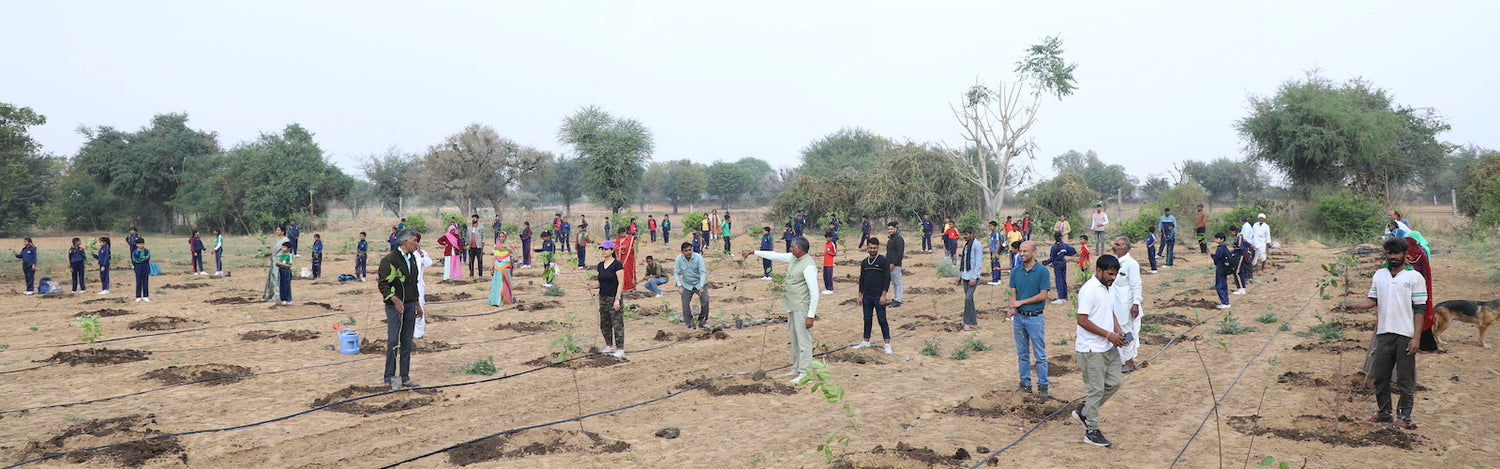
How Communities Become Long-Term Forest Stewards: Complete Guide
Communities become long-term forest stewards through education, local ownership, sustainable practices, and collaborative partnerships. Our experience shows that successful forest stewardship begins with empowering local people to take active roles in conservation. This transformation creates lasting environmental impact while building stronger, more resilient communities.
Forest stewardship represents one of the most effective approaches to combating climate change through collective action. When communities embrace their role as guardians of natural resources, they create sustainable ecosystems that thrive for generations.
Understanding Community Forest Stewardship
Community forest stewardship involves local residents taking responsibility for managing and protecting forest resources in their area. This approach recognizes that people living closest to forests often have the deepest understanding of local ecosystems. Our partners have witnessed how this intimate knowledge becomes the foundation for effective conservation.
The United Nations Environment Programme emphasizes that community-based forest management can reduce deforestation rates by up to 40%. These statistics demonstrate the proven effectiveness of grassroots conservation efforts.
Successful stewardship programs typically include education components, resource management training, and economic incentives. Communities learn to balance environmental protection with sustainable development needs. This balance ensures long-term commitment to forest conservation goals.
✅ Key Steps to Develop Community Stewardship
Building Environmental Awareness
Education forms the cornerstone of effective forest stewardship programs. Communities must understand the ecological importance of forests before they can become effective guardians. Our team provides comprehensive training on forest ecosystems, biodiversity, and climate impact.
Awareness campaigns help residents recognize their forests' value beyond timber resources. These programs highlight ecosystem services like water filtration, carbon storage, and wildlife habitat. Moreover, they connect local environmental health to global climate patterns.
Interactive workshops and field demonstrations prove most effective for knowledge transfer. Participants gain hands-on experience with sustainable forest management techniques. Therefore, they develop practical skills alongside theoretical understanding.
Establishing Local Ownership
Communities develop stronger stewardship commitment when they have legal or traditional ownership rights. Secure tenure provides incentives for long-term forest investment and care. Our experience confirms that ownership clarity reduces conflicts and improves conservation outcomes.
Traditional knowledge systems often contain valuable forest management practices passed down through generations. Integrating these practices with modern conservation science creates comprehensive stewardship approaches. However, documentation and preservation of traditional knowledge requires careful community engagement.
Land use planning becomes essential for balancing conservation with community development needs. Zoning systems help designate areas for different uses while protecting critical forest habitats. As a result, communities can pursue economic opportunities without compromising environmental goals.
⭐ Sustainable Forest Management Practices
Selective Harvesting Techniques
Sustainable harvesting allows communities to benefit from forest resources without causing long-term damage. Selective cutting maintains forest structure while providing income opportunities. We ensure that harvesting plans consider regeneration capacity and biodiversity preservation.
Rotation systems prevent overexploitation by allowing forest areas to recover between harvesting periods. These cycles maintain ecosystem health while supporting community livelihoods. Furthermore, they create predictable income streams for participating families.
Training programs teach community members to identify which trees can be harvested sustainably. Species selection, timing, and cutting techniques all influence forest recovery rates. In addition, proper training reduces waste and maximizes resource utilization.
Restoration and Reforestation
Active restoration helps damaged forest areas recover more quickly than natural processes alone. Community-led reforestation projects create jobs while improving environmental conditions. Plant a tree in your name through our programs that support community-driven restoration efforts.
Native species selection ensures restoration projects support local biodiversity and ecosystem functions. Our partners help communities identify appropriate species for different sites and conditions. Miyawaki forest techniques can accelerate restoration in severely degraded areas.
The World Wildlife Fund reports that community-led restoration projects achieve 60% higher survival rates than top-down initiatives. This success stems from local knowledge and ongoing community commitment to project maintenance.
💡 Economic Incentives for Forest Stewardship
Sustainable Income Generation
Forest stewardship becomes more attractive when communities can generate sustainable income from conservation activities. Eco-tourism, sustainable harvesting, and carbon credit programs provide economic incentives. These opportunities demonstrate that environmental protection can support community prosperity.
Non-timber forest products like medicinal plants, fruits, and crafting materials offer diverse income sources. Value-added processing increases profits while encouraging sustainable harvesting practices. Moreover, these activities often build on traditional knowledge and skills.
Payment for ecosystem services programs compensate communities for maintaining forest functions like carbon storage and watershed protection. These payments recognize the global value of local conservation efforts. However, program design must ensure equitable benefit distribution among community members.
Market Access and Fair Trade
Connecting communities to fair trade markets ensures they receive appropriate compensation for sustainable products. Direct marketing relationships eliminate middlemen who often capture most profits. Our network helps communities access premium markets for sustainably harvested forest products.
Certification programs verify sustainable practices and command higher market prices. Forest Stewardship Council and similar certifications provide market advantages for responsible producers. Therefore, communities have financial incentives to maintain high environmental standards.
Cooperative structures help small-scale producers achieve economies of scale in processing and marketing. Shared facilities and collective bargaining improve profitability for individual community members. As a result, more families can participate in sustainable forest enterprises.
Building Partnerships and Networks
Successful community forest stewardship requires partnerships with government agencies, NGOs, and research institutions. These collaborations provide technical expertise, funding, and policy support. Our organization facilitates connections between communities and potential partners.
Government support through favorable policies and funding programs accelerates community stewardship development. Legal frameworks that recognize community forest rights create enabling environments. In addition, technical assistance helps communities navigate complex regulations and requirements.
Research partnerships help communities monitor forest health and adapt management practices based on scientific evidence. University collaborations provide access to cutting-edge research while giving students practical experience. Furthermore, these relationships support evidence-based decision making.
The United Nations Framework Convention on Climate Change recognizes community forest management as essential for achieving net zero targets. International support mechanisms increasingly prioritize community-based conservation initiatives.
Overcoming Common Challenges
Addressing Resource Constraints
Limited financial resources often constrain community stewardship initiatives. Creative funding strategies combine grants, loans, and revenue-generating activities. Our team helps communities develop diversified funding portfolios that reduce dependence on single sources.
Technical capacity building addresses knowledge gaps that prevent effective forest management. Training programs must be culturally appropriate and build on existing community strengths. However, ongoing support ensures communities can adapt to changing conditions and challenges.
Equipment and infrastructure needs can overwhelm community resources. Shared ownership models and gradual acquisition strategies make necessary tools more accessible. Moreover, partnerships with organizations like ours provide equipment access and maintenance support.
Managing Conflicting Interests
Different community members may have varying priorities for forest use and management. Inclusive decision-making processes help build consensus around stewardship goals. Transparent governance structures ensure all voices are heard and respected.
External pressures from markets, government policies, or development projects can threaten community stewardship efforts. Strong community organization and advocacy skills help defend forest protection interests. Therefore, communities need support developing these capabilities.
Generational differences in forest values and management approaches require careful navigation. Elder knowledge must be preserved while engaging younger community members in stewardship activities. As a result, successful programs bridge traditional and modern approaches.
Measuring Success and Impact
Effective monitoring systems help communities track their stewardship progress and adapt management practices. Simple indicators like forest cover, species diversity, and community income provide clear success measures. Our GeoTag technology enables communities to document and share their conservation achievements.
Regular forest health assessments identify problems early and guide intervention strategies. Community members can learn basic monitoring techniques that don't require expensive equipment. Furthermore, citizen science approaches contribute valuable data to broader conservation efforts.
Social impact measurement captures how stewardship activities affect community well-being and cohesion. Improved livelihoods, reduced conflicts, and stronger social networks indicate successful programs. However, these benefits often take years to fully materialize and require patient observation.
Technology and Innovation in Community Stewardship
Modern technology enhances traditional forest stewardship practices without replacing community knowledge. GPS mapping, drone surveys, and mobile apps help communities monitor forest conditions more effectively. These tools become especially valuable for large or remote forest areas.
Digital platforms connect communities with markets, funding sources, and technical support. Online training resources make specialized knowledge more accessible to rural communities. Moreover, social media helps communities share experiences and learn from each other.
Data collection and analysis tools help communities make evidence-based management decisions. Simple software applications can track harvesting rates, regeneration success, and income generation. As a result, communities can demonstrate their stewardship effectiveness to supporters and funders.
Scaling Community Stewardship Models
Successful community stewardship models can be adapted and replicated in different contexts. Documentation of best practices helps other communities learn from proven approaches. Our network facilitates knowledge sharing between experienced and emerging stewardship groups.
Regional networks amplify individual community voices and increase political influence. Collective advocacy achieves policy changes that benefit all participating communities. Therefore, networking becomes essential for long-term stewardship success.
Government programs can support stewardship scaling by providing consistent policy frameworks and funding mechanisms. Standardized training materials and certification programs reduce program development costs. However, flexibility remains important for adapting to local conditions and needs.
Frequently Asked Questions
What makes communities effective forest stewards?
Effective community forest stewards combine local knowledge with scientific understanding, have secure resource access, and maintain strong internal organization. They balance conservation goals with livelihood needs and adapt management practices based on results.
How long does it take to establish community stewardship?
Community stewardship development typically takes 3-5 years to establish basic systems and 10-15 years to achieve full maturity. Success depends on community readiness, external support, and environmental conditions.
What funding sources support community forest stewardship?
Funding sources include government grants, international development programs, carbon credit sales, sustainable product revenues, and conservation organization partnerships. Diversified funding portfolios provide greater program stability.
How do communities balance conservation with economic needs?
Successful communities develop sustainable income sources from forest resources while maintaining ecosystem health. This balance requires careful planning, ongoing monitoring, and adaptive management approaches.
What role does traditional knowledge play in forest stewardship?
Traditional knowledge provides valuable insights into local ecosystems, sustainable practices, and community governance systems. Integrating traditional and scientific knowledge creates more comprehensive stewardship approaches.
How can communities measure their stewardship success?
Success measurement includes forest health indicators, biodiversity assessments, community income changes, and social cohesion improvements. Regular monitoring helps communities adapt their approaches and demonstrate impact to supporters.
What challenges do community stewards face?
Common challenges include limited resources, conflicting interests, external pressures, and technical capacity gaps. Strong organization, diverse partnerships, and adaptive management help communities overcome these obstacles.
How does technology support community forest stewardship?
Technology enhances monitoring capabilities, market access, and knowledge sharing while reducing costs and improving efficiency. However, technology should complement rather than replace traditional knowledge and practices.Community forest stewardship represents our collective hope for creating sustainable futures. When local people become guardians of their natural resources, they build resilient ecosystems that support both environmental and human well-being. Through education, partnership, and commitment, communities transform into powerful agents of conservation.Ready to support community forest stewardship? Plant a tree in your name and join our mission to grow 100 crore trees across India. Together, we can empower communities to become lifelong forest guardians.
