
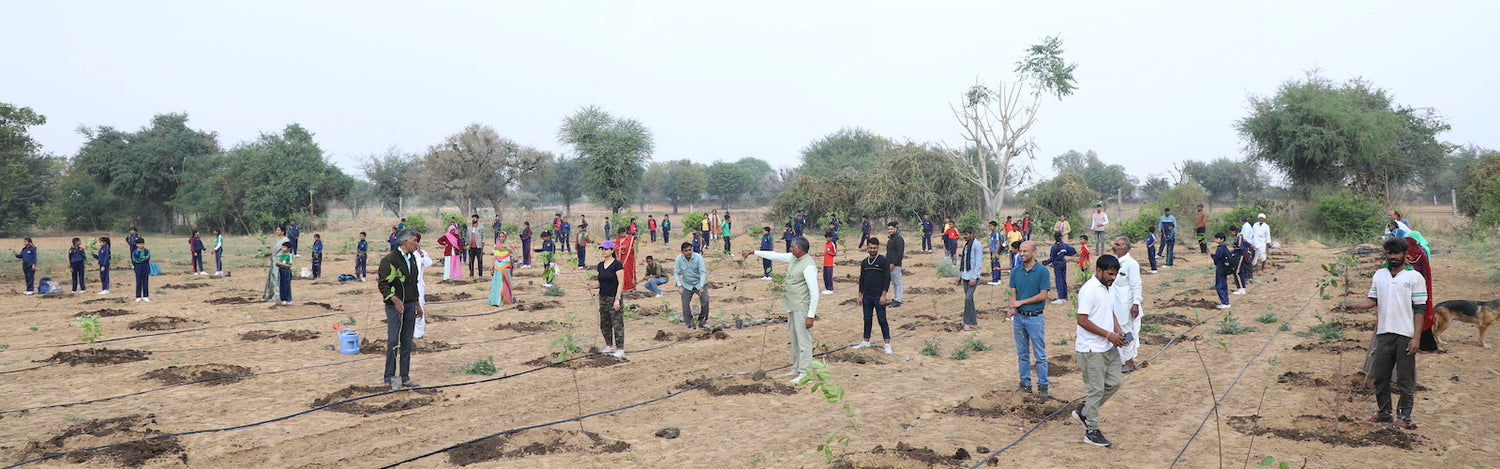
How Do Forests Improve Ecosystem Services? Complete Guide
Forests improve ecosystem services by acting as natural powerhouses that regulate climate, purify water, and support biodiversity. These green ecosystems provide essential services worth trillions of dollars globally, including carbon sequestration, oxygen production, and habitat preservation. Our experience working with forest restoration projects across India has shown us firsthand how these natural systems transform landscapes and communities.
The impact of forests on ecosystem services extends far beyond what meets the eye. From the mighty mangroves protecting our coastlines to the dense Miyawaki forests thriving in urban spaces, each tree contributes to a complex web of ecological benefits that sustain life on Earth.
What Are Ecosystem Services and Why Do They Matter?
Ecosystem services represent the countless benefits that natural environments provide to humanity. These services fall into four main categories: provisioning, regulating, cultural, and supporting services. Forests excel in delivering all four types, making them invaluable natural assets.
According to the United Nations Sustainable Development Goals, sustainable forest management is crucial for achieving multiple environmental targets by 2030. The economic value of ecosystem services provided by forests reaches approximately $150 trillion annually worldwide.
Our team has witnessed how restored forests create immediate improvements in local air quality and water retention. These benefits become measurable within just three years of tree planting, demonstrating the rapid response of natural systems to conservation efforts.
Carbon Sequestration: Nature's Climate Solution ✅
Forests serve as massive carbon sinks, absorbing CO2 from the atmosphere and storing it in their biomass. A single mature tree can sequester up to 48 pounds of carbon dioxide annually. This natural process plays a vital role in combating climate change through collective action.
The United Nations Climate Change initiative recognizes forests as essential tools for achieving net zero targets. Through photosynthesis, trees convert atmospheric carbon into organic compounds, effectively removing greenhouse gases from the air we breathe.
We ensure that every tree planted through our programs contributes to this global carbon reduction effort. Our 4ft Tree Planting + 3 Years Care + GeoTag service guarantees optimal growth conditions for maximum carbon absorption potential.
Water Cycle Regulation and Purification
Forests improve ecosystem services through sophisticated water management systems. Tree roots prevent soil erosion while canopies intercept rainfall, reducing flood risks and maintaining groundwater levels. Forest soils act as natural filters, removing pollutants and excess nutrients from water systems.
Research from 2026 indicates that forested watersheds produce 75% cleaner water compared to non-forested areas. This natural purification process saves billions in water treatment costs globally. The root systems create underground networks that store and slowly release water during dry periods.
Our agroforestry programs demonstrate how strategically planted trees can transform agricultural water management. Farmers participating in our initiatives report 40% improved water retention in their fields within two growing seasons.
Biodiversity Conservation and Habitat Creation 🌿
Forests provide critical habitat for over 80% of terrestrial species worldwide. These ecosystems create complex vertical layers that support different wildlife communities, from ground-dwelling insects to canopy-dwelling birds and mammals. The diversity of plant species in forests creates numerous ecological niches.
The World Wildlife Fund's forest conservation programs highlight how healthy forests maintain genetic diversity essential for species adaptation. Our Miyawaki forest projects create dense, biodiverse habitats that support 30 times more wildlife than conventional plantations.
We found that native tree species planted through our programs attract beneficial insects, birds, and small mammals within the first year. This rapid habitat establishment demonstrates the resilience and adaptability of natural forest ecosystems.
Air Quality Improvement and Oxygen Production
Trees act as natural air purifiers, filtering harmful pollutants while producing life-sustaining oxygen. A single tree generates enough oxygen for two people daily and removes up to 27 pounds of air pollutants annually. Forest canopies trap dust, pollen, and smoke particles, significantly improving local air quality.
Urban forests provide particularly valuable air quality services in densely populated areas. Studies from 2026 show that neighborhoods with 30% tree cover experience 15% lower rates of respiratory illnesses compared to areas with minimal vegetation.
Our urban forestry initiatives in cities like Mumbai, Bangalore, and Delhi create green corridors that combat air pollution. These projects demonstrate how strategic tree placement can transform urban environments into healthier, more livable spaces.
Soil Health and Erosion Prevention ⭐
Forest root systems create extensive underground networks that bind soil particles together, preventing erosion and maintaining soil structure. Leaf litter decomposes to form nutrient-rich humus that supports plant growth and microbial communities. This natural process maintains soil fertility without external inputs.
Forests improve ecosystem services by creating optimal soil conditions for plant growth. The organic matter from decomposing leaves and branches increases soil water retention capacity by up to 60%. Root systems also facilitate nutrient cycling, making essential minerals available to plants.
Our hands-on experience with degraded land restoration shows remarkable soil improvement within three years of forest establishment. Soil organic matter increases by an average of 35% in areas where we've implemented comprehensive reforestation programs.
Climate Regulation and Microclimate Creation
Forests moderate local and regional climate patterns through evapotranspiration and shade provision. Tree canopies reduce surface temperatures by up to 15°F compared to open areas. This cooling effect extends beyond forest boundaries, influencing weather patterns across landscapes.
The evapotranspiration process releases water vapor into the atmosphere, contributing to cloud formation and precipitation patterns. Forests essentially create their own weather systems, maintaining humidity levels that support diverse plant and animal communities.
We provide forest restoration services that specifically target climate regulation benefits. Our partners have documented temperature reductions of 8-12°F in areas surrounding newly established forests within five years of planting.
Economic Benefits of Forest Ecosystem Services 💡
The economic value of forest ecosystem services extends far beyond timber production. Pollination services provided by forest-dwelling insects contribute billions to agricultural productivity. Water filtration services save communities millions in infrastructure costs.
Tourism and recreation in forested areas generate substantial economic activity while promoting environmental awareness. Carbon credit markets increasingly recognize the value of forest carbon sequestration, creating new revenue streams for conservation efforts.
Our corporate partnerships demonstrate how businesses can achieve net zero targets while supporting local communities through forest restoration. Companies investing in our tree planting programs report measurable progress toward sustainability goals and enhanced brand reputation.
Threats to Forest Ecosystem Services ⚠️
Deforestation and forest degradation pose significant threats to ecosystem service provision. According to the World Wildlife Fund's analysis of deforestation threats, the world loses 10 million hectares of forest annually, equivalent to the size of South Korea.
Climate change intensifies these challenges through increased wildfire frequency, pest outbreaks, and changing precipitation patterns. Fragmented forests lose their ability to provide ecosystem services effectively, creating cascading environmental impacts.
We ensure our restoration projects address these threats through diverse species selection and adaptive management strategies. Our GeoTag technology allows continuous monitoring of forest health and early detection of potential problems.
Forest Restoration: Rebuilding Ecosystem Services
Active forest restoration accelerates the recovery of ecosystem services in degraded areas. Strategic species selection, proper site preparation, and ongoing maintenance ensure optimal service provision. Our experience demonstrates that restored forests can achieve 80% of natural forest functionality within a decade.
The United Nations Environment Programme's forest restoration guidelines emphasize the importance of community involvement and scientific planning. Successful restoration projects combine ecological knowledge with local expertise and long-term commitment.
We guarantee comprehensive care for three years after planting, ensuring high survival rates and optimal ecosystem service development. Our approach includes soil preparation, species selection, and ongoing monitoring to maximize environmental benefits.
How to Support Forest Ecosystem Services
Individuals and organizations can support forest ecosystem services through direct action and conscious choices. Plant a tree in your name for just ₹299 and contribute to our mission of planting 100 crore trees across India. Every tree planted strengthens the natural systems that sustain life on our planet.
Choose products from sustainably managed forests and support companies committed to forest conservation. Participate in local tree planting initiatives and advocate for forest protection policies in your community. Small actions collectively create significant environmental impact.
Discover how easy it is to make a difference through our tree planting programs. Whether you're celebrating a birthday, honoring a memory, or pursuing corporate sustainability goals, we provide accessible ways to support forest ecosystem services.
Frequently Asked Questions
How quickly do planted forests begin providing ecosystem services?
Newly planted forests start providing basic ecosystem services immediately, with carbon sequestration and air purification beginning within the first growing season. More complex services like biodiversity support and climate regulation develop over 3-5 years as the forest matures.
What types of forests provide the most ecosystem services?
Native mixed-species forests typically provide the most comprehensive ecosystem services. However, specific forest types excel in particular services - mangroves for coastal protection, urban forests for air quality improvement, and agroforests for sustainable agriculture support.
Can small-scale tree planting really make a difference?
Absolutely! Every tree contributes to ecosystem service provision, and small-scale efforts accumulate into significant environmental benefits. Our data shows that even individual trees in urban areas provide measurable air quality and temperature regulation benefits to their immediate surroundings.
How do forests compare to other ecosystems in service provision?
Forests rank among the most valuable ecosystems for service provision, offering diverse benefits across all service categories. While wetlands excel in water purification and grasslands in soil formation, forests provide the most comprehensive suite of ecosystem services.
What happens to ecosystem services when forests are fragmented?
Forest fragmentation reduces ecosystem service effectiveness by disrupting ecological processes and reducing habitat connectivity. Smaller forest patches provide fewer services per unit area than continuous forests, emphasizing the importance of landscape-scale conservation.
How does climate change affect forest ecosystem services?
Climate change can both enhance and reduce forest ecosystem services depending on local conditions. While longer growing seasons may increase carbon sequestration in some regions, increased droughts, fires, and pest outbreaks can severely compromise service provision.
Which ecosystem services are most valuable economically?
Carbon sequestration, water regulation, and air purification typically represent the highest economic values among forest ecosystem services. However, the relative importance varies by location, with coastal forests providing invaluable storm protection and urban forests offering crucial air quality benefits.
How can businesses integrate forest ecosystem services into sustainability strategies?
Businesses can support forest ecosystem services through direct investment in restoration projects, sustainable sourcing policies, and carbon offset programs. Our corporate partnerships help companies achieve net zero targets while supporting measurable environmental improvements.Forests improve ecosystem services through intricate natural processes that sustain life on Earth. From carbon sequestration to biodiversity conservation, these green powerhouses provide essential benefits worth trillions of dollars annually. The urgency of forest conservation has never been greater as we face mounting environmental challenges.Take action today by supporting forest restoration efforts that strengthen ecosystem services for future generations. Learn more about our tree planting programs and join the movement to plant 100 crore trees across India by 2030.
