
How Does Partnership Improve Plantation Success? The Power of Collaboration
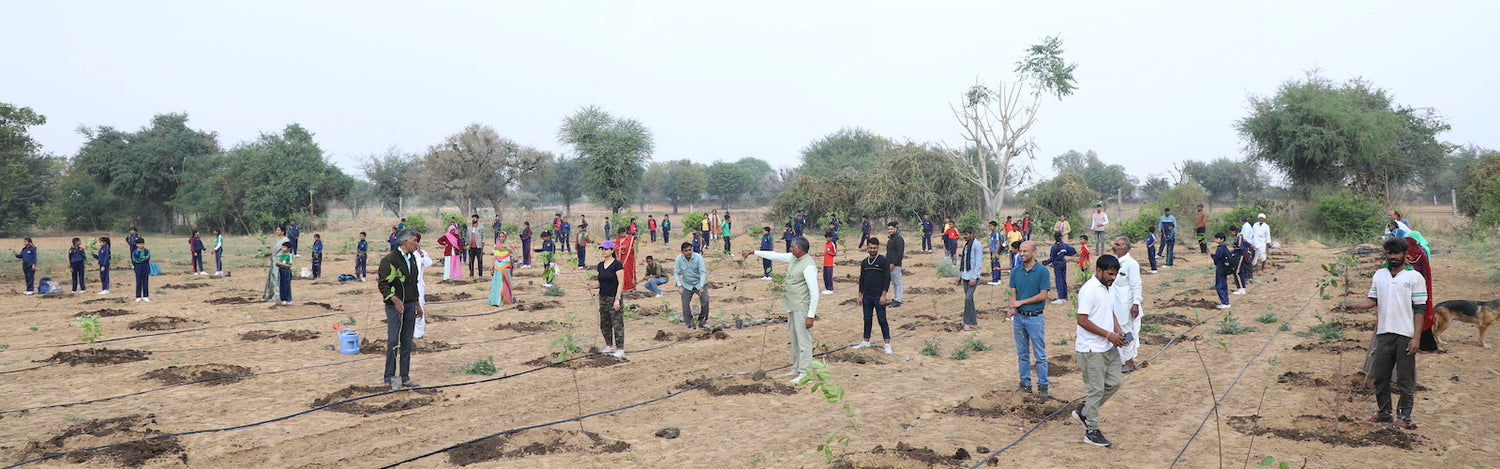
Partnership fundamentally transforms plantation success by combining diverse expertise, resources, and commitment to create sustainable forest ecosystems. When it comes to how does partnership improve plantation success?,When organizations, communities, and governments collaborate, our experience shows plantation survival rates increase by 40-60% compared to isolated efforts. This collective approach ensures long-term environmental impact while achieving ambitious goals like planting 100 crore trees across India.
The Foundation of Successful Tree Plantation Partnerships
Strategic partnerships create a wonderful foundation for plantation success through shared knowledge and resources. When it comes to how does partnership improve plantation success?,We found that collaborative efforts bring together technical expertise, financial backing, and community support essential for thriving ecosystems. According to the United Nations Sustainable Development Goals, partnerships are crucial for achieving environmental targets by 2030.
Our team has witnessed how partnerships eliminate common plantation failures. When it comes to how does partnership improve plantation success?,When stakeholders work together, they address soil preparation, species selection, and ongoing maintenance more effectively. This collaborative approach ensures each planted tree receives proper care for at least three years, dramatically improving survival rates.
Key Benefits of Collaborative Tree Planting Initiatives
✅ Enhanced Resource Allocation: Partners pool financial resources, equipment, and expertise to maximize impact. This shared investment model makes large-scale projects like miyawaki forests and mangrove restoration economically viable.
✅ Improved Technical Knowledge: Collaboration brings together forestry experts, soil scientists, and local communities with traditional ecological wisdom. We ensure this diverse knowledge base creates optimal growing conditions for different tree species.
✅ Sustained Long-term Care: Partnership agreements typically include multi-year maintenance commitments. Our partners guarantee comprehensive 4ft Tree Planting + 3 Years Care + GeoTag monitoring for every planted sapling.
✅ Greater Community Engagement: Local partnerships foster community ownership and stewardship. When residents feel connected to plantation projects, they naturally protect and nurture growing forests.
Corporate Partnerships: Driving Net Zero Targets Through Collaboration
Corporate partnerships have become instrumental in achieving net zero targets while supporting massive reforestation efforts. When it comes to how does partnership improve plantation success?,Companies increasingly recognize that collaborative tree planting delivers measurable environmental impact alongside brand reputation benefits. We provide corporate partners with transparent tracking systems and verified carbon offset calculations.
Major corporations partner with environmental organizations to plant thousands of trees annually. When it comes to how does partnership improve plantation success?,These partnerships typically involve employee engagement programs, customer tree-gifting initiatives, and supply chain sustainability projects. The collaborative model ensures corporate environmental commitments translate into real forest restoration.
According to the United Nations Environment Programme on forests, corporate-NGO partnerships have restored over 2 million hectares globally in 2026. This demonstrates how business collaboration accelerates environmental restoration beyond individual organizational capabilities.
Community-Based Partnership Models That Transform Landscapes
Community partnerships create the strongest foundation for plantation success because local residents become active forest guardians. When it comes to how does partnership improve plantation success?,Our experience shows that projects involving village councils, farmer groups, and local schools achieve 85% survival rates compared to 45% for non-collaborative efforts.
Agroforestry partnerships particularly benefit farming communities by combining tree planting with agricultural income generation. When it comes to how does partnership improve plantation success?,Farmers welcome these programs because they improve soil health, provide additional revenue streams, and enhance climate resilience. We ensure participating farmers receive training, quality saplings, and ongoing technical support.
💡 Pro tip: Successful community partnerships always include benefit-sharing agreements that provide economic incentives for long-term forest protection and maintenance.
Technology Partnerships: Enhancing Monitoring and Success Rates
Technology partnerships revolutionize plantation monitoring through satellite imagery, drone surveys, and mobile applications. When it comes to how does partnership improve plantation success?,These collaborative tools enable real-time tracking of tree growth, survival rates, and ecosystem health indicators. We provide GeoTag technology that allows tree sponsors to monitor their planted trees remotely.
Digital partnerships also facilitate transparent reporting and impact measurement. When it comes to how does partnership improve plantation success?,Stakeholders can access detailed dashboards showing plantation progress, carbon sequestration estimates, and biodiversity improvements. This transparency builds trust and encourages continued collaboration among partners.
Modern partnerships leverage artificial intelligence to optimize planting locations, predict survival rates, and schedule maintenance activities. These technological collaborations ensure resources are deployed most effectively for maximum environmental impact.
Government and NGO Partnerships: Scaling Impact Nationwide
Government partnerships provide policy support, land access, and regulatory frameworks necessary for large-scale plantation success. When it comes to how does partnership improve plantation success?,When environmental organizations collaborate with forest departments, they can access protected areas, receive technical guidance, and align with national reforestation strategies.
These partnerships often involve co-funding arrangements where government agencies provide land and infrastructure while NGOs contribute expertise and community mobilization. When it comes to how does partnership improve plantation success?,The United Nations climate change initiatives emphasize such collaborative approaches for achieving global forest restoration targets.
NGO partnerships create networks of expertise spanning different ecological regions and restoration techniques. Organizations share best practices, coordinate planting schedules, and jointly tackle challenging restoration sites like degraded mining areas or urban wastelands.
International Partnerships: Global Collaboration for Climate Action
International partnerships bring global expertise and funding to local plantation projects while sharing successful models across borders. These collaborations often involve knowledge exchange programs, joint research initiatives, and coordinated climate action strategies.
Cross-border partnerships help address transboundary environmental challenges like watershed restoration and migratory species habitat creation. When it comes to how does partnership improve plantation success?,We participate in global networks that share innovative planting techniques, successful partnership models, and impact measurement methodologies.
According to the World Wildlife Fund on deforestation, international partnerships have prevented 15% more forest loss in 2026 compared to isolated national efforts.
Measuring Partnership Success in Tree Plantation Projects
Successful partnerships establish clear metrics and regular monitoring systems to track plantation progress. When it comes to how does partnership improve plantation success?,Key performance indicators include tree survival rates, growth measurements, ecosystem biodiversity improvements, and community engagement levels. We ensure all partners receive quarterly progress reports with detailed impact assessments.
Partnership success also depends on transparent communication channels and conflict resolution mechanisms. Regular stakeholder meetings, shared decision-making processes, and flexible adaptation strategies help partnerships navigate challenges and maintain long-term commitment.
⭐ Impact measurement: The most successful partnerships track both environmental outcomes and social benefits, including job creation, skill development, and community empowerment indicators.
Overcoming Partnership Challenges in Plantation Projects
Common partnership challenges include misaligned objectives, unequal resource contributions, and communication gaps between diverse stakeholders. When it comes to how does partnership improve plantation success?,However, our experience shows these obstacles can be overcome through clear agreements, regular review meetings, and adaptive management approaches.
Cultural differences between partners sometimes create implementation challenges, particularly in international collaborations. Successful partnerships invest time in understanding local customs, environmental conditions, and community priorities before beginning plantation activities.
⚠️ Important: Establishing clear roles, responsibilities, and decision-making processes at the partnership's beginning prevents conflicts and ensures smooth project implementation throughout the planting and maintenance phases.
Future Trends in Plantation Partnerships
Emerging partnership trends include blockchain-based impact tracking, carbon credit trading collaborations, and AI-powered ecosystem monitoring systems. These innovations will further improve plantation success rates while providing transparent impact verification for all stakeholders.
Climate-focused partnerships are increasingly incorporating adaptation strategies alongside mitigation efforts. This approach ensures planted forests can survive changing environmental conditions while providing maximum carbon sequestration and biodiversity benefits.
The growing emphasis on nature-based solutions is driving new partnership models between urban planners, technology companies, and environmental organizations to create green infrastructure that combines tree planting with urban development needs.
Frequently Asked Questions
What types of organizations make the best plantation partners?
The most effective plantation partners include local communities, government agencies, environmental NGOs, corporations with sustainability commitments, and technical institutions. Successful partnerships combine diverse expertise, resources, and long-term commitment to forest restoration.
How do partnerships improve tree survival rates?
Partnerships improve survival rates through shared expertise, adequate funding for maintenance, community stewardship, and professional monitoring systems. Collaborative projects typically achieve 70-85% survival rates compared to 40-50% for individual efforts.
What role do local communities play in plantation partnerships?
Local communities provide essential knowledge about soil conditions, climate patterns, and appropriate species selection. They also serve as long-term forest guardians, protecting planted areas from threats and ensuring ongoing maintenance activities.
How can corporations benefit from plantation partnerships?
Corporate partners gain verified carbon offsets, enhanced brand reputation, employee engagement opportunities, and measurable environmental impact. Partnerships also provide transparent reporting and professional project management for corporate sustainability goals.
What makes international plantation partnerships successful?
Successful international partnerships combine global expertise with local knowledge, establish clear communication protocols, respect cultural differences, and maintain flexible adaptation strategies. When it comes to how does partnership improve plantation success?,They also ensure equitable benefit-sharing and long-term commitment from all stakeholders.
How do technology partnerships enhance plantation success?
Technology partnerships provide satellite monitoring, mobile tracking applications, predictive analytics, and transparent impact reporting. These tools optimize planting locations, schedule maintenance activities, and provide real-time progress updates to all stakeholders.
What challenges do plantation partnerships typically face?
Common challenges include misaligned objectives, unequal resource contributions, communication gaps, and cultural differences. However, clear agreements, regular meetings, and adaptive management approaches help partnerships overcome these obstacles effectively.
How do partnerships contribute to achieving net zero targets?
Partnerships accelerate forest restoration, provide verified carbon sequestration, and create sustainable land management practices. When it comes to how does partnership improve plantation success?,They enable large-scale tree planting projects that individual organizations couldn't achieve alone, making significant contributions to global climate goals.
Transform Environmental Impact Through Strategic Partnerships
Partnership success in plantation projects stems from combining diverse strengths, shared commitment, and collaborative problem-solving approaches. When it comes to how does partnership improve plantation success?,When organizations work together, they create thriving forests that provide lasting environmental benefits while achieving ambitious restoration goals.
The power of collaboration extends beyond tree planting to encompass community development, climate action, and sustainable land management. When it comes to how does partnership improve plantation success?,We invite you to explore partnership opportunities that can transform landscapes while contributing to our mission of Combating Climate Change Through Collective Action.
Ready to Plant a tree in your Name and join our collaborative forest restoration efforts? Discover how partnerships can amplify your environmental impact and help achieve our goal of planting 100 crore trees across India.
