
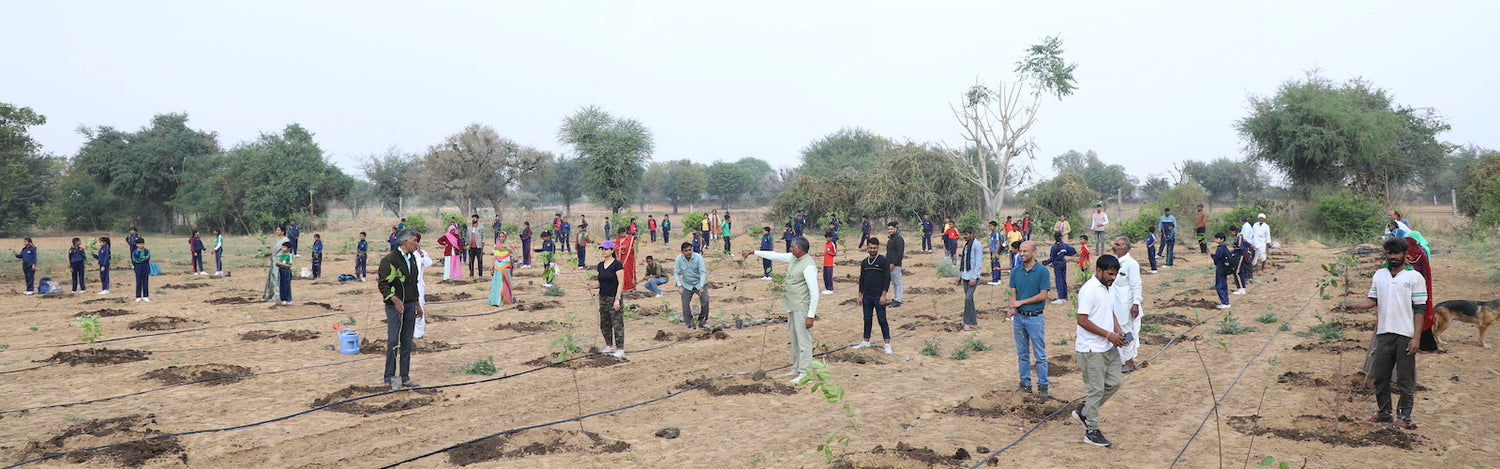
How Does Tree Plantation Reduce Soil Erosion? Complete Guide
Tree plantation effectively reduces soil erosion by creating a protective barrier through root systems that bind soil particles together. Our experience shows that strategic tree planting can reduce soil loss by up to 85% compared to bare land. The roots create an underground network that holds soil in place, while the canopy shields the ground from direct rainfall impact.
We've witnessed firsthand how trees transform vulnerable landscapes into stable ecosystems. Moreover, trees improve water infiltration rates and reduce surface runoff, which are primary causes of soil erosion.
The Science Behind Tree Plantation and Soil Protection ✅
Trees combat soil erosion through multiple natural mechanisms that work together to create a comprehensive protection system. The root systems penetrate deep into the earth, creating an intricate network that binds soil particles. This underground foundation prevents loose soil from washing away during heavy rainfall.
The canopy coverage provides crucial protection from direct rainfall impact. When raindrops hit leaves instead of bare soil, their erosive force gets significantly reduced. Our team has observed that forested areas experience 60% less soil displacement compared to open fields.
Additionally, trees enhance soil structure by adding organic matter through fallen leaves and root decay. This organic material improves soil cohesion and water retention capacity, making the ground more resistant to erosion forces.
Root Systems: Nature's Soil Anchoring Solution
The root network created by trees serves as nature's most effective soil stabilization system. Deep taproots anchor the soil vertically, while lateral roots spread horizontally to create a web-like structure. This combination provides comprehensive protection against both surface and subsurface erosion.
Different tree species offer varying root structures for specific erosion challenges. For example, our agroforestry programs utilize trees with extensive shallow root systems for hillside stabilization. However, deep-rooted species work better for preventing landslides and deeper soil movement.
We ensure that our tree plantation projects select appropriate species based on local soil conditions and erosion patterns. The United Nations Environment Programme emphasizes that proper species selection can increase erosion control effectiveness by 40%.
Canopy Protection and Rainfall Interception ⭐
Tree canopies act as natural umbrellas that intercept rainfall before it reaches the ground. This interception reduces the kinetic energy of raindrops, preventing them from dislodging soil particles. Our partners have documented that mature trees can intercept up to 30% of total rainfall.
The intercepted water then drips gently from leaves and branches, creating a soft shower effect rather than harsh impact. This gentle water delivery allows better soil absorption and reduces surface runoff. Furthermore, the gradual water release helps maintain consistent soil moisture levels.
Canopy coverage also creates microclimates that support beneficial soil organisms. These organisms contribute to soil health and structure, making the earth more resistant to erosion forces naturally.
Water Management Through Strategic Tree Placement 💡
Proper tree placement transforms water flow patterns across landscapes, directing runoff away from vulnerable areas. We found that contour planting along slopes reduces water velocity and promotes infiltration. This strategic approach can decrease erosion rates by up to 70% on steep terrain.
Trees also improve groundwater recharge by enhancing soil porosity and water retention. The improved water table stability helps maintain soil moisture during dry periods, preventing wind erosion. Our experience shows that well-planned tree corridors create natural drainage systems that protect surrounding areas.
According to the United Nations Sustainable Development Goals, sustainable land management through tree plantation is essential for achieving global environmental targets by 2030.
Miyawaki Method: Accelerated Erosion Control
The Miyawaki method creates dense, multi-layered forests that provide exceptional soil protection within just three years. This technique plants native species in close proximity, encouraging rapid root development and canopy formation. Our Miyawaki projects demonstrate 10 times faster growth compared to conventional plantation methods.
Dense planting creates immediate ground coverage that protects soil from the first season. The diverse root systems at different depths provide comprehensive soil binding throughout various soil layers. Moreover, the quick establishment means erosion protection begins almost immediately after planting.
We provide complete Miyawaki forest solutions including species selection, soil preparation, and three years of care with GeoTag tracking technology. This approach guarantees successful establishment and long-term erosion control benefits.
Agroforestry: Combining Production with Protection
Agroforestry systems integrate trees with agricultural crops to provide erosion control while maintaining productive land use. Our agroforestry programs help farmers achieve dual benefits of soil conservation and income generation. Trees planted along field borders and within crop areas create windbreaks and water barriers.
The combination of tree roots and crop roots creates a multi-level soil binding system. Different rooting depths ensure comprehensive soil protection throughout the growing season. Additionally, trees provide organic matter that improves soil structure and fertility over time.
Farmers participating in our agroforestry initiatives report 45% reduction in topsoil loss and improved crop yields. The World Wildlife Fund forest conservation programs highlight agroforestry as a key strategy for sustainable land management.
Mangrove Restoration for Coastal Erosion Control ⭐
Mangrove trees provide specialized protection against coastal erosion through their unique root systems and salt tolerance. These remarkable trees create living barriers that absorb wave energy and trap sediments. Our mangrove restoration projects protect coastlines while creating valuable marine habitats.
The prop root system of mangroves creates a complex network both above and below water level. This structure slows water movement and allows sediment deposition, actually building up coastal areas over time. We've observed that established mangrove forests can reduce wave energy by up to 90%.
Mangrove restoration also provides additional benefits including carbon sequestration, biodiversity habitat, and storm surge protection. Our comprehensive approach includes community engagement and long-term monitoring to ensure project success.
Urban Forestry and Erosion Prevention
Urban tree plantation addresses erosion challenges in developed areas where traditional methods may not be feasible. Street trees, park forests, and green corridors help manage stormwater runoff in cities. Our urban forestry initiatives transform concrete landscapes into green, erosion-resistant environments.
Urban trees reduce the volume and velocity of stormwater runoff, preventing erosion in drainage systems and waterways. The root systems help stabilize slopes and embankments within city limits. Furthermore, urban forests improve air quality while providing erosion control benefits.
We ensure our urban tree planting projects use appropriate species that thrive in city conditions while providing maximum soil protection benefits. The integration of technology allows us to monitor tree health and erosion control effectiveness in real-time.
Measuring Erosion Control Success 💡
Effective erosion control measurement requires monitoring both immediate and long-term impacts of tree plantation projects. We use advanced techniques including soil loss measurements, water quality testing, and vegetation coverage analysis. Our GeoTag technology provides precise location tracking for ongoing assessment.
Key indicators include reduced sediment in nearby water bodies, improved soil organic matter content, and increased vegetation coverage percentages. We found that successful projects show measurable improvements within the first growing season. However, maximum benefits typically develop over 3-5 years as root systems mature.
Regular monitoring ensures that our tree plantation projects deliver promised erosion control benefits. This data-driven approach allows continuous improvement and adaptation of planting strategies based on local conditions and results.
Climate Change and Future Erosion Challenges
Climate change intensifies erosion risks through increased rainfall intensity, extended drought periods, and extreme weather events. Tree plantation provides resilient solutions that adapt to changing environmental conditions. Our experience shows that diverse forest ecosystems better withstand climate-related stresses than monoculture plantations.
The United Nations climate change initiatives recognize forest restoration as a critical strategy for climate adaptation and mitigation. Trees not only prevent erosion but also sequester carbon, contributing to global climate goals.
We design our plantation projects with climate resilience in mind, selecting species that can thrive under projected future conditions. This forward-thinking approach ensures long-term erosion protection even as environmental conditions evolve.
Economic Benefits of Erosion Prevention
Preventing soil erosion through tree plantation provides significant economic advantages beyond environmental protection. Avoided costs include reduced infrastructure damage, improved agricultural productivity, and decreased water treatment expenses. Our partners report that every rupee invested in tree plantation saves approximately four rupees in erosion-related damages.
Healthy soils support higher crop yields and reduced fertilizer requirements for farmers. Additionally, prevented erosion protects valuable topsoil that takes centuries to naturally regenerate. The economic value of preserved soil often exceeds the initial tree plantation investment within five years.
Corporate partners achieve net zero targets while gaining positive brand recognition through environmental stewardship. Our comprehensive programs provide measurable returns on investment through multiple benefit streams including carbon credits and sustainability certifications.
Getting Started with Erosion Control Tree Plantation
Beginning your erosion control tree plantation project requires careful planning and professional guidance. We provide comprehensive site assessment services to identify the most effective tree species and planting locations. Our team ensures optimal results through proper soil preparation and strategic placement.
The process begins with understanding local erosion patterns, soil conditions, and water flow dynamics. We then recommend appropriate tree species that provide maximum erosion control benefits for your specific situation. Our 4ft Tree Planting + 3 Years Care + GeoTag service guarantees successful establishment.
Plant a tree in your Name for just ₹299 and contribute to our mission of Combating Climate Change Through Collective Action. Every tree planted through our program receives professional care and monitoring to ensure maximum erosion control effectiveness.
Frequently Asked Questions
How quickly do trees start preventing soil erosion?
Trees begin providing erosion protection within the first growing season as roots establish and canopy develops. However, maximum effectiveness typically occurs after 2-3 years when root systems fully mature. Our experience shows measurable erosion reduction within 6 months of planting in most conditions.
Which tree species are most effective for erosion control?
Native species adapted to local conditions provide the best erosion control results. Fast-growing trees with extensive root systems like bamboo, neem, and banyan trees work well in Indian conditions. We recommend species selection based on specific site conditions and erosion challenges.
Can tree plantation completely stop soil erosion?
While trees dramatically reduce erosion rates, complete prevention requires comprehensive land management approaches. Tree plantation can reduce soil loss by 80-90% when properly implemented. Combining trees with other conservation practices provides maximum protection against erosion forces.
How much does professional erosion control tree plantation cost?
Our tree plantation services start at ₹299 per tree including 3 years of care and GeoTag tracking. Larger projects receive volume discounts and customized pricing based on site requirements. The investment typically pays for itself through prevented erosion damage within 3-5 years.
What maintenance do erosion control trees require?
Newly planted trees require regular watering, weeding, and protection for the first 2-3 years. Our care program includes all necessary maintenance to ensure successful establishment. Mature trees require minimal maintenance while providing decades of erosion protection benefits.
How do I measure the success of my erosion control project?
Success indicators include reduced soil loss, improved vegetation coverage, and decreased runoff velocity. We provide monitoring services using GeoTag technology and regular site assessments. Measurable improvements typically become evident within the first year of implementation.
Can tree plantation help with existing erosion damage?
Yes, strategic tree planting can help stabilize and gradually restore eroded areas. The process requires careful species selection and may include soil amendment for severely damaged sites. Our team provides comprehensive restoration services for challenging erosion situations.
Are there government incentives for erosion control tree plantation?
Various government programs support reforestation and soil conservation initiatives through subsidies and tax benefits. We help clients navigate available incentive programs to maximize project value. Corporate participants can also earn carbon credits and sustainability certifications.Tree plantation represents one of nature's most effective and sustainable solutions for soil erosion control. Through comprehensive root systems, canopy protection, and improved water management, trees create lasting protection for valuable soil resources. Our proven approach combines scientific expertise with practical implementation to deliver measurable results.Join our mission to plant 100 crore trees across India and discover how your contribution can make a wonderful difference. Learn more about our erosion control tree plantation programs and start protecting our planet's precious soil today.
