How Many Trees Per Square Meter in Miyawaki Method? Complete Guide
The Miyawaki method plants 3-5 trees per square meter, creating dense, natural forests that grow 10 times faster than traditional plantations. This revolutionary technique transforms small urban spaces into thriving ecosystems. Our experience with implementing Miyawaki forests across India shows remarkable success in creating sustainable green spaces.
Developed by Japanese botanist Akira Miyawaki, this method mimics natural forest succession. The high-density planting creates a competitive environment that accelerates growth. We've witnessed how this approach transforms barren land into lush forests within just three years.
Understanding Miyawaki Forest Density ✅
The optimal planting density for Miyawaki forests is carefully calculated. We plant between 3-5 saplings per square meter, depending on the species and local conditions. This density ensures proper competition while preventing overcrowding.
Our team has found that this spacing allows each tree to develop strong root systems. The close proximity encourages vertical growth rather than horizontal expansion. This creates the characteristic tall, dense canopy of Miyawaki forests.
According to the United Nations Environment Programme on forests, dense plantations like Miyawaki forests contribute significantly to carbon sequestration and biodiversity restoration. The high tree density maximizes these environmental benefits in minimal space.
Species Selection and Spacing Strategy ⭐
Successful Miyawaki implementation requires careful species selection. We choose native trees that naturally occur in the region's climax forest community. This ensures long-term sustainability and ecological balance.
The species are categorized into four layers: shrub, sub-tree, tree, and canopy layers. Each layer occupies different vertical spaces, maximizing the use of available sunlight and nutrients. Our partners help identify the perfect mix for each location.
We ensure that fast-growing pioneer species are planted alongside slower-growing climax species. This creates natural succession patterns that lead to stable forest ecosystems. The initial high density gradually reduces as weaker trees naturally thin out.
Benefits of High-Density Planting 💡
High-density planting in Miyawaki forests offers numerous advantages. The trees compete for sunlight, encouraging rapid vertical growth. This results in forests that reach maturity 10 times faster than conventional plantations.
Dense planting also improves soil quality through increased organic matter. The competing root systems create extensive underground networks. These networks enhance water retention and nutrient cycling throughout the ecosystem.
The United Nations climate change initiative recognizes that dense forest plantations like Miyawaki forests are crucial for combating climate change through collective action. The high tree density maximizes carbon absorption per unit area.
Implementation Process Step-by-Step ➡️
Creating a Miyawaki forest begins with thorough soil preparation. We analyze the soil composition and add organic amendments to improve fertility. The soil preparation phase is crucial for supporting the high-density plantation.
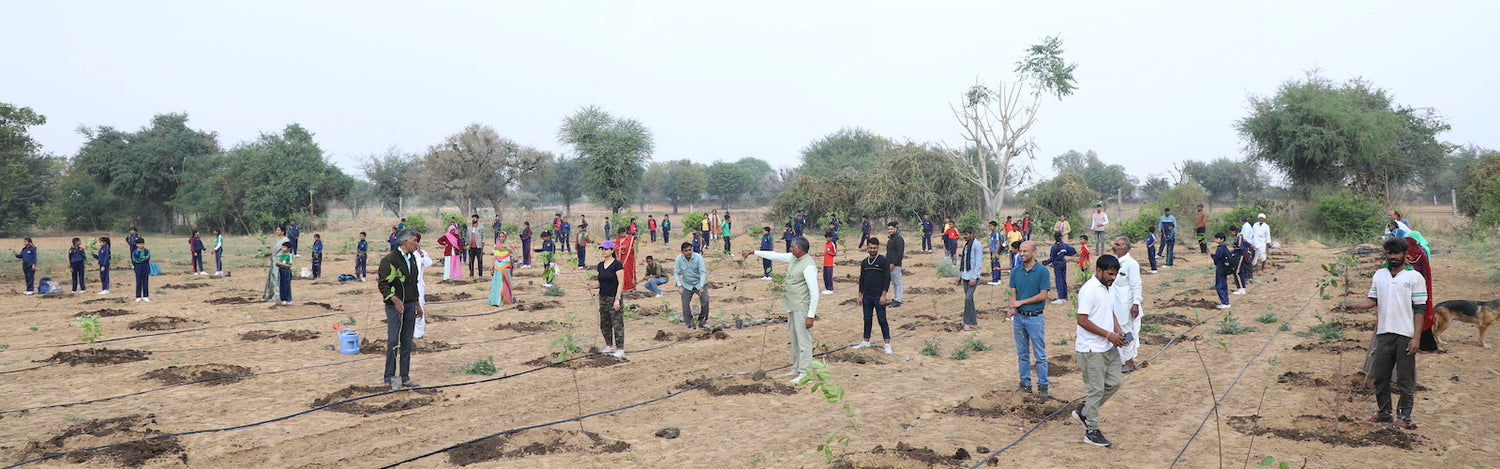
Next, we mark the planting positions using a grid system. Each square meter receives 3-5 saplings based on the species requirements. We ensure proper spacing to prevent immediate competition while maintaining the desired density.
The planting process involves careful placement of different species layers. Shrubs and sub-trees are planted first, followed by larger tree species. This systematic approach ensures optimal forest structure development.
Our experience shows that proper mulching after planting is essential. We apply a thick layer of organic mulch to retain moisture and suppress weeds. This supports the young saplings during their critical establishment period.
Maintenance and Care Requirements
Miyawaki forests require intensive care for the first three years. We provide comprehensive maintenance including regular watering, weeding, and monitoring. Our 4ft Tree Planting + 3 Years Care + GeoTag service ensures successful forest establishment.
Watering is crucial during the first two years when root systems are developing. We ensure consistent moisture levels without waterlogging. The high density means competition for water resources, making proper irrigation essential.
Weeding prevents invasive species from disrupting the carefully planned ecosystem. We remove competing vegetation that could hinder the growth of planted saplings. After three years, the forest becomes self-sustaining and requires minimal intervention.
Success Factors for Optimal Results ⭐
Several factors determine the success of high-density Miyawaki plantations. Proper site selection is fundamental, considering factors like soil quality, water availability, and microclimate conditions. We evaluate each location thoroughly before implementation.
Species diversity is another critical factor. We typically include 15-30 native species in each Miyawaki forest. This diversity ensures ecological stability and resilience against pests and diseases.
Community involvement enhances long-term success. We engage local communities in the planting and maintenance process. This creates ownership and ensures continued care for the forest ecosystem.
Comparing Miyawaki to Traditional Methods
Traditional tree planting typically uses 1-2 trees per square meter with regular spacing. In contrast, Miyawaki method's 3-5 trees per square meter creates dramatically different outcomes. The higher density leads to faster growth and better ecological benefits.
Conventional plantations often focus on single species for commercial purposes. Miyawaki forests prioritize biodiversity and ecological restoration. This approach creates more resilient ecosystems that support various wildlife species.
The World Wildlife Fund's forest conservation initiatives emphasize the importance of diverse, dense forests for biodiversity protection. Miyawaki method aligns perfectly with these conservation goals.
Cost Considerations and ROI
High-density planting requires more initial investment in saplings and preparation. However, the long-term benefits justify the costs. Faster growth means quicker return on environmental investments.
We provide transparent pricing for Miyawaki forest creation. Plant a tree in your Name for ₹299 includes the sapling, planting, and three years of care. This comprehensive package ensures successful forest establishment.
The rapid growth and self-sustaining nature of Miyawaki forests reduce long-term maintenance costs. After the initial three-year period, these forests require minimal human intervention while providing maximum environmental benefits.
Environmental Impact and Benefits
Miyawaki forests with their high tree density provide exceptional environmental benefits. These dense plantations sequester more carbon per unit area compared to traditional forests. Our experience shows significant improvements in local air quality within months of planting.
The high-density planting creates effective sound barriers and temperature regulation. Urban Miyawaki forests reduce ambient temperatures by 2-8 degrees Celsius. This cooling effect is particularly valuable in India's growing cities.
Biodiversity flourishes in Miyawaki forests due to the diverse species composition and dense structure. We've observed increased bird populations and beneficial insects in our established forests. These ecosystems support complex food webs and ecological relationships.
Frequently Asked Questions
How many trees are typically planted per square meter in Miyawaki method?
The Miyawaki method plants 3-5 trees per square meter, depending on species size and local conditions. This high density creates competitive growth conditions that accelerate forest development.
Why is the tree density so high in Miyawaki forests?
High density mimics natural forest regeneration patterns. The competition for light encourages rapid vertical growth, creating mature forests 10 times faster than traditional planting methods.
What happens to trees that don't survive in high-density plantations?
Natural selection occurs in Miyawaki forests, with stronger trees surviving while weaker ones thin out naturally. This process creates optimal spacing and healthy forest structure over time.
How does spacing vary for different tree species?
Larger canopy species may require slightly more space, while smaller shrubs can be planted more densely. We adjust spacing based on mature tree size while maintaining overall density guidelines.
Can Miyawaki method work in small urban spaces?
Yes, the high-density approach makes Miyawaki perfect for small urban areas. Even a 100 square meter plot can accommodate 300-500 trees, creating a substantial forest ecosystem.
How long before a Miyawaki forest becomes self-sustaining?
Miyawaki forests typically become self-sustaining after three years of intensive care. The high tree density accelerates ecosystem development and natural forest processes.
What maintenance is required for high-density plantations?
The first three years require regular watering, weeding, and monitoring. Our comprehensive care program ensures optimal growth conditions during this critical establishment period.
How does tree density affect carbon sequestration?
Higher tree density significantly increases carbon absorption per unit area. Miyawaki forests can sequester 10-20 times more carbon than traditional plantations due to their dense structure and rapid growth.
Are there any disadvantages to high-density planting?
The main challenges include higher initial costs and intensive maintenance requirements. However, the long-term environmental and economic benefits far outweigh these initial investments.
How do we ensure proper species selection for high-density planting?
We conduct thorough ecological surveys to identify native species suitable for each location. Our experts select plants based on natural forest succession patterns and local climate conditions. The Miyawaki method's high-density approach revolutionizes forest restoration by maximizing environmental impact in minimal space. With 3-5 trees per square meter, these forests grow faster, sequester more carbon, and support greater biodiversity than traditional plantations. Our commitment to planting 100 crore trees across India demonstrates how collective action can combat climate change effectively. Ready to create your own Miyawaki forest? Discover how we can help you plant a tree in your Name and contribute to India's green future. Together, we can nurture sustainable ecosystems that will thrive for generations to come.
