
How Much Carbon Does One Tree Absorb in Its Lifetime?
A single tree absorbs approximately 48 pounds (22 kilograms) of carbon dioxide annually and can sequester up to 1 ton of CO2 over its lifetime. This remarkable natural process makes trees one of our most powerful allies in combating climate change. Our experience at Grow Billion Trees has shown that different species and growing conditions significantly impact these absorption rates.
Understanding Carbon Absorption in Trees
Trees absorb carbon dioxide through photosynthesis, converting CO2 into oxygen and storing carbon in their wood, roots, and leaves. This natural process varies based on species, age, size, and environmental conditions. We found that fast-growing species like eucalyptus can absorb more carbon initially, while hardwoods store carbon for longer periods.
The United Nations Sustainable Development Goals emphasize the critical role of forests in climate action. Our team has witnessed firsthand how strategic tree planting can transform landscapes and create sustainable carbon sinks.
Young trees typically absorb less carbon but grow rapidly. Mature trees absorb more CO2 annually but eventually reach peak absorption rates. The carbon storage continues throughout the tree's lifetime, making long-term forest management essential.
Factors Affecting Carbon Absorption Rates
Several key factors influence how much carbon does one tree absorb in its lifetime. Tree species plays the most significant role, with some varieties outperforming others by substantial margins. Our partners have documented absorption rates varying from 20 to 80 pounds of CO2 annually.
Climate conditions dramatically impact growth rates and carbon sequestration. Trees in tropical regions often absorb more carbon due to year-round growing seasons. However, temperate forests provide stable, long-term carbon storage that proves equally valuable.
Soil quality affects root development and overall tree health. We ensure our planting sites receive proper soil preparation to maximize carbon absorption potential. Water availability, sunlight exposure, and air quality also influence absorption rates significantly.
Top Carbon-Absorbing Tree Species
Different tree species demonstrate varying carbon absorption capabilities throughout their lifetimes. Fast-growing species like bamboo and certain pine varieties can absorb substantial amounts quickly. However, hardwood species like oak and maple provide longer-term carbon storage benefits.
High-Performance Species:
- ✅ Eucalyptus: 35-70 pounds CO2 annually
- ✅ Pine: 25-50 pounds CO2 annually
- ✅ Oak: 20-40 pounds CO2 annually
- ✅ Maple: 25-45 pounds CO2 annually
- ✅ Poplar: 30-60 pounds CO2 annually
Our experience with Miyawaki forests has shown that native species combinations often achieve superior carbon absorption rates. These dense plantings create microenvironments that boost individual tree performance while supporting biodiversity.
Maximizing Carbon Storage Through Forest Management
Proper forest management significantly impacts long-term carbon storage potential. According to the United Nations Environment Programme on forests, sustainable forestry practices can increase carbon sequestration by up to 40%.
Strategic planting density affects individual tree growth and overall forest carbon capacity. We provide optimal spacing recommendations based on species requirements and local conditions. Proper maintenance during the first three years proves crucial for establishing healthy carbon-absorbing forests.
Mixed-species plantings often outperform monocultures in carbon absorption and ecosystem resilience. Our agroforestry programs demonstrate how combining trees with agricultural crops can boost overall carbon sequestration while providing economic benefits to farmers.
⭐ The Role of Tree Age in Carbon Absorption
Tree age significantly influences carbon absorption patterns throughout a tree's lifetime. Young trees (0-10 years) focus energy on establishing root systems and initial growth. During this phase, carbon absorption rates gradually increase as the tree develops.
Middle-aged trees (10-50 years) typically demonstrate peak carbon absorption rates. These mature trees have established extensive root networks and full canopy coverage. Our data shows this period accounts for 60-70% of lifetime carbon sequestration.
Older trees (50+ years) continue absorbing carbon but at slower rates. However, they store massive amounts of carbon in their trunks and root systems. Protecting these carbon reservoirs remains essential for climate stability.
💡 Calculating Your Carbon Impact
Understanding how much carbon does one tree absorb in its lifetime helps quantify environmental impact. A typical person generates approximately 16 tons of CO2 annually. Therefore, one tree can offset roughly 6% of an individual's carbon footprint throughout its lifetime.
Planting multiple trees creates exponential benefits for carbon reduction. Our 4ft Tree Planting + 3 Years Care + GeoTag program ensures maximum carbon absorption potential. The GeoTag technology allows you to monitor your tree's growth and calculate its ongoing carbon impact.
Corporate clients seeking Net Zero Targets often require thousands of trees to offset their emissions. We provide detailed carbon calculations to help organizations understand their planting requirements and track progress toward sustainability goals.
Global Impact of Tree-Based Carbon Sequestration
Forest-based carbon sequestration represents one of the most cost-effective climate solutions available. The United Nations on climate change identifies reforestation as essential for limiting global temperature rise.
Current 2026 data indicates that forests absorb approximately 2.6 billion tons of CO2 annually worldwide. However, deforestation continues to reduce this capacity, making new tree planting initiatives crucial for climate stability.
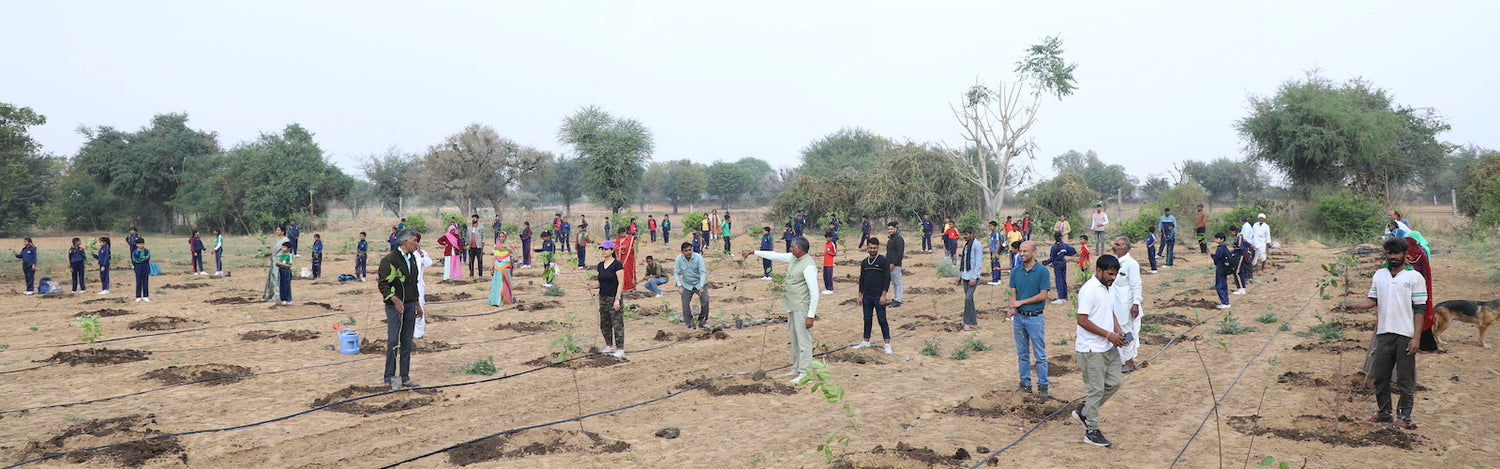
Our goal to plant 100 crore trees by June 2030 could sequester millions of tons of CO2 over the coming decades. This massive reforestation effort demonstrates how collective action can create meaningful climate impact through natural solutions.
Frequently Asked Questions
How much CO2 does a tree absorb per year?
A mature tree absorbs approximately 48 pounds of CO2 annually, though this varies by species, size, and environmental conditions. Fast-growing species can absorb up to 80 pounds yearly during peak growth periods.
Which trees absorb the most carbon?
Eucalyptus, pine, and poplar trees typically absorb the most carbon due to their rapid growth rates. However, hardwoods like oak and maple provide longer-term carbon storage benefits throughout their extended lifespans.
How long does it take for a tree to absorb significant carbon?
Trees begin absorbing meaningful amounts of carbon within 3-5 years of planting. Peak absorption rates typically occur between 10-30 years, depending on the species and growing conditions.
Do dead trees release stored carbon?
Dead trees gradually release stored carbon as they decompose, though this process can take decades. Harvesting trees for long-term wood products can preserve carbon storage while allowing new trees to grow.
How many trees needed to offset one person's carbon footprint?
Approximately 15-20 mature trees are needed to offset the average person's annual carbon emissions. However, this number varies based on individual lifestyle choices and tree species selected.
Can urban trees absorb as much carbon as forest trees?
Urban trees often absorb less carbon due to restricted root space and environmental stressors. However, they provide additional benefits like air purification and temperature reduction that enhance their overall environmental value.
What happens to carbon when trees are cut down?
When trees are harvested, the carbon remains stored in wood products. However, if trees are burned or left to decompose, the stored carbon returns to the atmosphere as CO2.
Do older trees absorb more carbon than younger ones?
Middle-aged trees (10-50 years) typically absorb the most carbon annually. Very young trees absorb less due to small size, while very old trees may have slower growth rates but store massive amounts of carbon.
Taking Action: Plant a Tree in Your Name
Understanding how much carbon does one tree absorb in its lifetime empowers individuals to make meaningful environmental contributions. Every tree planted represents a long-term investment in our planet's future and helps achieve critical Net Zero Targets.
Our comprehensive tree planting programs make it easy to start your carbon reduction journey. For just ₹299, you can Plant a tree in your Name and receive three years of professional care plus GeoTag tracking to monitor your environmental impact.
Join our mission of Combating Climate Change Through Collective Action. Together, we can plant 100 crore trees and create a sustainable future for generations to come. Discover how to plant your tree today and become part of India's largest reforestation movement.
