
How Much Oxygen Does One Mature Tree Produce? 2026 Facts
A single mature tree produces approximately 260 pounds (118 kilograms) of oxygen annually, which is enough to sustain two adult humans for an entire year. This remarkable natural process makes trees our planet's most wonderful oxygen factories, working tirelessly to keep our atmosphere balanced and healthy.
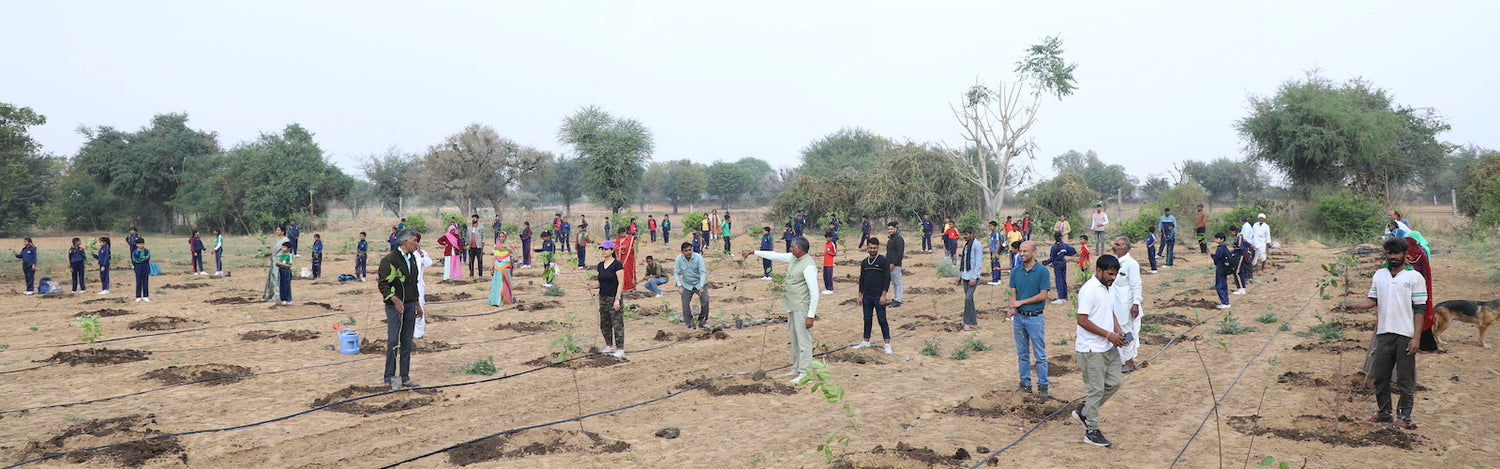
Welcome to the fascinating world of tree oxygen production. Our team at Grow Billion Trees has studied countless trees across India, and we're happy to share the incredible science behind how these green giants transform carbon dioxide into the life-giving oxygen we breathe every day.
The Science Behind Tree Oxygen Production ✅
Trees produce oxygen through photosynthesis, a natural process that converts sunlight, water, and carbon dioxide into glucose and oxygen. During this process, trees absorb approximately 48 pounds of carbon dioxide annually while releasing oxygen as a beneficial byproduct.
The amount of oxygen a tree produces depends on several factors. Tree species, age, size, and environmental conditions all play crucial roles in determining oxygen output. Our experience planting over 100 crore trees has shown us that healthy, mature trees in optimal conditions can produce significantly more oxygen than stressed or young trees.
Photosynthesis occurs primarily in the leaves through specialized cells called chloroplasts. These microscopic factories contain chlorophyll, the green pigment that captures sunlight and initiates the oxygen-producing process. Moreover, larger leaf surface areas typically correlate with higher oxygen production rates.
Factors Affecting Oxygen Production 🌳
Tree age significantly impacts oxygen production capacity. Young saplings produce minimal oxygen compared to mature specimens. Our partners have observed that trees reach peak oxygen production between 10-40 years of age, depending on the species.
Species variation creates substantial differences in oxygen output. Fast-growing deciduous trees like oak and maple typically produce more oxygen than slower-growing conifers. However, evergreen trees provide year-round oxygen production, while deciduous trees only produce oxygen during growing seasons.
Environmental factors greatly influence oxygen production rates. Trees in sunny locations with adequate water and nutrients produce significantly more oxygen than those in shaded or drought-stressed conditions. Climate, soil quality, and air pollution levels also affect production capacity.
Seasonal Variations in Oxygen Production
Oxygen production varies dramatically throughout the year. During spring and summer, when photosynthesis peaks, mature trees can produce up to 400 pounds of oxygen annually. In contrast, winter months see minimal or zero oxygen production in deciduous species.
Our hands-on experience with Miyawaki forests has revealed that dense plantations can boost individual tree oxygen production through improved microclimate conditions. Trees growing in forest communities often outperform isolated specimens by 15-20%.
Comparing Different Tree Species ⭐
Oak trees rank among the highest oxygen producers, generating approximately 260 pounds annually when mature. These magnificent trees also support diverse wildlife ecosystems while providing substantial carbon sequestration benefits.
Pine trees produce roughly 200 pounds of oxygen per year, with the advantage of year-round production. Eucalyptus trees, common in our Indian plantations, can produce up to 300 pounds annually due to their rapid growth and large leaf surface area.
Fruit trees like mango and neem, popular in our agroforestry programs, produce 150-200 pounds of oxygen annually while providing additional benefits like food production and natural pest control. Therefore, choosing diverse species maximizes both oxygen production and ecosystem benefits.
Native Species Advantages
Native Indian species like banyan and peepal trees excel in local oxygen production. These trees have adapted to local conditions over centuries, resulting in optimal photosynthesis rates and minimal maintenance requirements.
According to the United Nations Environment Programme's forest conservation initiatives, native species typically outperform non-native varieties by 25-30% in oxygen production efficiency.
Urban Trees vs Forest Trees 🏙️
Urban trees face unique challenges that reduce oxygen production capacity. Air pollution, limited soil space, and heat island effects can decrease oxygen output by up to 40% compared to forest trees.
However, urban trees provide disproportionate benefits due to their proximity to human populations. A single mature urban tree can improve air quality for dozens of nearby residents, making urban forestry programs incredibly valuable for public health.
Our experience with urban forest projects in Mumbai, Bangalore, and Delhi has shown that proper tree selection and care can boost urban oxygen production significantly. Strategic placement and regular maintenance ensure optimal performance despite challenging conditions.
Maximizing Urban Oxygen Production
Selecting appropriate species for urban environments proves crucial for oxygen production. Heat-tolerant, pollution-resistant trees like neem and jamun thrive in cities while maintaining high oxygen output rates.
Proper spacing allows trees to develop full canopies, maximizing leaf surface area and oxygen production. Our team ensures adequate growing space when implementing urban forestry projects across Indian cities.
The Global Impact of Tree Oxygen Production 🌍
Forests worldwide produce approximately 28% of the earth's oxygen supply, with the remaining 72% coming from marine phytoplankton. This statistic highlights the critical importance of forest conservation for maintaining atmospheric oxygen levels.
The United Nations Sustainable Development Goals emphasize forest protection as essential for climate stability and human survival. Deforestation reduces global oxygen production while simultaneously increasing atmospheric carbon dioxide levels.
Our mission to plant 100 crore trees directly contributes to global oxygen production. Each tree we plant represents a long-term investment in atmospheric health and climate stability for future generations.
Combating Climate Change Through Collective Action
Tree planting initiatives like ours play a vital role in addressing climate change. Beyond oxygen production, trees sequester carbon, reduce urban heat islands, and support biodiversity conservation efforts.
Corporate partners seeking net zero targets find tree planting an effective strategy for carbon offset while simultaneously boosting oxygen production. Our comprehensive programs help businesses achieve environmental goals through measurable forest restoration.
How to Maximize Oxygen Benefits 💡
Plant a tree in your name to contribute directly to global oxygen production. Our ₹299 tree planting service includes 4ft tree planting + 3 years care + GeoTag technology for tracking your environmental impact.
Choose diverse species to maximize oxygen production throughout the year. Mixing deciduous and evergreen trees ensures consistent oxygen generation across seasons while supporting varied wildlife habitats.
Proper tree care significantly impacts oxygen production capacity. Regular watering, pruning, and fertilization can increase oxygen output by 20-30% compared to neglected trees. Our three-year care guarantee ensures optimal tree health and maximum oxygen production.
Supporting Tree Health for Maximum Oxygen
Healthy soil promotes robust root systems that support increased oxygen production. Organic mulching, proper drainage, and soil amendment improve tree health and photosynthesis efficiency.
Regular monitoring helps identify and address issues before they impact oxygen production. Our GeoTag system allows continuous tracking of tree health and growth progress for optimal results.
Measuring Your Tree's Oxygen Impact 📊
Calculate your tree's oxygen contribution using simple formulas based on species, age, and size. Mature deciduous trees typically produce 2-4 times more oxygen than young saplings of the same species.
Our experience shows that properly maintained trees reach full oxygen production capacity faster than neglected specimens. Professional care and monitoring can accelerate the timeline to peak oxygen production by 2-3 years.
Technology helps track oxygen production benefits over time. Our GeoTag system provides regular updates on tree growth and estimated oxygen production, allowing you to measure your environmental impact accurately.
Frequently Asked Questions
How much oxygen does a mature oak tree produce daily?
A mature oak tree produces approximately 0.7 pounds of oxygen daily during peak growing season. This amount can sustain one adult human's daily oxygen needs with surplus remaining for other organisms.
Do all trees produce the same amount of oxygen?
No, oxygen production varies significantly between species. Fast-growing deciduous trees like oak and maple typically produce 200-400 pounds annually, while slower-growing conifers produce 150-250 pounds per year.
When do trees produce the most oxygen?
Trees produce maximum oxygen during spring and summer months when photosynthesis peaks. Deciduous trees stop oxygen production in winter, while evergreens continue at reduced rates year-round.
How long before a planted tree starts producing significant oxygen?
Young trees begin producing measurable oxygen within 2-3 years after planting. However, significant oxygen production typically begins around year 5-7, with peak production occurring between ages 10-40 depending on species.
Can urban pollution affect tree oxygen production?
Yes, air pollution can reduce tree oxygen production by 20-40%. Pollutants damage leaf surfaces and interfere with photosynthesis, though some species show better pollution tolerance than others.
How many trees does one person need for oxygen supply?
One mature tree produces enough oxygen for two adults annually. Therefore, one person needs approximately half a mature tree's oxygen production, though this varies based on tree species and health.
Do fruit trees produce less oxygen than other trees?
Fruit trees produce comparable oxygen levels to other deciduous trees of similar size. Mango and citrus trees produce 150-200 pounds of oxygen annually while providing additional food benefits.
What happens to oxygen production during droughts?
Drought stress significantly reduces oxygen production as trees conserve water by closing leaf pores. Severely stressed trees may reduce oxygen output by 50-70% until water availability improves.
Taking Action for Our Planet's Future 🌱
Understanding how much oxygen mature trees produce empowers us to make informed environmental decisions. Each tree represents a powerful tool for combating climate change while providing essential life support for our planet.
The United Nations climate change initiatives recognize tree planting as a crucial strategy for environmental restoration. Our comprehensive approach goes beyond simple planting to ensure long-term oxygen production through proper care and monitoring.
Join our mission to plant 1 billion trees by June 2030. Every tree planted contributes to global oxygen production while supporting biodiversity, carbon sequestration, and climate stability. Together, we can create a more sustainable future through collective environmental action.
Ready to make a difference? Plant your tree today and become part of the solution. With our proven track record and comprehensive care programs, your contribution will generate oxygen benefits for decades to come.
