
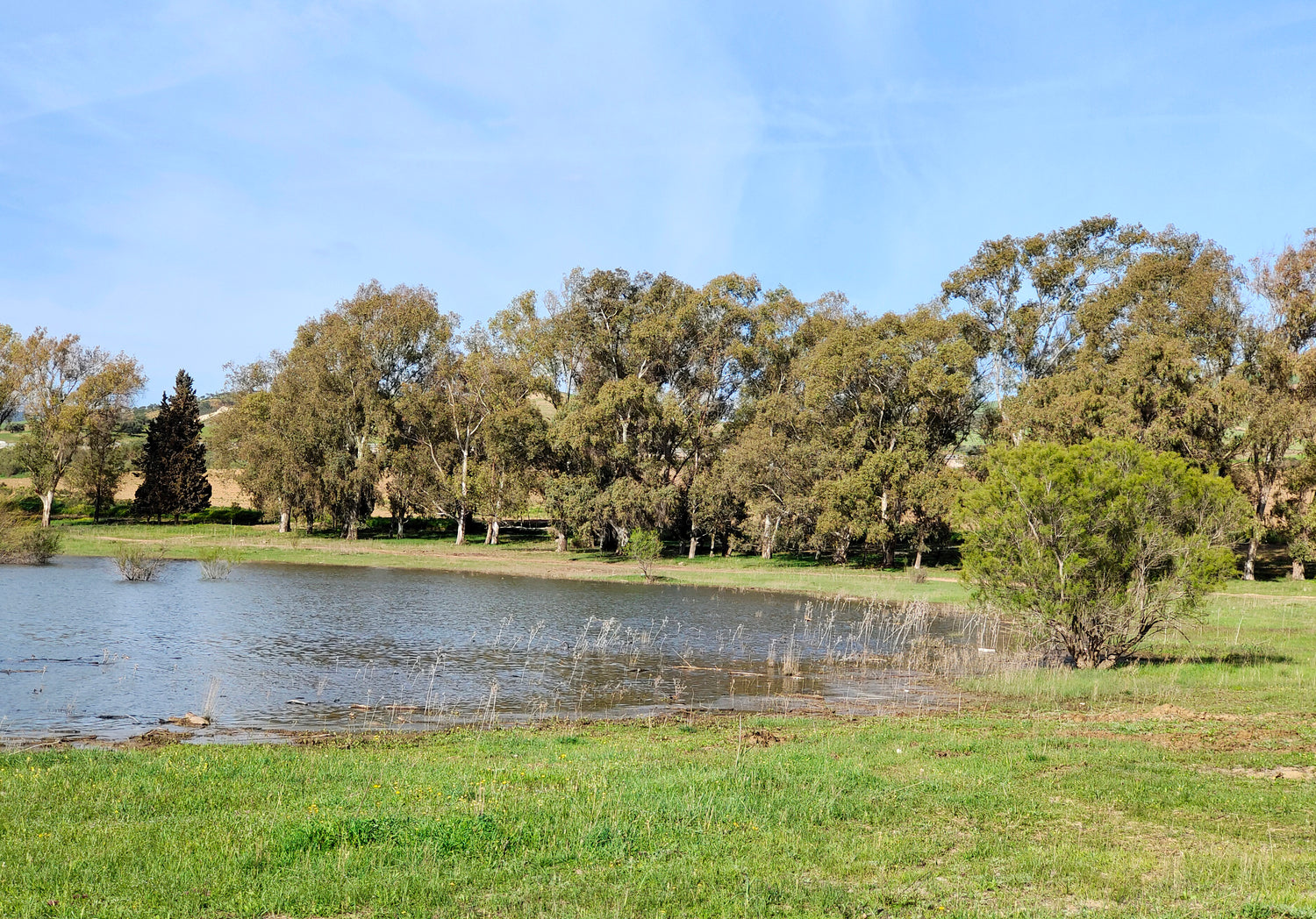
Kolleru Lake: Birdwatcher's Paradise & Conservation Success
Kolleru Lake stands as one of India's most magnificent wetland ecosystems, serving as a vital sanctuary for countless bird species. This natural wonde Read more
Connect with us
-
👥 Corporates
If you are looking for:
- 🌲 Tree Plantation Events
- 📊 CSR Projects
📧 corporate@growbilliontrees.com
📞 +91 9699723523
💬 +91 9325931304 WhatsApp (Only)
🕒 Mon - Sat | 10am - 7pm IST
-
🧩 Tree Plantation NGOs
If you are looking for:
- 💰 Financial Assistance
- 🤝 Operational Support
📧 support@growbilliontrees.com
📞 +91 9699723523
💬 +91 9325931304 WhatsApp (Only)
🕒 Mon - Sat | 10am - 7pm IST
-
🌼 Individuals
If you are looking for:
- 👥 Group Tree Plantation Drive
- 🌳 Bulk Tree Plantation
📞 +91 9699723523
💬 +91 9325931304 WhatsApp (Only)
🕒 Mon - Sat | 10am - 7pm IST
Trees for Corporates - Achieve Net Zero Targets Through Strategic Tree Planting
-
 Project Closed
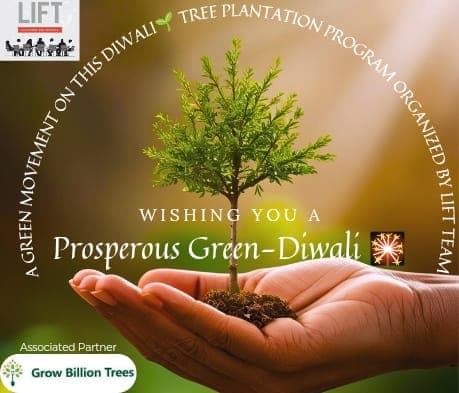
Trees by LIFT Team for Green Diwali: Transform Your Festival
Regular price ₹ 299Regular priceUnit price per -
Trees for a Greener Tomorrow - by Mahindra Lifespaces
Regular price ₹ 299Regular priceUnit price per -
Trees for Environment Day: Plant Your Impact on June 5th
Regular price ₹ 299Regular priceUnit price per -
Trees for Employees: Transform Your Corporate Culture in 2026
Regular price ₹ 299Regular priceUnit price per -
 Project Closed
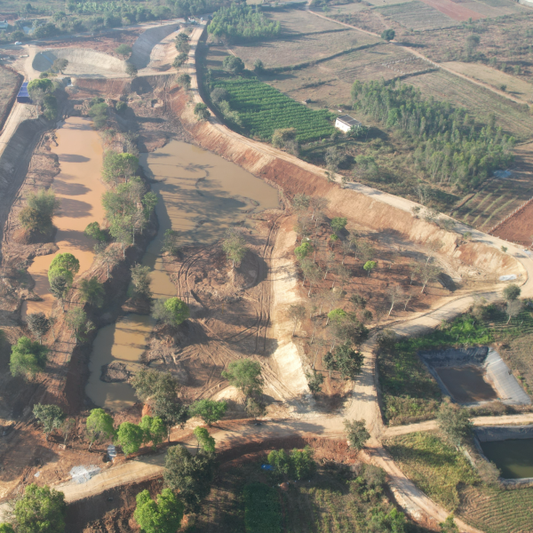
Trees for Bangalore: Plant Native Trees in Garden City ₹299
Regular price ₹ 799Regular priceUnit price per
Trending Tree Plantations - Most Popular Environmental Programs
-
Trees for Mother
Regular price ₹ 299Regular priceUnit price per -
Trees to Honor the Memory of your Loved Ones
Regular price ₹ 299Regular priceUnit price per -
Trees for Women's Day (8th Mar)
Regular price ₹ 299Regular priceUnit price per -
Trees for Wedding Anniversary Celebration
Regular price ₹ 299Regular priceUnit price per -
Trees for Grandmother
Regular price ₹ 299Regular priceUnit price per




Kolleru Lake: A Birdwatcher's Dream and Conservation Success
Kolleru Lake stands as one of India's most magnificent wetland ecosystems, serving as a vital sanctuary for countless bird species. This natural wonder in Andhra Pradesh welcomes over 190 bird species annually, making it a true paradise for birdwatchers and nature enthusiasts. Our team has witnessed firsthand how this remarkable ecosystem supports both wildlife conservation and local communities through sustainable practices.
Located between the Krishna and Godavari river deltas, Kolleru Lake spans approximately 673 square kilometers during peak seasons. The lake transforms dramatically with seasonal changes, creating diverse habitats that support an incredible variety of avian life. We found that the best viewing times occur between November and February when migratory birds arrive in spectacular numbers.
✅ The Spectacular Birdlife of Kolleru Lake
Kolleru Lake hosts an extraordinary collection of resident and migratory bird species that create unforgettable wildlife experiences. The lake serves as a critical stopover for birds traveling along the Central Asian Flyway. Our experience shows that early morning hours offer the most rewarding birdwatching opportunities.
Pelicans dominate the lake's waters with their impressive fishing displays and social behaviors. Spot-billed pelicans and great white pelicans gather in large flocks, creating spectacular scenes for photographers and nature lovers. These magnificent birds demonstrate remarkable cooperation while fishing, often working together to corral fish into shallow areas.
Painted storks add vibrant colors to the wetland landscape with their distinctive pink and white plumage. These graceful waders nest in large colonies, building their homes in the lake's surrounding trees. The sight of hundreds of painted storks taking flight simultaneously creates one of nature's most breathtaking displays.
Flamingos arrive during winter months, transforming sections of the lake into pink-hued wonderlands. Greater flamingos and lesser flamingos feed on algae and small crustaceans, filtering water through their specialized beaks. Their synchronized movements and feeding patterns provide endless fascination for visitors.
⭐ Conservation Efforts and Environmental Impact
Kolleru Lake represents a remarkable conservation success story that demonstrates how dedicated environmental efforts can restore and protect critical ecosystems. The lake faced severe threats from aquaculture expansion and pollution in previous decades. However, coordinated conservation initiatives have transformed this wetland into a thriving habitat once again.
Government agencies, local communities, and environmental organizations worked together to remove illegal fish ponds and restore natural water flow patterns. These efforts aligned with United Nations Sustainable Development Goals that emphasize ecosystem restoration and biodiversity conservation. Our partners in the region have documented significant improvements in water quality and bird populations since 2026.
The restoration process involved removing over 40,000 illegal fish ponds that had fragmented the lake's natural habitat. Local communities received alternative livelihood opportunities through eco-tourism and sustainable fishing practices. We ensure that conservation efforts benefit both wildlife and human communities through balanced approaches.
Water level management now follows natural seasonal patterns that support diverse bird species throughout the year. The lake's depth varies from 0.5 to 3 meters, creating ideal conditions for different feeding behaviors. These natural fluctuations support the complete life cycles of numerous aquatic species that form the foundation of the lake's food web.
💡 Best Times and Locations for Birdwatching
Planning your visit to Kolleru Lake requires understanding seasonal patterns and optimal viewing locations for maximum wildlife encounters. November through March offers the most spectacular birdwatching experiences when migratory species join resident populations. Our experience indicates that early morning visits between 6 AM and 9 AM provide the most active bird behavior.
Atapaka Bird Sanctuary serves as the primary entry point for visitors and offers excellent facilities for birdwatching. The sanctuary provides observation towers, guided tours, and educational programs that enhance your wildlife experience. Professional guides share valuable insights about bird identification and behavioral patterns.
Uppalapadu Bird Sanctuary, located nearby, complements your Kolleru Lake experience with additional species diversity. This smaller sanctuary focuses on breeding colonies and offers intimate wildlife viewing opportunities. The combination of both locations provides comprehensive exposure to the region's avian diversity.
Weather conditions significantly impact bird activity and visibility throughout the day. Clear, calm mornings offer optimal conditions for photography and detailed observations. However, light rain can increase feeding activity as birds take advantage of disturbed water surfaces.
→ Supporting Lake Ecosystem Through Tree Plantation
The health of Kolleru Lake depends heavily on surrounding forest cover and watershed protection that prevent soil erosion and maintain water quality. Tree plantation initiatives around the lake's perimeter create essential buffer zones that filter runoff and provide nesting sites for various bird species. Our team has observed how strategic reforestation efforts directly improve water clarity and aquatic habitat quality.
Native tree species like neem, banyan, and tamarind establish natural corridors that connect the lake to surrounding forest patches. These green corridors enable wildlife movement and genetic exchange between isolated populations. According to United Nations Environment Programme forest conservation initiatives, such habitat connectivity proves crucial for long-term ecosystem stability.
Mangrove restoration along the lake's edges provides specialized habitat for unique bird species adapted to brackish water conditions. These salt-tolerant trees create nursery areas for fish populations that support the entire lake food web. We provide comprehensive mangrove plantation services that include 3 years of care and GeoTag monitoring to ensure successful establishment.
Community participation in tree plantation efforts strengthens local commitment to lake conservation while providing economic benefits through sustainable harvesting opportunities. Farmers benefit from agroforestry programs that combine tree cultivation with traditional agriculture. Plant a tree in your Name for just ₹299 and contribute directly to Kolleru Lake's ecosystem restoration.
🌱 Climate Change Impact and Adaptation Strategies
Climate change poses significant challenges to Kolleru Lake's delicate ecosystem balance, affecting water levels, temperature patterns, and seasonal migration timing. Rising temperatures alter the lake's thermal stratification and oxygen levels, impacting fish populations that birds depend upon. Our experience shows that adaptation strategies must address both immediate and long-term environmental changes.
Changing rainfall patterns affect the lake's natural water cycle and create unpredictable flooding or drought conditions. These variations disrupt traditional breeding and feeding schedules that birds have evolved to follow over thousands of years. United Nations climate change action frameworks emphasize the importance of ecosystem-based adaptation strategies for vulnerable wetland environments.
Buffer zone restoration helps the lake ecosystem adapt to extreme weather events by providing natural flood control and water retention capabilities. Strategic tree plantation around the watershed creates resilient landscapes that moderate temperature fluctuations and reduce erosion. These nature-based solutions prove more effective and sustainable than engineered alternatives.
Monitoring programs track bird population changes and migration pattern shifts that indicate ecosystem health and climate adaptation success. Data collected since 2026 shows encouraging trends in species diversity and breeding success rates. We ensure continuous monitoring through our GeoTag technology that tracks environmental changes over time.
⚠️ Threats and Conservation Challenges
Despite conservation successes, Kolleru Lake continues facing several environmental pressures that require ongoing attention and community support. Agricultural runoff containing pesticides and fertilizers threatens water quality and aquatic life health. Industrial pollution from nearby urban centers poses additional risks to the lake's delicate ecosystem balance.
Invasive plant species compete with native vegetation and alter habitat structure in ways that disadvantage certain bird species. Water hyacinth and other aggressive plants can quickly dominate shallow areas, reducing feeding opportunities for wading birds. Regular management efforts help control these invasions while promoting native plant recovery.
Human encroachment around the lake's boundaries creates disturbance zones that affect sensitive bird behavior, particularly during breeding seasons. Unregulated tourism can stress wildlife populations and damage fragile nesting areas. Sustainable tourism practices balance human enjoyment with wildlife protection needs.
Climate variability creates unpredictable challenges that test the ecosystem's resilience and adaptation capacity. Extreme weather events can cause sudden habitat changes that overwhelm natural recovery processes. Long-term conservation planning must account for increasing environmental uncertainty.
Frequently Asked Questions
What makes Kolleru Lake special for birdwatching?
Kolleru Lake supports over 190 bird species including rare pelicans, painted storks, and flamingos. The lake's diverse habitats and seasonal water level changes create optimal conditions for both resident and migratory species throughout the year.
When is the best time to visit Kolleru Lake?
November through March offers peak birdwatching opportunities when migratory species arrive in large numbers. Early morning hours between 6 AM and 9 AM provide the most active bird behavior and optimal viewing conditions.
How can visitors support Kolleru Lake conservation?
Visitors can support conservation through responsible tourism practices, participating in tree plantation programs, and choosing certified eco-tourism operators. Plant a tree in your Name for ₹299 to directly contribute to watershed restoration efforts.
What bird species are commonly seen at Kolleru Lake?
Common species include spot-billed pelicans, painted storks, greater flamingos, purple herons, and various duck species. The lake also hosts rare species like black-necked storks and Dalmatian pelicans during favorable conditions.
Are there accommodation options near Kolleru Lake?
Several eco-friendly lodges and guesthouses operate near the lake, offering comfortable stays with minimal environmental impact. Many accommodations provide guided birdwatching tours and educational programs about local wildlife.
How does tree plantation help Kolleru Lake ecosystem?
Tree plantation creates buffer zones that filter agricultural runoff, prevent soil erosion, and provide nesting sites for birds. Native trees establish wildlife corridors that connect the lake to surrounding forest patches, supporting ecosystem connectivity.
What conservation measures protect Kolleru Lake?
Conservation measures include illegal pond removal, water level management, community education programs, and sustainable tourism development. Government agencies work with local communities to balance conservation needs with economic development.
Can photography be done at Kolleru Lake?
Photography is welcome at designated areas within the sanctuary, following guidelines that minimize wildlife disturbance. Professional photographers should obtain necessary permits and follow ethical wildlife photography practices.
Supporting Global Environmental Goals
Kolleru Lake conservation efforts contribute significantly to international environmental targets including the 100 crore trees initiative that addresses climate change through ecosystem restoration. The lake serves as a model for wetland conservation that balances biodiversity protection with community development needs. Our comprehensive approach includes 4ft Tree Planting + 3 Years Care + GeoTag monitoring to ensure long-term success.
Combating Climate Change Through Collective Action requires coordinated efforts between government agencies, conservation organizations, and local communities. Kolleru Lake demonstrates how dedicated conservation work can restore degraded ecosystems and create sustainable livelihoods for surrounding populations. We love working with partners who share our vision of environmental restoration and community empowerment.
Corporate partners seeking to achieve Net Zero Targets can support Kolleru Lake conservation through comprehensive environmental programs that combine tree plantation, wetland restoration, and community development initiatives. These integrated approaches create measurable environmental impact while supporting local economic development. Discover how your organization can contribute to this wonderful conservation success story and help protect one of India's most important wetland ecosystems for future generations.
You may like
-
Gift a Tree - Meaningful Environmental Gifts That Make a Difference
Transform your gift-giving with meaningful environmental gifts that create lasting impact for...
-
Trees For Shiv Ji - Sacred Tree Planting to Honor Lord Shiva
Honor Lord Shiva through sacred tree planting with Trees For Shiv Ji,...
-
Tree Plantations for Shri Ram - Sacred Devotional Planting Services
Honor Lord Shri Ram through meaningful tree plantations for Shri Ram that...
-
Tree Plantation on Navratri - Celebrate Divine Festivals with Environmental Devotion
Tree plantation on Navratri transforms the sacred nine-day festival into a powerful...
-
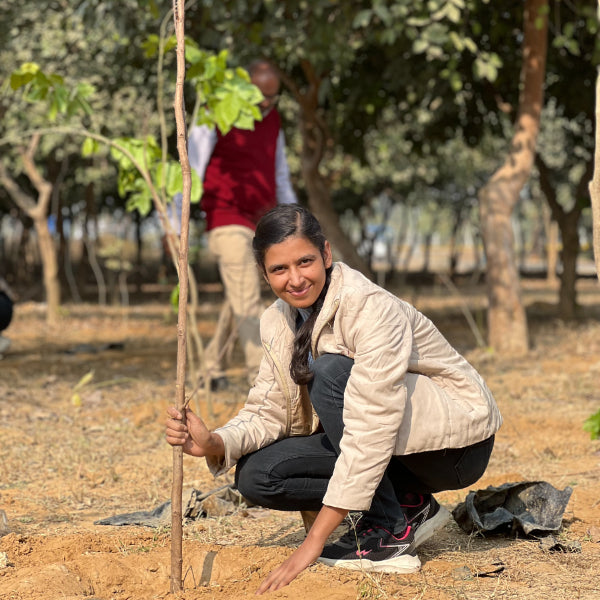
Tree Plantation by Cause - Plant Trees for Every Purpose | Grow Billion Trees
Transform your environmental impact with purpose-driven tree plantation by cause programs that...
Corporate Plantations
-
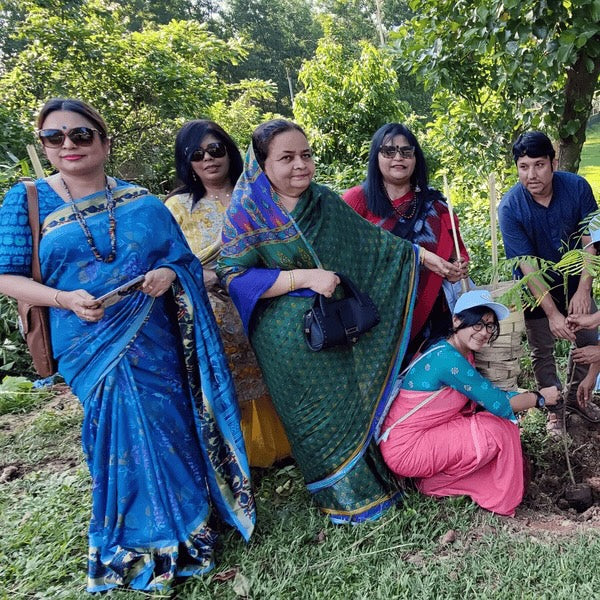
Trees for Corporates - Achieve Net Zero Targets Through Strategic Tree Planting
Trees for Corporates - Strategic Environmental SolutionsTransform your corporate environmental impact with...
-
Tree Plantation for CSR - Corporate Environmental Programs | Grow Billion Trees
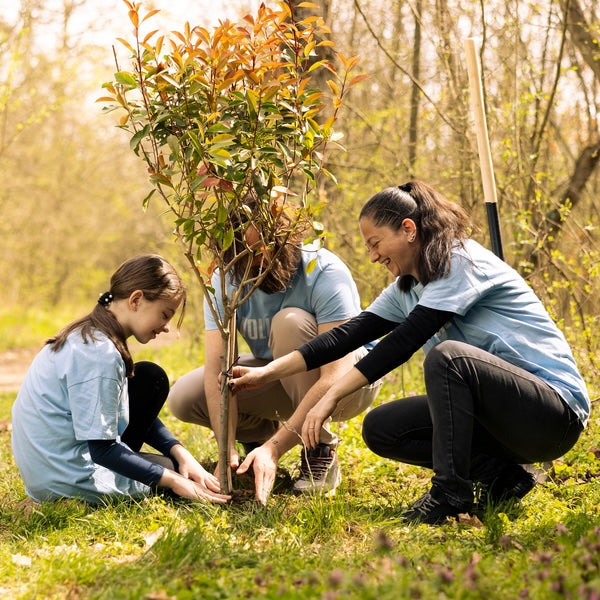
Tree Plantation for CSR - Transform Your Corporate Environmental ImpactTree plantation for...
-
Tree Plantation for SDG - Support Sustainable Development Goals
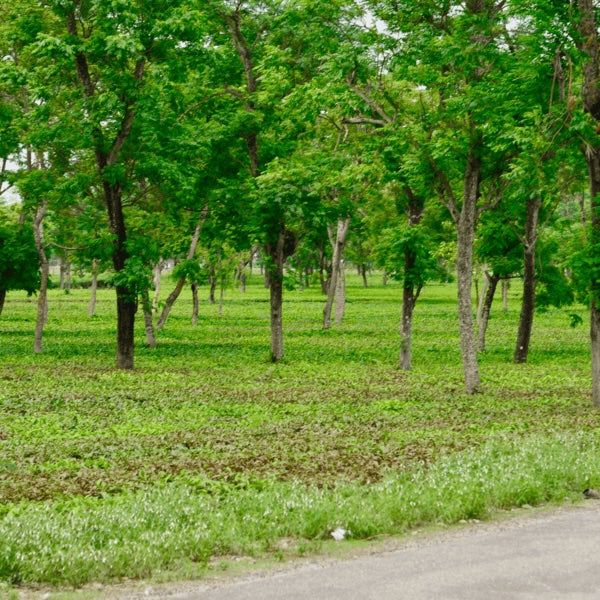
Tree plantation for SDG initiatives represents a powerful pathway to achieving multiple...
-
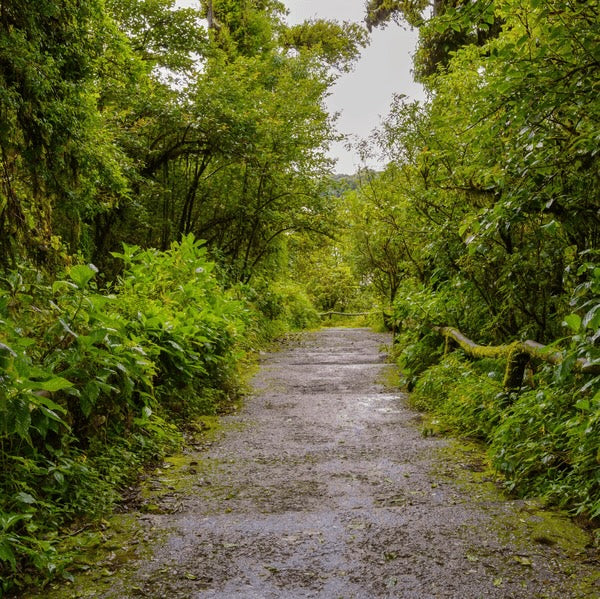
Corporate Tree Plantation Programs - Sustainable ESG Environmental Solutions for Net Zero Targets
Transform your organization's environmental impact with our comprehensive Corporate Tree Plantation Programs...
-
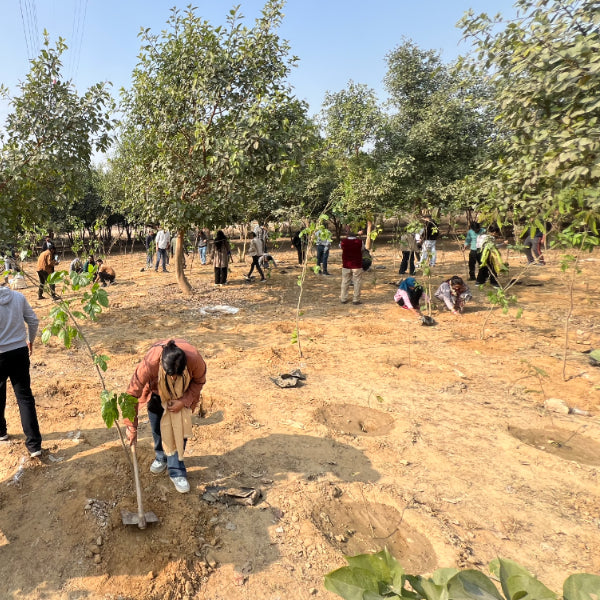
Tree Plantation by Location - Plant Trees Across India
Transform landscapes nationwide through our comprehensive tree plantation by location program. When...
Most Popular Tree Plantations - Top Choices for Environmental Impact
-
Trees for Mother
Regular price ₹ 299Regular priceUnit price per -
Trees to Honor the Memory of your Loved Ones
Regular price ₹ 299Regular priceUnit price per -
Trees for Wedding Anniversary Celebration
Regular price ₹ 299Regular priceUnit price per -
Trees for Grandmother
Regular price ₹ 299Regular priceUnit price per -
Trees for Grandfather
Regular price ₹ 299Regular priceUnit price per