

Planting Prosperity: Kunal Katira's Agroforest Initiative for Sustainability
Mr. Kunal Katira’s tree plantation initiative in the agroforestry concept is designed to promote environmental sustainability while supporting farmers Read more
Project Update 1


Digital Forest
Forest with 50 Trees planned
Want to plant your tree now?
Plant a Tree @ 299Planting Prosperity: Kunal Katira's Agroforest Initiative for Sustainability
Mr. Kunal Katira’s tree plantation initiative in the agroforestry concept is designed to promote environmental sustainability while supporting farmers' livelihoods. By integrating trees into agricultural systems, the initiative offers a sustainable approach to farming that helps mitigate environmental degradation. This practice is not only beneficial for the planet but also provides long-term economic advantages to the farmers involved. The focus is on planting trees that complement crops and other farming activities, creating a symbiotic relationship between the environment and agricultural productivity.
Furthermore, agroforestry contributes to biodiversity by creating habitats for various species, fostering a balanced ecosystem. Beyond environmental benefits, it provides economic returns to farmers through the sale of timber, fruits, and other tree-derived products. This diversification of income streams reduces the risks associated with relying solely on crop cultivation. Through this initiative, Mr. Katira is helping farmers adopt sustainable practices that not only improve their economic stability but also contribute to the broader goal of environmental conservation and climate change mitigation.
Tree Plantation Date
25th May 2024
Plantation Location
Badhalwadi, Tal Maval, Dist Pune -410507
Trees Planted
Total Count: 50 Trees
Forest Type: Agroforest
Mr. Kunal Katira’s agroforest tree plantation initiative integrates trees with agricultural practices to promote environmental sustainability and rural development. By adopting the agroforestry model, which combines crops and trees, this initiative enhances soil health, prevents erosion, and improves water retention, helping farmers adapt to climate challenges. The trees planted in the agroforests offer multiple environmental benefits, such as improving biodiversity, increasing carbon sequestration, and supporting soil fertility. Additionally, the initiative provides farmers with diversified income sources through the sale of timber, fruits, and other tree products, reducing their dependence on single crops and increasing their resilience to market and climate fluctuations. Mr. Katira’s project fosters long-term sustainability, empowering farmers while contributing to global efforts in environmental conservation and climate change mitigation.
Advantages Of Agroforest
Enhanced Income Diversification
The incorporation of trees alongside traditional crops creates new revenue streams for farmers. By growing a variety of tree species such as fruit-bearing trees, timber, and medicinal plants farmers can access a wider range of market opportunities. This diversification reduces the financial risks associated with relying on a single crop, especially in unpredictable market conditions or adverse climate events.
Improved Livelihood Resilience
The combination of trees and crops in agroforestry systems builds greater resilience for farmers. The availability of multiple sources of income derived from both agricultural products and tree-based products helps farmers better withstand fluctuations in crop yields, market prices, and climate variability. This leads to more stable livelihoods, particularly in the face of global warming or unpredictable weather patterns.
Reduced Farming Costs
Trees in agroforests play a crucial role in reducing farming costs by improving soil quality and reducing the need for chemical fertilizers and pesticides. The roots of trees help in nutrient cycling, replenishing the soil with organic matter, and reducing the need for external soil amendments. Additionally, trees provide shade, reducing irrigation requirements and conserving water, which is especially valuable in areas facing water scarcity.
Soil Health Improvement
Agroforestry helps enhance soil health through the natural processes of nutrient cycling. The deep root systems of trees improve soil structure and increase its water retention capacity. Tree litter, such as leaves and organic matter, enriches the soil with essential nutrients, thereby reducing erosion and maintaining soil fertility over time. This results in more productive land that sustains both crops and trees in the long term.
Climate Change Mitigation
Trees play a vital role in combating climate change by acting as carbon sinks, absorbing carbon dioxide from the atmosphere. By planting a variety of tree species, agroforests contribute significantly to carbon sequestration, helping mitigate the impacts of global warming. This makes agroforestry an important tool in the fight against climate change, reducing the carbon footprint of agricultural activities.
Biodiversity Enhancement
Agroforests create diverse ecosystems by providing habitats for a wide range of flora and fauna. The variety of trees planted alongside crops encourages biodiversity, which helps in pest control, pollination, and promoting a healthier environment. The mix of crops and trees supports the balance of ecosystems and reduces the risk of pests or diseases, making farming more sustainable.
Water Conservation and Management
Trees in agroforestry systems help improve water management by increasing water retention in the soil and reducing surface runoff. The canopy of trees slows down rainfall, allowing water to seep into the ground rather than washing away the soil. This results in better water conservation and a reduced need for irrigation, which is especially beneficial in regions affected by water scarcity.
Soil Erosion Control
The root systems of trees in agroforestry systems help bind the soil together, reducing erosion caused by wind and water. This is particularly important in areas prone to soil degradation and desertification. By preventing soil loss, agroforestry supports the long-term productivity of the land and maintains the integrity of local ecosystems.
Long-Term Environmental Sustainability
By integrating trees into farming systems, Mr. Katira’s initiative fosters long-term environmental sustainability. Trees support a balanced ecosystem, improve soil and water quality, and reduce environmental degradation. The overall goal is to create an agricultural system that is both economically viable and environmentally responsible, ensuring that the land remains productive for future generations.
Increased Community Engagement and Awareness
Mr. Katira’s agroforest tree plantation initiative encourages local farmers and communities to adopt sustainable agricultural practices. Through these efforts, the initiative fosters environmental stewardship and raises awareness about the importance of trees in maintaining ecological balance. It also strengthens community ties by involving farmers in collective efforts for environmental sustainability.
Activities During Tree Plantation
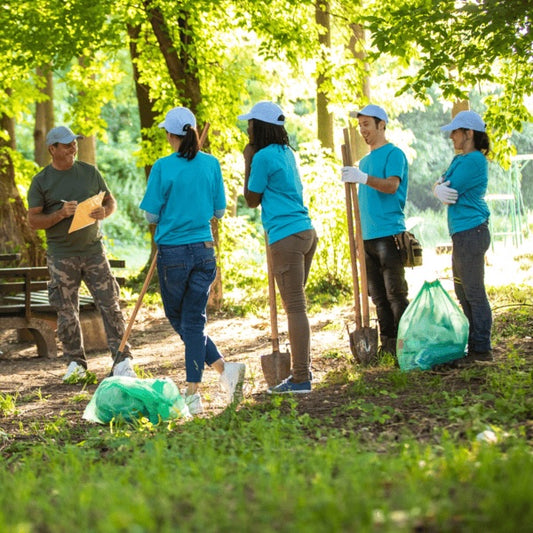
During Mr. Kunal Katira’s tree plantation initiative in the agroforest concept, various activities are carried out to ensure the success of the program, with all plantation tasks performed by farmers themselves. These activities begin with the land preparation, which involves clearing the area and enriching the soil to support the growth of both crops and trees. Farmers then plant a diverse range of trees alongside their traditional crops, ensuring that the trees complement the existing farming system. Regular watering is essential, especially during the early stages, and farmers ensure that the trees are adequately cared for to promote healthy growth. As part of the initiative, farmers also engage in ongoing monitoring to assess the health of the trees and their impact on soil quality and crop productivity. The agroforest model encourages farmers to adopt sustainable practices, making the integration of trees with agriculture a long-term solution for environmental sustainability and improved farm productivity.
Tree Plantation Purpose
Mr. Kunal Katira’s tree plantation initiative in the agroforest concept for environmental sustainability aligns with several United Nations Sustainable Development Goals (SDGs). Below are the SDGs that are achieved through this initiative, elaborating on how it contributes to global sustainability efforts:
1. SDG 1: No Poverty
The agroforestry model promotes income diversification for farmers by integrating tree plantation with traditional crops. This diversified approach creates additional revenue streams through the sale of timber, fruits, and other tree products, which can help improve farmers' economic stability. By reducing dependence on a single crop, farmers are better able to withstand market fluctuations, thus addressing poverty and enhancing rural livelihoods.
2. SDG 2: Zero Hunger
Agroforestry systems enhance agricultural productivity by improving soil health and water retention, leading to better crop yields. The addition of trees to farming systems promotes more resilient food production, supporting food security and reducing the vulnerability of farmers to climate-related challenges like droughts or floods. This contributes to improving access to nutritious food for local communities.
3. SDG 5: Gender Equality
Tree plantation and agroforestry activities often involve both men and women, encouraging gender inclusivity. Mr. Katira's initiative promotes equal participation in the planting and nurturing of trees, thus creating economic opportunities for women in farming communities. Women can benefit from the diverse sources of income that agroforestry provides, such as selling tree-based products, empowering them economically and socially.
4. SDG 6: Clean Water and Sanitation
Trees in agroforestry systems play a critical role in improving water management. Their root systems enhance water retention in the soil, reduce runoff, and promote groundwater recharge, which helps conserve water resources. The reduction in soil erosion and better water conservation practices contribute to ensuring clean water for agricultural use and surrounding communities, supporting SDG 6.
5. SDG 8: Decent Work and Economic Growth
The agroforestry model provides new economic opportunities for farmers, enhancing their income through diverse crops and tree products. This diversification supports sustainable livelihoods, fosters job creation in rural areas, and helps drive inclusive economic growth. It also offers long-term employment opportunities in tree care, timber production, and agroforestry management, contributing to SDG 8.
6. SDG 12: Responsible Consumption and Production
Agroforestry promotes the sustainable use of natural resources by combining agriculture with forestry in a way that minimizes environmental degradation. By planting trees that offer multiple benefits, such as timber, fruit, and other by-products, the initiative encourages responsible consumption and production practices. This model reduces dependency on non-renewable resources and promotes eco-friendly farming practices, aligning with SDG 12.
7. SDG 13: Climate Action
Trees act as carbon sinks, absorbing carbon dioxide and helping mitigate the effects of climate change. Through the agroforest initiative, the planting of trees contributes to carbon sequestration, reducing the agricultural sector's overall carbon footprint. The trees' role in improving soil health and water management also helps increase the resilience of farming systems to climate change impacts, directly supporting climate action goals.
8. SDG 15: Life on Land
The agroforestry system enhances biodiversity by providing habitats for various species of flora and fauna. Trees planted alongside crops create a balanced ecosystem, improving the health of soil and the surrounding environment. By reducing deforestation and promoting sustainable land management, the initiative supports the preservation of ecosystems and promotes the sustainable use of terrestrial resources.
9. SDG 17: Partnerships for the Goals
Mr. Kunal Katira’s partnership with Grow Billion Trees has significantly contributed to achieving the United Nations Sustainable Development Goal of "Partnerships for the Goals." Through this collaboration, the initiative has brought together various stakeholders, including farmers, environmental organizations, and local communities, to promote large-scale tree plantation and agroforestry practices. By working with Grow Billion Trees, Mr. Katira has helped amplify efforts to combat climate change, promote sustainable agriculture, and support environmental sustainability at a broader scale. This partnership has enabled the mobilization of resources, knowledge, and technical expertise to scale up tree plantation initiatives, ensuring long-term environmental and economic benefits. It also fosters community engagement and strengthens cross-sector collaborations, creating a unified approach toward achieving sustainable development and mitigating environmental challenges.
ESGs Achieved Through Agroforestry
Environmental (E)
Mr. Kunal Katira’s tree plantation initiative in the agroforest concept significantly contributes to environmental sustainability. By integrating trees into agricultural systems, the initiative promotes biodiversity, improves soil health, and reduces soil erosion. The trees act as natural carbon sinks, helping mitigate climate change by absorbing carbon dioxide from the atmosphere. Furthermore, the initiative enhances water retention in the soil, reduces surface runoff, and aids in groundwater recharge, contributing to better water management. These environmental benefits support the long-term health of ecosystems and the land, ensuring the preservation of natural resources for future generations.
Social (S)
The initiative fosters social sustainability by promoting inclusive community participation, particularly among farmers. It provides them with additional income sources through tree-based products such as timber, fruits, and medicinal plants, thus improving their livelihoods. The diversity of income opportunities reduces financial dependency on a single crop and builds resilience against climate-related challenges. Additionally, the initiative empowers local communities, particularly women, by creating economic opportunities and encouraging their active involvement in sustainable agricultural practices. This inclusive approach strengthens social equity and enhances the overall well-being of rural populations.
Governance (G)
Mr. Katira’s tree plantation initiative demonstrates strong governance by collaborating with organizations like Grow Billion Trees, ensuring transparency and accountability in the execution of the agroforestry project. The partnership involves clear coordination among stakeholders, from local farmers to environmental groups, fostering responsible management and ethical decision-making. The initiative adheres to sustainable land management practices, aligning with global environmental goals while ensuring that all resources are used efficiently. It promotes best practices in environmental stewardship, demonstrating leadership in integrating sustainability into corporate and community practices, thereby strengthening governance structures in rural agricultural settings.
Commitment by Grow Billion Trees
Grow Billion Trees is committed to driving sustainable plantation efforts, ensuring every initiative aligns with key environmental objectives and promotes long-term ecological balance. We focus on selecting native tree species that are well-adapted to local ecosystems, ensuring a higher survival rate and stronger environmental impact.
To maintain plant health and longevity, Grow Billion Trees emphasizes continuous maintenance and regular monitoring of the plantations. This approach helps ensure that each tree thrives, contributing effectively to both biodiversity and climate resilience.
Transparency is a core principle in our operations. Clients receive comprehensive reports, including geo-tagging of planted trees, survival rate updates, and ongoing progress reports. This level of openness allows clients to track the direct impact of their contributions, reinforcing trust and accountability.
Through our dedication to sustainable practices, Grow Billion Trees ensures that every plantation project leaves a lasting positive footprint on both the environment and the local communities it serves.
Summary
Mr. Kunal Katira’s tree plantation initiative in the agroforest concept focuses on integrating trees with agricultural practices to promote environmental sustainability and enhance the livelihoods of farmers. By planting trees alongside traditional crops, the initiative improves soil health, conserves water, reduces erosion, and promotes biodiversity. It also contributes to climate change mitigation through carbon sequestration. The initiative empowers farmers by providing diversified income sources, reducing their dependency on a single crop, and enhancing resilience to climate-related challenges. Through collaboration with Grow Billion Trees, Mr. Katira fosters partnerships that drive large-scale environmental conservation efforts, ensuring long-term sustainability for both the land and the communities involved. This holistic approach supports environmental, social, and economic sustainability, benefiting the ecosystem and rural populations alike.
Trees for Corporates - Achieve Net Zero Targets Through Strategic Tree Planting
-
 Project Closed
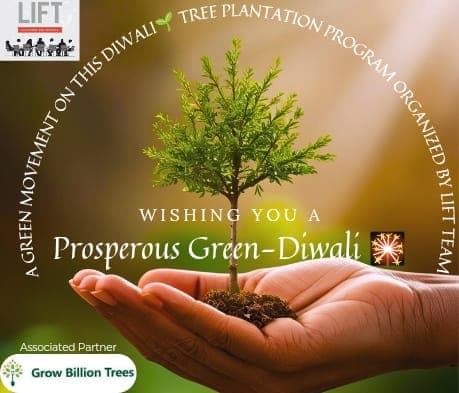
Trees by LIFT Team for Green Diwali: Transform Your Festival
Regular price ₹ 299Regular priceUnit price per -
Trees for a Greener Tomorrow - by Mahindra Lifespaces
Regular price ₹ 299Regular priceUnit price per -
Trees for Environment Day: Plant Your Impact on June 5th
Regular price ₹ 299Regular priceUnit price per -
Trees for Employees: Transform Your Corporate Culture in 2026
Regular price ₹ 299Regular priceUnit price per -
 Project Closed
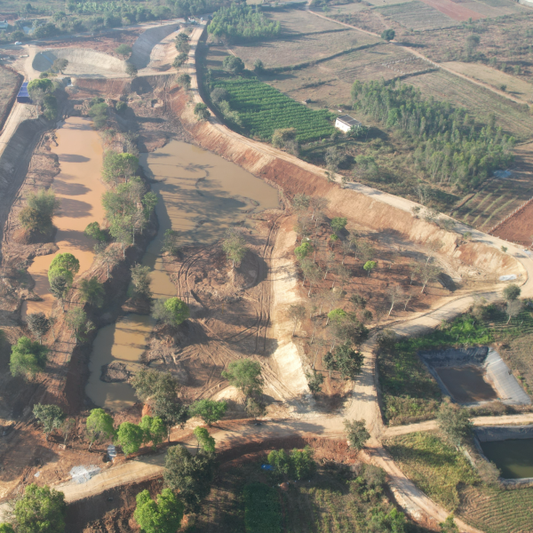
Trees for Bangalore: Plant Native Trees in Garden City ₹299
Regular price ₹ 799Regular priceUnit price per
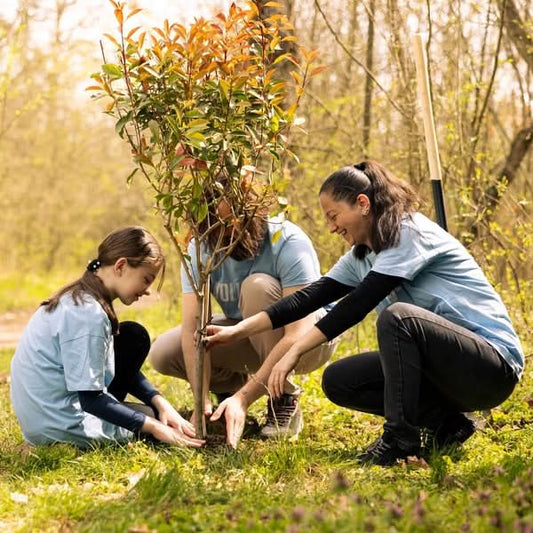
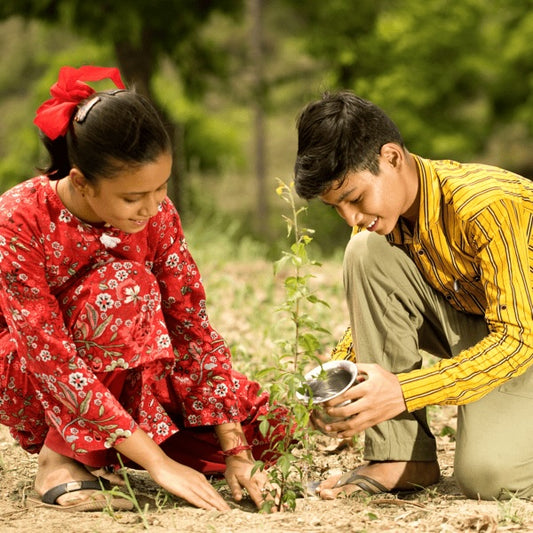
Trending Tree Plantations - Most Popular Environmental Programs
-
Trees for Mother
Regular price ₹ 299Regular priceUnit price per -
Trees to Honor the Memory of your Loved Ones
Regular price ₹ 299Regular priceUnit price per -
Trees for Women's Day (8th Mar)
Regular price ₹ 299Regular priceUnit price per -
Trees for Wedding Anniversary Celebration
Regular price ₹ 299Regular priceUnit price per -
Trees for Grandmother
Regular price ₹ 299Regular priceUnit price per





Most Popular Tree Plantations - Top Choices for Environmental Impact
-
Trees for Mother
Regular price ₹ 299Regular priceUnit price per -
Trees to Honor the Memory of your Loved Ones
Regular price ₹ 299Regular priceUnit price per -
Trees for Wedding Anniversary Celebration
Regular price ₹ 299Regular priceUnit price per -
Trees for Grandmother
Regular price ₹ 299Regular priceUnit price per -
Trees for Grandfather
Regular price ₹ 299Regular priceUnit price per

- Choosing a selection results in a full page refresh.
- Opens in a new window.
