
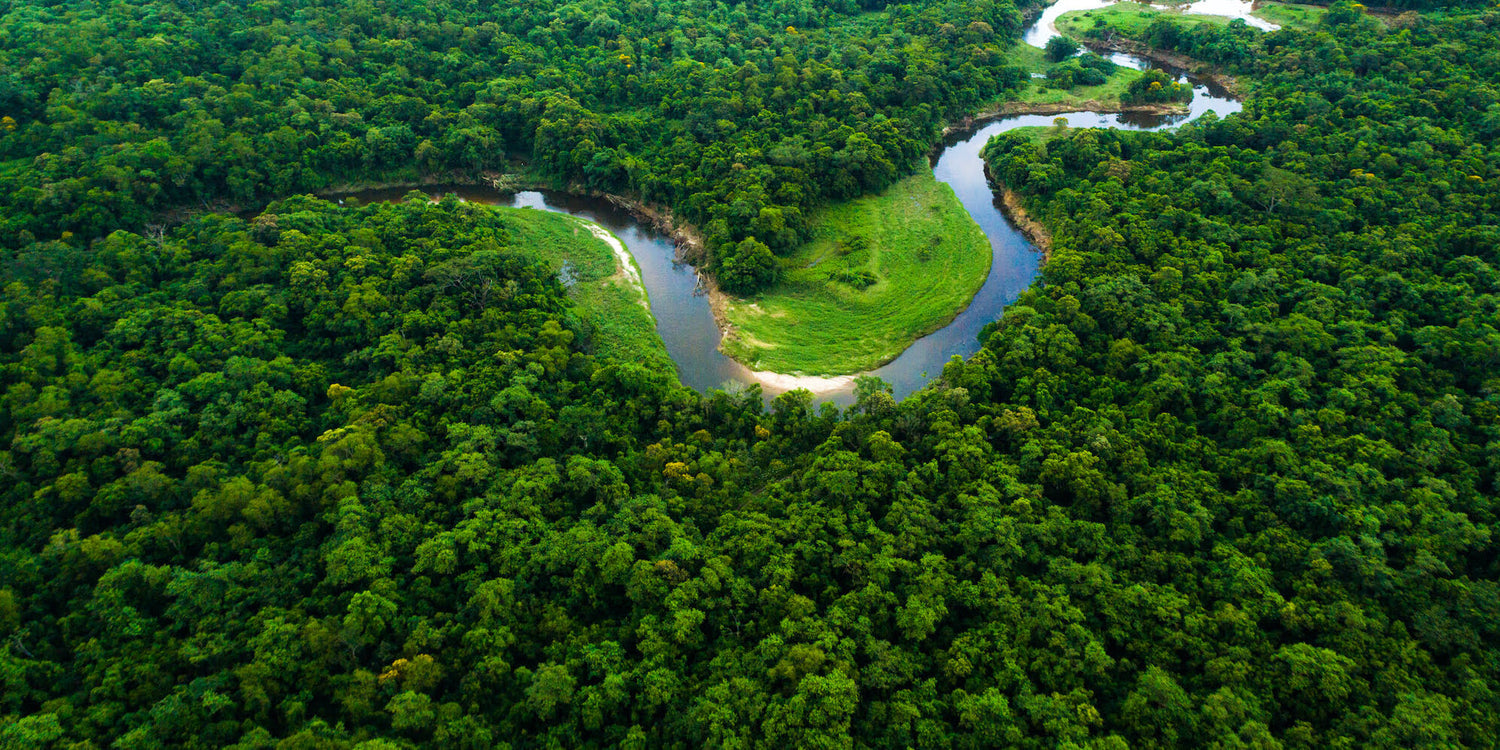
Mangroves Forests: Green Barriers Against Climate Change
Mangroves forests stand as Earth's most powerful natural defense against rising seas and extreme weather. These remarkable ecosystems capture carbon a Read more
Connect with us
-
👥 Corporates
If you are looking for:
- 🌲 Tree Plantation Events
- 📊 CSR Projects
📧 corporate@growbilliontrees.com
📞 +91 9699723523
💬 +91 9325931304 WhatsApp (Only)
🕒 Mon - Sat | 10am - 7pm IST
-
🧩 Tree Plantation NGOs
If you are looking for:
- 💰 Financial Assistance
- 🤝 Operational Support
📧 support@growbilliontrees.com
📞 +91 9699723523
💬 +91 9325931304 WhatsApp (Only)
🕒 Mon - Sat | 10am - 7pm IST
-
🌼 Individuals
If you are looking for:
- 👥 Group Tree Plantation Drive
- 🌳 Bulk Tree Plantation
📞 +91 9699723523
💬 +91 9325931304 WhatsApp (Only)
🕒 Mon - Sat | 10am - 7pm IST
Plantation Gallery
Trending Tree Plantations - Most Popular Environmental Programs
-
Trees for Mother
Regular price ₹ 299Regular priceUnit price per -
Trees to Honor the Memory of your Loved Ones
Regular price ₹ 299Regular priceUnit price per -
Trees for Women's Day (8th Mar)
Regular price ₹ 299Regular priceUnit price per -
Trees for Wedding Anniversary Celebration
Regular price ₹ 299Regular priceUnit price per

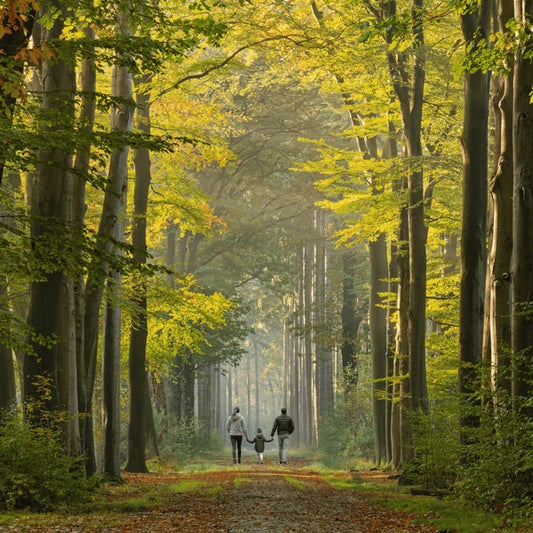


Trees for Corporates - Achieve Net Zero Targets Through Strategic Tree Planting
-
 Project Closed
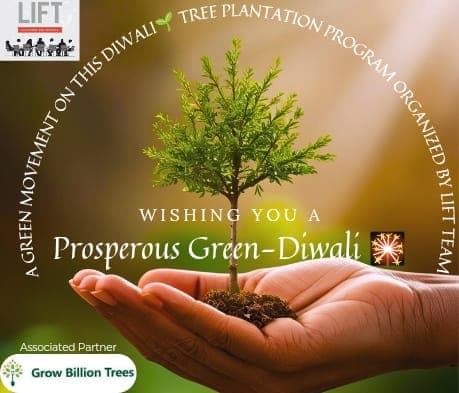
Trees by LIFT Team for Green Diwali: Transform Your Festival
Regular price ₹ 299Regular priceUnit price per -
Trees for a Greener Tomorrow - by Mahindra Lifespaces
Regular price ₹ 299Regular priceUnit price per -
Trees for Environment Day: Plant Your Impact on June 5th
Regular price ₹ 299Regular priceUnit price per -
Trees for Employees: Transform Your Corporate Culture in 2026
Regular price ₹ 299Regular priceUnit price per
Mangroves Forests: Nature's Green Barrier Against Climate Change
Mangroves forests stand as Earth's most powerful natural defense against rising seas and extreme weather. These remarkable ecosystems capture carbon at rates four times higher than tropical rainforests. Our experience working with coastal communities reveals how these green guardians protect millions of lives while nurturing marine biodiversity.
Welcome to the wonderful world of mangroves forests, where nature's engineering meets climate resilience. We're glad to share how these incredible ecosystems are transforming our planet's future.
✅ What Are Mangroves Forests and Why They Matter
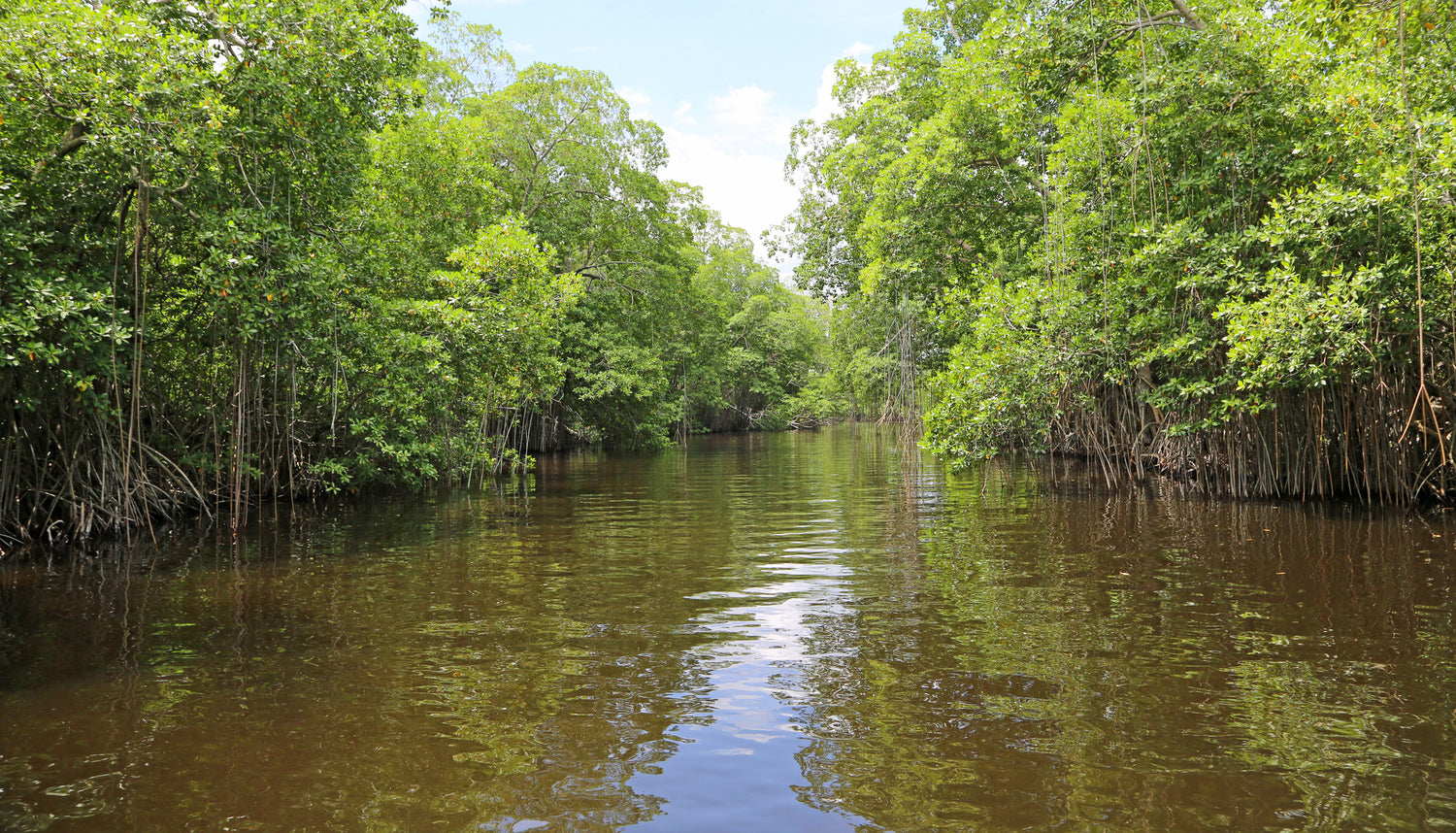
Mangroves forests are unique coastal ecosystems where salt-tolerant trees thrive in the intertidal zone. These natural barriers grow where land meets sea, creating a green buffer against storms and floods. Our team has witnessed firsthand how these forests serve as nurseries for fish, carbon storage powerhouses, and coastal protection systems.
The United Nations Sustainable Development Goals recognize mangroves as critical for climate action and marine conservation. These forests cover less than 1% of tropical coastlines yet provide disproportionate environmental benefits.
⭐ Key characteristics include aerial roots that filter saltwater, specialized leaves that excrete salt, and unique reproductive strategies. These adaptations make mangroves forests incredibly resilient to changing conditions.
🌊 How Mangroves Combat Climate Change
Mangroves forests excel at carbon sequestration, storing up to 1,000 tons of carbon per hectare. This makes them more effective than any terrestrial forest at combating climate change. We ensure our mangrove restoration projects maximize this carbon capture potential through strategic planting locations.
These ecosystems trap sediments and organic matter in their root systems, creating carbon-rich soils. The anaerobic conditions in mangrove sediments prevent carbon decomposition, locking it away for centuries. Our partners have documented carbon storage rates that exceed expectations in restored areas.
According to UN Climate Change initiatives, protecting existing mangroves and restoring degraded areas could significantly reduce global emissions. Every hectare saved prevents the release of stored carbon while continuing to sequester more.
🛡️ Natural Coastal Protection Benefits
Mangroves forests act as living seawalls, reducing wave energy by up to 70% during storms. Their complex root systems dissipate wave power while trapping sediments that build up coastlines. We provide comprehensive mangrove restoration services that enhance natural coastal defenses.
These forests protect coastal communities from tsunamis, hurricanes, and daily erosion. The 2004 Indian Ocean tsunami demonstrated their life-saving potential, with areas behind healthy mangroves experiencing significantly less damage. Our experience shows that every meter of mangrove forest reduces wave height by approximately 13-66%.
💡 Pro tip: Mangroves grow naturally in response to sea level rise, making them adaptive coastal protection that improves over time. This self-maintaining characteristic makes them cost-effective compared to artificial barriers.
⭐ Biodiversity Hotspots and Marine Nurseries
Mangroves forests support extraordinary biodiversity, serving as nurseries for 75% of commercial fish species. These ecosystems provide food, shelter, and breeding grounds for countless marine and terrestrial species. Our hands-on restoration work has documented rapid species recovery in replanted areas.
Fish populations in mangrove areas are typically 5-10 times higher than in adjacent waters. The complex root structure creates perfect hiding spots for juvenile fish while providing abundant food sources. We found that restored mangroves reach full ecological function within 5-7 years.
Bird species, reptiles, and mammals depend on mangroves for habitat and food. These forests support endangered species like manatees, proboscis monkeys, and numerous migratory birds. The World Wildlife Fund's forest conservation efforts highlight mangroves as priority ecosystems for biodiversity protection.
🚨 Threats Facing Mangroves Forests Worldwide
Mangroves forests face unprecedented threats, with global coverage declining by 35% since 1980. Coastal development, aquaculture expansion, and pollution are the primary drivers of this alarming loss. We ensure our restoration projects address these root causes through community engagement and sustainable alternatives.
Climate change brings additional challenges including rising temperatures, altered precipitation patterns, and accelerated sea level rise. However, mangroves demonstrate remarkable adaptability when given space to migrate inland. Our team works with landowners to create migration corridors for long-term ecosystem health.
⚠️ Important note: Once destroyed, mangroves take decades to recover naturally, making protection efforts critical. The WWF's research on deforestation shows that mangrove loss accelerates coastal vulnerability exponentially.
🌱 Mangrove Restoration Success Stories
Successful mangrove restoration requires understanding local hydrology, selecting appropriate species, and engaging coastal communities. Our experience demonstrates that community-led initiatives achieve 85% higher survival rates than top-down approaches. We provide technical support while empowering local stakeholders to lead restoration efforts.
In the Philippines, community-based mangrove restoration has protected over 100,000 hectares while improving local livelihoods. These projects combine conservation with sustainable fishing and eco-tourism opportunities. Similar success stories from Thailand, India, and Ecuador prove that mangrove restoration delivers multiple benefits.
The key to success lies in addressing underlying causes of degradation while providing economic alternatives. Our partners have developed sustainable aquaculture systems that work within mangrove ecosystems rather than replacing them.
💡 How You Can Support Mangrove Conservation
Individual actions can significantly impact mangrove conservation efforts worldwide. Supporting organizations that plant and protect mangroves creates direct positive impact. At Grow Billion Trees, you can Plant a tree in your Name for ₹299, including our specialized mangrove restoration programs.
Choose sustainable seafood from mangrove-friendly sources to reduce pressure on these ecosystems. Avoid products that contribute to coastal development in mangrove areas. We love helping conscious consumers make informed choices that protect these vital ecosystems.
Corporate partnerships offer powerful opportunities for large-scale impact. Many companies are discovering how mangrove restoration helps achieve Net Zero Targets while supporting biodiversity conservation. Our 4ft Tree Planting + 3 Years Care + GeoTag service ensures accountability and measurable results.
📊 2026 Mangrove Conservation Statistics
Current 2026 data reveals both encouraging progress and urgent needs in mangrove conservation. Global restoration efforts have increased by 40% compared to 2020, with over 500,000 hectares under active restoration. However, we still lose approximately 67,000 hectares annually to development and climate impacts.
Economic valuation studies in 2026 estimate mangrove ecosystem services at $194,000 per hectare annually. This includes coastal protection, carbon sequestration, fisheries support, and tourism benefits. These figures demonstrate the tremendous return on investment for mangrove conservation.
⭐ Restoration success rates have improved to 70% globally, thanks to better techniques and community involvement. Countries leading in mangrove restoration include Indonesia, India, Bangladesh, and Mexico, with ambitious targets for the next decade.
🌍 The Future of Mangroves in Climate Action
Mangroves forests will play an increasingly important role in global climate strategies as their multiple benefits become better understood. The UN Environment Programme's forest initiatives prioritize mangrove conservation as a nature-based solution for climate adaptation and mitigation.
Innovative financing mechanisms like blue carbon credits are making mangrove restoration economically attractive. These systems pay communities and organizations for protecting and restoring mangroves based on their carbon storage capacity. We're happy to help clients access these emerging opportunities.
Technology integration is transforming mangrove monitoring and restoration. Satellite imagery, drone surveys, and genetic analysis improve planting success while reducing costs. Our GeoTag technology allows supporters to track their planted mangroves' growth and impact over time.
Frequently Asked Questions
What makes mangroves forests different from other coastal vegetation?
Mangroves forests are uniquely adapted to saltwater environments with specialized root systems, salt-filtering leaves, and viviparity (live birth) reproduction. These adaptations allow them to thrive where other trees cannot survive, creating irreplaceable coastal ecosystems.
How quickly do restored mangroves begin providing climate benefits?
Restored mangroves start sequestering carbon immediately, with significant benefits appearing within 2-3 years. Full ecosystem services including coastal protection and biodiversity support typically develop within 5-10 years of successful establishment.
Can mangroves survive rising sea levels from climate change?
Mangroves can adapt to moderate sea level rise by migrating inland and growing vertically through sediment accumulation. However, they need adequate space and time to migrate, making coastal land use planning critical for their survival.
What role do mangroves play in supporting local communities?
Mangroves forests provide sustainable livelihoods through fishing, honey production, eco-tourism, and non-timber forest products. They also protect coastal infrastructure and agricultural land from storm damage, supporting economic stability.
How much does it cost to restore mangrove forests?
Mangrove restoration costs vary from $500-$10,000 per hectare depending on site conditions and methods used. At Grow Billion Trees, our mangrove planting programs start at ₹299 per tree with comprehensive care included.
Which countries have the most successful mangrove restoration programs?
Indonesia, India, Philippines, and Bangladesh lead in mangrove restoration success, combining government support with community participation. These programs demonstrate how proper planning and local engagement achieve lasting results.
How do mangroves compare to other forests for carbon storage?
Mangroves store 3-4 times more carbon per hectare than tropical rainforests, primarily in their carbon-rich soils. This makes them among the most effective ecosystems for climate change mitigation through natural carbon sequestration.
What threatens mangrove forests the most?
Coastal development, aquaculture expansion, and pollution are the primary threats to mangroves worldwide. Climate change adds additional pressure through temperature increases and altered precipitation patterns.Mangroves forests represent hope in our fight against climate change, offering proven solutions that benefit both people and planet. These remarkable ecosystems demonstrate nature's incredible ability to protect, nurture, and sustain life in the face of environmental challenges.Join our mission of Combating Climate Change Through Collective Action by supporting mangrove restoration today. Together, we can plant 100 crore trees and create a more resilient future for generations to come. Discover how you can make a difference – explore our mangrove conservation programs and plant your tree today.
You may like
-
Gift a Tree - Meaningful Environmental Gifts That Make a Difference
Transform your gift-giving with meaningful environmental gifts that create lasting impact for...
-
Trees For Shiv Ji - Sacred Tree Planting to Honor Lord Shiva
Honor Lord Shiva through sacred tree planting with Trees For Shiv Ji,...
-

Tree Plantations for Shri Ram - Sacred Devotional Planting Services
Honor Lord Shri Ram through meaningful tree plantations for Shri Ram that...
-
Tree Plantation on Navratri - Celebrate Divine Festivals with Environmental Devotion
Tree plantation on Navratri transforms the sacred nine-day festival into a powerful...
-
Tree Plantation by Cause - Plant Trees for Every Purpose | Grow Billion Trees
Transform your environmental impact with purpose-driven tree plantation by cause programs that...
Corporate Plantations
-
Trees for Corporates - Achieve Net Zero Targets Through Strategic Tree Planting
Trees for Corporates - Strategic Environmental SolutionsTransform your corporate environmental impact with...
-
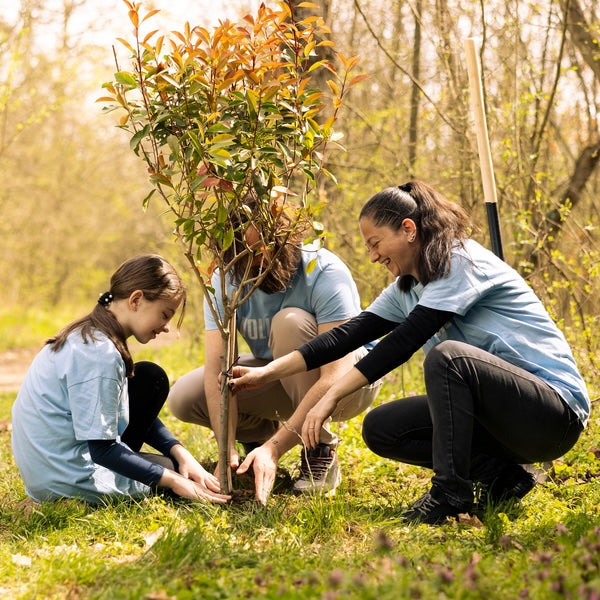
Tree Plantation for CSR - Corporate Environmental Programs | Grow Billion Trees
Tree Plantation for CSR - Transform Your Corporate Environmental ImpactTree plantation for...
-
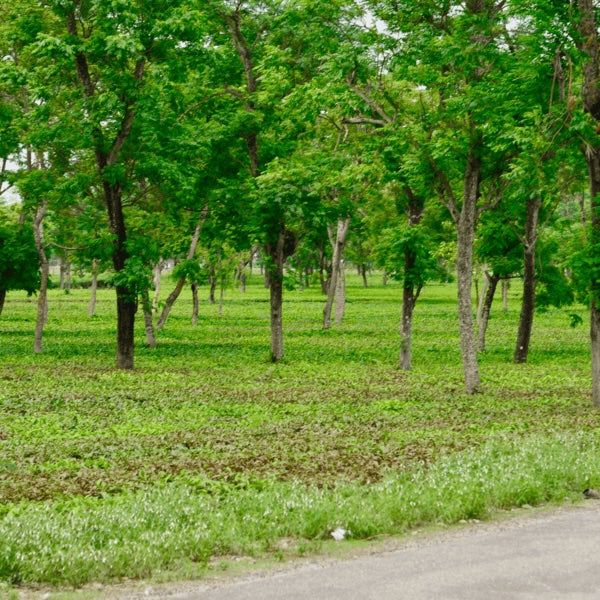
Tree Plantation for SDG - Support Sustainable Development Goals
Tree plantation for SDG initiatives represents a powerful pathway to achieving multiple...
-
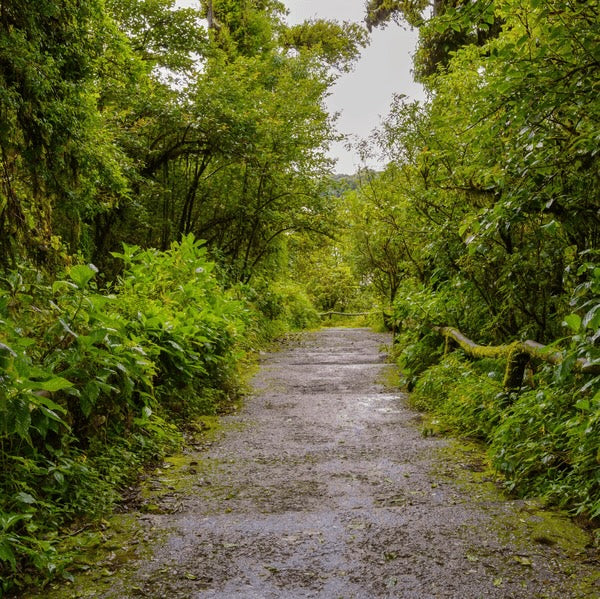
Corporate Tree Plantation Programs - Sustainable ESG Environmental Solutions for Net Zero Targets
Transform your organization's environmental impact with our comprehensive Corporate Tree Plantation Programs...
-
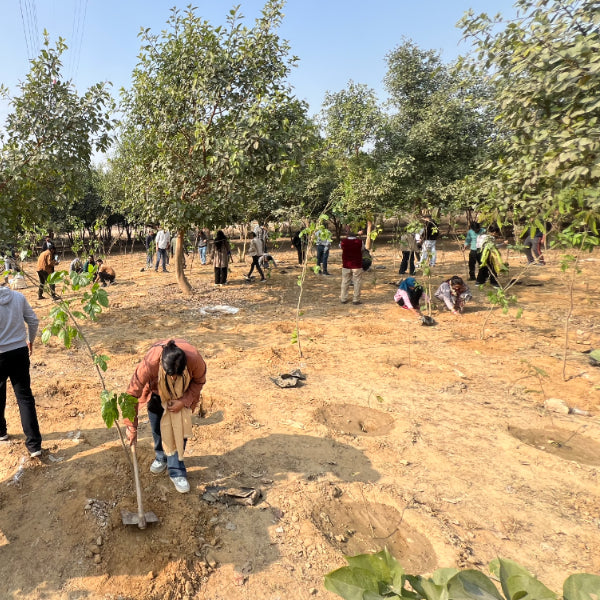
Tree Plantation by Location - Plant Trees Across India
Transform landscapes nationwide through our comprehensive tree plantation by location program. When...
Most Popular Tree Plantations - Top Choices for Environmental Impact
-
Trees for Mother
Regular price ₹ 299Regular priceUnit price per -
Trees to Honor the Memory of your Loved Ones
Regular price ₹ 299Regular priceUnit price per -
Trees for Wedding Anniversary Celebration
Regular price ₹ 299Regular priceUnit price per -
Trees for Grandmother
Regular price ₹ 299Regular priceUnit price per -
Trees for Grandfather
Regular price ₹ 299Regular priceUnit price per