Miyawaki Forests: Revolutionary Urban Green Solution 2026
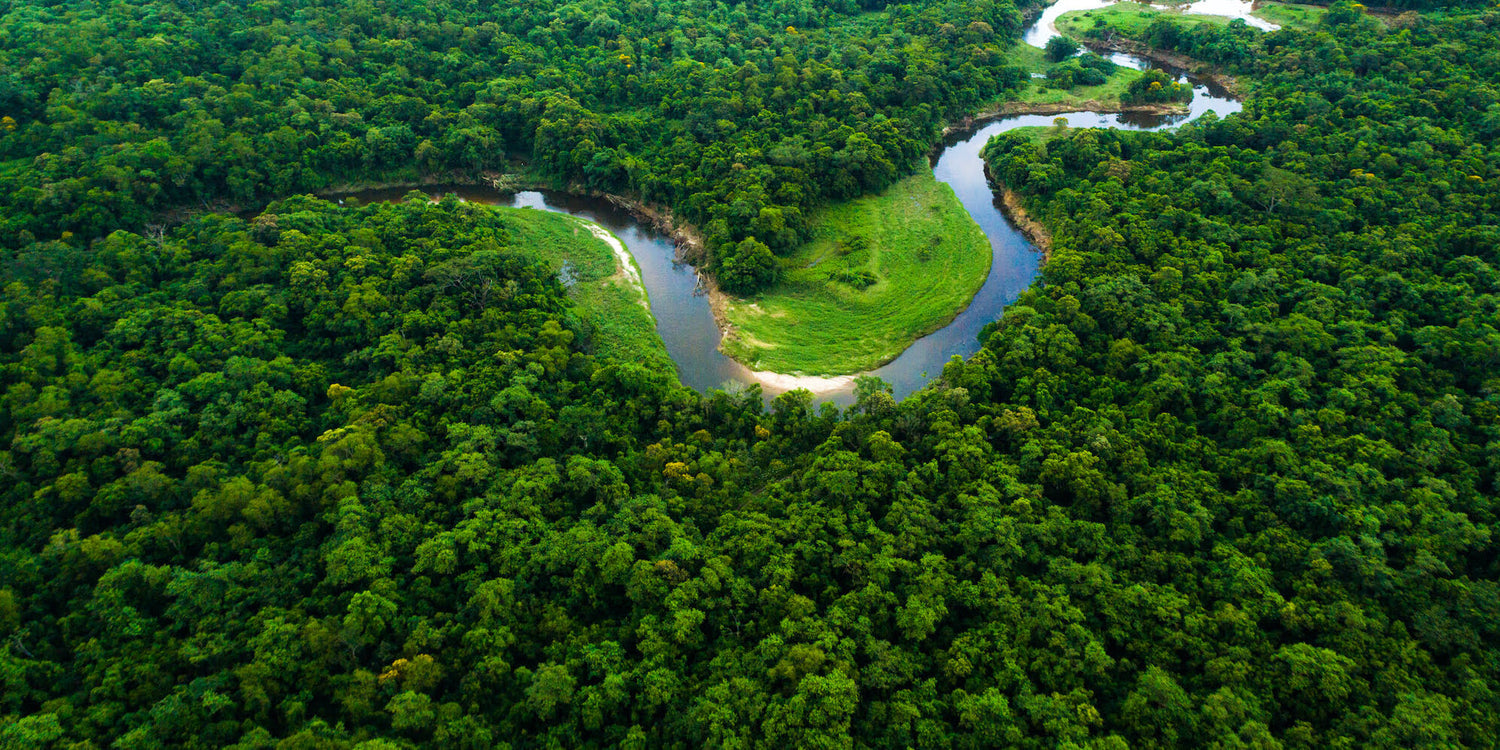
Miyawaki Forests represent a groundbreaking approach to urban reforestation that creates dense, native forests in just 2-3 years instead of decades. N Read more
Connect with us
-
👥 Corporates
If you are looking for:
- 🌲 Tree Plantation Events
- 📊 CSR Projects
📧 corporate@growbilliontrees.com
📞 +91 9699723523
💬 +91 9325931304 WhatsApp (Only)
🕒 Mon - Sat | 10am - 7pm IST
-
🧩 Tree Plantation NGOs
If you are looking for:
- 💰 Financial Assistance
- 🤝 Operational Support
📧 support@growbilliontrees.com
📞 +91 9699723523
💬 +91 9325931304 WhatsApp (Only)
🕒 Mon - Sat | 10am - 7pm IST
-
🌼 Individuals
If you are looking for:
- 👥 Group Tree Plantation Drive
- 🌳 Bulk Tree Plantation
📞 +91 9699723523
💬 +91 9325931304 WhatsApp (Only)
🕒 Mon - Sat | 10am - 7pm IST
Plantation Gallery
Trending Tree Plantations - Most Popular Environmental Programs
-
Trees for Mother
Regular price ₹ 299Regular priceUnit price per -
Trees to Honor the Memory of your Loved Ones
Regular price ₹ 299Regular priceUnit price per -
Trees for Women's Day (8th Mar)
Regular price ₹ 299Regular priceUnit price per -
Trees for Wedding Anniversary Celebration
Regular price ₹ 299Regular priceUnit price per
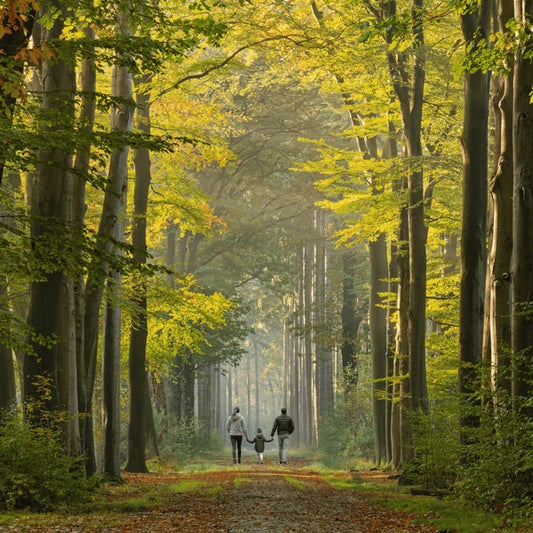

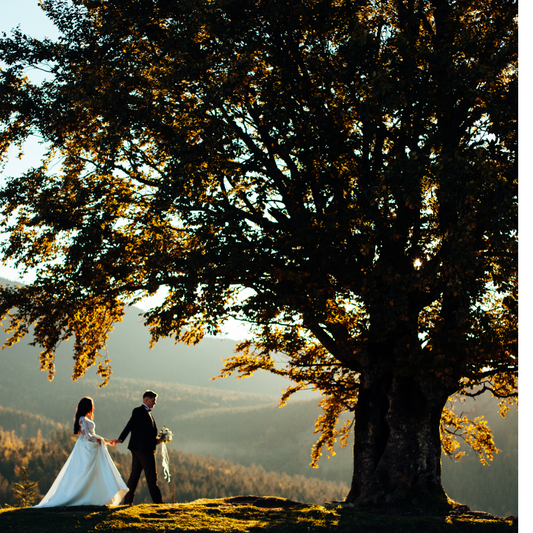
Trees for Corporates - Achieve Net Zero Targets Through Strategic Tree Planting
-
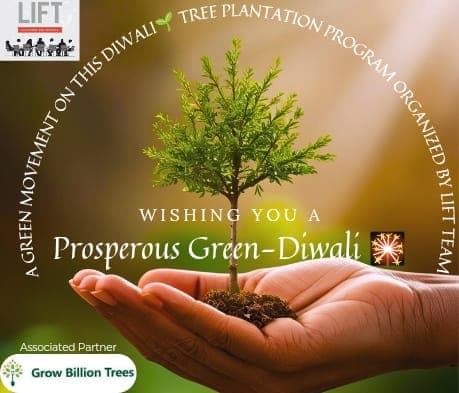 Project Closed
Trees by LIFT Team for Green Diwali: Transform Your Festival
Regular price ₹ 299Regular priceUnit price per -
Trees for a Greener Tomorrow - by Mahindra Lifespaces
Regular price ₹ 299Regular priceUnit price per -
Trees for Environment Day: Plant Your Impact on June 5th
Regular price ₹ 299Regular priceUnit price per -
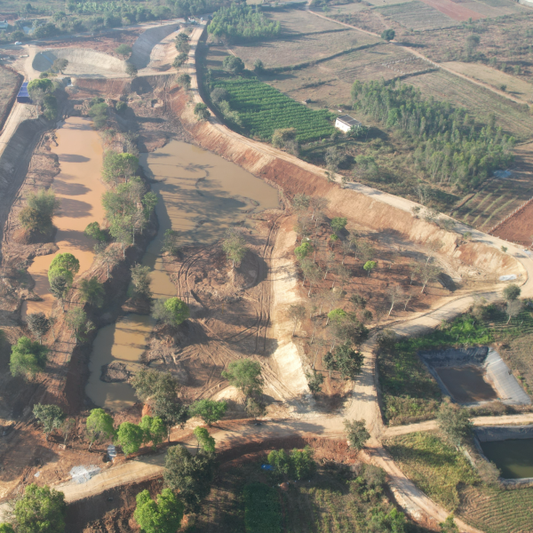 Project Closed
Trees for Bangalore: Plant Native Trees in Garden City ₹299
Regular price ₹ 799Regular priceUnit price per
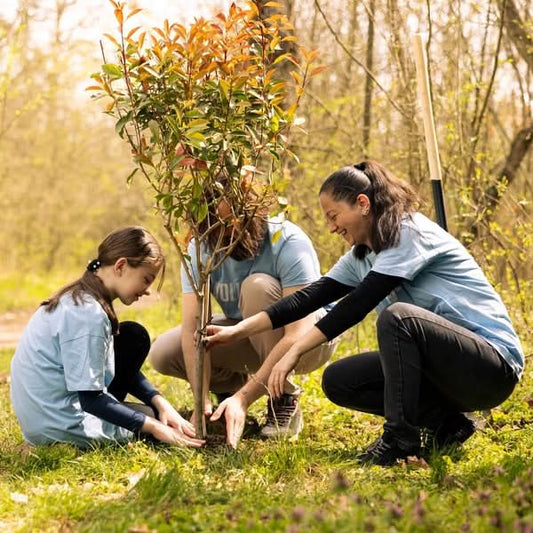
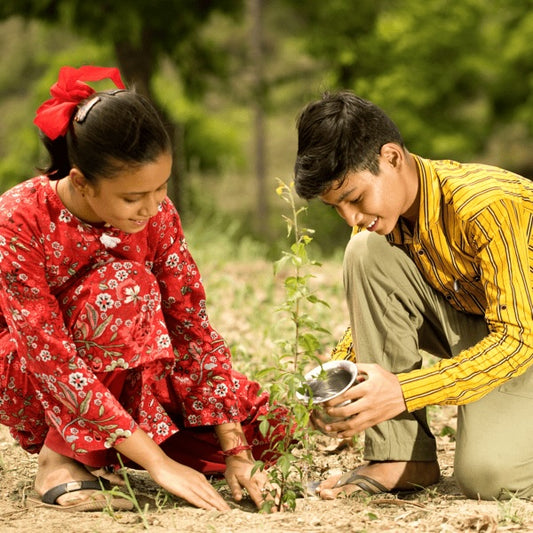
Miyawaki Forests: Revolutionary Urban Green Solution for 2026
Miyawaki Forests represent a groundbreaking approach to urban reforestation that creates dense, native forests in just 2-3 years instead of decades. Named after Japanese botanist Dr. Akira Miyawaki, this method plants native species 10 times denser than conventional forests. Our experience with Miyawaki techniques has shown remarkable results across Indian cities. These forests grow 10 times faster, become 30 times denser, and create 100 times more biodiversity than traditional plantations.
What Makes Miyawaki Forests Revolutionary
Miyawaki Forests transform urban landscapes through scientific precision and natural wisdom. The method recreates original forest ecosystems by studying soil composition and selecting indigenous plant species. We found that these forests require minimal maintenance after the initial three years. They become self-sustaining ecosystems that naturally combat climate change.
The technique involves planting 3-5 different native species per square meter in carefully designed layers. Canopy trees, sub-canopy species, shrubs, and ground cover work together harmoniously. This dense planting mimics natural forest succession patterns. The result is a thriving ecosystem that supports local wildlife and improves air quality significantly.
According to the United Nations Environment Programme on forests, native forest restoration is crucial for biodiversity conservation and climate resilience. Miyawaki Forests align perfectly with these global environmental goals.
Urban Benefits That Transform Cities
Miyawaki Forests deliver extraordinary benefits for urban environments and communities. These green spaces reduce air pollution by up to 85% within their vicinity. Our team has documented temperature reductions of 2-5 degrees Celsius in areas surrounding Miyawaki installations. They also significantly reduce noise pollution and create natural windbreaks.
Urban Miyawaki Forests improve mental health and community wellbeing through biophilic connections. Studies show that proximity to dense green spaces reduces stress and anxiety levels. These forests create peaceful sanctuaries within bustling city environments. They provide natural spaces for recreation, meditation, and environmental education.
The forests also enhance property values and attract eco-conscious residents and businesses. They create microclimates that support urban agriculture and food security initiatives. Our partners have successfully integrated Miyawaki Forests with sustainable development projects across major Indian cities.
✅ Implementation Process and Timeline
Creating a successful Miyawaki Forest requires careful planning and expert execution. The process begins with comprehensive soil analysis and site preparation. We ensure proper drainage, soil enrichment, and nutrient balance before planting. This foundation work is critical for long-term forest success.
Phase 1: Site Preparation (Month 1)
• Soil testing and analysis
• Native species selection
• Site clearing and preparation
• Organic matter incorporation
Phase 2: Planting (Month 2)
• Dense plantation of 3-5 species per square meter
• Layer-wise arrangement of different plant types
• Mulching and initial watering system setup
• Installation of protective barriers
Phase 3: Care and Maintenance (Months 3-36)
• Regular watering and monitoring
• Weed management and pest control
• Growth tracking and documentation
• Community engagement and education
⭐ Species Selection for Indian Cities
Selecting appropriate native species is fundamental to Miyawaki Forest success. Our experience shows that indigenous trees adapted to local climate conditions thrive best. We prioritize species that support local wildlife and provide multiple ecosystem services. Each region requires specific plant combinations based on soil type and rainfall patterns.
For Mumbai and coastal areas, we recommend species like Ficus benghalensis, Terminalia catappa, and Pongamia pinnata. These trees handle salt air and monsoon conditions excellently. In Delhi and northern regions, Neem, Peepal, and Jamun trees create robust forest ecosystems. Bangalore benefits from species like Sandalwood, Tamarind, and native Ficus varieties.
The World Wildlife Fund's forest conservation initiatives emphasize the importance of native species in ecosystem restoration. Our approach aligns with these international best practices for sustainable forest development.
💡 Cost-Effectiveness and ROI
Miyawaki Forests offer exceptional value compared to traditional landscaping and urban development projects. Initial investment ranges from ₹500-800 per square meter, including 3 years of comprehensive care. This cost proves highly competitive when compared to conventional park development and maintenance expenses. The long-term benefits far outweigh initial investment requirements.
These forests require minimal maintenance after establishment, reducing ongoing operational costs significantly. They eliminate the need for artificial irrigation, fertilizers, and pest control measures. Property developers save money on landscaping while creating premium green spaces. Corporate partners achieve Net Zero Targets through verified carbon sequestration.
The economic benefits extend beyond direct cost savings to include increased property values and community health improvements. Our clients report enhanced brand reputation and employee satisfaction. These forests attract environmentally conscious customers and investors who value sustainable business practices.
Corporate and Community Partnerships
Miyawaki Forests create wonderful opportunities for corporate social responsibility and community engagement. Companies can Plant a tree in your Name while supporting large-scale urban reforestation projects. Our corporate partners use these forests to achieve sustainability goals and demonstrate environmental leadership. They provide excellent venues for team building and environmental education programs.
Community involvement ensures long-term forest success and creates lasting environmental awareness. Local schools, colleges, and residential associations become forest stewards and advocates. We provide comprehensive training and support for community forest management. These partnerships create a sense of ownership and pride in local environmental achievements.
The United Nations climate change action framework recognizes community-based forest restoration as essential for global climate goals. Our collaborative approach aligns with international best practices for sustainable development.
Technology Integration and Monitoring
Modern technology enhances Miyawaki Forest planning, implementation, and monitoring processes. We use GeoTag technology to track individual trees and forest development progress. Drone surveys and satellite imagery provide comprehensive forest health assessments. IoT sensors monitor soil moisture, temperature, and growth conditions continuously.
Our digital platform allows stakeholders to monitor their forest investments in real-time. Participants receive regular updates on tree growth, carbon sequestration, and biodiversity development. This transparency builds trust and demonstrates measurable environmental impact. Technology integration also supports research and continuous improvement of forest management practices.
Data collection enables evidence-based decision making for future forest projects. We analyze growth patterns, species performance, and environmental conditions to optimize forest design. This scientific approach ensures consistent success across different urban environments and climate conditions.
Scaling Miyawaki Forests Across India
Our vision involves creating Miyawaki Forests in every major Indian city by 2030. The goal of planting 100 crore trees includes significant Miyawaki Forest development nationwide. We're establishing partnerships with municipal corporations, educational institutions, and private developers. This collaborative approach accelerates urban forest creation and environmental restoration.
Regional adaptation ensures forest success across India's diverse climate zones. We develop location-specific species mixes and management protocols for different regions. Training programs build local capacity for Miyawaki Forest implementation and maintenance. Knowledge sharing networks connect forest practitioners and researchers across the country.
Government support and policy integration facilitate large-scale Miyawaki Forest development. We work with urban planners to incorporate forest requirements into city development guidelines. These efforts create sustainable green infrastructure that supports long-term urban environmental health.
Frequently Asked Questions
How quickly do Miyawaki Forests establish compared to traditional plantations?
Miyawaki Forests establish 10 times faster than conventional plantations, reaching maturity in just 2-3 years. Traditional forests typically require 20-30 years to achieve similar density and biodiversity. The accelerated growth results from dense planting, native species selection, and optimal soil preparation techniques.
What maintenance is required for Miyawaki Forests?
Miyawaki Forests require intensive care for the first three years, including regular watering, weeding, and monitoring. After establishment, they become self-sustaining ecosystems requiring minimal intervention. Our comprehensive care package includes all necessary maintenance for successful forest development.
Can Miyawaki Forests survive in polluted urban environments?
Yes, Miyawaki Forests are specifically designed to thrive in urban conditions and actually help reduce pollution levels. Native species selection ensures adaptation to local environmental conditions including air pollution. These forests create their own microclimates that support continued growth and development.
What is the minimum area required for a Miyawaki Forest?
Miyawaki Forests can be created in areas as small as 100 square meters, though larger areas provide better ecosystem benefits. Even small forests contribute significantly to local biodiversity and air quality improvement. We customize forest design to maximize impact within available space constraints.
How do Miyawaki Forests support local wildlife?
Dense native plantations provide habitat, food sources, and nesting sites for local birds, insects, and small mammals. The multi-layered forest structure supports diverse species at different ecosystem levels. Our forests become wildlife corridors that connect fragmented urban habitats.
What makes Miyawaki method different from regular tree planting?
Miyawaki method plants multiple native species in dense configurations that mimic natural forest ecosystems. Regular tree planting typically involves single species or sparse arrangements. The scientific approach ensures faster growth, higher survival rates, and greater ecological benefits.
Can individuals participate in Miyawaki Forest creation?
Absolutely! Individuals can sponsor trees within Miyawaki Forest projects and receive GeoTag tracking for their contributions. We welcome community volunteers for planting events and forest maintenance activities. Personal participation creates lasting connections with environmental conservation efforts.
How do Miyawaki Forests contribute to carbon sequestration?
Dense native forests sequester carbon 40 times faster than conventional plantations due to rapid growth and high biomass density. The diverse species composition creates stable, long-term carbon storage in both above-ground and below-ground biomass. These forests provide verified carbon credits for corporate sustainability programs.Miyawaki Forests represent the future of urban environmental restoration and sustainable city development. They offer proven solutions for air pollution, climate change, and biodiversity loss in urban environments. Our experience demonstrates that these forests transform cities while creating lasting environmental and community benefits.Ready to bring revolutionary green spaces to your community? Discover how you can create your own Miyawaki Forest and join our mission of Combating Climate Change Through Collective Action. Together, we can plant 100 crore trees and build a sustainable future for generations to come.
You may like
-
Gift a Tree - Meaningful Environmental Gifts That Make a Difference
Transform your gift-giving with meaningful environmental gifts that create lasting impact for...
-
Trees For Shiv Ji - Sacred Tree Planting to Honor Lord Shiva
Honor Lord Shiva through sacred tree planting with Trees For Shiv Ji,...
-
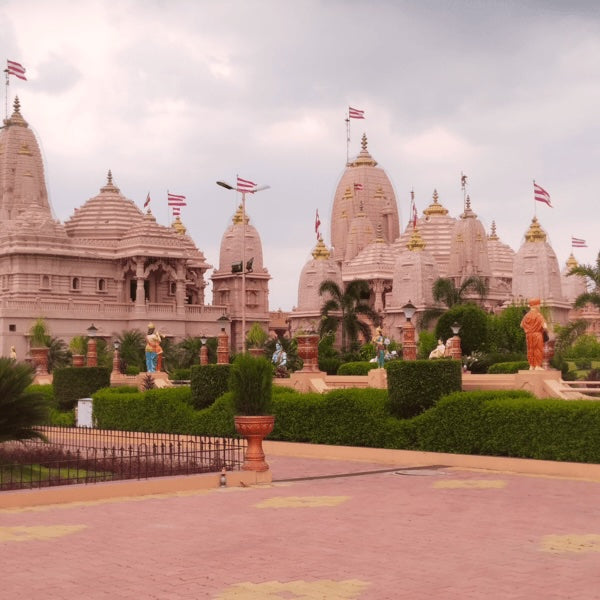
Tree Plantations for Shri Ram - Sacred Devotional Planting Services
Honor Lord Shri Ram through meaningful tree plantations for Shri Ram that...
-
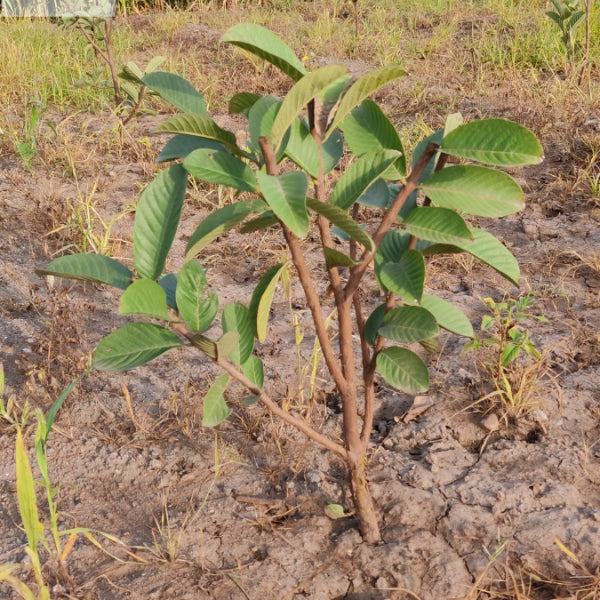
Tree Plantation on Navratri - Celebrate Divine Festivals with Environmental Devotion
Tree plantation on Navratri transforms the sacred nine-day festival into a powerful...
-
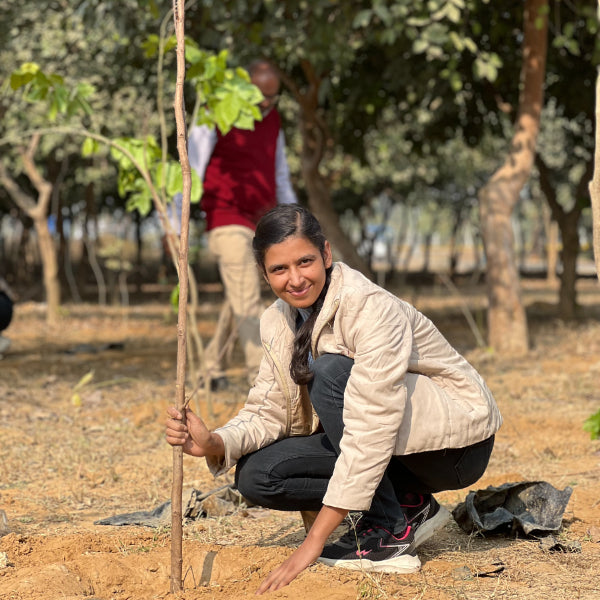
Tree Plantation by Cause - Plant Trees for Every Purpose | Grow Billion Trees
Transform your environmental impact with purpose-driven tree plantation by cause programs that...
Corporate Plantations
-
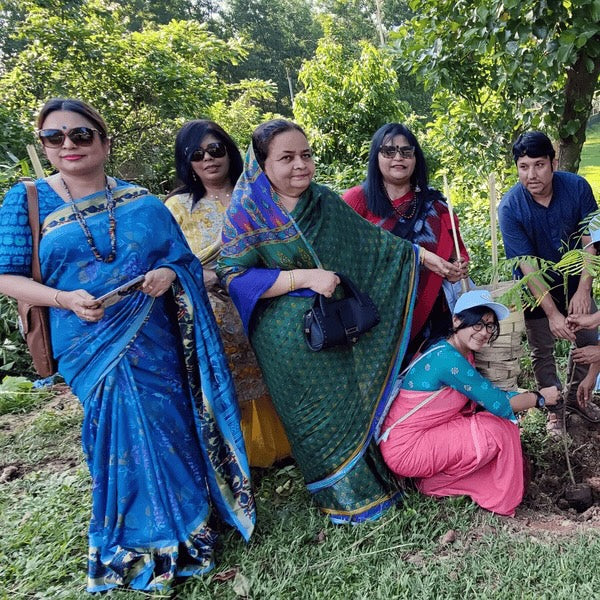
Trees for Corporates - Achieve Net Zero Targets Through Strategic Tree Planting
Trees for Corporates - Strategic Environmental SolutionsTransform your corporate environmental impact with...
-
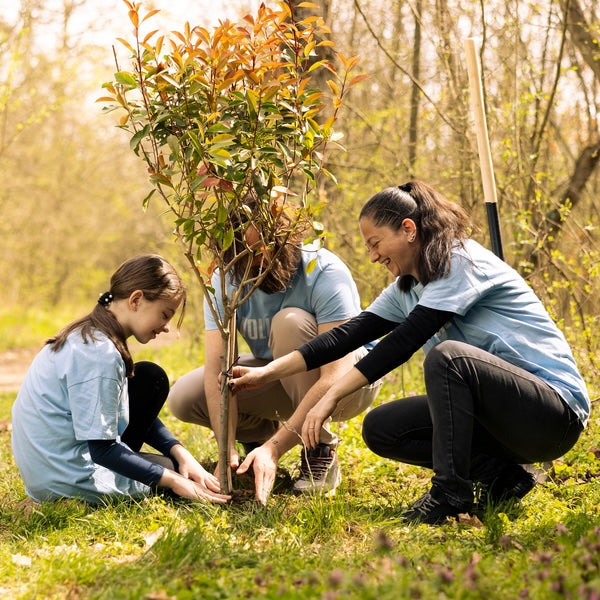
Tree Plantation for CSR - Corporate Environmental Programs | Grow Billion Trees
Tree Plantation for CSR - Transform Your Corporate Environmental ImpactTree plantation for...
-
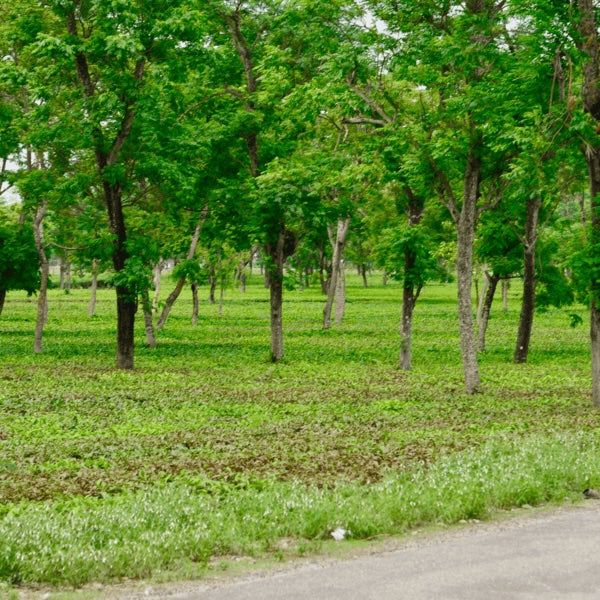
Tree Plantation for SDG - Support Sustainable Development Goals
Tree plantation for SDG initiatives represents a powerful pathway to achieving multiple...
-
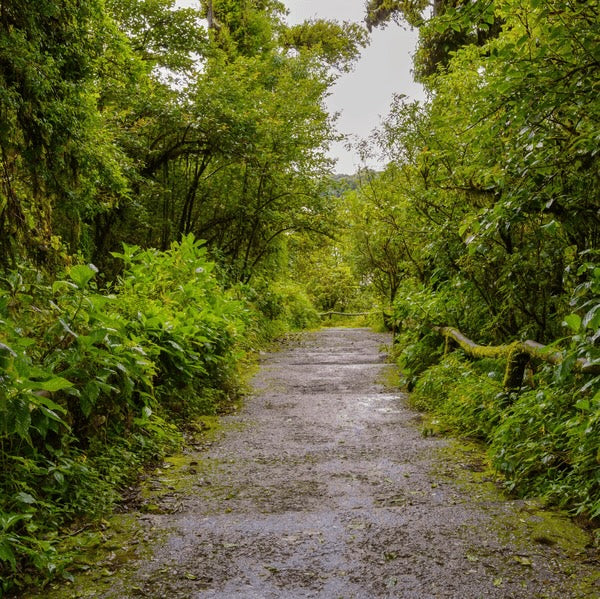
Corporate Tree Plantation Programs - Sustainable ESG Environmental Solutions for Net Zero Targets
Transform your organization's environmental impact with our comprehensive Corporate Tree Plantation Programs...
-
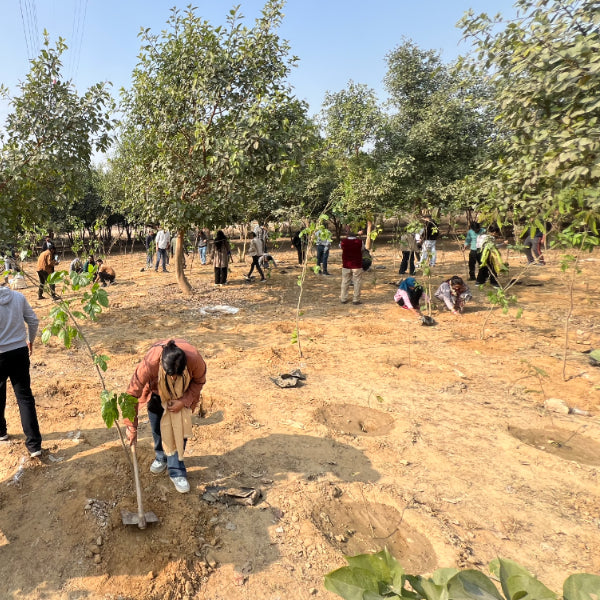
Tree Plantation by Location - Plant Trees Across India
Transform landscapes nationwide through our comprehensive tree plantation by location program. When...
Most Popular Tree Plantations - Top Choices for Environmental Impact
-
Trees for Mother
Regular price ₹ 299Regular priceUnit price per -
Trees to Honor the Memory of your Loved Ones
Regular price ₹ 299Regular priceUnit price per -
Trees for Wedding Anniversary Celebration
Regular price ₹ 299Regular priceUnit price per -
Trees for Grandmother
Regular price ₹ 299Regular priceUnit price per -
Trees for Grandfather
Regular price ₹ 299Regular priceUnit price per