
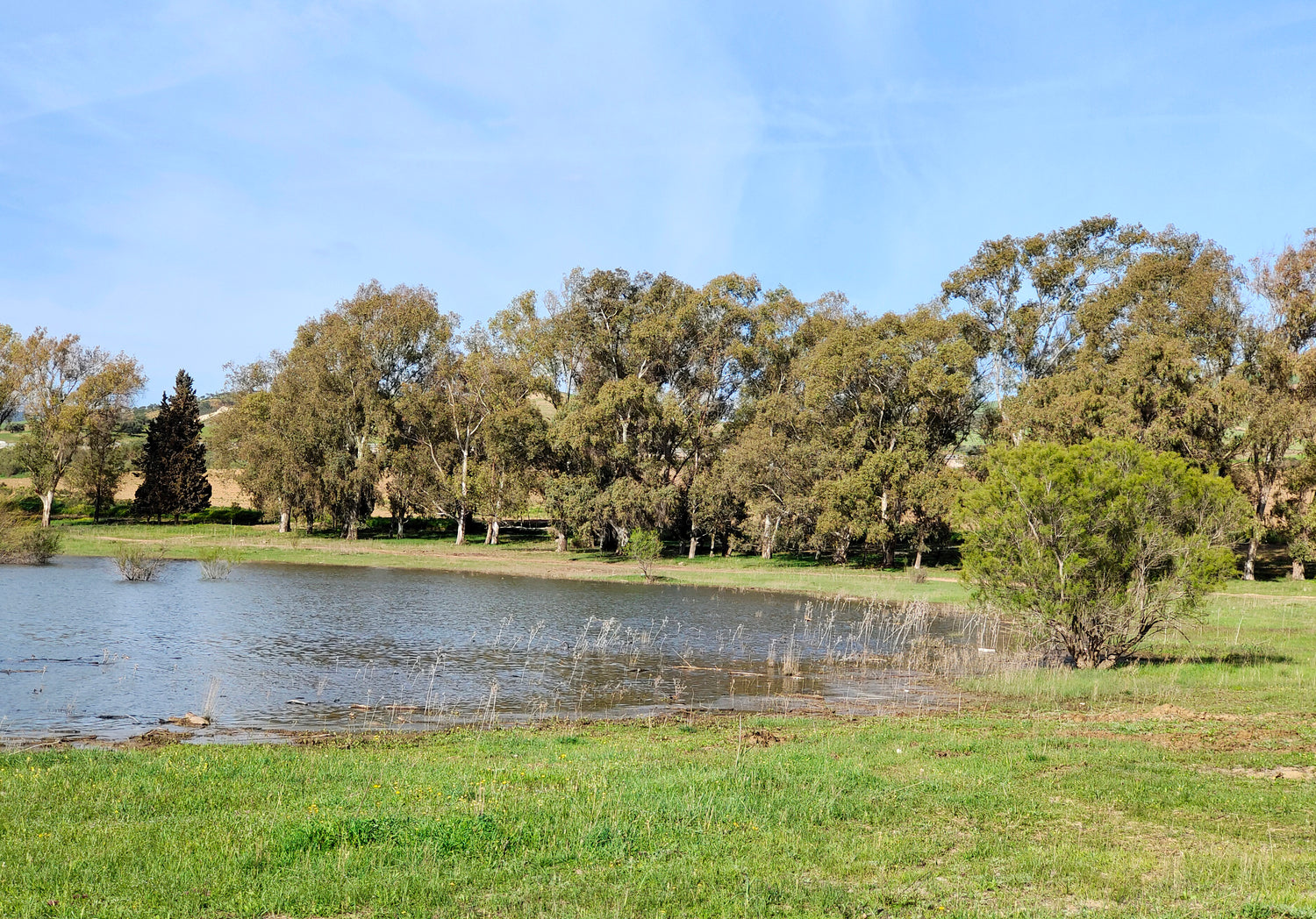
Nainital Lake: Kumaon's Crown Jewel & Conservation Guide
Nainital Lake stands as the crown jewel of Uttarakhand's hill station, captivating millions of visitors with its pristine waters and breathtaking moun Read more
Connect with us
-
👥 Corporates
If you are looking for:
- 🌲 Tree Plantation Events
- 📊 CSR Projects
📧 corporate@growbilliontrees.com
📞 +91 9699723523
💬 +91 9325931304 WhatsApp (Only)
🕒 Mon - Sat | 10am - 7pm IST
-
🧩 Tree Plantation NGOs
If you are looking for:
- 💰 Financial Assistance
- 🤝 Operational Support
📧 support@growbilliontrees.com
📞 +91 9699723523
💬 +91 9325931304 WhatsApp (Only)
🕒 Mon - Sat | 10am - 7pm IST
-
🌼 Individuals
If you are looking for:
- 👥 Group Tree Plantation Drive
- 🌳 Bulk Tree Plantation
📞 +91 9699723523
💬 +91 9325931304 WhatsApp (Only)
🕒 Mon - Sat | 10am - 7pm IST
Trees for Corporates - Achieve Net Zero Targets Through Strategic Tree Planting
-
 Project Closed
Trees by LIFT Team for Green Diwali: Transform Your Festival
Regular price ₹ 299Regular priceUnit price per -
Trees for a Greener Tomorrow - by Mahindra Lifespaces
Regular price ₹ 299Regular priceUnit price per -
Trees for Environment Day: Plant Your Impact on June 5th
Regular price ₹ 299Regular priceUnit price per -
Trees for Employees: Transform Your Corporate Culture in 2026
Regular price ₹ 299Regular priceUnit price per -
 Project Closed
Trees for Bangalore: Plant Native Trees in Garden City ₹299
Regular price ₹ 799Regular priceUnit price per

Trending Tree Plantations - Most Popular Environmental Programs
-
Trees for Mother
Regular price ₹ 299Regular priceUnit price per -
Trees to Honor the Memory of your Loved Ones
Regular price ₹ 299Regular priceUnit price per -
Trees for Women's Day (8th Mar)
Regular price ₹ 299Regular priceUnit price per -
Trees for Wedding Anniversary Celebration
Regular price ₹ 299Regular priceUnit price per -
Trees for Grandmother
Regular price ₹ 299Regular priceUnit price per




Nainital Lake: The Jewel of Kumaon's Natural Heritage
Nainital Lake stands as the crown jewel of Uttarakhand's hill station, captivating millions of visitors with its pristine waters and breathtaking mountain backdrop. This natural wonder, nestled at 2,084 meters above sea level, serves as the beating heart of Nainital town and represents one of India's most cherished freshwater ecosystems.
Our team has explored countless mountain lakes across India, and we found that Nainital Lake offers an unparalleled combination of natural beauty and cultural significance. The lake's emerald waters reflect the surrounding Kumaon hills, creating a magical mirror that has inspired poets and nature lovers for generations.
The Sacred Origins of Nainital Lake
Legend speaks of Nainital Lake's divine creation when Goddess Sati's eye fell at this very spot during Lord Shiva's cosmic dance. The word 'Nainital' derives from 'Naini', meaning eye, and 'Tal', meaning lake. This sacred connection makes the lake a pilgrimage destination for many devotees.
Geologically, Nainital Lake formed through tectonic activity millions of years ago. The lake basin sits within a natural depression created by geological upheaval. Our experience shows that understanding these origins helps visitors appreciate the lake's unique ecosystem and fragile balance.
The lake measures approximately 1,432 meters in length and 463 meters in width. Its maximum depth reaches 27 meters, making it one of India's deeper natural mountain lakes. These dimensions create perfect conditions for the diverse aquatic life that thrives beneath its surface.
Ecological Significance and Biodiversity
Nainital Lake supports a remarkable ecosystem that includes various fish species, aquatic plants, and migratory birds. According to the United Nations Environment Programme on forest ecosystems, mountain lakes like Nainital play crucial roles in regional biodiversity conservation.
The surrounding forests contribute significantly to the lake's health through natural filtration systems. These woodlands prevent soil erosion and maintain water quality. We ensure our tree planting initiatives around such water bodies follow sustainable practices that protect aquatic ecosystems.
Over 200 bird species visit the lake throughout the year, including migratory waterfowl during winter months. The lake's ecosystem supports both resident and visiting species, creating a vibrant natural habitat. Our partners in conservation have documented significant improvements in bird populations through protective measures.
Fish species including mahseer, mirror carp, and rainbow trout inhabit the lake's depths. However, pollution and human activities pose growing threats to this delicate balance. Therefore, conservation efforts become increasingly critical for preserving this natural treasure.
Tourism and Cultural Heritage
Nainital Lake attracts over 15 million tourists annually, making it one of India's most visited hill station destinations. The lake offers various recreational activities including boating, yachting, and lakeside walks. Visitors love the peaceful atmosphere and stunning mountain reflections.
The famous Mall Road encircles the lake, providing easy access to shops, restaurants, and hotels. This pedestrian-friendly promenade creates wonderful opportunities for leisurely strolls while enjoying lake views. Our team found that early morning walks offer the most serene experiences.
Traditional wooden boats called 'nauka' provide authentic lake experiences for tourists. Boating regulations ensure visitor safety while protecting the lake's ecosystem. The Nainital Boat Club, established in 1910, maintains these maritime traditions and promotes responsible tourism practices.
Cultural festivals and events regularly celebrate the lake's significance in local traditions. The annual Nanda Devi Fair brings thousands of pilgrims who consider the lake sacred. These celebrations highlight the deep connection between local communities and their natural environment.
Environmental Challenges and Conservation
Climate change poses significant threats to Nainital Lake's ecosystem and water levels. Rising temperatures affect the delicate balance of mountain lake environments. The United Nations climate change initiatives emphasize the vulnerability of high-altitude water bodies to global warming effects.
Pollution from tourism activities, sewage discharge, and urban development threatens water quality. Plastic waste, untreated wastewater, and construction runoff create ongoing environmental challenges. We provide comprehensive solutions through our environmental restoration programs beyond traditional tree planting.
Sedimentation reduces the lake's depth and affects aquatic habitats. Deforestation in surrounding watersheds accelerates soil erosion into the lake. According to the World Wildlife Fund's research on deforestation impacts, forest loss around water bodies significantly affects aquatic ecosystem health.
Local authorities implement various conservation measures including sewage treatment plants and waste management systems. However, growing tourist numbers require enhanced environmental protection strategies. Our experience demonstrates that community involvement proves essential for successful conservation outcomes.
Sustainable Tourism Initiatives
Eco-friendly tourism practices help preserve Nainital Lake for future generations. Visitors can contribute by following responsible tourism guidelines and supporting local conservation efforts. Simple actions like proper waste disposal and respecting wildlife create positive environmental impacts.
Electric boats reduce pollution and noise levels on the lake. Solar-powered facilities around the lake demonstrate renewable energy applications in tourism infrastructure. These innovations prove that environmental protection and tourism can coexist successfully.
Community-based tourism initiatives provide economic opportunities while promoting conservation awareness. Local guides share traditional ecological knowledge and conservation stories with visitors. We found that these authentic experiences create deeper connections between tourists and natural environments.
Certification programs for hotels and tour operators encourage sustainable practices throughout the tourism industry. Green building standards and waste reduction programs minimize environmental footprints. Therefore, choosing certified accommodations supports conservation efforts directly.
The Role of Reforestation in Lake Conservation
Healthy forests surrounding Nainital Lake maintain water quality through natural filtration systems. Trees prevent soil erosion, regulate water flow, and provide habitat for wildlife. Our agroforestry programs demonstrate how strategic tree planting improves watershed health.
Native species like oak, pine, and rhododendron create optimal forest ecosystems around mountain lakes. These indigenous trees adapt naturally to local climate conditions and support regional biodiversity. We ensure our Miyawaki forest projects use appropriate native species for maximum ecological benefits.
Reforestation efforts help combat climate change effects on mountain ecosystems. Trees absorb carbon dioxide and moderate local temperatures. Our goal to plant 100 crore trees across India includes strategic watershed restoration projects that protect precious water resources like Nainital Lake.
Community participation in tree planting creates lasting conservation awareness. When local residents actively participate in reforestation, they develop stronger connections to environmental protection. Plant a tree in your Name through our programs and contribute directly to watershed conservation efforts.
Planning Your Visit to Nainital Lake
The best time to visit Nainital Lake spans from March to June and September to November. These months offer pleasant weather and clear mountain views. Monsoon season brings heavy rainfall that can affect travel plans and outdoor activities.
Accommodation options range from luxury hotels to budget guesthouses, all offering lake views. Booking in advance ensures better choices, especially during peak tourist seasons. Many hotels implement eco-friendly practices that support lake conservation efforts.
Transportation to Nainital includes regular bus services from major cities and taxi options from nearby railway stations. The nearest airport is Pantnagar, approximately 70 kilometers away. Electric vehicle charging stations promote sustainable transportation options for environmentally conscious visitors.
Popular activities include boating, trekking, shopping at Mall Road, and visiting nearby attractions like Snow View Point and Tiffin Top. Photography enthusiasts love capturing sunrise and sunset reflections on the lake's surface. We recommend respecting local guidelines and maintaining clean environments during all activities.
Supporting Conservation Through Responsible Choices
Visitors can support Nainital Lake conservation by choosing eco-friendly accommodations and tour operators. Supporting local businesses that prioritize environmental protection creates positive economic incentives for conservation. Small actions collectively create significant positive impacts on fragile mountain ecosystems.
Participating in community conservation programs provides hands-on environmental experiences. Many organizations offer volunteer opportunities for lake cleaning, tree planting, and wildlife monitoring. Our comprehensive environmental restoration programs welcome participants who want to make meaningful contributions.
Educational tourism helps spread conservation awareness beyond individual visits. Learning about local ecosystems, traditional practices, and conservation challenges creates informed environmental advocates. We provide sustainability education certificates that validate conservation knowledge and commitment.
Corporate groups can achieve net zero targets through strategic environmental partnerships in sensitive regions like Nainital. Our corporate environmental programs combine team building with meaningful conservation action. Companies discover that environmental responsibility enhances brand reputation and employee satisfaction.
Frequently Asked Questions
What makes Nainital Lake environmentally significant?
Nainital Lake supports diverse ecosystems including fish, birds, and aquatic plants while serving as a crucial water source for local communities. The lake's high-altitude location makes it particularly vulnerable to climate change effects, requiring careful conservation management.
How can tourists help protect Nainital Lake?
Tourists can protect the lake by following responsible tourism practices, proper waste disposal, supporting eco-friendly businesses, and participating in conservation activities. Choosing sustainable transportation and accommodations also reduces environmental impact on the fragile mountain ecosystem.
What threatens Nainital Lake's ecosystem?
Major threats include pollution from tourism activities, climate change effects, deforestation in surrounding areas, and urban development pressure. Sewage discharge, plastic waste, and sedimentation pose ongoing challenges to water quality and aquatic life.
When is the best time to visit Nainital Lake?
The optimal visiting periods are March to June and September to November when weather conditions are pleasant and visibility is excellent. Monsoon season brings heavy rainfall that can affect outdoor activities and travel safety.
How does reforestation help Nainital Lake?
Reforestation around the lake prevents soil erosion, maintains water quality through natural filtration, and provides wildlife habitat. Trees also help regulate local climate and water flow patterns, supporting the lake's long-term ecological health.
What activities are available at Nainital Lake?
Popular activities include boating, lakeside walks, photography, shopping at Mall Road, and visiting nearby viewpoints. Eco-friendly options like electric boat rides and nature walks provide sustainable entertainment while minimizing environmental impact.
How can businesses support Nainital Lake conservation?
Businesses can support conservation through sustainable tourism practices, environmental partnerships, employee volunteer programs, and carbon offset initiatives. Corporate environmental programs help achieve net zero targets while contributing to watershed protection efforts.
What role does the local community play in lake conservation?
Local communities serve as primary guardians of the lake through traditional ecological knowledge, conservation practices, and tourism management. Community-based initiatives provide economic opportunities while promoting environmental protection and cultural preservation.Nainital Lake represents more than just a tourist destination—it embodies the delicate balance between human enjoyment and environmental preservation. This jewel of Kumaon requires our collective action to ensure its beauty and ecological significance endure for future generations. Through responsible tourism, reforestation efforts, and community conservation programs, we can protect this natural treasure while celebrating its cultural heritage. Discover how you can contribute to watershed conservation and help preserve India's precious mountain ecosystems for generations to come.
You may like
-
Gift a Tree - Meaningful Environmental Gifts That Make a Difference
Transform your gift-giving with meaningful environmental gifts that create lasting impact for...
-
Trees For Shiv Ji - Sacred Tree Planting to Honor Lord Shiva
Honor Lord Shiva through sacred tree planting with Trees For Shiv Ji,...
-
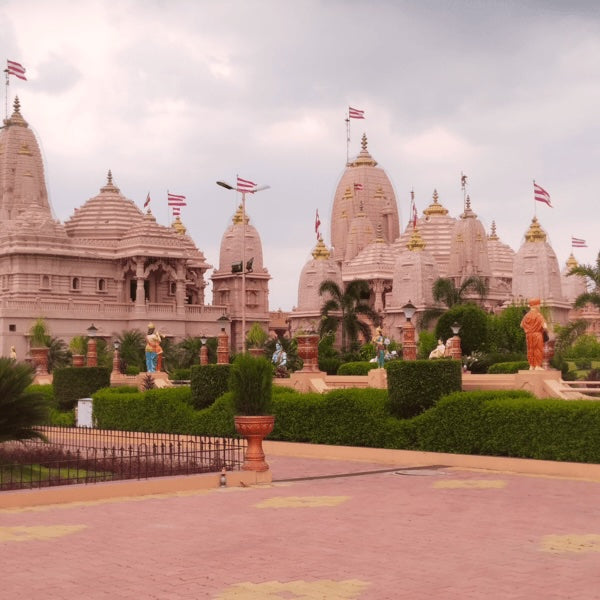
Tree Plantations for Shri Ram - Sacred Devotional Planting Services
Honor Lord Shri Ram through meaningful tree plantations for Shri Ram that...
-
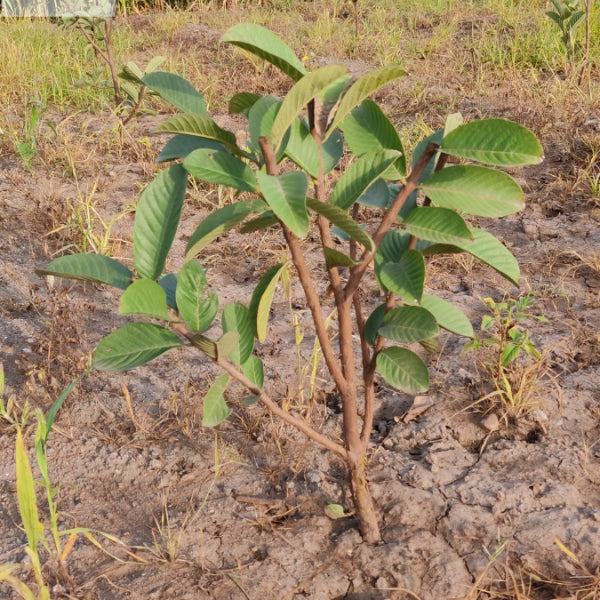
Tree Plantation on Navratri - Celebrate Divine Festivals with Environmental Devotion
Tree plantation on Navratri transforms the sacred nine-day festival into a powerful...
-
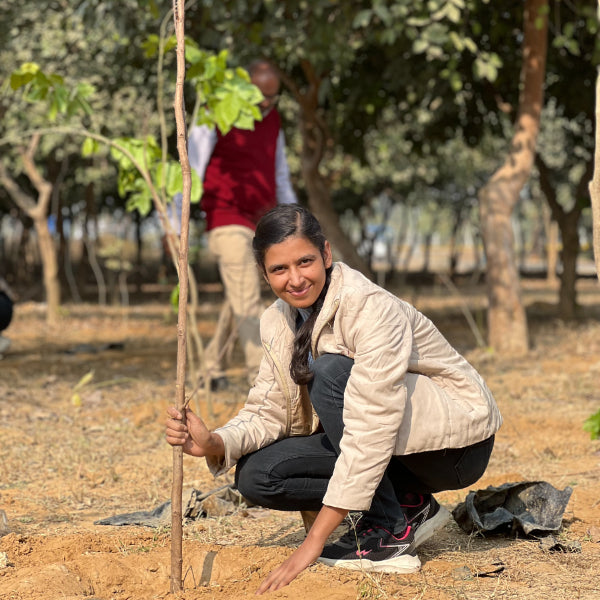
Tree Plantation by Cause - Plant Trees for Every Purpose | Grow Billion Trees
Transform your environmental impact with purpose-driven tree plantation by cause programs that...
Corporate Plantations
-
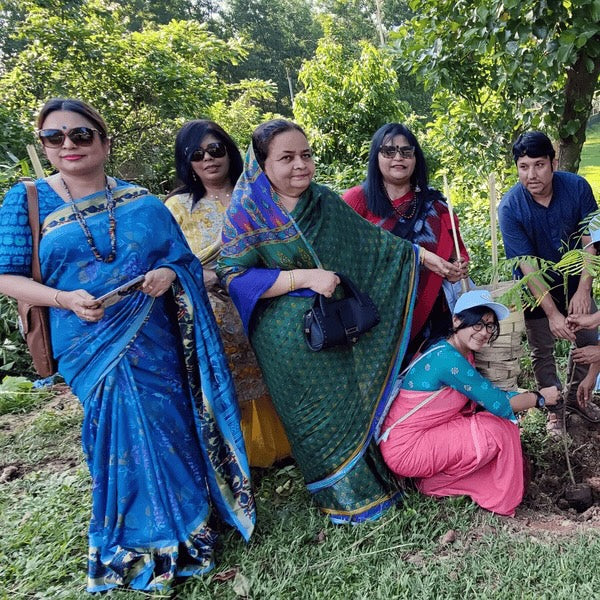
Trees for Corporates - Achieve Net Zero Targets Through Strategic Tree Planting
Trees for Corporates - Strategic Environmental SolutionsTransform your corporate environmental impact with...
-
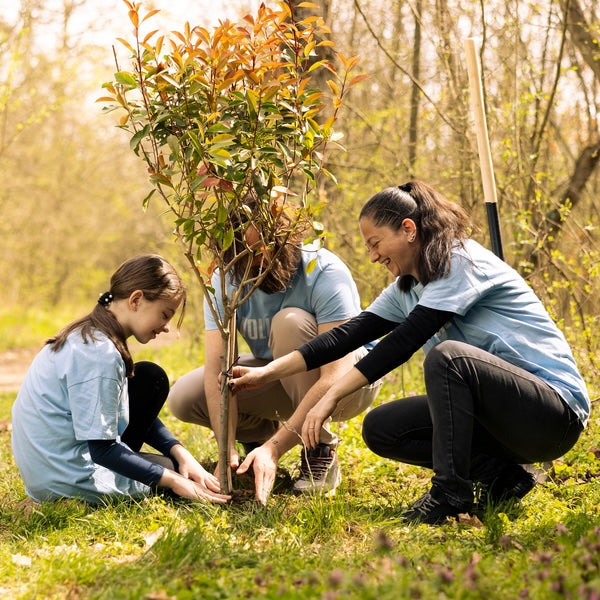
Tree Plantation for CSR - Corporate Environmental Programs | Grow Billion Trees
Tree Plantation for CSR - Transform Your Corporate Environmental ImpactTree plantation for...
-
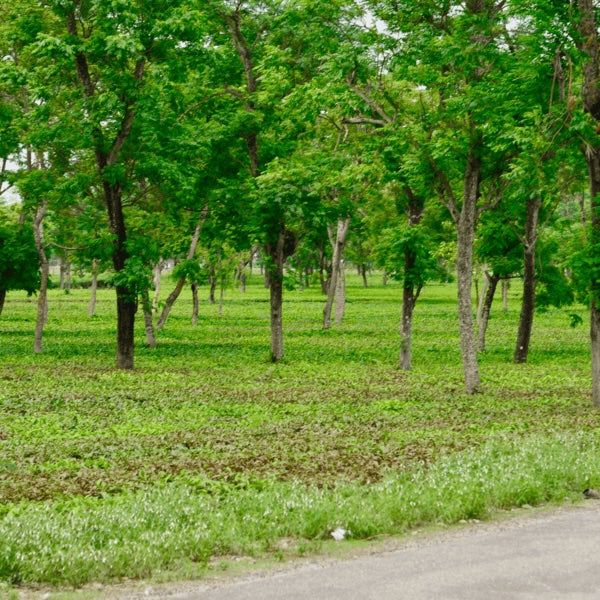
Tree Plantation for SDG - Support Sustainable Development Goals
Tree plantation for SDG initiatives represents a powerful pathway to achieving multiple...
-
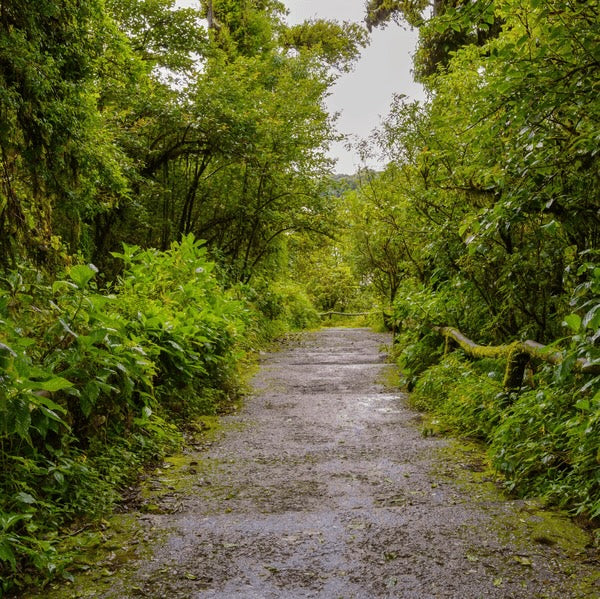
Corporate Tree Plantation Programs - Sustainable ESG Environmental Solutions for Net Zero Targets
Transform your organization's environmental impact with our comprehensive Corporate Tree Plantation Programs...
-
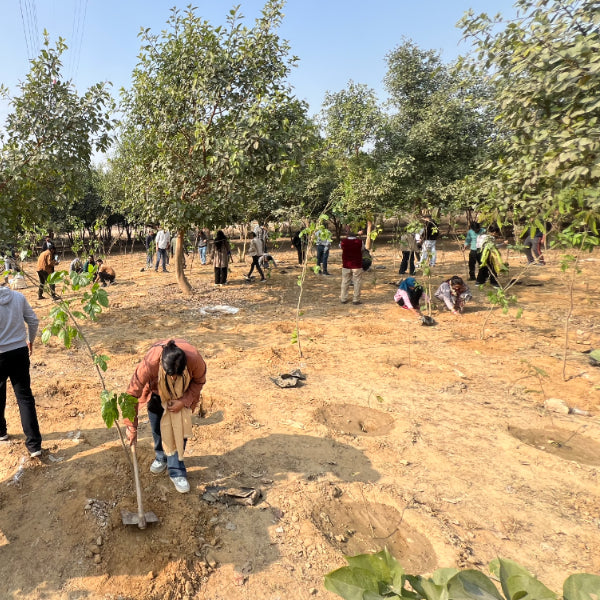
Tree Plantation by Location - Plant Trees Across India
Transform landscapes nationwide through our comprehensive tree plantation by location program. When...
Most Popular Tree Plantations - Top Choices for Environmental Impact
-
Trees for Mother
Regular price ₹ 299Regular priceUnit price per -
Trees to Honor the Memory of your Loved Ones
Regular price ₹ 299Regular priceUnit price per -
Trees for Wedding Anniversary Celebration
Regular price ₹ 299Regular priceUnit price per -
Trees for Grandmother
Regular price ₹ 299Regular priceUnit price per -
Trees for Grandfather
Regular price ₹ 299Regular priceUnit price per