
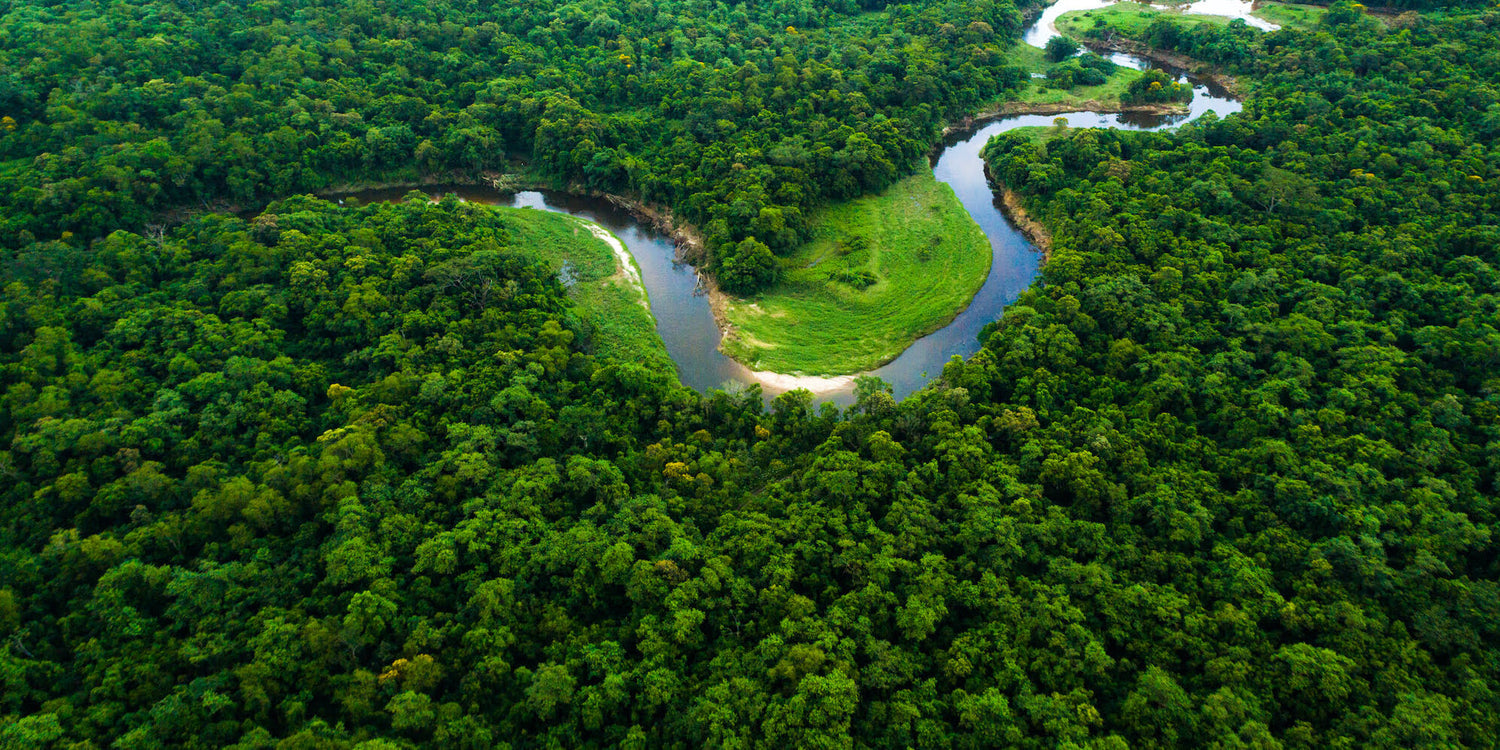
Natural Forest Management: Sustainable Conservation Guide
Natural forest management sustainable conservation and harvesting represents a wonderful approach to protecting our planet's precious forest ecosystem Read more

Connect with us
-
👥 Corporates
If you are looking for:
- 🌲 Tree Plantation Events
- 📊 CSR Projects
📧 corporate@growbilliontrees.com
📞 +91 9699723523
💬 +91 9325931304 WhatsApp (Only)
🕒 Mon - Sat | 10am - 7pm IST
-
🧩 Tree Plantation NGOs
If you are looking for:
- 💰 Financial Assistance
- 🤝 Operational Support
📧 support@growbilliontrees.com
📞 +91 9699723523
💬 +91 9325931304 WhatsApp (Only)
🕒 Mon - Sat | 10am - 7pm IST
-
🌼 Individuals
If you are looking for:
- 👥 Group Tree Plantation Drive
- 🌳 Bulk Tree Plantation
📞 +91 9699723523
💬 +91 9325931304 WhatsApp (Only)
🕒 Mon - Sat | 10am - 7pm IST
Plantation Gallery
Trending Tree Plantations - Most Popular Environmental Programs
-
Trees for Mother
Regular price ₹ 299Regular priceUnit price per -
Trees to Honor the Memory of your Loved Ones
Regular price ₹ 299Regular priceUnit price per -
Trees for Women's Day (8th Mar)
Regular price ₹ 299Regular priceUnit price per -
Trees for Wedding Anniversary Celebration
Regular price ₹ 299Regular priceUnit price per




Trees for Corporates - Achieve Net Zero Targets Through Strategic Tree Planting
-
 Project Closed
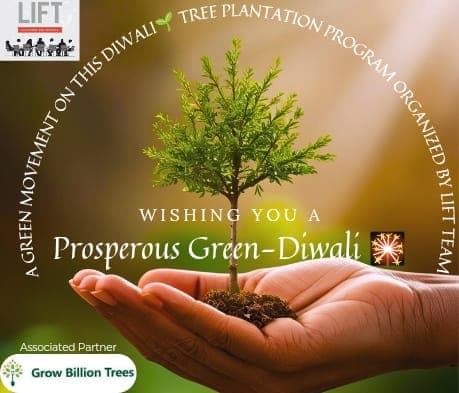
Trees by LIFT Team for Green Diwali: Transform Your Festival
Regular price ₹ 299Regular priceUnit price per -
Trees for a Greener Tomorrow - by Mahindra Lifespaces
Regular price ₹ 299Regular priceUnit price per -
Trees for Environment Day: Plant Your Impact on June 5th
Regular price ₹ 299Regular priceUnit price per -
 Project Closed
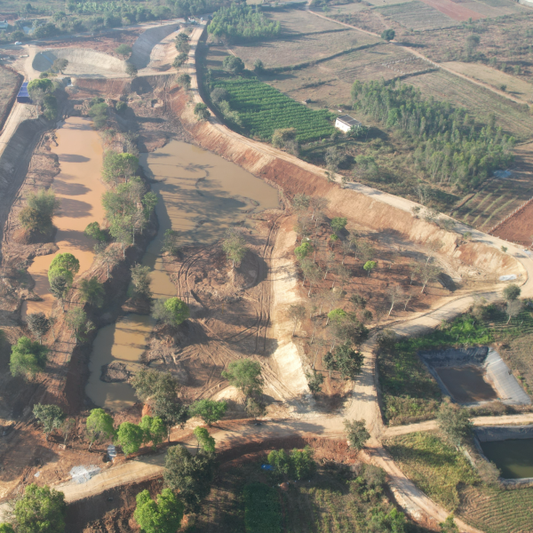
Trees for Bangalore: Plant Native Trees in Garden City ₹299
Regular price ₹ 799Regular priceUnit price per
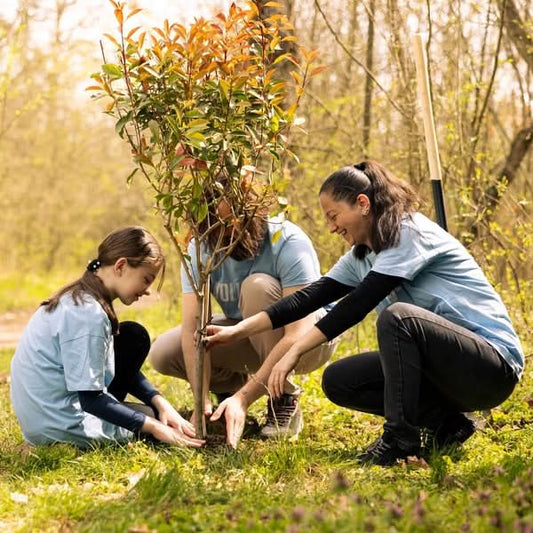

Natural Forest Management: Balancing Conservation and Harvest
Natural forest management sustainable conservation and harvesting represents a wonderful approach to protecting our planet's precious forest ecosystems while meeting human needs. We're happy to share that this balanced strategy ensures forests continue to thrive for future generations. Our experience shows that proper forest management creates a harmonious relationship between conservation efforts and sustainable resource use. This comprehensive approach welcomes both environmental protection and responsible economic development.
Understanding Natural Forest Management Principles
Natural forest management focuses on maintaining forest health while allowing selective harvesting. This sustainable approach preserves biodiversity and ecosystem functions. We ensure that harvesting practices mimic natural disturbance patterns. The goal is to maintain forest structure and composition over time.
Sustainable forest management involves careful planning and monitoring. Our team implements strategies that protect wildlife habitats and water resources. We're glad to see that modern techniques allow for selective cutting rather than clear-cutting. This method preserves the forest canopy and understory vegetation.
The United Nations Environment Programme emphasizes forests as critical for global environmental health. Natural forests provide essential ecosystem services including carbon sequestration and climate regulation. These green spaces support countless species and maintain ecological balance.
Sustainable Conservation Strategies in Forest Management
Conservation strategies focus on protecting forest biodiversity and ecosystem integrity. We implement buffer zones around sensitive areas to minimize human impact. Our partners use reduced-impact logging techniques that preserve soil structure. These methods protect water quality and prevent erosion.
Habitat connectivity remains crucial for wildlife movement and genetic diversity. We create corridors that link fragmented forest areas together. This approach allows animals to migrate and find suitable breeding grounds. Forest managers must consider both terrestrial and aquatic ecosystems.
According to the World Wildlife Fund's forest conservation initiatives, protecting old-growth forests is essential for biodiversity. These ancient ecosystems contain unique species found nowhere else. Our experience demonstrates that preserving these areas benefits entire forest landscapes.
Responsible Harvesting Techniques and Practices
Selective harvesting allows forests to regenerate naturally while providing timber resources. We found that this method maintains forest structure better than traditional clear-cutting. Single-tree selection removes individual mature trees while preserving the canopy. Group selection harvests small patches to create natural openings.
Timing harvests according to natural cycles minimizes environmental disruption. Our team schedules operations outside breeding seasons to protect wildlife. We avoid harvesting during wet seasons to prevent soil compaction. Proper planning ensures minimal impact on forest ecosystems.
Modern technology helps foresters make informed harvesting decisions. GPS mapping and drone surveys identify the best trees for removal. We use lightweight equipment that reduces soil damage and tree injury. These innovations make sustainable harvesting more effective and efficient.
Balancing Economic Benefits with Environmental Protection
Sustainable forest management creates long-term economic value while protecting natural resources. We provide local communities with employment opportunities in forestry and conservation. Eco-tourism generates income while promoting forest appreciation and protection. These activities support rural economies without depleting natural resources.
Certified sustainable forestry products command premium prices in global markets. Our partners achieve certification through third-party verification of sustainable practices. This certification guarantees consumers that products come from responsibly managed forests. The premium pricing helps offset conservation costs.
The United Nations Sustainable Development Goals recognize forests as essential for poverty reduction and environmental protection. Sustainable forest management contributes to multiple development objectives simultaneously. We're happy to see growing recognition of forests' economic and environmental value.
Technology and Innovation in Forest Management
Advanced monitoring systems track forest health and growth patterns continuously. Satellite imagery helps detect changes in forest cover and composition. We use ground sensors to monitor soil moisture and temperature conditions. This data informs management decisions and adaptive strategies.
Artificial intelligence analyzes vast datasets to predict forest responses to management interventions. Machine learning algorithms identify optimal harvesting schedules and locations. Our team uses predictive models to assess climate change impacts. These tools improve decision-making and forest resilience.
Biotechnology offers new opportunities for forest restoration and enhancement. We explore genetic techniques to develop climate-resilient tree varieties. Mycorrhizal inoculation improves seedling survival and growth rates. These innovations boost forest productivity while maintaining genetic diversity.
Climate Change Adaptation in Forest Management
Climate change presents significant challenges for natural forest management worldwide. Rising temperatures and changing precipitation patterns affect forest composition and health. We adapt management strategies to help forests cope with these environmental changes. Assisted migration moves species to more suitable habitats.
Diversifying forest species composition increases resilience to climate impacts. Our experience shows that mixed-species forests better withstand droughts and storms. We plant native species adapted to projected future climate conditions. This proactive approach helps forests adapt to changing environments.
The United Nations Climate Change initiative highlights forests' role in climate mitigation and adaptation. Healthy forests sequester significant amounts of atmospheric carbon dioxide. We ensure our management practices maximize carbon storage potential. This contribution helps combat climate change through collective action.
Community Involvement and Stakeholder Engagement
Successful forest management requires active participation from local communities and stakeholders. We welcome indigenous knowledge and traditional management practices into modern forestry. Local communities often possess generations of forest stewardship experience. Their involvement ensures management strategies respect cultural values and traditions.
Education programs help communities understand sustainable forest management benefits. We provide training in sustainable harvesting techniques and conservation practices. Our partners offer workshops on forest ecology and biodiversity conservation. These programs build local capacity for forest stewardship.
Collaborative management agreements share decision-making authority among stakeholders. We facilitate dialogue between government agencies, communities, and conservation organizations. This approach ensures all voices are heard in management planning. Consensus-building creates more effective and accepted management strategies.
Monitoring and Adaptive Management Approaches
Continuous monitoring provides essential feedback for adaptive forest management strategies. We track forest health indicators including species diversity and regeneration rates. Regular assessments measure the effectiveness of conservation and harvesting practices. This data guides adjustments to management approaches over time.
Adaptive management allows for flexibility in response to changing conditions. Our team modifies practices based on monitoring results and new scientific knowledge. We're glad to embrace learning from both successes and challenges. This iterative approach improves management effectiveness continuously.
Long-term research studies provide valuable insights into forest ecosystem dynamics. We collaborate with universities and research institutions on forest studies. These partnerships advance scientific understanding of sustainable forest management. The knowledge gained benefits forest conservation efforts globally.
Frequently Asked Questions
What is natural forest management and why is it important?
Natural forest management is a sustainable approach that balances conservation with responsible harvesting. It maintains forest ecosystems while providing economic benefits. This method preserves biodiversity and ecosystem services for future generations.
How does sustainable harvesting differ from clear-cutting?
Sustainable harvesting uses selective cutting techniques that preserve forest structure. Unlike clear-cutting, it maintains canopy cover and protects wildlife habitats. This approach allows natural regeneration while minimizing environmental impact.
What role do local communities play in forest management?
Local communities provide valuable traditional knowledge and stewardship experience. They participate in decision-making and benefit from sustainable forest-based livelihoods. Community involvement ensures management practices respect cultural values and local needs.
How does climate change affect forest management strategies?
Climate change requires adaptive management approaches to help forests cope with environmental changes. Strategies include species diversification and assisted migration. Forest managers must consider projected climate conditions in planning decisions.
What technologies are used in modern forest management?
Modern forest management uses satellite monitoring, GPS mapping, and artificial intelligence. These technologies improve decision-making and reduce environmental impact. Biotechnology also offers new opportunities for forest restoration and enhancement.
How can consumers support sustainable forest management?
Consumers can choose certified sustainable forest products and support eco-tourism. They can also advocate for responsible forest policies and practices. Supporting organizations like Grow Billion Trees helps expand sustainable forest management efforts.
What are the economic benefits of sustainable forest management?
Sustainable forest management provides long-term economic value through certified products and eco-tourism. It creates employment opportunities while preserving natural resources. Premium pricing for certified products helps offset conservation costs.
How does forest management contribute to carbon sequestration?
Well-managed forests sequester significant amounts of atmospheric carbon dioxide. Sustainable practices maximize carbon storage in both trees and soil. This contribution helps combat climate change while maintaining forest health.Natural forest management sustainable conservation and harvesting offers a wonderful path toward environmental stewardship and economic prosperity. We're happy to see growing recognition of this balanced approach to forest care. Our experience demonstrates that proper management creates thriving ecosystems that benefit both nature and people. Together, we can ensure forests continue to provide essential services while meeting human needs. Discover how you can Plant a tree in your Name and contribute to our mission of planting 100 crore trees across India.
You may like
-

Gift a Tree - Meaningful Environmental Gifts That Make a Difference
Transform your gift-giving with meaningful environmental gifts that create lasting impact for...
-

Trees For Shiv Ji - Sacred Tree Planting to Honor Lord Shiva
Honor Lord Shiva through sacred tree planting with Trees For Shiv Ji,...
-

Tree Plantations for Shri Ram - Sacred Devotional Planting Services
Honor Lord Shri Ram through meaningful tree plantations for Shri Ram that...
-
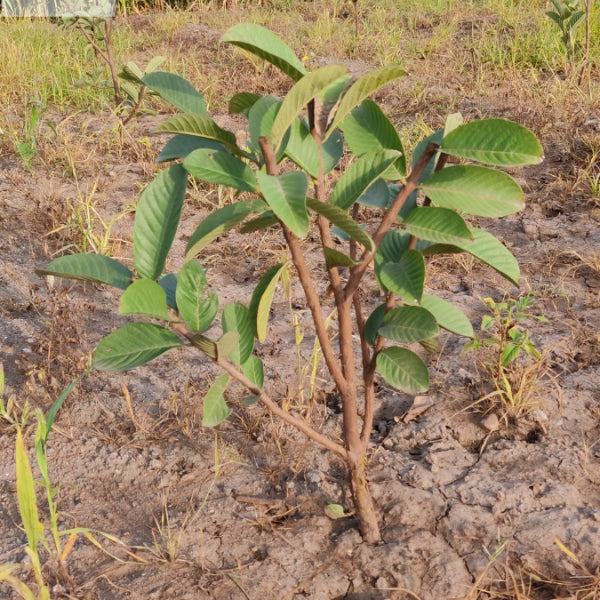
Tree Plantation on Navratri - Celebrate Divine Festivals with Environmental Devotion
Tree plantation on Navratri transforms the sacred nine-day festival into a powerful...
-
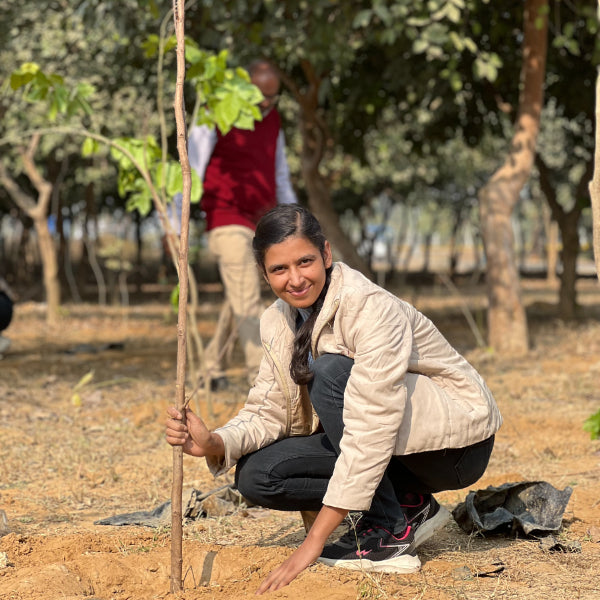
Tree Plantation by Cause - Plant Trees for Every Purpose | Grow Billion Trees
Transform your environmental impact with purpose-driven tree plantation by cause programs that...
Corporate Plantations
-
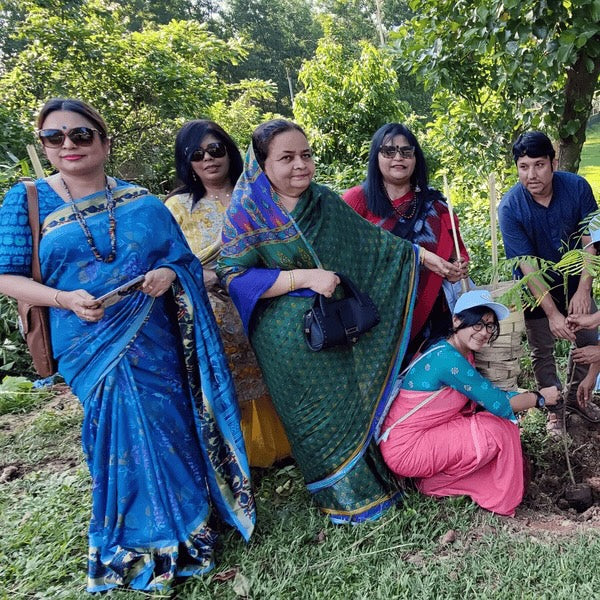
Trees for Corporates - Achieve Net Zero Targets Through Strategic Tree Planting
Trees for Corporates - Strategic Environmental SolutionsTransform your corporate environmental impact with...
-
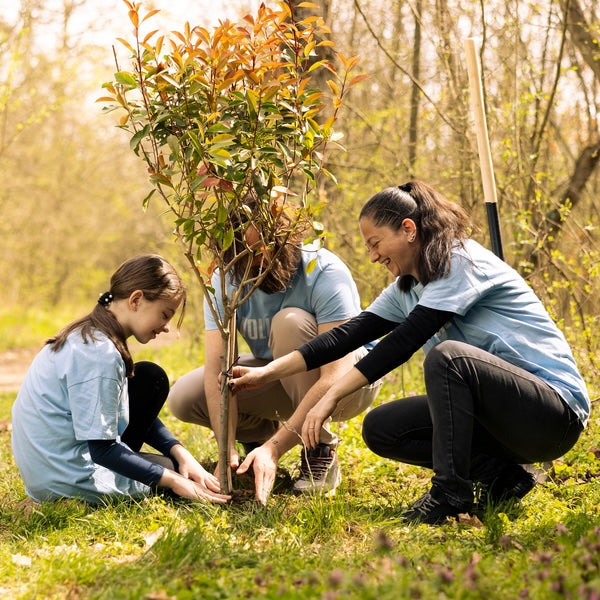
Tree Plantation for CSR - Corporate Environmental Programs | Grow Billion Trees
Tree Plantation for CSR - Transform Your Corporate Environmental ImpactTree plantation for...
-
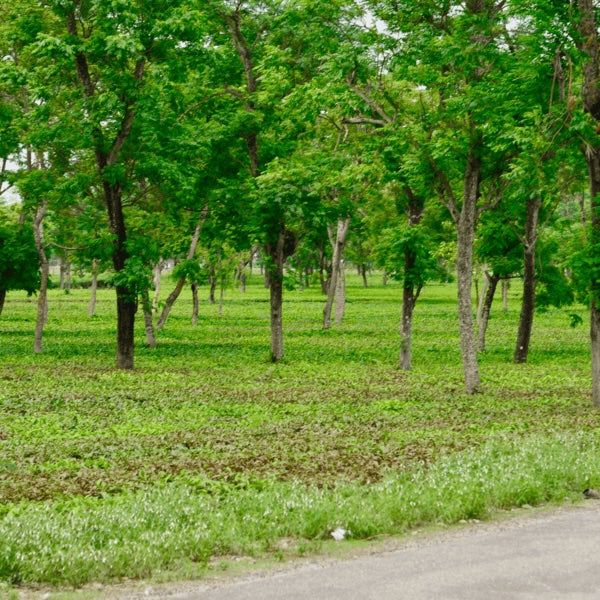
Tree Plantation for SDG - Support Sustainable Development Goals
Tree plantation for SDG initiatives represents a powerful pathway to achieving multiple...
-
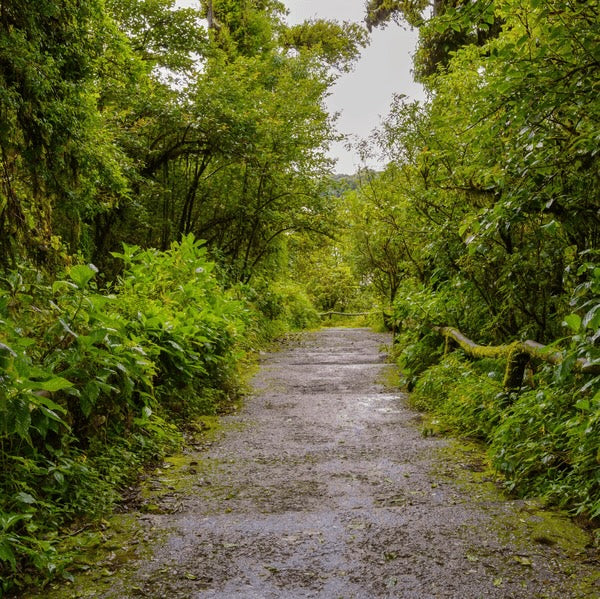
Corporate Tree Plantation Programs - Sustainable ESG Environmental Solutions for Net Zero Targets
Transform your organization's environmental impact with our comprehensive Corporate Tree Plantation Programs...
-
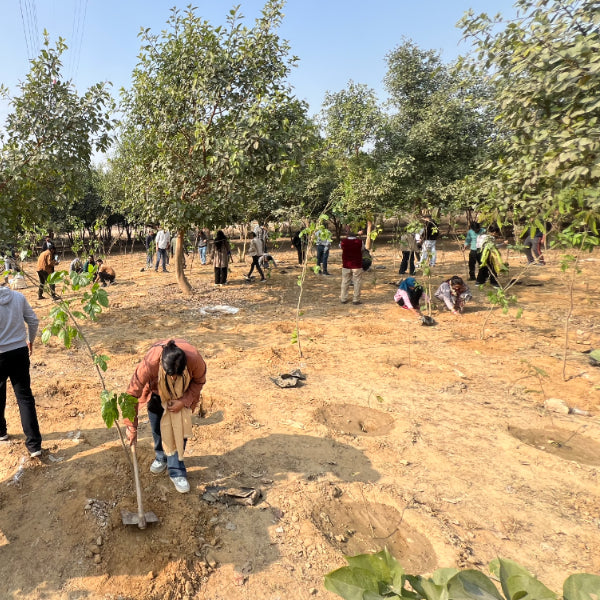
Tree Plantation by Location - Plant Trees Across India
Transform landscapes nationwide through our comprehensive tree plantation by location program. When...
Most Popular Tree Plantations - Top Choices for Environmental Impact
-
Trees for Mother
Regular price ₹ 299Regular priceUnit price per -
Trees to Honor the Memory of your Loved Ones
Regular price ₹ 299Regular priceUnit price per -
Trees for Wedding Anniversary Celebration
Regular price ₹ 299Regular priceUnit price per -
Trees for Grandmother
Regular price ₹ 299Regular priceUnit price per -
Trees for Grandfather
Regular price ₹ 299Regular priceUnit price per