
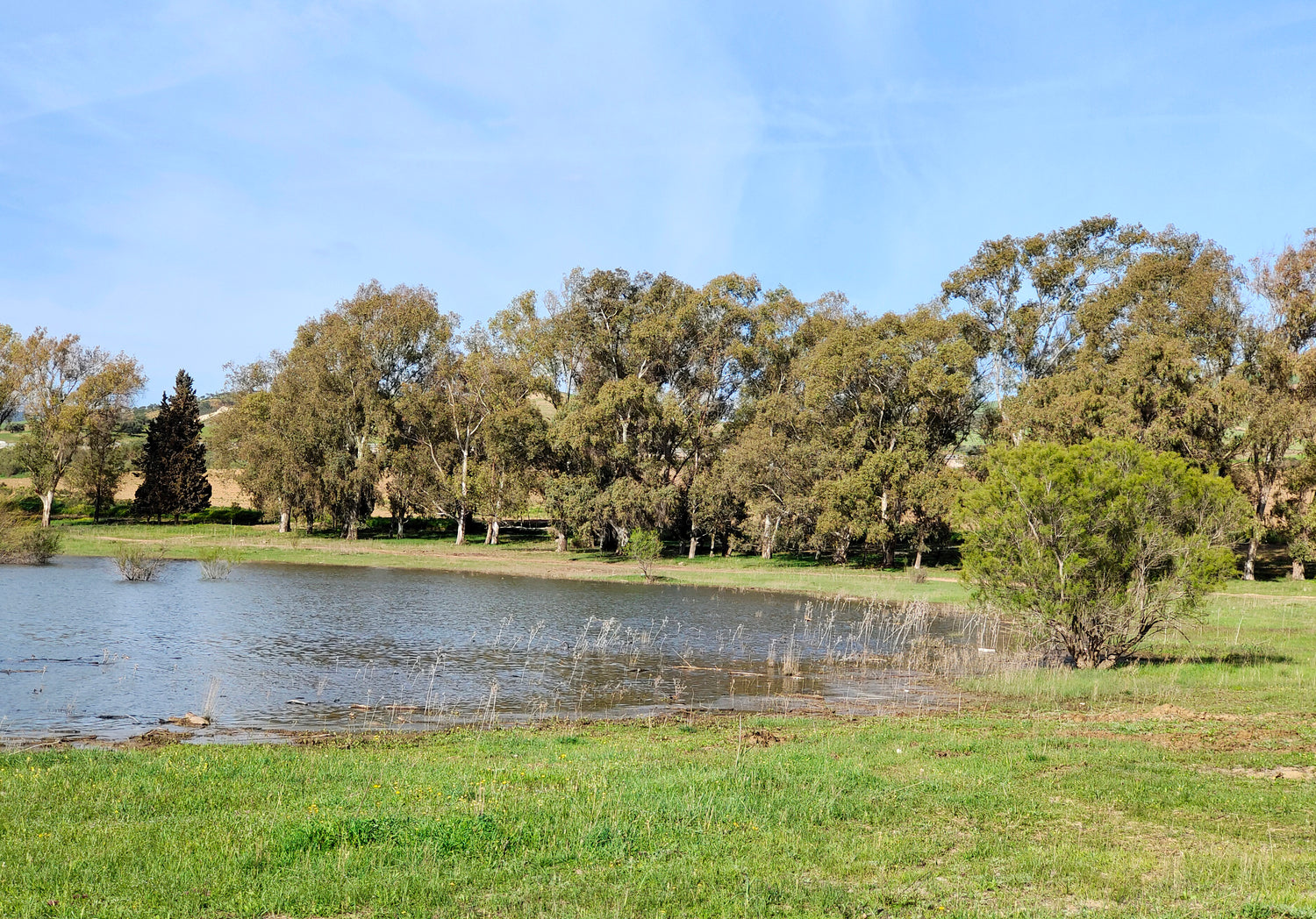
Rabindra Sarovar: Kolkata's Cultural Lake for Morning Walks
Welcome to Rabindra Sarovar, Kolkata's most beloved cultural lake that serves as a wonderful oasis in the heart of the bustling city. This magnificent Read more
Connect with us
-
👥 Corporates
If you are looking for:
- 🌲 Tree Plantation Events
- 📊 CSR Projects
📧 corporate@growbilliontrees.com
📞 +91 9699723523
💬 +91 9325931304 WhatsApp (Only)
🕒 Mon - Sat | 10am - 7pm IST
-
🧩 Tree Plantation NGOs
If you are looking for:
- 💰 Financial Assistance
- 🤝 Operational Support
📧 support@growbilliontrees.com
📞 +91 9699723523
💬 +91 9325931304 WhatsApp (Only)
🕒 Mon - Sat | 10am - 7pm IST
-
🌼 Individuals
If you are looking for:
- 👥 Group Tree Plantation Drive
- 🌳 Bulk Tree Plantation
📞 +91 9699723523
💬 +91 9325931304 WhatsApp (Only)
🕒 Mon - Sat | 10am - 7pm IST
Trees for Corporates - Achieve Net Zero Targets Through Strategic Tree Planting
-
 Project Closed
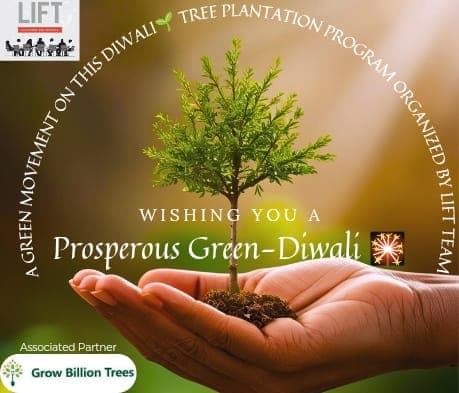
Trees by LIFT Team for Green Diwali: Transform Your Festival
Regular price ₹ 299Regular priceUnit price per -
Trees for a Greener Tomorrow - by Mahindra Lifespaces
Regular price ₹ 299Regular priceUnit price per -
Trees for Environment Day: Plant Your Impact on June 5th
Regular price ₹ 299Regular priceUnit price per -
Trees for Employees: Transform Your Corporate Culture in 2026
Regular price ₹ 299Regular priceUnit price per -
 Project Closed
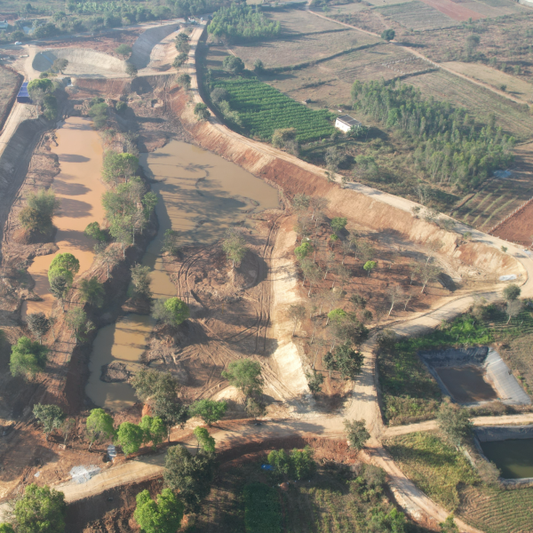
Trees for Bangalore: Plant Native Trees in Garden City ₹299
Regular price ₹ 799Regular priceUnit price per
Trending Tree Plantations - Most Popular Environmental Programs
-
Trees for Mother
Regular price ₹ 299Regular priceUnit price per -
Trees to Honor the Memory of your Loved Ones
Regular price ₹ 299Regular priceUnit price per -
Trees for Women's Day (8th Mar)
Regular price ₹ 299Regular priceUnit price per -
Trees for Wedding Anniversary Celebration
Regular price ₹ 299Regular priceUnit price per -
Trees for Grandmother
Regular price ₹ 299Regular priceUnit price per




Rabindra Sarovar: Kolkata's Cultural Lake & Wildlife Haven
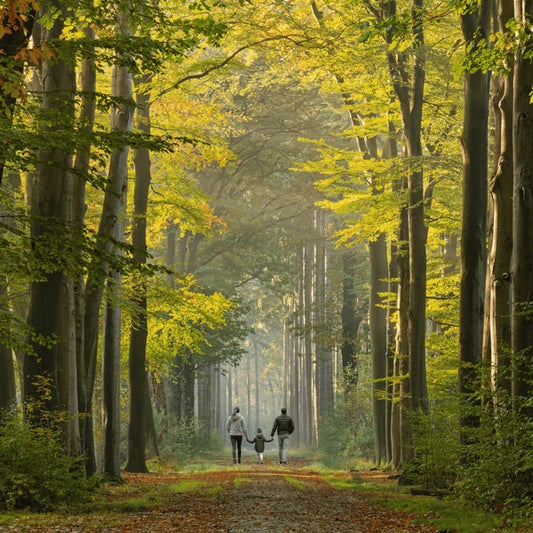
Welcome to Rabindra Sarovar, Kolkata's most beloved cultural lake that serves as a wonderful oasis in the heart of the bustling city. This magnificent waterbody offers visitors a unique blend of natural beauty, cultural heritage, and ecological diversity. Our experience exploring this green sanctuary reveals why thousands of nature lovers and fitness enthusiasts visit daily.
Rabindra Sarovar stands as a testament to sustainable urban planning. The lake welcomes both morning joggers and migratory birds with equal warmth. We're happy to share that this 73-acre water paradise continues to thrive as one of Kolkata's most cherished environmental assets.
✅ The Natural Wonder of Rabindra Sarovar
Rabindra Sarovar transforms into a living ecosystem that supports diverse wildlife throughout the year. The lake attracts over 40 species of birds, making it a paradise for birdwatchers and nature photographers. Our team has observed magnificent migratory birds including painted storks, cormorants, and various species of ducks.
The water body spans approximately 73 acres and maintains an average depth of 12 feet. Local authorities ensure the lake's health through regular monitoring and conservation efforts. According to the United Nations Sustainable Development Goals, protecting urban water bodies like Rabindra Sarovar is crucial for sustainable city development.
Fish species including rohu, katla, and mrigal thrive in these waters. The lake's ecosystem supports aquatic plants that naturally filter the water. This organic filtration system helps maintain water quality without chemical interventions.
⭐ Morning Walks: A Cultural Tradition
Every morning, Rabindra Sarovar welcomes hundreds of fitness enthusiasts who enjoy peaceful walks around its perimeter. The 2.5-kilometer walking path provides excellent exercise opportunities while offering stunning lake views. Our experience shows that early morning visits between 5:30 AM and 7:00 AM offer the best atmosphere.
Local communities have embraced this space as their outdoor gym. Yoga groups, tai chi practitioners, and meditation circles gather regularly along the lake's banks. The cultural significance of morning walks here reflects Kolkata's deep connection with nature and wellness.
Street vendors offer fresh coconut water and seasonal fruits to walkers. The social aspect of these morning gatherings creates a wonderful sense of community. Regular visitors often form lasting friendships while pursuing their fitness goals.
🐦 Migratory Birds: Seasonal Visitors
Rabindra Sarovar serves as a crucial stopover for migratory birds during winter months from November to February. These seasonal visitors include painted storks, spot-billed ducks, and little egrets. Birdwatchers can spot over 15 species of migratory birds during peak season.
The lake's shallow areas provide ideal feeding grounds for wading birds. Fish populations support piscivorous species throughout their migration journey. According to the World Wildlife Fund's forest conservation initiatives, urban green spaces like this lake are vital for maintaining bird migration corridors.
Photography enthusiasts gather with telephoto lenses to capture these magnificent visitors. The golden hour lighting creates perfect conditions for wildlife photography. Bird counting activities organized by local nature clubs help monitor species diversity and population trends.
🌿 Ecological Significance and Conservation
Rabindra Sarovar plays a vital role in Kolkata's urban ecosystem by providing natural cooling and air purification. The surrounding trees and aquatic vegetation contribute significantly to local air quality improvement. Our partners in environmental conservation recognize this lake as a model for sustainable urban water management.
The lake helps regulate local temperatures and provides habitat for various species. Native plants around the perimeter include neem, banyan, and various flowering shrubs. These green corridors support biodiversity while offering shade and beauty to visitors.
Conservation efforts include regular water quality testing and waste management programs. Local environmental groups organize monthly cleanup drives to maintain the lake's pristine condition. The United Nations Environment Programme's forest initiatives emphasize the importance of protecting urban green spaces for climate resilience.
💡 Cultural Heritage and Literary Connections
Named after Nobel laureate Rabindranath Tagore, this lake holds deep cultural significance in Bengali heritage. The surrounding area features several cultural institutions including the Rabindra Sarovar Stadium and various educational establishments. Literary enthusiasts often visit to connect with Tagore's legacy and find inspiration.
Cultural events and festivals frequently take place around the lake's vicinity. The peaceful environment provides perfect settings for poetry readings and cultural gatherings. Local artists draw inspiration from the lake's natural beauty for their creative works.
Historical significance dates back to the 1920s when the lake was artificially created. The area has witnessed Kolkata's transformation while maintaining its natural charm. Heritage walks often include Rabindra Sarovar as a significant cultural landmark.
🏃♀️ Fitness and Recreation Activities
Rabindra Sarovar offers diverse recreational opportunities beyond morning walks. Boating facilities operate during specific hours, allowing visitors to enjoy water-based activities. The lake provides a safe environment for various fitness routines including jogging, cycling, and outdoor exercises.
Local fitness groups organize regular activities including aerobics sessions and group workouts. The well-maintained pathways accommodate wheelchairs and provide accessibility for all visitors. Evening hours bring families who enjoy picnics and leisurely strolls.
Sports enthusiasts use the surrounding grounds for cricket, football, and other recreational activities. The combination of water and green spaces creates an ideal environment for stress relief and mental wellness. Our experience confirms that regular visits significantly improve physical and mental health.
🌱 Environmental Education and Awareness
Rabindra Sarovar serves as an excellent outdoor classroom for environmental education. Schools and colleges regularly organize field trips to study aquatic ecosystems and urban biodiversity. Educational programs help students understand the importance of water conservation and wildlife protection.
Nature interpretation centers provide information about local flora and fauna. Interactive displays explain the lake's ecological functions and conservation challenges. According to the United Nations climate change initiatives, environmental education in urban settings is crucial for building climate awareness.
Research institutions conduct ongoing studies on water quality and biodiversity. Citizen science programs engage local communities in monitoring and conservation efforts. These initiatives create environmental consciousness among urban populations.
🚶♀️ Visitor Guidelines and Best Practices
Visitors should follow specific guidelines to help preserve Rabindra Sarovar's natural beauty. Early morning visits between 5:00 AM and 8:00 AM offer the best wildlife viewing opportunities. We recommend bringing binoculars for birdwatching and wearing comfortable walking shoes.
Feeding fish or birds is strictly prohibited to maintain natural feeding patterns. Littering carries penalties, and visitors must use designated waste disposal areas. Photography is welcome, but flash photography near wildlife areas should be avoided.
Parking facilities are available, but public transportation provides convenient access. The nearest metro station connects easily to the lake area. Security personnel ensure visitor safety throughout operating hours.
Frequently Asked Questions
What are the best visiting hours for Rabindra Sarovar?
The lake is accessible from 5:00 AM to 8:00 PM daily. Early morning hours between 5:30 AM and 7:00 AM offer the best experience for birdwatching and peaceful walks. Evening visits from 4:00 PM to 6:00 PM provide beautiful sunset views.
When do migratory birds visit Rabindra Sarovar?
Migratory birds typically arrive from November and stay until February. Peak viewing season occurs from December to January when the highest number of species can be observed. Early morning hours provide the best opportunities for bird photography.
Are there entry fees for Rabindra Sarovar?
Entry to Rabindra Sarovar is completely free for all visitors. However, boating activities may have separate charges. Parking fees apply in designated areas during peak hours.
Can I bring pets to Rabindra Sarovar?
Pets are generally allowed but must be kept on leashes at all times. Pet owners should ensure their animals don't disturb wildlife or other visitors. Waste cleanup is mandatory for pet owners.
What facilities are available for visitors?
Basic facilities include clean restrooms, drinking water points, and seating areas. Food vendors operate near the entrance, offering snacks and beverages. First aid facilities are available through security personnel.
How can I contribute to Rabindra Sarovar's conservation?
Visitors can participate in monthly cleanup drives organized by local environmental groups. Following guidelines, avoiding littering, and spreading awareness help protect the ecosystem. Reporting any environmental concerns to authorities supports conservation efforts.
Are there guided tours available?
Local nature clubs occasionally organize guided birdwatching tours during winter months. Educational institutions sometimes arrange group visits with expert guides. Individual visitors can explore independently using available information boards.
What should I bring for birdwatching?
Essential items include binoculars, a bird identification guide, and a camera with telephoto lens. Comfortable walking shoes and weather-appropriate clothing are recommended. A notebook for recording observations enhances the experience.
Is Rabindra Sarovar safe for solo visitors?
The lake area is generally safe with regular security patrols and good visibility. Early morning and evening hours see high visitor numbers, providing natural safety. Solo visitors should follow basic safety precautions and stay in well-lit areas.
How does Rabindra Sarovar support urban biodiversity?
The lake provides crucial habitat for aquatic species and migratory birds in an urban setting. Surrounding vegetation creates green corridors that support local wildlife. The ecosystem helps maintain ecological balance within the city environment.Rabindra Sarovar stands as a wonderful example of how urban spaces can nurture both human wellness and environmental conservation. This cultural lake continues to inspire visitors while providing essential ecological services to Kolkata. We encourage everyone to explore this natural treasure and contribute to its preservation for future generations.Ready to experience the magic of Rabindra Sarovar? Plant a tree in your Name and join our mission of Combating Climate Change Through Collective Action. Together, we can create more green spaces that support both urban communities and wildlife habitats across India.
You may like
-

Gift a Tree - Meaningful Environmental Gifts That Make a Difference
Transform your gift-giving with meaningful environmental gifts that create lasting impact for...
-
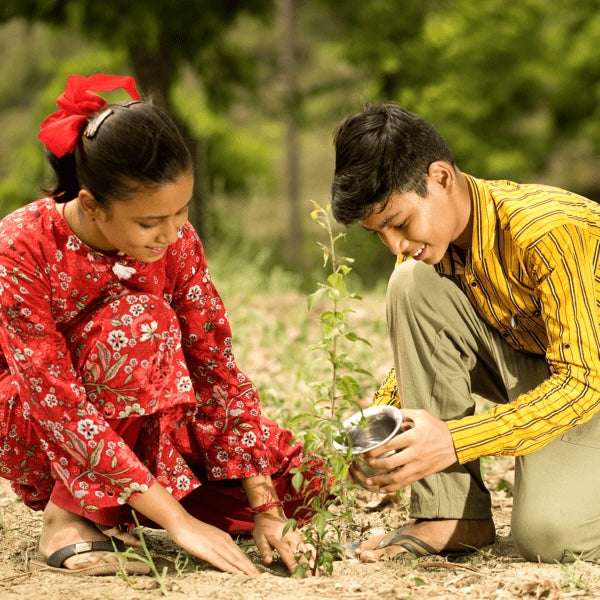
Trees For Shiv Ji - Sacred Tree Planting to Honor Lord Shiva
Honor Lord Shiva through sacred tree planting with Trees For Shiv Ji,...
-
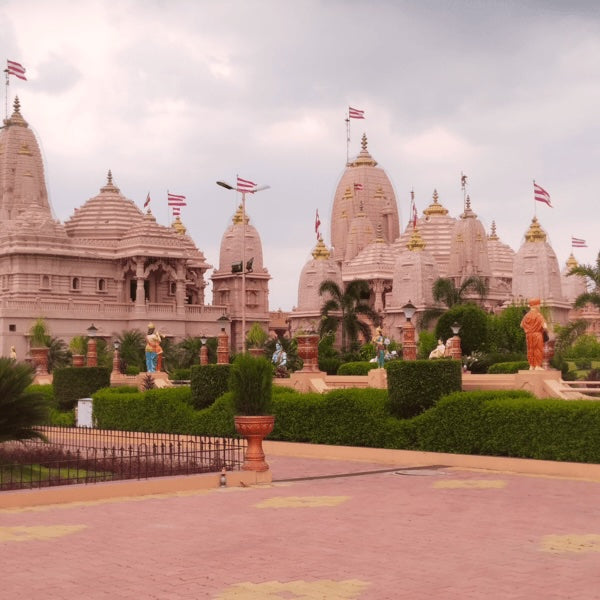
Tree Plantations for Shri Ram - Sacred Devotional Planting Services
Honor Lord Shri Ram through meaningful tree plantations for Shri Ram that...
-
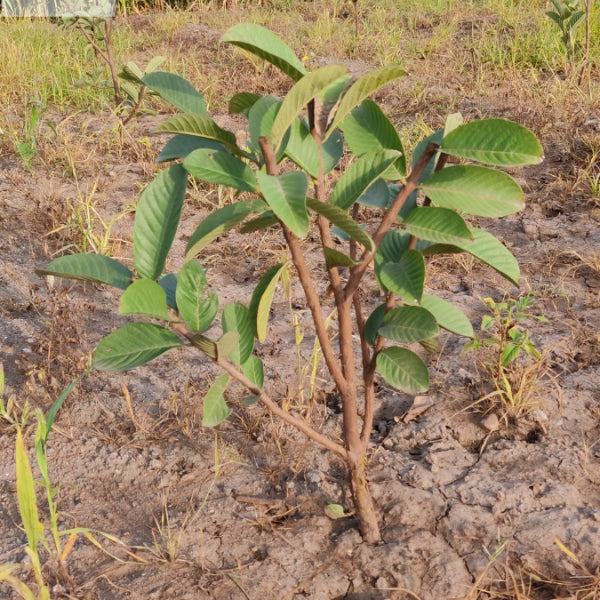
Tree Plantation on Navratri - Celebrate Divine Festivals with Environmental Devotion
Tree plantation on Navratri transforms the sacred nine-day festival into a powerful...
-
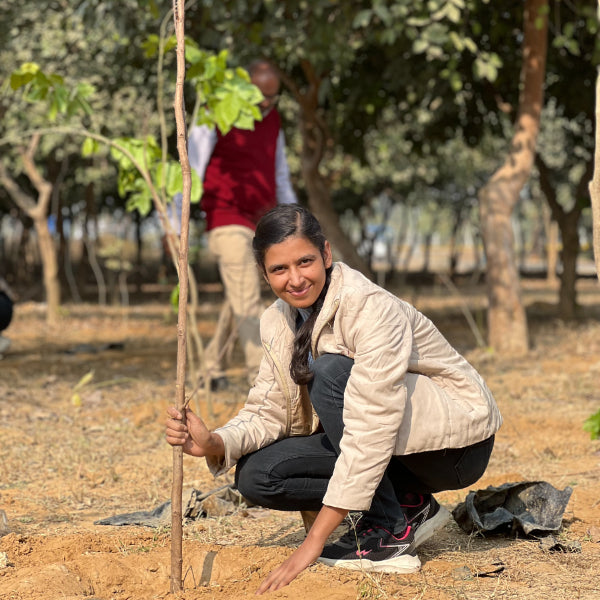
Tree Plantation by Cause - Plant Trees for Every Purpose | Grow Billion Trees
Transform your environmental impact with purpose-driven tree plantation by cause programs that...
Corporate Plantations
-
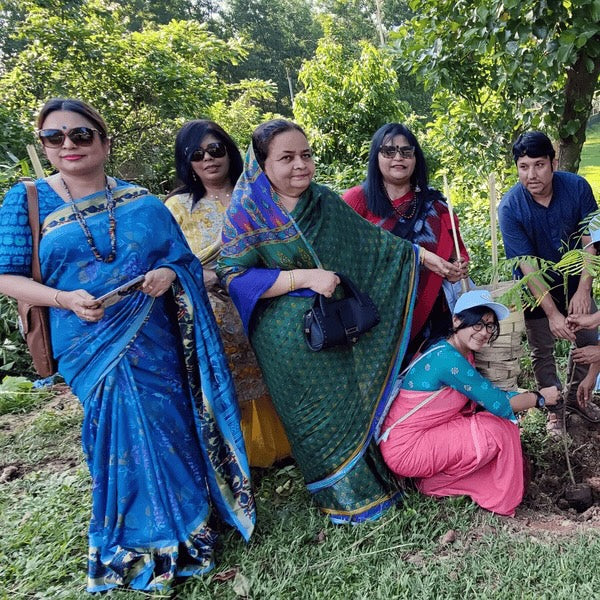
Trees for Corporates - Achieve Net Zero Targets Through Strategic Tree Planting
Trees for Corporates - Strategic Environmental SolutionsTransform your corporate environmental impact with...
-
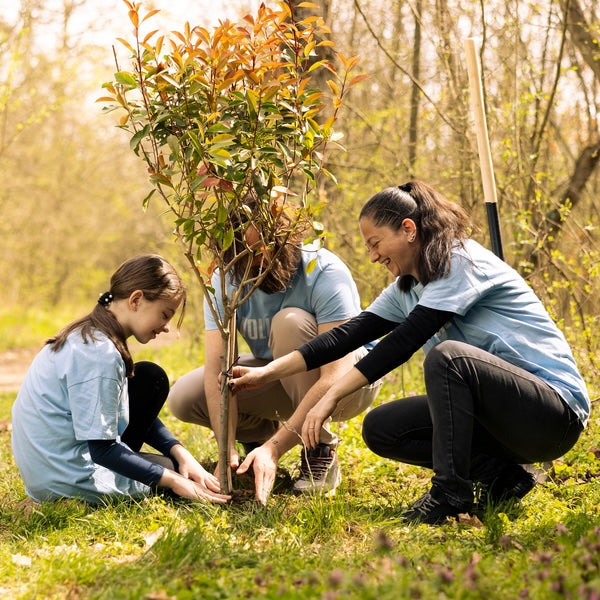
Tree Plantation for CSR - Corporate Environmental Programs | Grow Billion Trees
Tree Plantation for CSR - Transform Your Corporate Environmental ImpactTree plantation for...
-
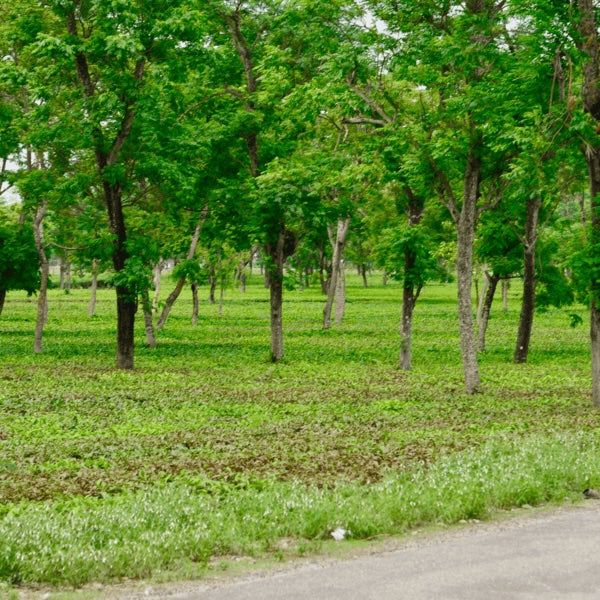
Tree Plantation for SDG - Support Sustainable Development Goals
Tree plantation for SDG initiatives represents a powerful pathway to achieving multiple...
-
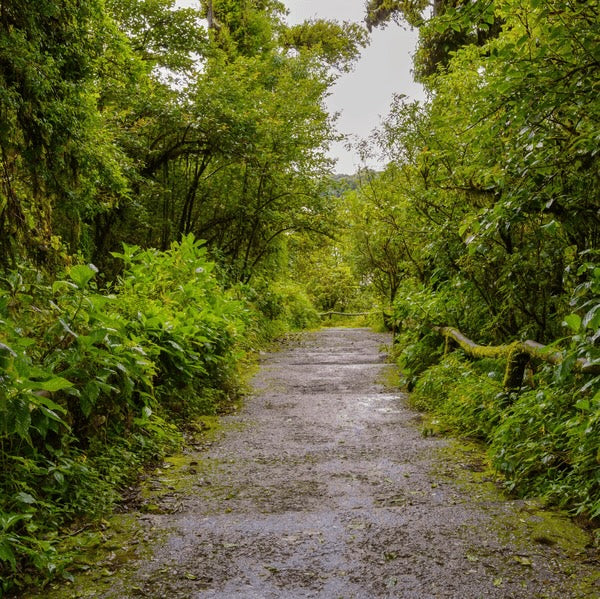
Corporate Tree Plantation Programs - Sustainable ESG Environmental Solutions for Net Zero Targets
Transform your organization's environmental impact with our comprehensive Corporate Tree Plantation Programs...
-
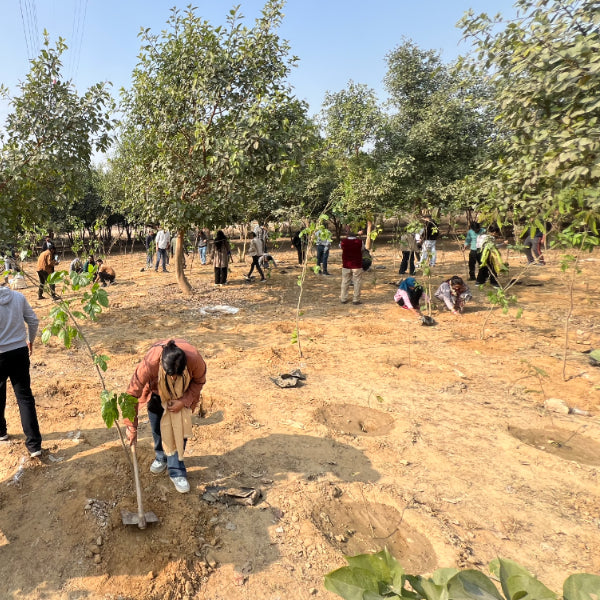
Tree Plantation by Location - Plant Trees Across India
Transform landscapes nationwide through our comprehensive tree plantation by location program. When...
Most Popular Tree Plantations - Top Choices for Environmental Impact
-
Trees for Mother
Regular price ₹ 299Regular priceUnit price per -
Trees to Honor the Memory of your Loved Ones
Regular price ₹ 299Regular priceUnit price per -
Trees for Wedding Anniversary Celebration
Regular price ₹ 299Regular priceUnit price per -
Trees for Grandmother
Regular price ₹ 299Regular priceUnit price per -
Trees for Grandfather
Regular price ₹ 299Regular priceUnit price per