
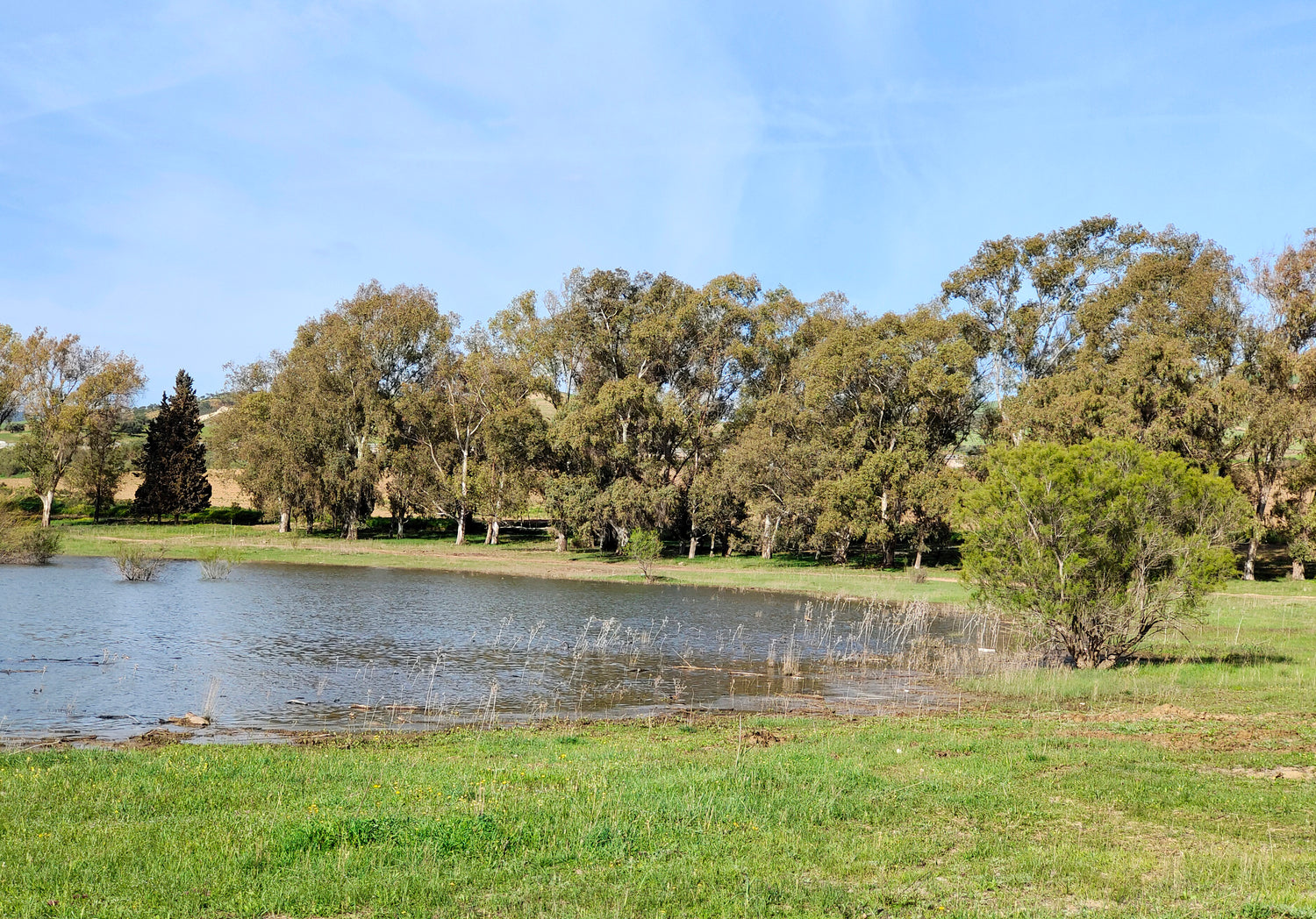
Rudrasagar Lake Guide: Neermahal Palace & Conservation
Rudrasagar Lake stands as one of India's most captivating water bodies, home to the magnificent Neermahal palace that rises majestically from its wate Read more
Connect with us
-
👥 Corporates
If you are looking for:
- 🌲 Tree Plantation Events
- 📊 CSR Projects
📧 corporate@growbilliontrees.com
📞 +91 9699723523
💬 +91 9325931304 WhatsApp (Only)
🕒 Mon - Sat | 10am - 7pm IST
-
🧩 Tree Plantation NGOs
If you are looking for:
- 💰 Financial Assistance
- 🤝 Operational Support
📧 support@growbilliontrees.com
📞 +91 9699723523
💬 +91 9325931304 WhatsApp (Only)
🕒 Mon - Sat | 10am - 7pm IST
-
🌼 Individuals
If you are looking for:
- 👥 Group Tree Plantation Drive
- 🌳 Bulk Tree Plantation
📞 +91 9699723523
💬 +91 9325931304 WhatsApp (Only)
🕒 Mon - Sat | 10am - 7pm IST
Trees for Corporates - Achieve Net Zero Targets Through Strategic Tree Planting
-
 Project Closed
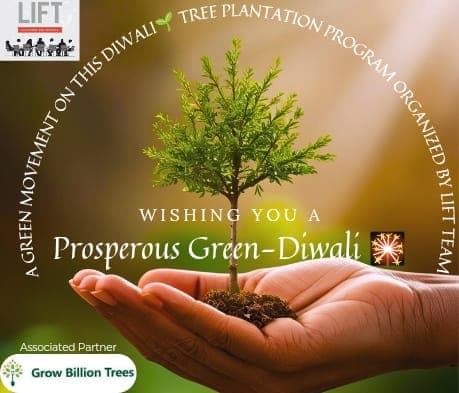
Trees by LIFT Team for Green Diwali: Transform Your Festival
Regular price ₹ 299Regular priceUnit price per -
Trees for a Greener Tomorrow - by Mahindra Lifespaces
Regular price ₹ 299Regular priceUnit price per -
Trees for Environment Day: Plant Your Impact on June 5th
Regular price ₹ 299Regular priceUnit price per -
Trees for Employees: Transform Your Corporate Culture in 2026
Regular price ₹ 299Regular priceUnit price per -
 Project Closed
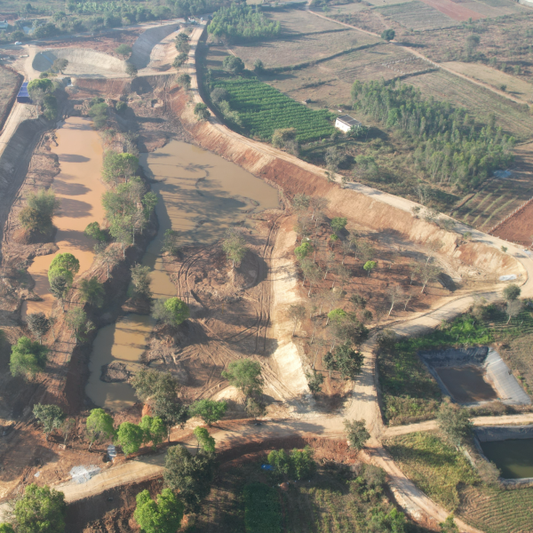
Trees for Bangalore: Plant Native Trees in Garden City ₹299
Regular price ₹ 799Regular priceUnit price per
Trending Tree Plantations - Most Popular Environmental Programs
-
Trees for Mother
Regular price ₹ 299Regular priceUnit price per -
Trees to Honor the Memory of your Loved Ones
Regular price ₹ 299Regular priceUnit price per -
Trees for Women's Day (8th Mar)
Regular price ₹ 299Regular priceUnit price per -
Trees for Wedding Anniversary Celebration
Regular price ₹ 299Regular priceUnit price per -
Trees for Grandmother
Regular price ₹ 299Regular priceUnit price per


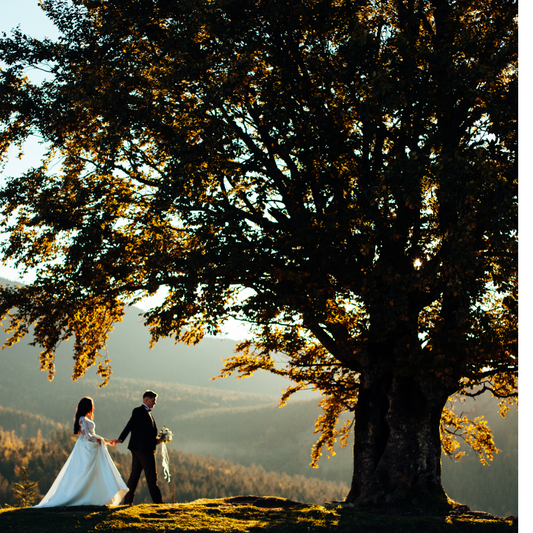

Rudrasagar Lake: Discover India's Enchanting Palace Lake
Rudrasagar Lake stands as one of India's most captivating water bodies, home to the magnificent Neermahal palace that rises majestically from its waters. This stunning artificial lake in Tripura offers visitors a wonderful glimpse into royal heritage while showcasing the beauty of sustainable water management. Our team has explored this remarkable destination and we're happy to share why Rudrasagar Lake deserves a place on every traveler's bucket list.
The Magnificent Neermahal: A Palace Born from Water
The crown jewel of Rudrasagar Lake is undoubtedly the Neermahal, literally meaning "Water Palace." Built in 1930 by Maharaja Bir Bikram Kishore Manikya, this architectural marvel combines Hindu and Mughal design elements. The palace served as the royal family's summer retreat, offering respite from the heat while providing stunning views across the lake.
Spanning 2.5 acres, Neermahal features 24 rooms arranged around a central courtyard. The structure showcases intricate stonework and elegant arches that reflect beautifully in the lake's calm waters. Visitors can explore the palace via boat rides, making the journey as memorable as the destination itself.
The palace's strategic location on the lake served multiple purposes beyond aesthetics. It provided natural cooling, security, and a serene environment for royal contemplation. Today, it stands as a testament to sustainable architecture that works in harmony with nature.
Rudrasagar Lake: An Engineering Marvel of Water Conservation
Rudrasagar Lake represents exceptional water conservation practices that align with modern United Nations Sustainable Development Goals. This artificial lake was created by damming the Gomati River, demonstrating how human intervention can enhance natural water systems. The lake covers approximately 2.4 square kilometers and maintains year-round water levels through careful management.
Our experience visiting the lake revealed its crucial role in supporting local ecosystems. The water body sustains diverse aquatic life while providing irrigation for surrounding agricultural lands. Local communities have thrived around the lake for generations, practicing sustainable fishing and farming methods.
The lake's design incorporates natural filtration systems that maintain water quality. Surrounding vegetation acts as a natural buffer, preventing erosion while supporting biodiversity. This holistic approach to water management offers valuable lessons for modern conservation efforts.
✅ Biodiversity and Ecological Significance
Rudrasagar Lake serves as a vital habitat for numerous species, supporting both resident and migratory birds throughout the year. The lake attracts over 50 bird species, including kingfishers, herons, and various waterfowl. During winter months, the area becomes a temporary home for migratory species seeking warmer climates.
The aquatic ecosystem thrives with multiple fish species that support local livelihoods. Traditional fishing practices ensure sustainable harvesting while maintaining ecological balance. Moreover, the surrounding wetlands provide breeding grounds for amphibians and support diverse plant communities.
According to the World Wildlife Fund's forest conservation initiatives, water bodies like Rudrasagar Lake play crucial roles in maintaining regional climate stability. The lake's presence moderates local temperatures and contributes to precipitation patterns that benefit the entire ecosystem.
Tourism and Cultural Heritage
Rudrasagar Lake has emerged as a premier tourist destination, attracting thousands of visitors annually who come to explore its rich cultural heritage. The lake offers various activities including boating, photography, and cultural performances during festivals. Local guides share fascinating stories about the royal family and the palace's construction.
The annual boat festival transforms the lake into a vibrant celebration of Tripura's cultural traditions. Traditional dance performances, music concerts, and light shows illuminate the palace, creating magical evenings that visitors treasure forever. These events showcase the region's artistic heritage while promoting sustainable tourism practices.
Tourism revenue supports local communities through employment opportunities in hospitality, transportation, and handicrafts. Our partners in the region have developed eco-friendly tourism packages that minimize environmental impact while maximizing cultural exchange. This approach ensures that tourism benefits both visitors and local residents.
💡 Conservation Challenges and Solutions
Despite its beauty and significance, Rudrasagar Lake faces several environmental challenges that require immediate attention. Siltation from surrounding hills threatens to reduce the lake's depth and storage capacity. Additionally, increasing tourist pressure demands careful management to prevent ecosystem degradation.
Climate change impacts, as highlighted by the United Nations climate change initiatives, pose long-term risks to the lake's water levels and surrounding vegetation. Irregular rainfall patterns and rising temperatures affect the delicate balance that sustains this ecosystem.
However, innovative conservation strategies offer hope for the lake's future. Community-based management programs engage local residents in protection efforts while providing alternative livelihoods. Reforestation projects around the lake help prevent soil erosion and maintain water quality.
We ensure that our environmental restoration programs include water body conservation alongside our tree planting initiatives. Protecting lakes like Rudrasagar requires comprehensive approaches that address both terrestrial and aquatic ecosystems.
⭐ Best Times to Visit and Travel Tips
The ideal time to visit Rudrasagar Lake spans from October to March when weather conditions are most pleasant for outdoor activities. During these months, temperatures remain comfortable while clear skies provide excellent photography opportunities. The winter season also brings migratory birds, enhancing wildlife viewing experiences.
Monsoon season (June to September) transforms the landscape into lush green surroundings, though boat services may be limited due to safety concerns. However, this period offers unique perspectives of the palace surrounded by dramatic clouds and rain-fed vegetation.
Visitors should plan to spend at least half a day exploring the lake and palace complex. Early morning visits provide the best lighting for photography while avoiding afternoon crowds. Local accommodations range from budget guesthouses to comfortable hotels, ensuring options for every traveler.
Supporting Sustainable Tourism at Rudrasagar Lake
Responsible tourism practices help preserve Rudrasagar Lake's natural beauty for future generations while supporting local communities. Visitors can contribute by choosing eco-friendly accommodations, respecting wildlife habitats, and purchasing locally-made handicrafts. These actions create positive economic impacts while minimizing environmental footprints.
Educational tourism programs offer deeper insights into the lake's ecology and cultural significance. Schools and colleges organize field trips that combine learning with conservation awareness, inspiring young minds to appreciate and protect natural heritage sites.
Our experience working with environmental conservation projects has shown that community involvement is essential for long-term success. When local residents benefit from tourism and conservation efforts, they become passionate advocates for protecting their natural resources.
Frequently Asked Questions
How was Rudrasagar Lake created?
Rudrasagar Lake was created artificially by constructing a dam across the Gomati River during the early 20th century. This engineering project aimed to create a reliable water source while providing a scenic location for the royal palace.
Can visitors enter the Neermahal palace?
Yes, visitors can explore the Neermahal palace through guided boat tours that operate daily during tourist season. The palace interior showcases royal artifacts and offers panoramic views of the surrounding lake and hills.
What wildlife can be observed at Rudrasagar Lake?
The lake supports over 50 bird species, various fish species, and diverse aquatic plants. Visitors commonly spot kingfishers, herons, cormorants, and during winter months, several migratory bird species from northern regions.
Are there accommodation options near the lake?
Several accommodation options exist near Rudrasagar Lake, ranging from government guesthouses to private hotels. The nearby town of Melaghar offers additional lodging choices with easy access to the lake.
What is the best way to reach Rudrasagar Lake?
Rudrasagar Lake is accessible by road from Agartala, approximately 53 kilometers away. Regular bus services and private taxis provide convenient transportation options for visitors arriving from the state capital.
How does lake tourism support local communities?
Tourism at Rudrasagar Lake creates employment opportunities in boat operations, guiding services, handicraft sales, and hospitality sectors. Local communities benefit directly from visitor spending while maintaining their traditional lifestyles.
What conservation efforts protect Rudrasagar Lake?
Conservation efforts include community-based management programs, reforestation projects around the watershed, and sustainable tourism practices. Government agencies work with local residents to maintain water quality and protect surrounding ecosystems.
When do cultural festivals occur at the lake?
The annual boat festival typically occurs during winter months, featuring traditional dance performances, music concerts, and illuminated displays. Local festivals throughout the year celebrate Tripura's rich cultural heritage at this scenic location.
→ Take Action: Plant Trees for Lake Conservation
Protecting water bodies like Rudrasagar Lake requires comprehensive environmental action that includes forest conservation and tree planting initiatives. Trees play vital roles in maintaining watershed health, preventing soil erosion, and supporting aquatic ecosystems. Through our 100 crore trees initiative, we're working to restore India's natural balance.
You can contribute to lake conservation efforts by choosing to Plant a tree in your Name for just ₹299. Our comprehensive program includes 4ft Tree Planting + 3 Years Care + GeoTag technology, ensuring your contribution makes a lasting impact. Every tree planted helps protect precious water resources while supporting local communities.
Join our mission of Combating Climate Change Through Collective Action by exploring sustainable tree planting options. Whether you're an individual seeking to make a difference or a corporation working toward Net Zero Targets, we provide proven solutions that transform landscapes and lives. Together, we can create a greener, more sustainable future for India's magnificent natural heritage sites like Rudrasagar Lake.
You may like
-
Gift a Tree - Meaningful Environmental Gifts That Make a Difference
Transform your gift-giving with meaningful environmental gifts that create lasting impact for...
-
Trees For Shiv Ji - Sacred Tree Planting to Honor Lord Shiva
Honor Lord Shiva through sacred tree planting with Trees For Shiv Ji,...
-
Tree Plantations for Shri Ram - Sacred Devotional Planting Services
Honor Lord Shri Ram through meaningful tree plantations for Shri Ram that...
-
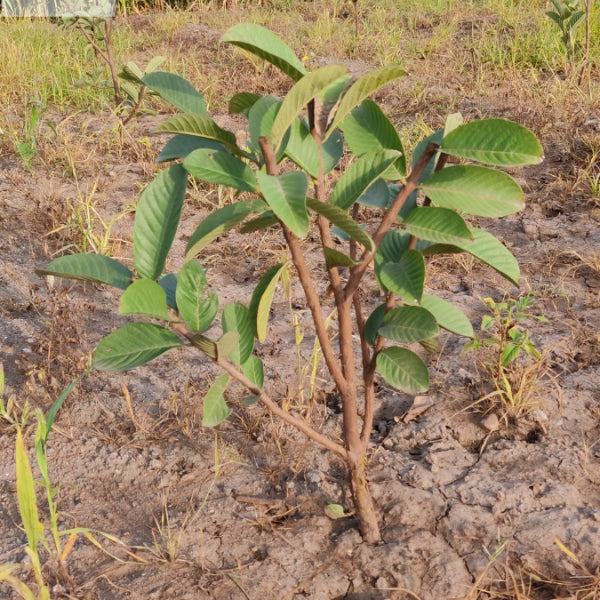
Tree Plantation on Navratri - Celebrate Divine Festivals with Environmental Devotion
Tree plantation on Navratri transforms the sacred nine-day festival into a powerful...
-
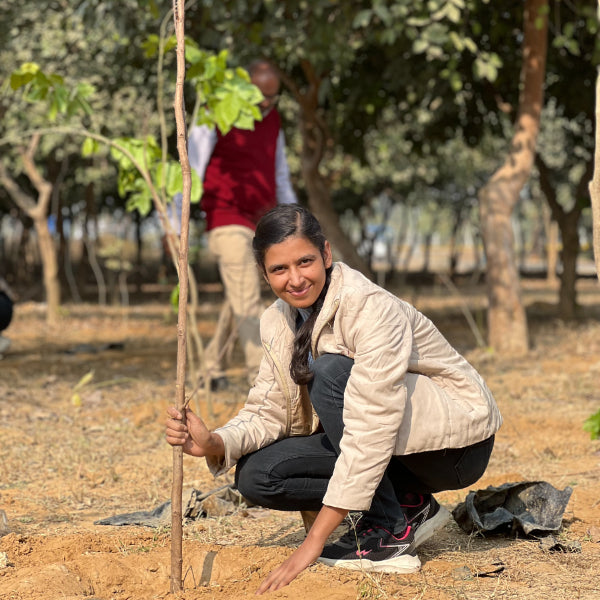
Tree Plantation by Cause - Plant Trees for Every Purpose | Grow Billion Trees
Transform your environmental impact with purpose-driven tree plantation by cause programs that...
Corporate Plantations
-
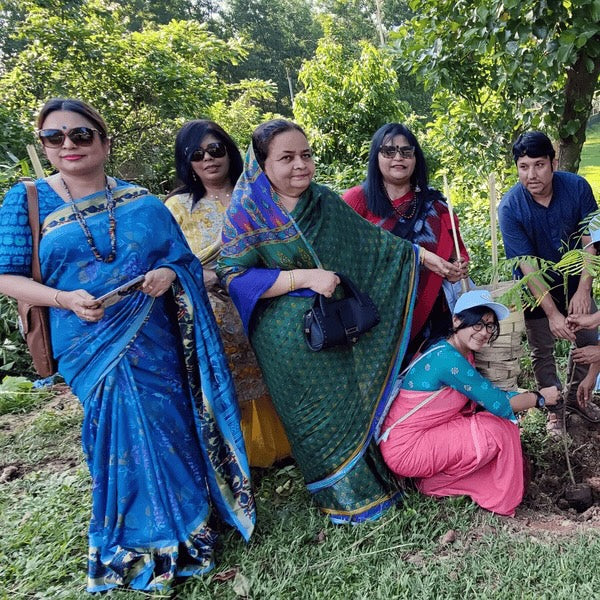
Trees for Corporates - Achieve Net Zero Targets Through Strategic Tree Planting
Trees for Corporates - Strategic Environmental SolutionsTransform your corporate environmental impact with...
-
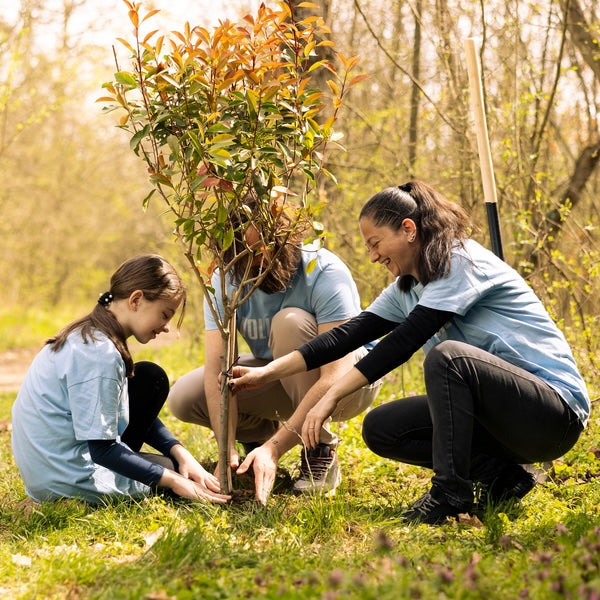
Tree Plantation for CSR - Corporate Environmental Programs | Grow Billion Trees
Tree Plantation for CSR - Transform Your Corporate Environmental ImpactTree plantation for...
-
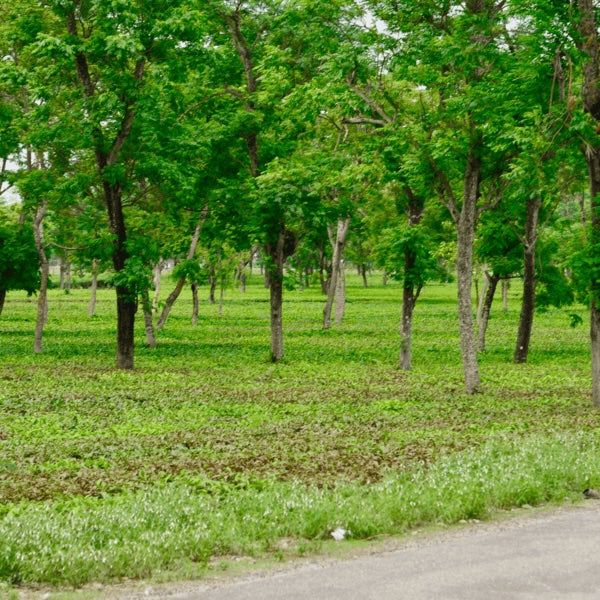
Tree Plantation for SDG - Support Sustainable Development Goals
Tree plantation for SDG initiatives represents a powerful pathway to achieving multiple...
-
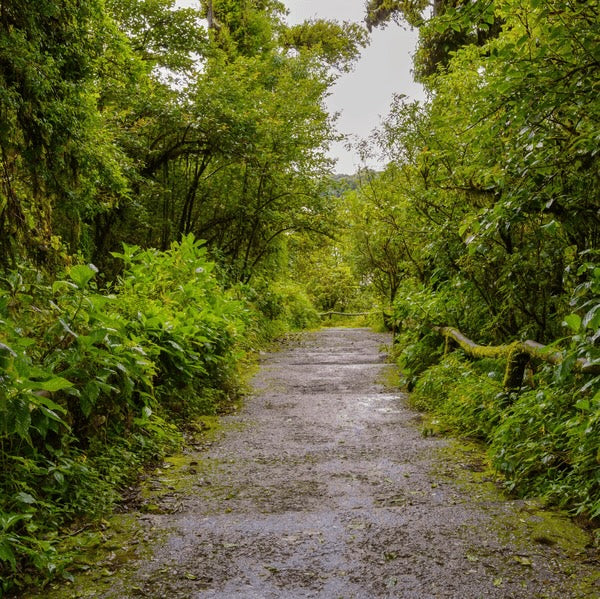
Corporate Tree Plantation Programs - Sustainable ESG Environmental Solutions for Net Zero Targets
Transform your organization's environmental impact with our comprehensive Corporate Tree Plantation Programs...
-
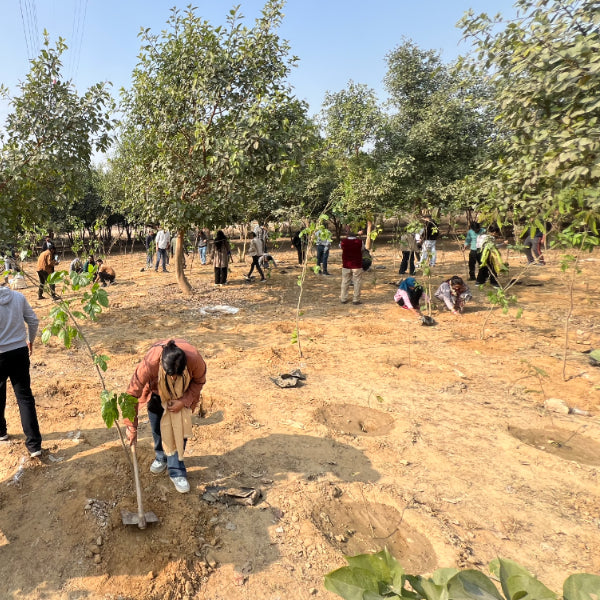
Tree Plantation by Location - Plant Trees Across India
Transform landscapes nationwide through our comprehensive tree plantation by location program. When...
Most Popular Tree Plantations - Top Choices for Environmental Impact
-
Trees for Mother
Regular price ₹ 299Regular priceUnit price per -
Trees to Honor the Memory of your Loved Ones
Regular price ₹ 299Regular priceUnit price per -
Trees for Wedding Anniversary Celebration
Regular price ₹ 299Regular priceUnit price per -
Trees for Grandmother
Regular price ₹ 299Regular priceUnit price per -
Trees for Grandfather
Regular price ₹ 299Regular priceUnit price per