

Sahayadri Van - Satara, Maharastra
Grow Billion Trees has taken the lead in implementing Sahyadri Van, a transformative reforestation initiative in Girvi Village, Satara District. The p Read more
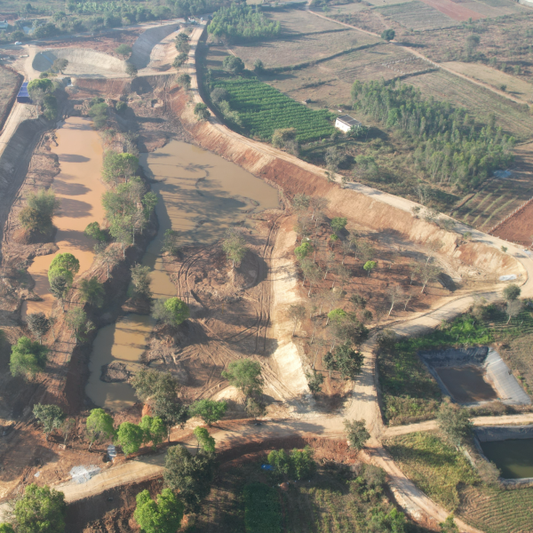
Plantation Site Gallery
Project Update 1
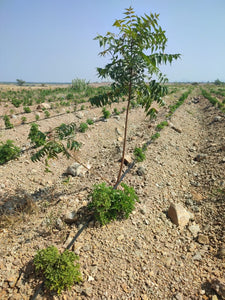
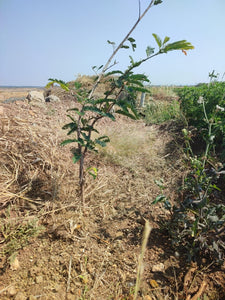
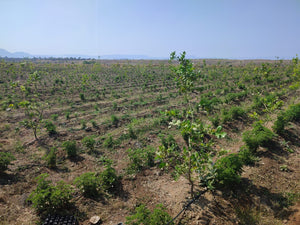
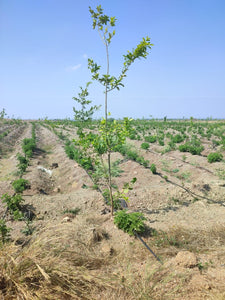
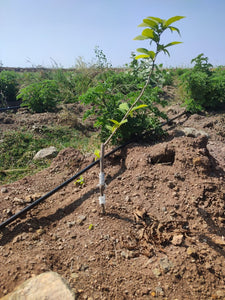
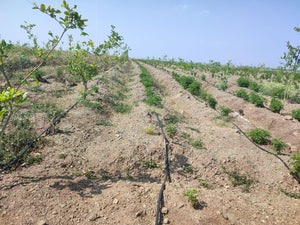
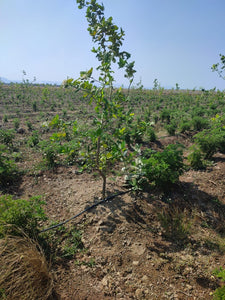
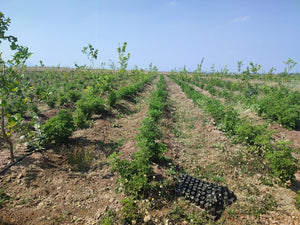
Digital Forest
Forest with 198,468 Trees planted
Want to plant your tree now?
Plant a Tree @ 299Sahyadri Van: Grow Billion Trees Agroforestry Initiative in Satara
Grow Billion Trees has taken the lead in implementing Sahyadri Van, a transformative reforestation initiative in Girvi Village, Satara District. The project focuses on developing a mixed-species agroforestry and native forest, integrating native and fruit-bearing tree species to enhance biodiversity, improve water retention, and support local livelihoods. By restoring degraded land and implementing sustainable land-use practices, the initiative aims to create a lasting environmental and socio-economic impact.
The initiative blends agroforestry and dense native forests, not only increasing green cover but also aiding in water table restoration and soil enrichment. By working closely with farmers, the project promotes sustainable farming through agroforestry models, ensuring long-term benefits for both the environment and the local community. Strategic tree planting with native species helps create a balanced ecosystem, fostering biodiversity and reducing land degradation.
Supported by corporate sponsors and individual donors, Grow Billion Trees has been able to extend its reach to multiple villages, empowering local communities to adopt eco-friendly practices that benefit both the environment and their livelihoods. This initiative not only contributes to reforestation and biodiversity but also helps mitigate climate change by increasing carbon sequestration. Through this collaborative effort, Grow Billion Trees is making a lasting impact on both the land and the people of Satara, Maharashtra.
Plantation Date
Project Commencement: 20th December 2022
Plantation Location
Sahayadri Van, Girvi, Satara, Maharashtra 415523
Forest Type: Agroforestry
Agroforestry is a sustainable land management approach that integrates trees and shrubs with crops or livestock to create a productive and ecologically balanced system. By combining forestry and farming practices, agroforestry enhances biodiversity, improves soil health, conserves water, and provides economic benefits to farmers. This approach not only supports environmental sustainability but also ensures long-term agricultural productivity and rural livelihoods.
Agroforestry plays a vital role in restoring degraded land, increasing tree cover, and supporting local communities. It aligns with global environmental goals such as climate action, biodiversity conservation, and sustainable livelihoods. By adopting agroforestry, farmers can diversify their income through timber, fruit, and other tree-based products while fostering ecological balance and reducing dependence on chemical inputs.
Technique Implemented in Agroforestry
Agroforestry incorporates simple yet effective techniques to enhance sustainability and productivity. Mixed cropping with trees involves growing crops alongside trees to improve soil fertility and maximise land use. Tree bund planting places trees along farm boundaries and bunds to prevent soil erosion and act as wind barriers. Scattered tree planting integrates trees within farmland, providing shade, organic matter, and additional income through fruits or timber. Live fencing uses thorny or fast-growing trees to create protective boundaries for farms while also serving as fodder sources. Mulching with tree leaves helps retain soil moisture and improve fertility by using fallen leaves as natural compost. These traditional techniques make agroforestry accessible and beneficial for farmers with limited resources.
Advantages of Agroforestry
Enhanced Livelihoods and Increased Income
Agroforestry provides farmers with multiple income streams by combining tree cultivation with crops or livestock. Fruit-bearing and timber trees offer long-term financial returns, while intercrops ensure short-term earnings, reducing economic risks and improving overall livelihood stability.
Optimized Land Use
The Sahyadri Van agroforestry initiative by Grow Billion Trees strategically utilises land to integrate tree plantations with agricultural activities, ensuring both ecological and economic benefits for local farmers. By planting trees along bunds and field peripheries, the project enhances green cover while preserving essential farmland for crop production. This sustainable approach optimises land use, improving both agricultural productivity and environmental resilience.
Enhanced Soil Health and Fertility
Native tree species contribute to soil enrichment by adding organic matter through leaf litter and root decomposition. Their deep roots improve soil aeration, enhance nutrient circulation, and support healthier plant growth, ensuring long-term agricultural sustainability.
Soil Erosion Control
The deep-root systems of planted trees stabilise the soil structure, preventing erosion caused by wind and water. By reducing land degradation, the initiative protects fertile topsoil, promoting long-lasting agricultural productivity and ecosystem balance.
Water Conservation and Groundwater Recharge
Agroforestry trees play a crucial role in water conservation by enhancing soil moisture retention and reducing surface runoff. Their presence supports groundwater recharge, ensuring sustainable water availability for both farming and local communities, especially in drought-prone regions.
Biodiversity Enhancement
By planting a mix of native and fruit-bearing trees, the project fosters a thriving habitat for birds, pollinators, and beneficial microorganisms. Increased biodiversity aids in natural pest control, reducing the dependency on chemical fertilizers and pesticides while strengthening the local ecosystem.
Sustainable Livelihoods for Local Communities
The integration of fruit-bearing trees provides farmers with an additional income stream through the sale of fruits, fodder, and other tree-based products. This economic diversification strengthens rural livelihoods, reducing reliance on single-crop farming and enhancing financial stability.
Climate Resilience
Agroforestry helps create a microclimate by offering shade, regulating temperature, and providing wind protection. This reduces the impact of extreme weather events, improving agricultural resilience and enabling local communities to better adapt to climate change.
Carbon Sequestration and Climate Action
The trees planted at Sahyadri Van actively absorb atmospheric carbon dioxide, contributing to carbon sequestration and reducing the region’s overall greenhouse gas footprint. This plays a vital role in mitigating climate change while enhancing air quality.
Long-Term Sustainability
By restoring degraded land and improving soil fertility, the initiative promotes long-term environmental sustainability. The regenerated green cover supports local biodiversity while ensuring fertile land for future agricultural use, benefiting both farmers and the ecosystem.
Cost-Effective and Low Maintenance
Agroforestry practices, such as tree bund planting and mixed cropping, align with traditional land management techniques, requiring minimal modifications. Once established, these trees require low maintenance while offering lasting ecological and economic benefits.
Community Engagement and Environmental Awareness
The project actively involves local farmers and residents in plantation activities, fostering environmental awareness and promoting sustainable land-use practices. This participatory approach encourages long-term community involvement, strengthening conservation efforts and ensuring the project's success.
Commitment By Grow Billion Trees
Grow Billion Trees is committed to driving sustainable plantation efforts, ensuring every initiative aligns with key environmental objectives and promotes long-term ecological balance. We focus on selecting native tree species that are well-adapted to local ecosystems, ensuring a higher survival rate and stronger environmental impact.
To maintain plant health and longevity, Grow Billion Trees emphasizes continuous maintenance and regular monitoring of the plantations. This approach helps ensure that each tree thrives, contributing effectively to both biodiversity and climate resilience.
Transparency is a core principle in our operations. Clients receive comprehensive reports, including geo-tagging of planted trees, survival rate updates, and ongoing progress reports. This level of openness allows clients to track the direct impact of their contributions, reinforcing trust and accountability.
Through our dedication to sustainable practices, Grow Billion Trees ensures that every plantation project leaves a lasting positive footprint on both the environment and the local communities it serves.
Summary
By collaborating with corporates, individuals, and local communities, the Sahyadri Van initiative by Grow Billion Trees integrates agroforestry to enhance green cover while promoting sustainable land use. The project strategically plants native and fruit-bearing trees along bunds and field peripheries, optimizing farmland without disrupting agricultural activities and fostering biodiversity.
This initiative delivers multiple benefits, including enhanced water retention, microclimate regulation, and increased habitat for wildlife. By sequestering carbon and improving air quality, it supports climate resilience while providing farmers with an additional income source through fruit harvesting, strengthening rural livelihoods.
Beyond ecological restoration, Sahyadri Van empowers communities by promoting sustainable agroforestry practices and long-term environmental resilience. Through this initiative, Grow Billion Trees is transforming landscapes, balancing conservation with economic growth, and creating a scalable model for reforestation and rural development in Satara, Maharashtra.
Trees for Corporates - Achieve Net Zero Targets Through Strategic Tree Planting
-
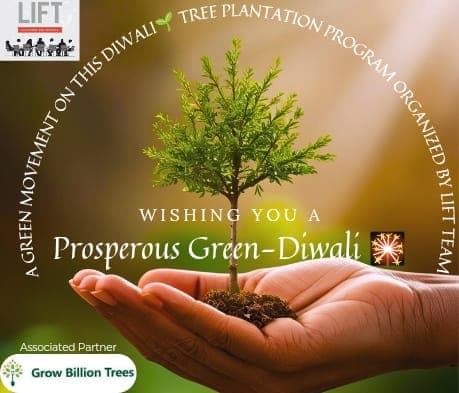 Project Closed
Trees by LIFT Team for Green Diwali: Transform Your Festival
Regular price ₹ 299Regular priceUnit price per -
Trees for a Greener Tomorrow - by Mahindra Lifespaces
Regular price ₹ 299Regular priceUnit price per -
Trees for Environment Day: Plant Your Impact on June 5th
Regular price ₹ 299Regular priceUnit price per -
Trees for Employees: Transform Your Corporate Culture in 2026
Regular price ₹ 299Regular priceUnit price per -
 Project Closed
Trees for Bangalore: Plant Native Trees in Garden City ₹299
Regular price ₹ 799Regular priceUnit price per
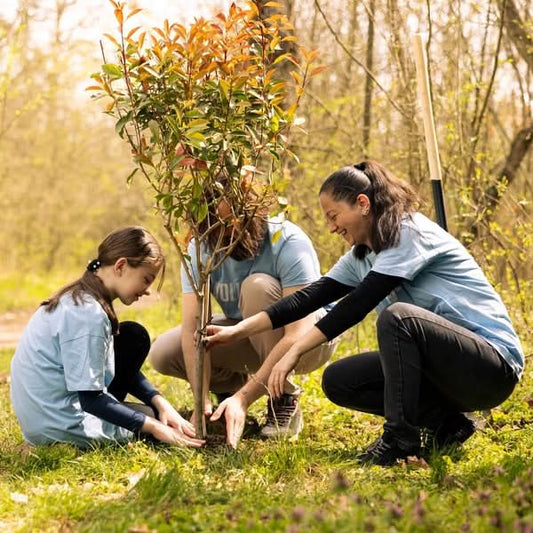
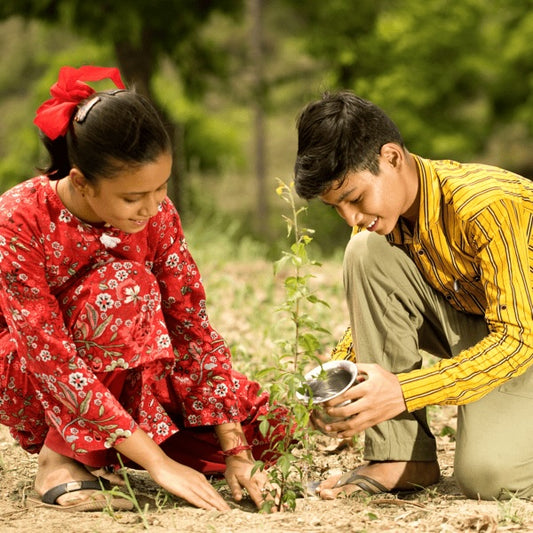
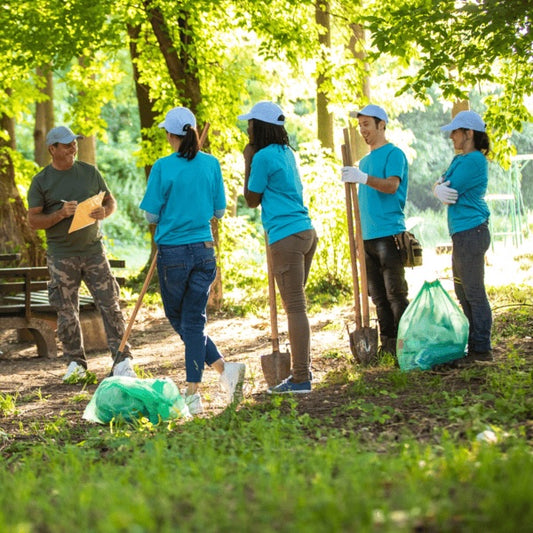
Trending Tree Plantations - Most Popular Environmental Programs
-
Trees for Mother
Regular price ₹ 299Regular priceUnit price per -
Trees to Honor the Memory of your Loved Ones
Regular price ₹ 299Regular priceUnit price per -
Trees for Women's Day (8th Mar)
Regular price ₹ 299Regular priceUnit price per -
Trees for Wedding Anniversary Celebration
Regular price ₹ 299Regular priceUnit price per -
Trees for Grandmother
Regular price ₹ 299Regular priceUnit price per

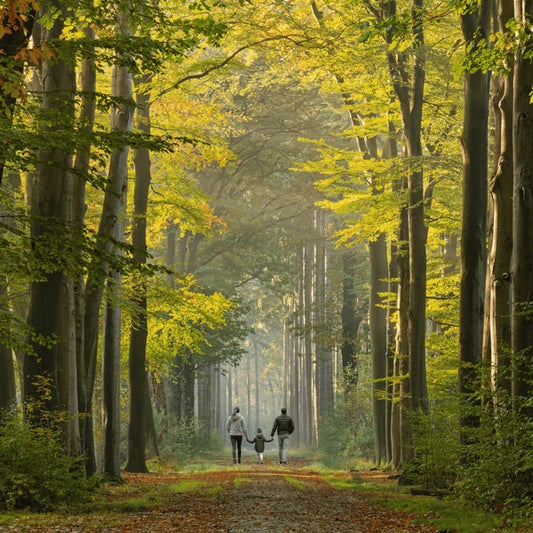



Most Popular Tree Plantations - Top Choices for Environmental Impact
-
Trees for Mother
Regular price ₹ 299Regular priceUnit price per -
Trees to Honor the Memory of your Loved Ones
Regular price ₹ 299Regular priceUnit price per -
Trees for Wedding Anniversary Celebration
Regular price ₹ 299Regular priceUnit price per -
Trees for Grandmother
Regular price ₹ 299Regular priceUnit price per -
Trees for Grandfather
Regular price ₹ 299Regular priceUnit price per

- Choosing a selection results in a full page refresh.
- Opens in a new window.
