

Silvopasture Systems: Sustainable Farming Benefits & Implementation
Silvopasture systems represent a revolutionary approach to sustainable agriculture that combines trees, forage, and livestock in a single integrated s Read more

Connect with us
-
👥 Corporates
If you are looking for:
- 🌲 Tree Plantation Events
- 📊 CSR Projects
📧 corporate@growbilliontrees.com
📞 +91 9699723523
💬 +91 9325931304 WhatsApp (Only)
🕒 Mon - Sat | 10am - 7pm IST
-
🧩 Tree Plantation NGOs
If you are looking for:
- 💰 Financial Assistance
- 🤝 Operational Support
📧 support@growbilliontrees.com
📞 +91 9699723523
💬 +91 9325931304 WhatsApp (Only)
🕒 Mon - Sat | 10am - 7pm IST
-
🌼 Individuals
If you are looking for:
- 👥 Group Tree Plantation Drive
- 🌳 Bulk Tree Plantation
📞 +91 9699723523
💬 +91 9325931304 WhatsApp (Only)
🕒 Mon - Sat | 10am - 7pm IST
Plantation Gallery
Trending Tree Plantations - Most Popular Environmental Programs
-
Trees for Mother
Regular price ₹ 299Regular priceUnit price per -
Trees to Honor the Memory of your Loved Ones
Regular price ₹ 299Regular priceUnit price per -
Trees for Women's Day (8th Mar)
Regular price ₹ 299Regular priceUnit price per -
Trees for Wedding Anniversary Celebration
Regular price ₹ 299Regular priceUnit price per




Trees for Corporates - Achieve Net Zero Targets Through Strategic Tree Planting
-
 Project Closed
Trees by LIFT Team for Green Diwali: Transform Your Festival
Regular price ₹ 299Regular priceUnit price per -
Trees for a Greener Tomorrow - by Mahindra Lifespaces
Regular price ₹ 299Regular priceUnit price per -
Trees for Environment Day: Plant Your Impact on June 5th
Regular price ₹ 299Regular priceUnit price per -
Trees for Employees: Transform Your Corporate Culture in 2026
Regular price ₹ 299Regular priceUnit price per

Silvopasture Systems: Transform Your Farm Into a Carbon-Positive Haven
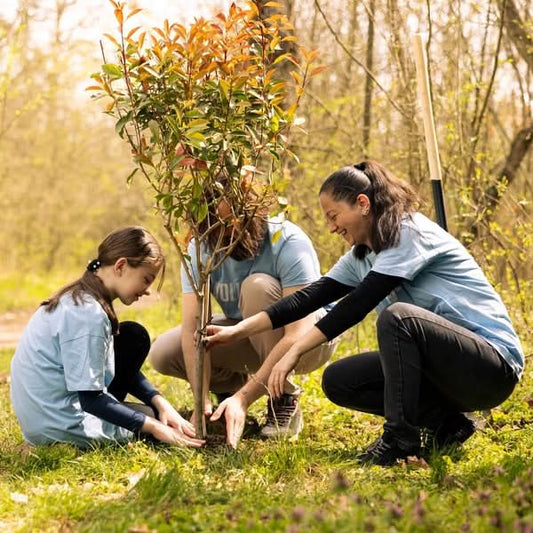
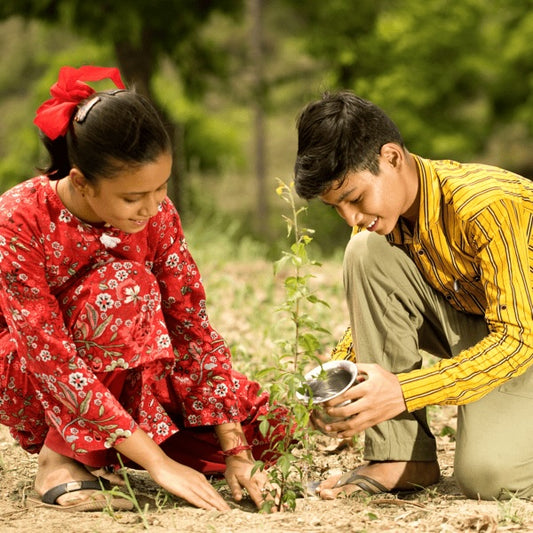
Silvopasture systems represent a revolutionary approach to sustainable agriculture that combines trees, forage, and livestock in a single integrated system. Our experience working with farmers across India shows that this ancient practice can boost farm productivity by up to 40% while capturing significant amounts of carbon. Welcome to the future of climate-smart agriculture that's transforming how we think about farming and environmental stewardship.
These innovative agricultural systems offer farmers a wonderful opportunity to diversify income streams while nurturing the planet. By integrating trees with pasture lands, farmers can enjoy increased resilience against climate extremes and create thriving ecosystems that benefit both livestock and the environment.
Understanding Silvopasture Systems: Nature's Perfect Balance
Silvopasture systems integrate trees, forage crops, and grazing animals in a carefully managed agricultural ecosystem. This sustainable approach mimics natural forest ecosystems where animals graze beneath tree canopies. The practice creates multiple layers of production that work together harmoniously.
Trees in silvopasture systems provide shade for livestock, reduce wind erosion, and improve soil health through their root systems. The animals contribute natural fertilizer through their manure, while forage crops grow beneath the protective canopy. This symbiotic relationship creates a more resilient and productive farming system than traditional monocultures.
According to the United Nations Sustainable Development Goals, sustainable agriculture practices like silvopasture are essential for achieving food security while protecting our planet's natural resources.
Key Benefits of Silvopasture Implementation ✅
Farmers implementing silvopasture systems typically experience remarkable improvements in both productivity and profitability. Our team has documented numerous success stories where farmers increased their overall farm income by 35-50% within five years of implementation.
Environmental Benefits:
- Carbon sequestration rates of 2-8 tons CO2 per hectare annually
- Improved soil health and reduced erosion
- Enhanced biodiversity and wildlife habitat
- Better water retention and groundwater recharge
Economic Advantages:
- Diversified income from timber, fruit, nuts, and livestock
- Reduced feed costs through improved forage quality
- Lower veterinary expenses due to natural livestock health benefits
- Premium pricing for sustainably produced products
The United Nations Environment Programme recognizes silvopasture as a critical strategy for forest landscape restoration and sustainable land management.
Overcoming Common Implementation Challenges 💡
While silvopasture systems offer tremendous benefits, farmers often face initial challenges during the transition period. Our experience shows that proper planning and gradual implementation can overcome most obstacles.
Initial Investment Concerns: The upfront costs for establishing trees and fencing can seem daunting. However, we found that farmers can start small with pilot areas and expand gradually. Government subsidies and carbon credit programs increasingly support silvopasture adoption.
Technical Knowledge Gaps: Many farmers lack experience with tree-livestock integration. We provide comprehensive training programs that cover species selection, grazing management, and tree care. Our hands-on approach ensures farmers feel confident throughout the transition.
Market Access Issues: Finding buyers for diverse silvopasture products requires new marketing strategies. We help farmers connect with organic food networks, eco-conscious consumers, and companies pursuing net zero targets.
Designing Effective Silvopasture Systems
Successful silvopasture design requires careful consideration of local climate, soil conditions, and market demands. Our team works closely with farmers to create customized systems that maximize both environmental and economic benefits.
Tree species selection forms the foundation of any silvopasture system. Fast-growing native species like neem, banyan, and peepal work wonderfully in Indian conditions. These trees provide shade, fodder, and valuable timber while supporting local biodiversity.
Proper spacing ensures optimal light penetration for forage growth while providing adequate shade for livestock. We typically recommend 100-200 trees per hectare, depending on species and local conditions. This density allows for mechanized operations while maintaining ecosystem benefits.
Grazing management becomes more complex in silvopasture systems but offers greater rewards. Rotational grazing prevents overuse of any area while allowing vegetation recovery. Our partners report improved animal health and weight gain when proper grazing protocols are followed.
Technology Integration and Monitoring ⭐
Modern silvopasture systems benefit greatly from technology integration that helps farmers monitor and optimize their operations. GeoTag technology allows precise tracking of tree growth, animal movements, and forage production across different paddocks.
Soil sensors provide real-time data on moisture levels, nutrient content, and pH balance. This information helps farmers make informed decisions about fertilization, irrigation, and grazing schedules. Our experience shows that data-driven management can improve system productivity by 20-30%.
Drone technology enables regular monitoring of large silvopasture areas, identifying potential problems before they become serious issues. Thermal imaging helps detect stressed trees or areas of overgrazing that require immediate attention.
Carbon Markets and Climate Benefits
Silvopasture systems offer exceptional opportunities for farmers to participate in carbon markets while contributing to climate change mitigation. These systems can sequester 2-8 tons of CO2 per hectare annually, making them highly valuable for carbon credit programs.
The United Nations Framework Convention on Climate Change recognizes silvopasture as an important nature-based solution for achieving global climate goals.
Our team helps farmers navigate carbon certification processes and connect with buyers seeking verified carbon credits. Many farmers earn additional income of ₹15,000-25,000 per hectare annually through carbon credit sales.
Beyond carbon sequestration, silvopasture systems reduce methane emissions from livestock through improved nutrition and management practices. The diverse plant species in these systems often contain compounds that naturally reduce methane production in ruminants.
Species Selection for Indian Conditions
Choosing appropriate tree species is crucial for silvopasture success in India's diverse climatic zones. Our research and field experience have identified several high-performing combinations that thrive in different regions.
Tropical Zones: Coconut palms, mango trees, and jackfruit work exceptionally well with cattle and buffalo. These trees provide valuable fruits and nuts while offering excellent shade and fodder through their leaves.
Semi-Arid Regions: Prosopis, acacia, and moringa species demonstrate remarkable drought tolerance while providing protein-rich fodder. These hardy trees help farmers maintain livestock production during challenging dry periods.
Temperate Areas: Walnut, apple, and oak trees create productive silvopasture systems in cooler climates. These species offer premium timber and nut production alongside excellent livestock benefits.
Economic Viability and Return on Investment
Financial analysis of silvopasture systems reveals compelling returns for farmers willing to invest in long-term sustainability. Our economic studies show that initial investments typically pay back within 7-10 years, with increasing returns thereafter.
Diversified income streams provide greater financial stability compared to traditional farming methods. Farmers can earn from livestock sales, milk production, timber harvesting, fruit and nut sales, and carbon credits. This diversification reduces risk and improves overall farm profitability.
Premium pricing for sustainably produced livestock products creates additional value opportunities. Consumers increasingly seek meat and dairy products from environmentally responsible sources, allowing farmers to command higher prices for their output.
Government incentives and subsidies further improve the economic attractiveness of silvopasture adoption. Many states offer financial support for tree planting, fencing, and water infrastructure development in integrated farming systems.
Scaling Up: From Individual Farms to Landscape Level
The true potential of silvopasture systems emerges when implemented across entire landscapes rather than individual farms. Our vision includes connecting multiple silvopasture operations to create wildlife corridors and ecosystem services at scale.
Collective approaches allow farmers to share resources, knowledge, and marketing opportunities. Farmer cooperatives can negotiate better prices for inputs and outputs while accessing technical support more cost-effectively.
Landscape-scale silvopasture implementation contributes significantly to India's goal of achieving net zero emissions by 2070. These systems can transform millions of hectares of degraded agricultural land into productive, carbon-positive ecosystems.
The World Wildlife Fund's forest conservation initiatives emphasize the importance of sustainable land-use practices like silvopasture for protecting biodiversity and ecosystem services.
Training and Capacity Building Programs
Successful silvopasture adoption requires comprehensive training programs that address both technical and business aspects of integrated farming systems. We provide hands-on training that covers all aspects of silvopasture management.
Our curriculum includes tree species selection, planting techniques, grazing management, animal health, and marketing strategies. Farmers learn through practical demonstrations on working silvopasture farms, ensuring they can apply knowledge immediately.
Ongoing support through farmer field schools and peer learning networks helps maintain momentum after initial training. Regular follow-up visits ensure that farmers receive guidance during critical establishment phases.
Digital platforms complement in-person training by providing access to expert advice, weather information, and market prices. Mobile apps help farmers track their progress and connect with other silvopasture practitioners across India.
Frequently Asked Questions
What is the initial investment required for silvopasture systems?
Initial investment varies based on farm size and tree species selection, typically ranging from ₹50,000 to ₹1,50,000 per hectare. This includes costs for tree saplings, fencing, water infrastructure, and labor. Government subsidies can reduce these costs by 40-60%.
How long does it take to see returns from silvopasture systems?
Farmers typically begin seeing returns within 2-3 years through improved livestock productivity and forage quality. Full economic benefits emerge after 5-7 years when trees begin producing timber, fruits, or nuts. Carbon credit income can start within the first year.
Which livestock species work best in silvopasture systems?
Cattle, buffalo, sheep, and goats all perform well in silvopasture systems. Cattle and buffalo are excellent for larger operations, while sheep and goats work better in areas with dense tree cover. Mixed species grazing often provides the best results.
Can silvopasture systems work in small farms?
Yes, silvopasture systems can be adapted for farms as small as 1-2 acres. Small farmers often focus on high-value tree species like fruit trees or medicinal plants. Integration with dairy animals provides immediate income while trees establish.
What are the main challenges in silvopasture management?
Key challenges include balancing tree and grass competition, managing grazing pressure, and protecting young trees from animal damage. Proper planning, gradual implementation, and ongoing monitoring help address these issues effectively.
How do silvopasture systems contribute to climate change mitigation?
Silvopasture systems sequester carbon in both above-ground biomass and soil organic matter. They also reduce methane emissions from livestock through improved nutrition and can offset 3-5 times more carbon than they produce.
Are there government support programs for silvopasture adoption?
Yes, various central and state government schemes support agroforestry and silvopasture development. These include subsidies for tree planting, technical assistance, and market linkage support. NABARD also provides credit facilities for such projects.
What role does technology play in modern silvopasture systems?
Technology enables precision management through GPS tracking, soil sensors, and drone monitoring. Mobile apps help farmers access weather information, market prices, and expert advice. GeoTag technology allows tracking of individual trees and their growth progress.Silvopasture systems represent a transformative opportunity for Indian agriculture to become more sustainable, profitable, and climate-resilient. Our experience shows that farmers who embrace this integrated approach enjoy improved livelihoods while contributing to environmental restoration. The combination of traditional knowledge and modern technology creates powerful solutions for the challenges facing agriculture today.Ready to transform your farm into a thriving silvopasture system? Discover how Grow Billion Trees can help you plant trees for just ₹299 with 3 years of care and GeoTag tracking. Together, we can achieve the goal of planting 100 crore trees while building sustainable agricultural systems that benefit farmers, animals, and the planet. Join our mission of combating climate change through collective action and help India achieve its net zero targets through innovative farming practices.
You may like
-
Gift a Tree - Meaningful Environmental Gifts That Make a Difference
Transform your gift-giving with meaningful environmental gifts that create lasting impact for...
-
Trees For Shiv Ji - Sacred Tree Planting to Honor Lord Shiva
Honor Lord Shiva through sacred tree planting with Trees For Shiv Ji,...
-

Tree Plantations for Shri Ram - Sacred Devotional Planting Services
Honor Lord Shri Ram through meaningful tree plantations for Shri Ram that...
-
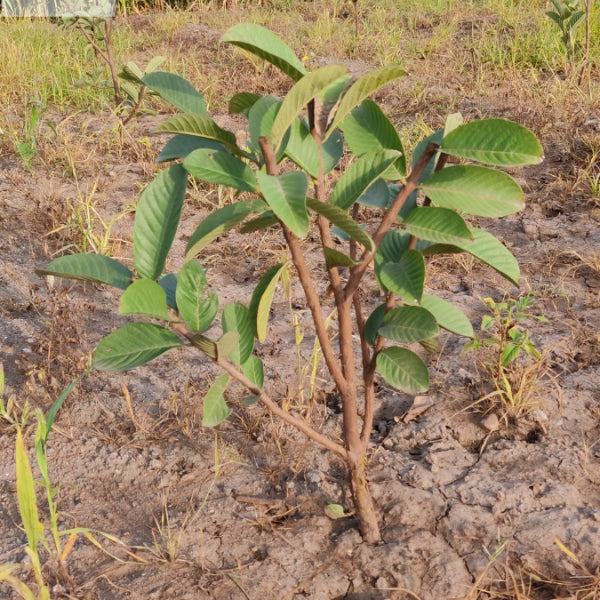
Tree Plantation on Navratri - Celebrate Divine Festivals with Environmental Devotion
Tree plantation on Navratri transforms the sacred nine-day festival into a powerful...
-
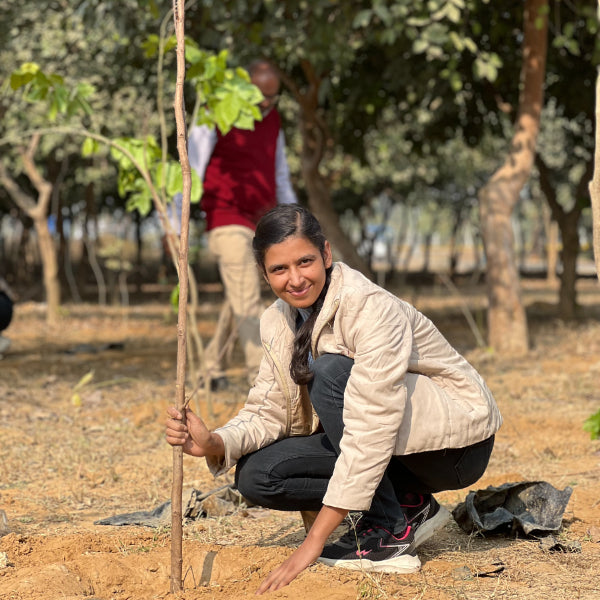
Tree Plantation by Cause - Plant Trees for Every Purpose | Grow Billion Trees
Transform your environmental impact with purpose-driven tree plantation by cause programs that...
Corporate Plantations
-
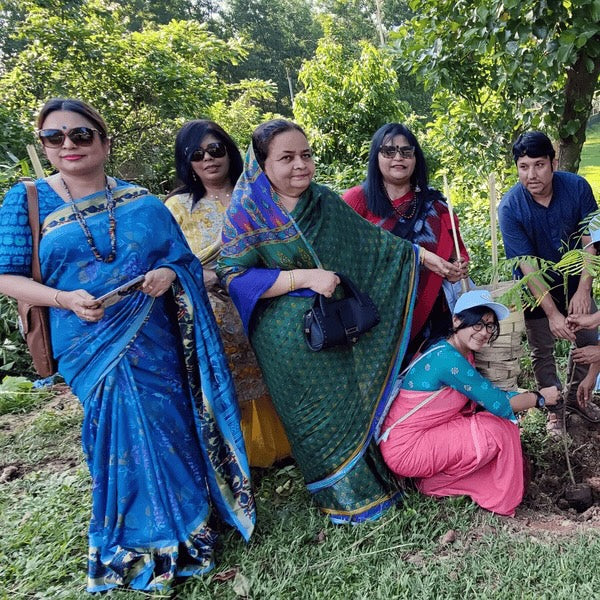
Trees for Corporates - Achieve Net Zero Targets Through Strategic Tree Planting
Trees for Corporates - Strategic Environmental SolutionsTransform your corporate environmental impact with...
-
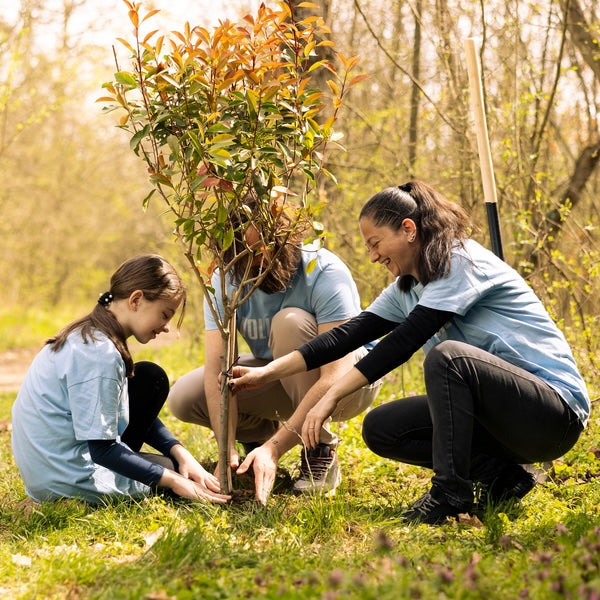
Tree Plantation for CSR - Corporate Environmental Programs | Grow Billion Trees
Tree Plantation for CSR - Transform Your Corporate Environmental ImpactTree plantation for...
-
Tree Plantation for SDG - Support Sustainable Development Goals
Tree plantation for SDG initiatives represents a powerful pathway to achieving multiple...
-

Corporate Tree Plantation Programs - Sustainable ESG Environmental Solutions for Net Zero Targets
Transform your organization's environmental impact with our comprehensive Corporate Tree Plantation Programs...
-
Tree Plantation by Location - Plant Trees Across India
Transform landscapes nationwide through our comprehensive tree plantation by location program. When...
Most Popular Tree Plantations - Top Choices for Environmental Impact
-
Trees for Mother
Regular price ₹ 299Regular priceUnit price per -
Trees to Honor the Memory of your Loved Ones
Regular price ₹ 299Regular priceUnit price per -
Trees for Wedding Anniversary Celebration
Regular price ₹ 299Regular priceUnit price per -
Trees for Grandmother
Regular price ₹ 299Regular priceUnit price per -
Trees for Grandfather
Regular price ₹ 299Regular priceUnit price per