
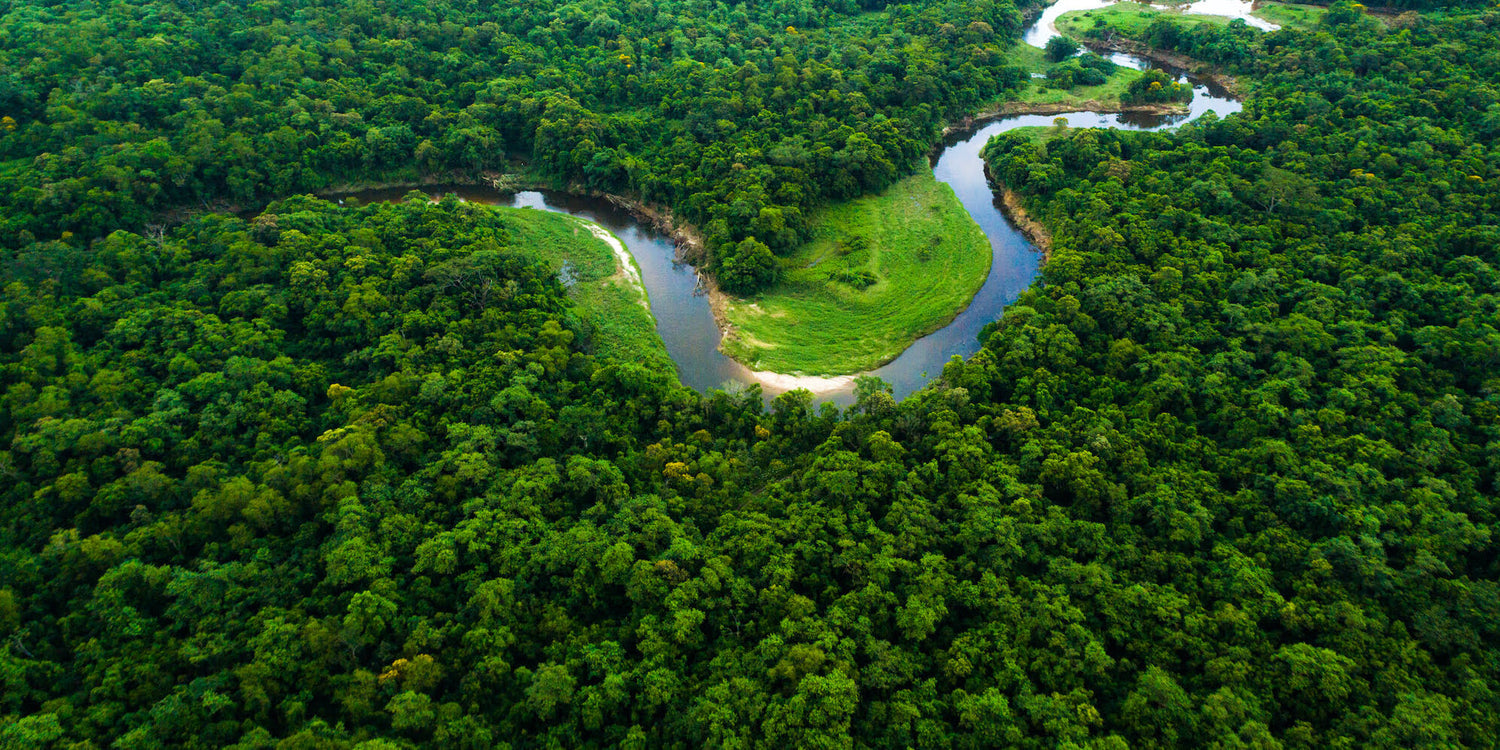
Urban Forests: The Lungs of the City - Green Solutions 2026
Urban Forests: The Lungs of the CityUrban forests serve as the vital lungs of our cities, transforming concrete jungles into thriving, sustainable eco Read more

Connect with us
-
👥 Corporates
If you are looking for:
- 🌲 Tree Plantation Events
- 📊 CSR Projects
📧 corporate@growbilliontrees.com
📞 +91 9699723523
💬 +91 9325931304 WhatsApp (Only)
🕒 Mon - Sat | 10am - 7pm IST
-
🧩 Tree Plantation NGOs
If you are looking for:
- 💰 Financial Assistance
- 🤝 Operational Support
📧 support@growbilliontrees.com
📞 +91 9699723523
💬 +91 9325931304 WhatsApp (Only)
🕒 Mon - Sat | 10am - 7pm IST
-
🌼 Individuals
If you are looking for:
- 👥 Group Tree Plantation Drive
- 🌳 Bulk Tree Plantation
📞 +91 9699723523
💬 +91 9325931304 WhatsApp (Only)
🕒 Mon - Sat | 10am - 7pm IST
Plantation Gallery
Trending Tree Plantations - Most Popular Environmental Programs
-
Trees for Mother
Regular price ₹ 299Regular priceUnit price per -
Trees to Honor the Memory of your Loved Ones
Regular price ₹ 299Regular priceUnit price per -
Trees for Women's Day (8th Mar)
Regular price ₹ 299Regular priceUnit price per -
Trees for Wedding Anniversary Celebration
Regular price ₹ 299Regular priceUnit price per


Trees for Corporates - Achieve Net Zero Targets Through Strategic Tree Planting
-
 Project Closed
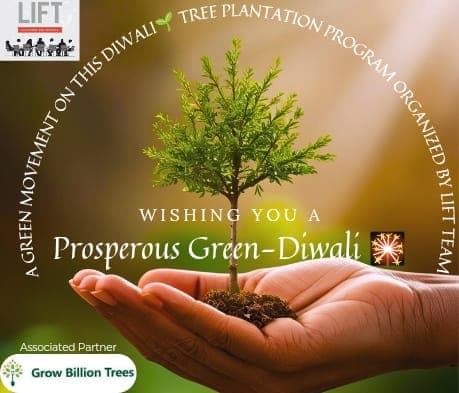
Trees by LIFT Team for Green Diwali: Transform Your Festival
Regular price ₹ 299Regular priceUnit price per -
Trees for a Greener Tomorrow - by Mahindra Lifespaces
Regular price ₹ 299Regular priceUnit price per -
Trees for Environment Day: Plant Your Impact on June 5th
Regular price ₹ 299Regular priceUnit price per -
Trees for Employees: Transform Your Corporate Culture in 2026
Regular price ₹ 299Regular priceUnit price per
Urban Forests: The Lungs of the City - Green Solutions for 2026
Urban Forests: The Lungs of the City
Urban forests serve as the vital lungs of our cities, transforming concrete jungles into thriving, sustainable ecosystems. These green sanctuaries welcome millions of urban dwellers with cleaner air, cooler temperatures, and improved quality of life. Our team has witnessed firsthand how urban forests can transform entire neighborhoods, creating wonderful spaces where communities thrive together.
In 2026, cities across India are embracing urban forestry as a powerful tool for Combating Climate Change Through Collective Action. We're happy to share that urban forests reduce air pollution by up to 60% while providing natural cooling that can lower city temperatures by 2-9°C.
What Are Urban Forests? ✅
Urban forests encompass all trees, shrubs, and green spaces within city boundaries. These include parks, street trees, rooftop gardens, and specially designed forest patches. Unlike traditional parks, urban forests focus on creating dense, multi-layered ecosystems that mimic natural woodland environments.
The United Nations Sustainable Development Goals recognize urban forests as essential infrastructure for sustainable cities. These green spaces nurture biodiversity while providing countless benefits to urban residents.
Our experience shows that successful urban forests require careful planning and community involvement. We ensure each project considers local climate, soil conditions, and community needs to create lasting environmental impact.
The Miyawaki Method: Revolutionary Urban Forest Creation 🌱
The Miyawaki method revolutionizes how we create urban forests by planting native species in dense formations. This technique grows forests 10 times faster than conventional methods. Our partners have successfully implemented this approach across Mumbai, Bangalore, Delhi, Chennai, and Hyderabad.
This method creates self-sustaining ecosystems within just 2-3 years. The dense planting encourages rapid growth and natural competition among species. Therefore, these forests require minimal maintenance once established.
We provide comprehensive 4ft Tree Planting + 3 Years Care + GeoTag services for all Miyawaki projects. This ensures healthy forest development and allows communities to track their environmental contribution through technology.
Environmental Benefits of Urban Forests ⭐
Urban forests deliver remarkable environmental benefits that transform city living. These green lungs filter millions of tons of pollutants annually while producing fresh oxygen for urban populations.
Air Quality Improvement
A single mature tree absorbs 22kg of CO2 annually and produces oxygen for two people daily. Urban forests collectively remove thousands of tons of harmful pollutants including particulate matter, nitrogen dioxide, and sulfur dioxide from city air.
Research from 2026 data shows that cities with 30% forest cover experience 40% better air quality compared to concrete-dominated areas. This improvement directly translates to reduced respiratory diseases and improved public health outcomes.
Temperature Regulation
Urban forests provide natural air conditioning through evapotranspiration and shade. Trees release water vapor that cools surrounding air while their canopies block direct sunlight from heating pavement and buildings.
Cities with extensive urban forests report temperature reductions of 2-9°C compared to non-forested areas. This natural cooling reduces energy consumption for air conditioning by up to 30%.
Biodiversity Conservation
Urban forests create vital habitat corridors for birds, insects, and small mammals. These green spaces support diverse ecosystems that would otherwise disappear in urban environments. Native tree species particularly attract indigenous wildlife, creating balanced urban ecosystems.
Social and Economic Benefits 💡
Beyond environmental advantages, urban forests provide significant social and economic benefits to city communities. Property values increase by 10-15% in neighborhoods with established urban forests. These green spaces also create employment opportunities in forestry, maintenance, and eco-tourism sectors.
Mental health benefits include reduced stress, improved mood, and enhanced cognitive function among residents living near urban forests. Studies indicate that regular exposure to urban forests reduces anxiety by 25% and improves overall well-being.
Urban forests also serve as natural gathering spaces where communities connect and celebrate together. These areas host educational programs, cultural events, and recreational activities that strengthen social bonds.
Creating Urban Forests: Best Practices 🌳
Successful urban forest creation requires strategic planning and community engagement. Our hands-on experience reveals several key factors for creating thriving urban ecosystems.
Site Selection and Preparation
Choose locations with adequate space for root development and canopy expansion. Consider soil quality, drainage, and existing infrastructure when selecting sites. Proper soil preparation ensures healthy tree establishment and long-term growth.
We recommend conducting soil tests and amending poor soils with organic matter before planting. This foundation work significantly improves survival rates and growth performance.
Native Species Selection
Select native tree species adapted to local climate conditions and soil types. Native plants require less water and maintenance while supporting local wildlife populations. Mix different species to create diverse, resilient forest ecosystems.
According to United Nations Environment Programme forest initiatives, native species plantations show 85% higher survival rates compared to exotic species in urban environments.
Community Involvement
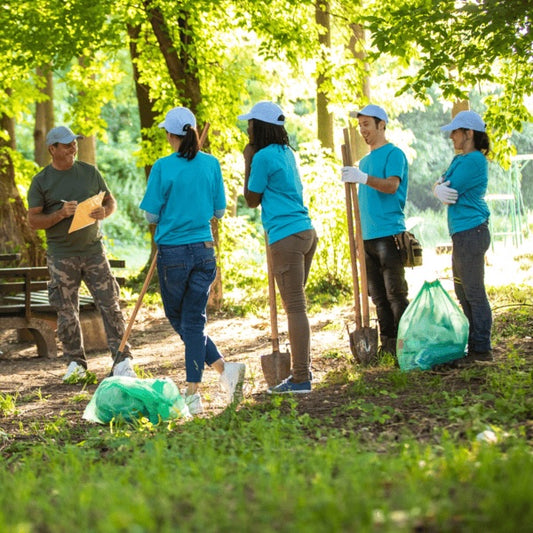
Engage local communities in planning, planting, and maintaining urban forests. Community ownership ensures long-term care and protection of these valuable green spaces. Educational programs help residents understand forest benefits and proper care techniques.
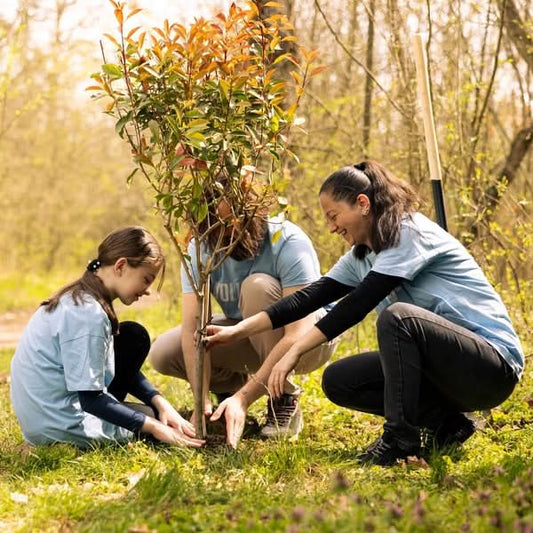
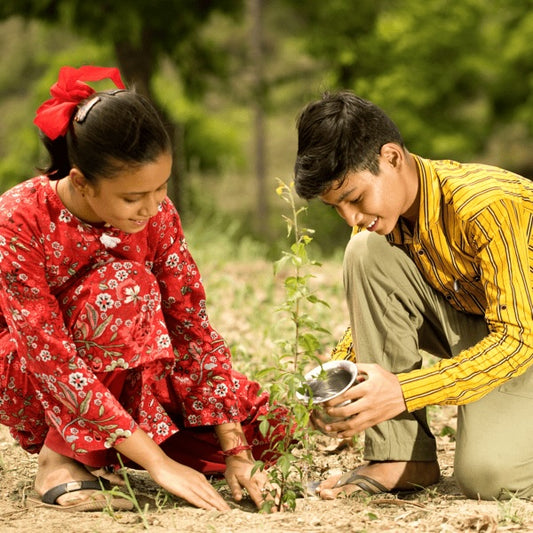
We organize regular community planting events where families can Plant a tree in your Name and contribute to local environmental restoration efforts.
Technology in Urban Forest Management 📱
Modern technology enhances urban forest planning, monitoring, and maintenance. GIS mapping helps identify optimal planting locations while satellite imagery tracks forest growth and health over time.
Our GeoTag technology allows tree sponsors to monitor their planted trees through smartphone apps. This transparency builds trust and encourages continued environmental engagement among urban communities.
Smart irrigation systems optimize water usage based on weather conditions and soil moisture levels. These systems reduce maintenance costs while ensuring optimal growing conditions for urban forests.
Challenges and Solutions ⚠️
Urban forest development faces several challenges including limited space, soil contamination, and maintenance requirements. However, innovative solutions address these obstacles effectively.
Space Constraints
Vertical gardens and rooftop forests maximize green space in dense urban areas. These innovative approaches create forest-like environments even in space-limited locations. Multi-story planting designs optimize land use efficiency.
Soil Quality Issues
Contaminated urban soils require remediation before tree planting. Soil amendments and careful species selection overcome poor growing conditions. Raised beds and imported soil provide clean growing mediums where needed.
Maintenance Requirements
Regular watering, pruning, and pest management ensure urban forest health. Community volunteer programs reduce maintenance costs while building environmental awareness. Professional arborists provide specialized care for complex issues.
Corporate Partnerships for Urban Forests 🤝
Corporations increasingly recognize urban forests as essential for achieving Net Zero Targets and environmental sustainability goals. Our corporate partners invest in urban forestry to offset carbon emissions while improving local air quality.
Employee engagement programs allow staff to participate in tree planting activities, building team spirit while contributing to environmental restoration. These initiatives demonstrate corporate environmental responsibility to customers and stakeholders.
The United Nations climate change initiatives encourage private sector investment in urban forestry as a climate action strategy. Corporate funding accelerates urban forest development while providing measurable environmental returns.
Urban Forests Across Indian Cities 🏙️
Major Indian cities are embracing urban forestry with remarkable results. Mumbai's Sanjay Gandhi National Park demonstrates how large urban forests can coexist with dense populations. Bangalore's numerous parks and tree-lined streets create a green city model for others to follow.
Delhi's recent urban forest initiatives aim to improve the city's air quality through strategic tree planting. Chennai focuses on coastal urban forests that provide storm protection while enhancing urban biodiversity.
Hyderabad integrates urban forests with smart city planning, creating sustainable neighborhoods that balance development with environmental conservation. These examples inspire other cities to prioritize urban forestry in their development plans.
The Future of Urban Forests 🌿
Urban forests will play increasingly important roles in creating sustainable, livable cities. Climate change makes these green infrastructures essential for urban resilience and adaptation strategies.
Emerging technologies like drone monitoring and AI-powered forest management will improve urban forest efficiency and effectiveness. These innovations will help cities maximize environmental benefits while minimizing maintenance costs.
Our vision includes expanding urban forest coverage to 30% of all Indian cities by 2030. This ambitious goal requires continued collaboration between government, corporations, and communities working together for environmental restoration.
Getting Started with Urban Forest Creation 🌱
Communities can begin urban forest development through small-scale initiatives that grow into larger projects. Start by identifying suitable locations and gathering community support for tree planting activities.
Partner with experienced organizations that provide technical expertise and ongoing support. We offer comprehensive urban forest services including site assessment, species selection, planting, and long-term maintenance programs.
Consider starting with native species that adapt well to local conditions. These trees establish quickly and require minimal ongoing care while providing maximum environmental benefits.
Frequently Asked Questions
What makes urban forests different from regular parks?
Urban forests focus on creating dense, multi-layered ecosystems that mimic natural forests. They prioritize native species and ecological functions over recreational amenities, though they provide both environmental and social benefits.
How long does it take to establish an urban forest?
Using traditional methods, urban forests take 15-20 years to mature. However, the Miyawaki method creates functional forests in just 2-3 years through dense native species planting and intensive initial care.
What are the costs involved in creating urban forests?
Costs vary based on location, size, and species selection. Our Plant a tree in your Name program starts at ₹299 per tree including 3 years of care, making urban forest creation accessible to individuals and communities.
Can urban forests survive in polluted city environments?
Yes, properly planned urban forests not only survive but thrive in urban environments. Native species selection and appropriate site preparation ensure forest resilience against urban stressors like pollution and heat.
How do urban forests help achieve Net Zero targets?
Urban forests absorb CO2, produce oxygen, and reduce energy consumption through natural cooling. A mature urban forest can sequester 5-10 tons of CO2 per hectare annually, contributing significantly to carbon neutrality goals.
What maintenance do urban forests require?
Initial establishment requires regular watering and weed control for 2-3 years. Mature urban forests become largely self-sustaining, requiring only periodic monitoring and minimal intervention for optimal health.
Can individuals contribute to urban forest development?
Absolutely! Individuals can plant trees, volunteer for community forest projects, or sponsor tree planting through organizations. Every contribution helps expand urban forest coverage and environmental benefits.
How do urban forests impact property values?
Properties near urban forests typically see value increases of 10-15%. These green spaces provide aesthetic appeal, improved air quality, and recreational opportunities that make neighborhoods more desirable.
What role does technology play in urban forest management?
Technology enables precise monitoring, efficient maintenance, and community engagement. GIS mapping, satellite monitoring, and mobile apps help optimize forest management while allowing public participation in forest stewardship.
How can corporations get involved in urban forest initiatives?
Corporations can sponsor tree planting, adopt forest patches, or integrate urban forestry into CSR programs. These partnerships provide measurable environmental impact while demonstrating corporate sustainability commitment to stakeholders.Urban forests represent our cities' greatest opportunity to create sustainable, healthy environments for current and future generations. These green lungs transform urban landscapes while providing essential ecosystem services that improve quality of life for millions of residents.Join our mission to create 100 crore trees across India and discover how urban forests can transform your community. Learn more about our urban forest programs and start making a positive environmental impact today!
You may like
-
Gift a Tree - Meaningful Environmental Gifts That Make a Difference
Transform your gift-giving with meaningful environmental gifts that create lasting impact for...
-
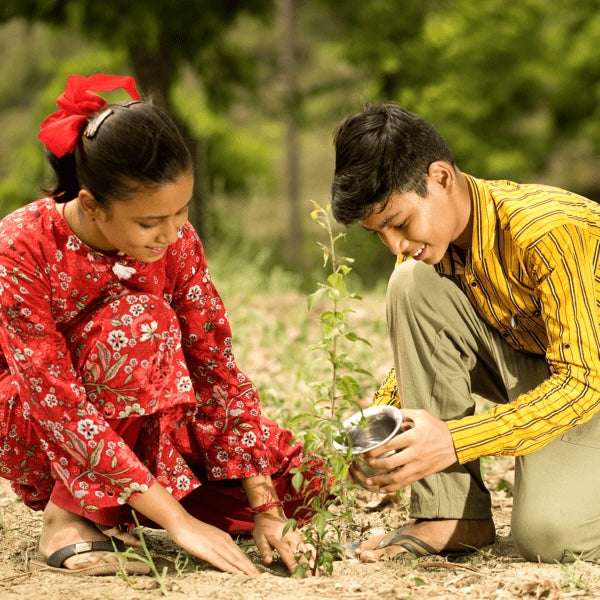
Trees For Shiv Ji - Sacred Tree Planting to Honor Lord Shiva
Honor Lord Shiva through sacred tree planting with Trees For Shiv Ji,...
-
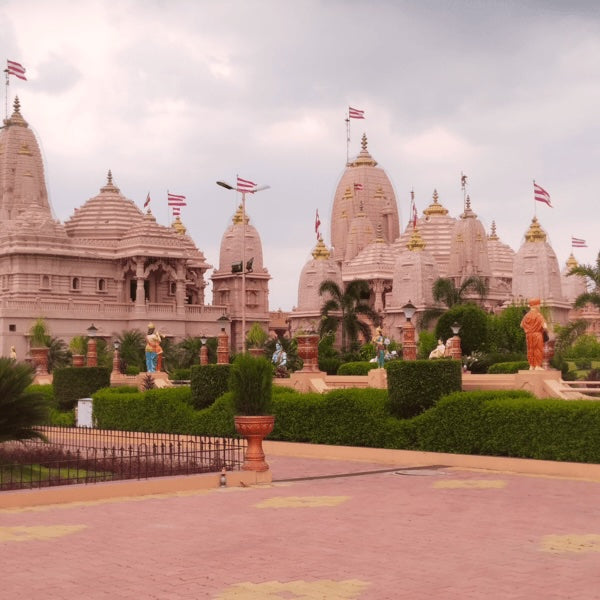
Tree Plantations for Shri Ram - Sacred Devotional Planting Services
Honor Lord Shri Ram through meaningful tree plantations for Shri Ram that...
-
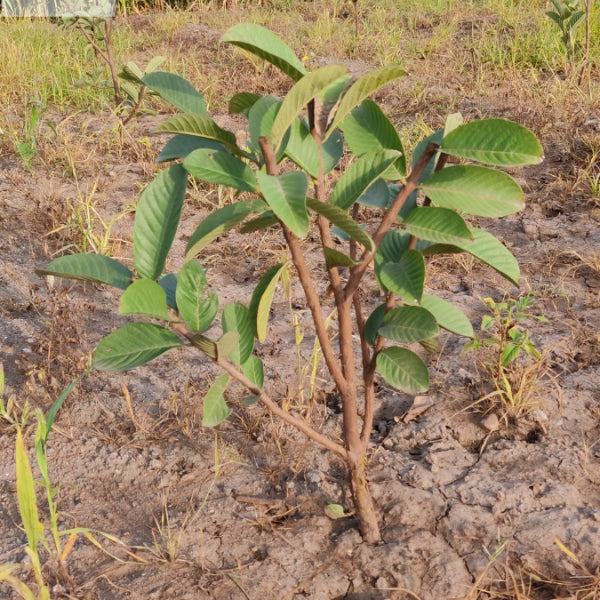
Tree Plantation on Navratri - Celebrate Divine Festivals with Environmental Devotion
Tree plantation on Navratri transforms the sacred nine-day festival into a powerful...
-
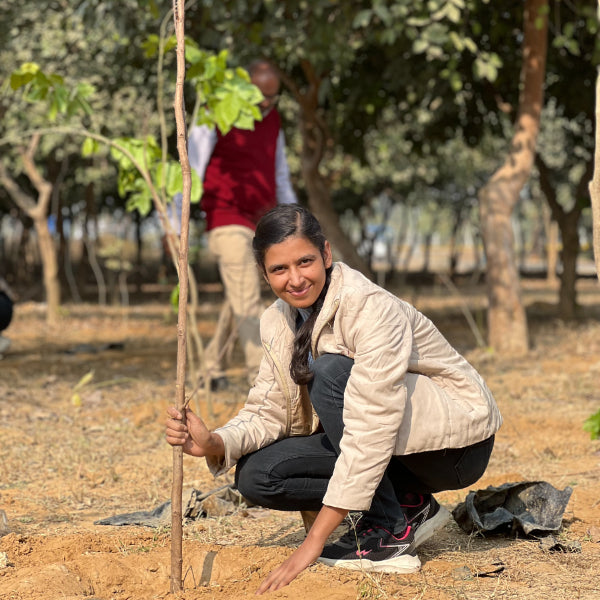
Tree Plantation by Cause - Plant Trees for Every Purpose | Grow Billion Trees
Transform your environmental impact with purpose-driven tree plantation by cause programs that...
Corporate Plantations
-
Trees for Corporates - Achieve Net Zero Targets Through Strategic Tree Planting
Trees for Corporates - Strategic Environmental SolutionsTransform your corporate environmental impact with...
-
Tree Plantation for CSR - Corporate Environmental Programs | Grow Billion Trees
Tree Plantation for CSR - Transform Your Corporate Environmental ImpactTree plantation for...
-
Tree Plantation for SDG - Support Sustainable Development Goals
Tree plantation for SDG initiatives represents a powerful pathway to achieving multiple...
-
Corporate Tree Plantation Programs - Sustainable ESG Environmental Solutions for Net Zero Targets
Transform your organization's environmental impact with our comprehensive Corporate Tree Plantation Programs...
-
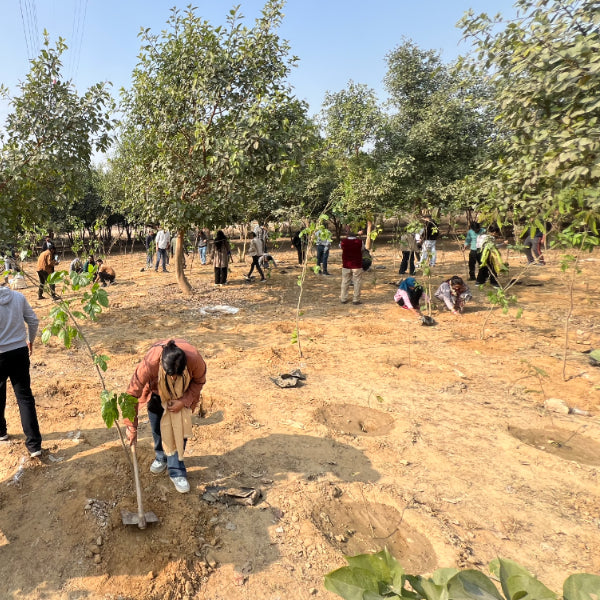
Tree Plantation by Location - Plant Trees Across India
Transform landscapes nationwide through our comprehensive tree plantation by location program. When...
Most Popular Tree Plantations - Top Choices for Environmental Impact
-
Trees for Mother
Regular price ₹ 299Regular priceUnit price per -
Trees to Honor the Memory of your Loved Ones
Regular price ₹ 299Regular priceUnit price per -
Trees for Wedding Anniversary Celebration
Regular price ₹ 299Regular priceUnit price per -
Trees for Grandmother
Regular price ₹ 299Regular priceUnit price per -
Trees for Grandfather
Regular price ₹ 299Regular priceUnit price per