

Urban Renewal Through Trees: BN Group's Urban Forest CSR Initiative
As a trailblazer in sustainability and innovation, BN Group has taken a significant step towards environmental conservation through its Urban Forest C Read more
Project Update 3


Project Update 2
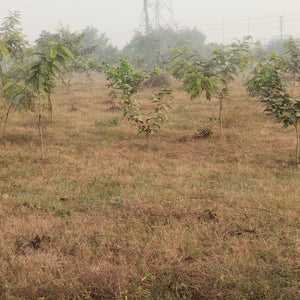


Digital Forest
Forest with 50 Trees planned
Want to plant your tree now?
Plant a Tree @ 299Urban Renewal Through Trees: BN Group's Urban Forest CSR Initiative
As a trailblazer in sustainability and innovation, BN Group has taken a significant step towards environmental conservation through its Urban Forest CSR Initiative. This initiative aims to transform urban spaces into lush, green havens that contribute to ecological balance and improve urban living conditions.
In collaboration with environmental experts, BN Group spearheads tree plantation drives in densely populated areas, creating thriving urban forests. These forests are designed to maximize biodiversity, improve air quality, and mitigate the urban heat island effect. The initiative also focuses on planting native tree species that require minimal maintenance and support local ecosystems.
By integrating sustainability into its CSR activities, BN Group ensures that these urban forests not only serve as green lungs for cities but also stand as a testament to the company’s commitment to innovation and responsibility. This initiative has garnered widespread recognition, aligning with BN Group’s broader mission to promote sustainability across its diverse business verticals, including FMCG, green energy, and agro commodities. It underscores the company’s dedication to building a greener future for urban India while addressing the challenges of rapid urbanization.
Project Planning & Execution
No of Trees: 50 Trees
Plantation Location: Village, opposite BGS Vinatham School, Khairpur Gurjar, Knowledge Park V, Greater Noida, Uttar Pradesh 201306
Plantation Date: 12th Mar 2024
Name of Species: Karanj, Arjun
Species Selection & Its Benefits
The project emphasises native, farmer-friendly species that promote ecological balance while strengthening sustainable livelihoods.
Karanj (Pongamia pinnata) and Arjun (Terminalia arjuna) are strategically selected tree species for sustainable plantations due to their strong ecological, economic, and climate-resilient benefits. Karanj is a hardy, nitrogen-fixing tree that improves soil fertility, controls erosion, and thrives in semi-arid and degraded lands with minimal maintenance, while its seeds provide non-edible oil used for biofuel and organic applications, supporting rural livelihoods. Arjun, with its deep root system and long lifespan, is ideal for riverbanks and agroforestry landscapes, where it enhances groundwater recharge, stabilizes soil, supports biodiversity, and offers significant medicinal value through its bark, along with long-term carbon sequestration and timber benefits, making both species highly suitable for agroforestry, restoration, and sustainable land-use initiatives.
Beneficiaries Details
-
Target Population: Employees, stakeholders, and local community members of Noida
-
Age Group: All age groups focus on adults to seniors
-
Gender: Inclusive of all genders
- Social & Economic Status: Open to all social and economic backgrounds, emphasizing community involvement
Planting Methodology and Its Advantages
Urban Forestry: An urban forest is a network of trees, shrubs, and vegetation strategically planted in urban areas to enhance biodiversity, improve air quality, reduce the urban heat island effect, and provide green spaces for community well-being. It helps mitigate climate change by absorbing carbon dioxide, promotes mental health through accessible green areas, and supports local wildlife by creating habitats. Urban forests play a vital role in building resilient, sustainable cities that benefit both the environment and the people living there.
Advantages of Urban Forestry
-
Climate Regulation and Cooling Effect: Urban forests help mitigate the urban heat island effect by providing shade and cooling through transpiration, lowering city temperatures, reducing the need for air conditioning, and conserving energy.
-
Improved Air Quality: Trees absorb pollutants like carbon dioxide, nitrogen oxides, and particulate matter, leading to improved air quality and reducing the risk of respiratory illnesses in urban areas.
-
Stormwater Management and Flood Prevention: Urban forests improve the soil’s ability to absorb and retain water, reducing stormwater runoff, preventing flooding, and promoting groundwater recharge, thus helping manage water resources efficiently.
-
Soil Erosion Control: The deep root systems of trees prevent soil erosion, especially in areas with heavy rainfall or steep slopes, stabilising the land and reducing soil loss in urban environments.
-
Aesthetic and Recreational Value: The transformation of unused spaces into green zones adds aesthetic value to the area and provides employees and local communities with recreational spaces, making the workplace more enjoyable.
-
Enhanced Community Engagement and Well-being: Urban forests provide accessible green spaces where communities can engage in recreational activities, improving mental health, reducing stress, and fostering a sense of environmental stewardship among residents and employees.
-
Increased Property Value: Properties located near urban forests or green spaces tend to have higher market values, benefiting local property owners and increasing the overall appeal and livability of the area.
- Noise Reduction: Urban forests act as natural sound barriers, reducing noise pollution and creating quieter, more peaceful surroundings.
Activities During Tree Plantation
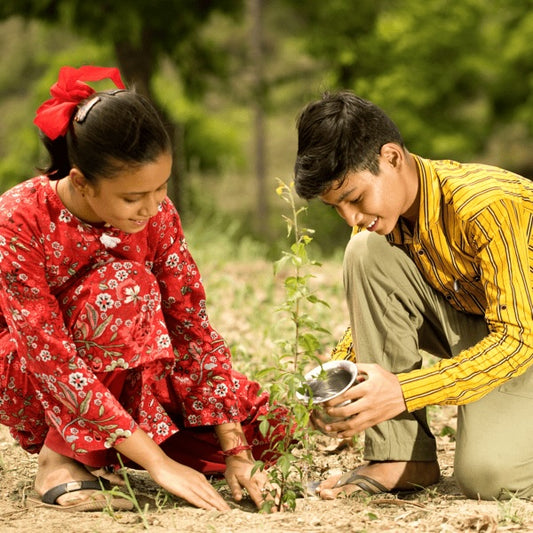
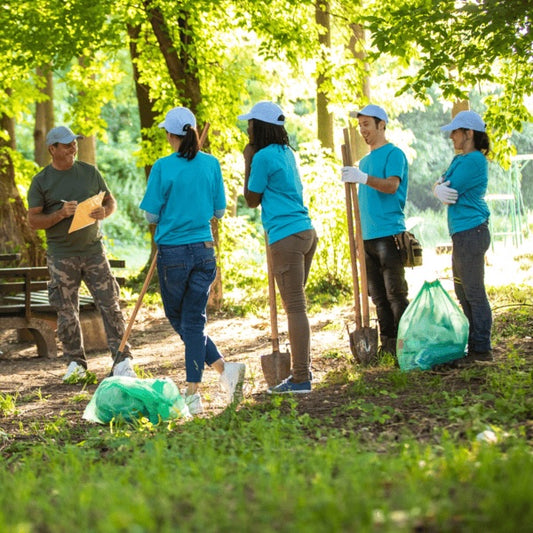
During BN Group's tree plantation CSR initiative, the site is meticulously prepared in advance to ensure optimal conditions for the growth of the saplings. Prior to the plantation day, the area is cleared, and pits are dug to accommodate the newly selected saplings. On the day of the initiative, volunteers carefully plant the saplings into these pre-dug pits, ensuring each tree is positioned at the right depth for healthy root development. Once the saplings are planted, the next crucial step is watering, which ensures the trees settle into the soil and begin their growth process. The watering is done with care to provide adequate moisture for the young trees, promoting strong and sustainable growth in the long term. This well-planned approach ensures the success of BN Group’s urban forest initiative, contributing to the creation of green spaces that benefit the environment and the community.
Conclusion Elements
Direct Impact
| Parameters | Values | References |
| No. of Trees Planted | 50 | |
| Green Cover (Acres) | 0.15 | |
| Carbon Sequestration Potential (KG) | 20 |
Small to medium-sized trees can sequester around 10–48 kilograms (22–106 pounds) of CO₂ annually. https://onetreeplanted.org/blogs/stories/how-much-co2-does-tree-absorb |
| Carbon Sequestration by 50 mature trees ( Tons/year) | 1 Ton | No. of Trees x Carbon Sequestration by 1 mature trees per year |
| Carbon Credit Equivalent | 1 | One carbon credit is equivalent to one tonne of carbon dioxide or the equivalent amount of another greenhouse gas. |
| Carbon Footprint of an avg Indian Citizen (Tons/Year) | 1.8 | https://www.iea.org/countries/india/emissions |
| Offsets Annual Carbon Footprint of (Adults) | 1 | Carbon offset by 50 mature trees per year / Carbon Footprint of an avg Indian Citizen per year |
(This impact analysis is forward-looking (An urban-forest project matures in 3-5 years)
Indirect Impact
Community Impact
-
Improved Public Health: By improving air quality and reducing urban heat, the project indirectly contributes to better public health. The presence of green spaces encourages outdoor activities, which can reduce stress levels, promote mental well-being, and decrease the incidence of respiratory diseases.
-
Environmental Awareness: Involving communities in urban forestry raises awareness about environmental conservation and promotes sustainable practices in daily life.
-
Student Learning & Engagement: The initiative fostered a sense of responsibility and environmental consciousness among students, enhancing their understanding of sustainability while strengthening their connection to nature and each other through collaborative action.
-
Inspiration for Change: By showcasing the potential of urban forestry, the project has encouraged other organizations and local communities to undertake similar initiatives.
-
Cultural Shift: The initiative instilled a mindset of sustainability and environmental care among participants, creating advocates for green practices in their personal and professional lives.
Environmental Impact
-
Carbon Sequestration: The trees planted through BN Groups’ urban forestry initiative absorb carbon dioxide, acting as carbon sinks and helping mitigate climate change by reducing greenhouse gas emissions.
-
Soil Health Improvement: The tree planting initiative enhances soil health by enriching it with organic matter, improving soil fertility and structure, which supports the growth of surrounding vegetation.
-
Erosion Prevention: Tree roots help stabilise the soil in urban areas, preventing erosion caused by wind and water while safeguarding nearby properties and infrastructure from potential damage.
-
Biodiversity Conservation: By creating green spaces, the initiative supports local biodiversity, providing habitats for various species, pollinators, and beneficial insects, and enhancing the ecological balance in urban areas.
-
Water Cycle Regulation: The urban forestry project helps regulate the water cycle by improving water retention in the soil, recharging groundwater levels, and reducing surface runoff, leading to a more balanced and sustainable urban environment.
- Microclimate Regulation: Trees planted through this initiative moderate temperature extremes, reduce wind speeds, and increase humidity, creating a favourable microclimate for both the community and the urban ecosystem.
Achievements
SDG Goals Achieved through Urban Forestry
-
SDG 3: Good Health and Well-Being – The BN Groups’ urban forestry project enhances air quality and creates green spaces that promote physical and mental well-being, reducing stress and fostering a healthier urban lifestyle.
-
SDG 4: Quality Education – By integrating experiential learning into environmental action, BN Groups empowers students with practical knowledge and skills to drive sustainable development.
-
SDG 6: Clean Water and Sanitation – Trees play a crucial role in water conservation by enhancing groundwater recharge, reducing surface runoff, and improving overall water retention. The BN Groups’ initiative supports sustainable urban water systems through afforestation and green infrastructure.
-
SDG 7: Affordable and Clean Energy – By mitigating the urban heat island effect, BN Groups’ tree plantation efforts help lower ambient temperatures and reduce reliance on artificial cooling. The shade provided by trees enhances energy efficiency and promotes a more sustainable urban climate.
-
SDG 8: Decent Work and Economic Growth – The initiative generates employment opportunities in tree planting, maintenance, and ecological restoration, contributing to local economic development and green job creation.
-
SDG 9: Industry, Innovation, and Infrastructure – BN Groups integrates sustainable urban forestry into infrastructure planning, promoting green innovation and enhancing urban resilience.
-
SDG 10: Reduced Inequalities –The initiative ensures inclusivity by engaging employees from diverse backgrounds in environmental conservation. By creating accessible green spaces, BN Groups promotes environmental equity and ensures that all communities, including marginalised groups, benefit from cleaner air, mental well-being, and recreational opportunities.
-
SDG 11: Sustainable Cities and Communities – BN Groups’ commitment to urban afforestation contributes to creating more sustainable and resilient cities by increasing green cover, improving air quality, and enhancing urban biodiversity.
-
SDG 12: Responsible Consumption and Production – BN Groups’ commitment to sustainability is reflected in its responsible approach to urban forestry, focusing on resource efficiency and long-term environmental benefits.
-
SDG 13: Climate Action – The plantation initiative actively supports climate action by sequestering carbon, reducing greenhouse gas emissions, and mitigating climate change effects through the expansion of green spaces.
-
SDG 15: Life on Land – By restoring green spaces with native and fruit-bearing trees, the initiative strengthens biodiversity, supports wildlife, and contributes to a thriving urban ecosystem.
-
SDG 16: Peace, Justice, and Strong Institutions – By fostering inclusive decision-making and community-led governance, BN Groups strengthens local environmental stewardship, ensuring transparency and collaboration for sustainable urban development.
-
SDG 17: Partnerships for the Goals – The initiative thrives on collaboration with local communities, environmental organisations, and partners such as Grow Billion Trees. BN Groups strengthens environmental partnerships to drive impactful urban sustainability and afforestation efforts.
ESG Achieved through Urban Forestry
-
Environmental Impact: BN Groups’ urban forestry initiative significantly enhances environmental sustainability. By planting diverse tree species, the company boosts biodiversity, creates habitats for wildlife, and supports local ecosystems. Trees act as carbon sinks, reducing CO2 levels and mitigating climate change. Additionally, the initiative improves urban climate resilience by regulating temperatures, reducing the heat island effect, and enhancing water retention, ensuring long-term ecological health for future generations.
-
Social Impact: BN Groups’ urban forestry initiative fosters community engagement and well-being by encouraging local participation in tree planting and environmental awareness. The green spaces created improve air quality, promote physical activity, and enhance public health. It also helped students to learn more about our environment and fostered a sense of responsibility towards green sustainability. The project generates job opportunities in tree planting and maintenance while promoting social equity by ensuring access to green spaces for all, including marginalised groups. These efforts build a more inclusive, resilient, and sustainable community.
- Governance Impact: BN Groups demonstrates strong leadership and commitment to sustainability through its urban forestry initiative. The company ensures transparency and accountability by effectively communicating project plans and outcomes to stakeholders. By collaborating with environmental organisations and local communities, it amplifies the impact of its efforts. This approach aligns with best governance practices, achieving environmental and social goals while promoting long-term sustainable growth.
Building Communities
One of the most impactful outcomes of BN Groups’ urban forestry initiative was the sense of unity and collaboration it cultivated. By involving students, local communities, and volunteers, the project became a collective mission to create sustainable urban green spaces, fostering a shared commitment to a greener future.
-
Empowering Students: The students emerged as active contributors to the green transformation, gaining practical knowledge about urban forestry and the importance of ecological balance. This hands-on experience empowered them to take ownership of their actions and deepened their sense of environmental responsibility. Through this initiative, they were inspired to become young stewards of nature, ready to champion sustainability in their communities and beyond.
-
Fostering Partnerships: The project brought together diverse stakeholders, including BN Groups, Grow Billion Trees, students, and local communities, highlighting the value of collaboration in achieving environmental and social goals.
-
Creating a Ripple Effect: As communities experienced the benefits of urban forestry, their enthusiasm inspired others to adopt similar practices, amplifying the initiative's positive impact across the region.
This initiative demonstrates that environmental sustainability thrives when rooted in collective effort. It’s not just about planting trees; it’s about planting hope, collaboration, and a shared vision for a healthier and greener future.
Commitment by Grow Billion Trees
Summary
BN Group’s tree plantation initiative in the urban forest concept is a pivotal part of its Corporate Social Responsibility (CSR) strategy, aimed at fostering environmental sustainability and enhancing urban living. By creating green spaces in densely populated urban areas, the initiative addresses critical issues like air pollution, urban heat islands, and biodiversity loss. The project involves planting native tree species that require minimal maintenance and contribute to improving air quality, reducing temperatures, and supporting local ecosystems. This initiative not only helps mitigate the environmental impact of urbanization but also promotes long-term sustainability. Through strategic partnerships, such as with Grow Billion Trees, BN Group strengthens the scale and effectiveness of the initiative, ensuring that these urban forests thrive and provide lasting benefits to communities. Overall, BN Group’s urban forest initiative is a testament to its commitment to sustainability, creating healthier, greener cities while contributing to broader global environmental goals.
Trees for Corporates - Achieve Net Zero Targets Through Strategic Tree Planting
-
 Project Closed
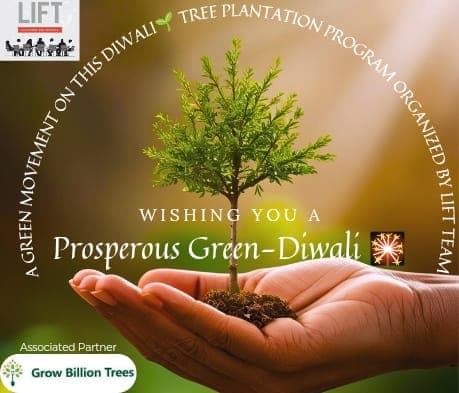
Trees by LIFT Team for Green Diwali: Transform Your Festival
Regular price ₹ 299Regular priceUnit price per -
Trees for a Greener Tomorrow - by Mahindra Lifespaces
Regular price ₹ 299Regular priceUnit price per -
Trees for Environment Day: Plant Your Impact on June 5th
Regular price ₹ 299Regular priceUnit price per -
 Project Closed
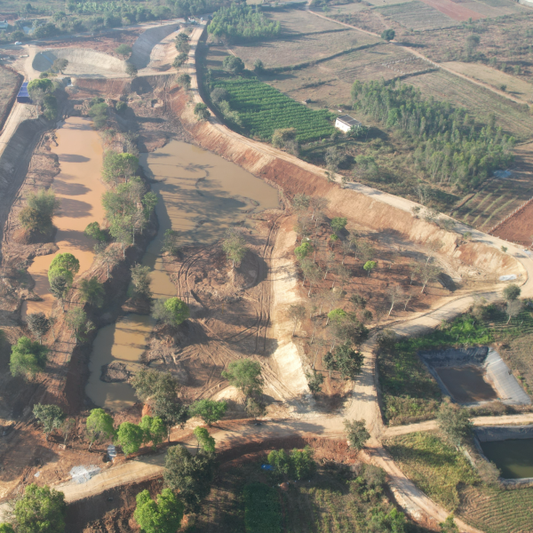
Trees for Bangalore: Plant Native Trees in Garden City ₹299
Regular price ₹ 799Regular priceUnit price per -
Trees for Employees: Transform Your Corporate Culture in 2026
Regular price ₹ 299Regular priceUnit price per
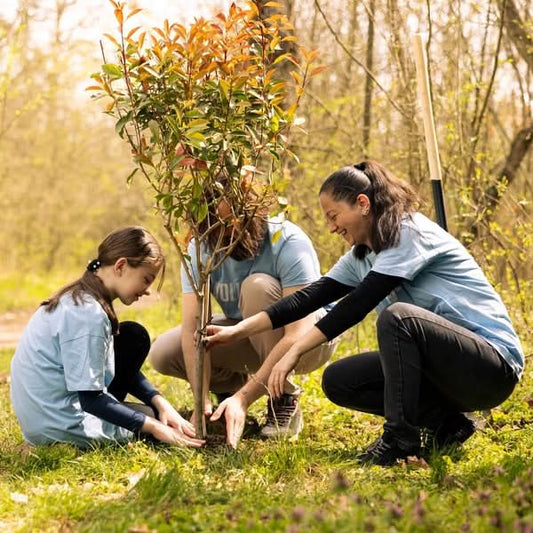
Trending Tree Plantations - Most Popular Environmental Programs
-
Trees for Mother
Regular price ₹ 299Regular priceUnit price per -
Trees to Honor the Memory of your Loved Ones
Regular price ₹ 299Regular priceUnit price per -
Trees for Women's Day (8th Mar)
Regular price ₹ 299Regular priceUnit price per -
Trees for Wedding Anniversary Celebration
Regular price ₹ 299Regular priceUnit price per -
Trees for Grandmother
Regular price ₹ 299Regular priceUnit price per




Most Popular Tree Plantations - Top Choices for Environmental Impact
-
Trees for Mother
Regular price ₹ 299Regular priceUnit price per -
Trees to Honor the Memory of your Loved Ones
Regular price ₹ 299Regular priceUnit price per -
Trees for Wedding Anniversary Celebration
Regular price ₹ 299Regular priceUnit price per -
Trees for Grandmother
Regular price ₹ 299Regular priceUnit price per -
Trees for Grandfather
Regular price ₹ 299Regular priceUnit price per

- Choosing a selection results in a full page refresh.
- Opens in a new window.
