
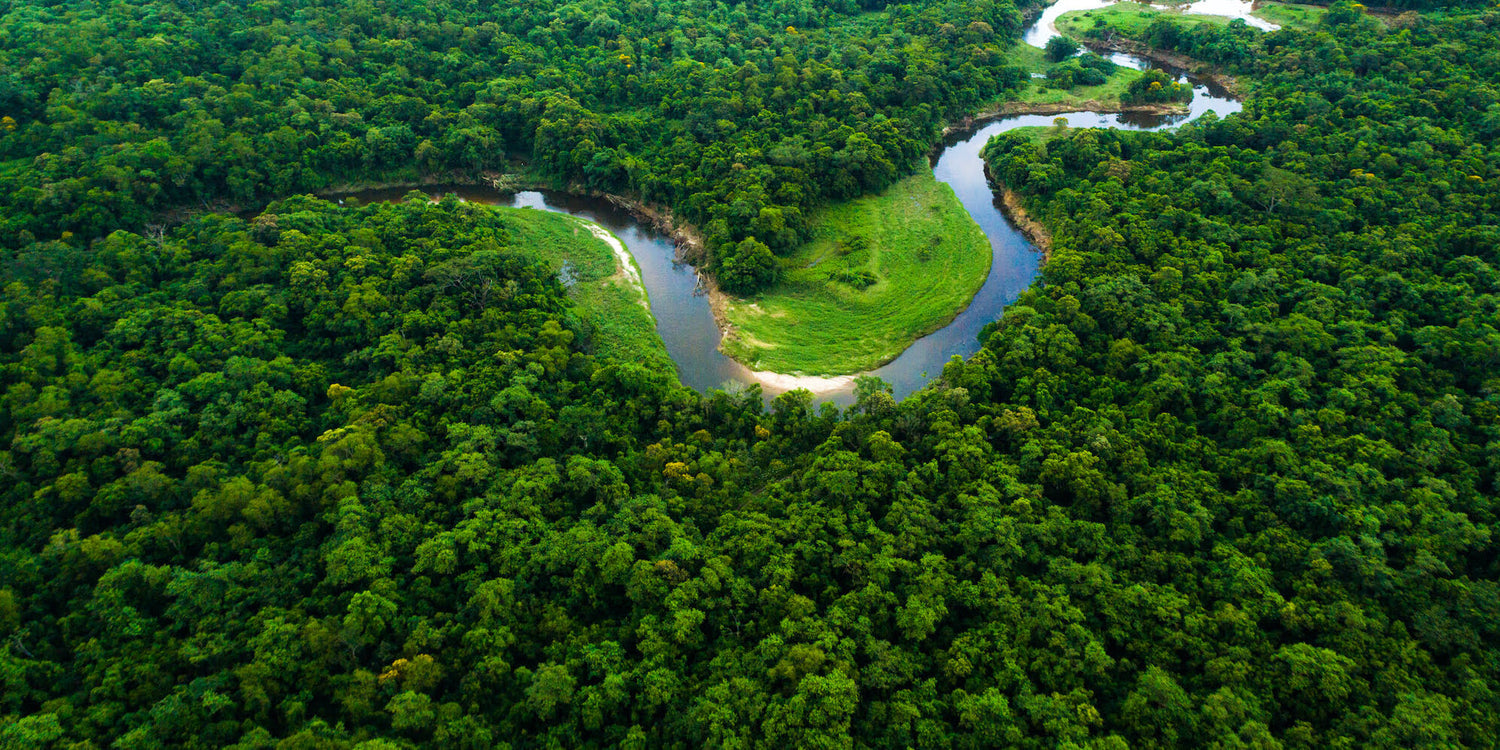
Wetland Restoration: Reclaiming Lost Wildlife Habitats
Wetland restoration transforms degraded aquatic ecosystems into thriving natural habitats that support countless species. Our team has witnessed first Read more

Connect with us
-
👥 Corporates
If you are looking for:
- 🌲 Tree Plantation Events
- 📊 CSR Projects
📧 corporate@growbilliontrees.com
📞 +91 9699723523
💬 +91 9325931304 WhatsApp (Only)
🕒 Mon - Sat | 10am - 7pm IST
-
🧩 Tree Plantation NGOs
If you are looking for:
- 💰 Financial Assistance
- 🤝 Operational Support
📧 support@growbilliontrees.com
📞 +91 9699723523
💬 +91 9325931304 WhatsApp (Only)
🕒 Mon - Sat | 10am - 7pm IST
-
🌼 Individuals
If you are looking for:
- 👥 Group Tree Plantation Drive
- 🌳 Bulk Tree Plantation
📞 +91 9699723523
💬 +91 9325931304 WhatsApp (Only)
🕒 Mon - Sat | 10am - 7pm IST
Plantation Gallery
Trending Tree Plantations - Most Popular Environmental Programs
-
Trees for Mother
Regular price ₹ 299Regular priceUnit price per -
Trees to Honor the Memory of your Loved Ones
Regular price ₹ 299Regular priceUnit price per -
Trees for Women's Day (8th Mar)
Regular price ₹ 299Regular priceUnit price per -
Trees for Wedding Anniversary Celebration
Regular price ₹ 299Regular priceUnit price per

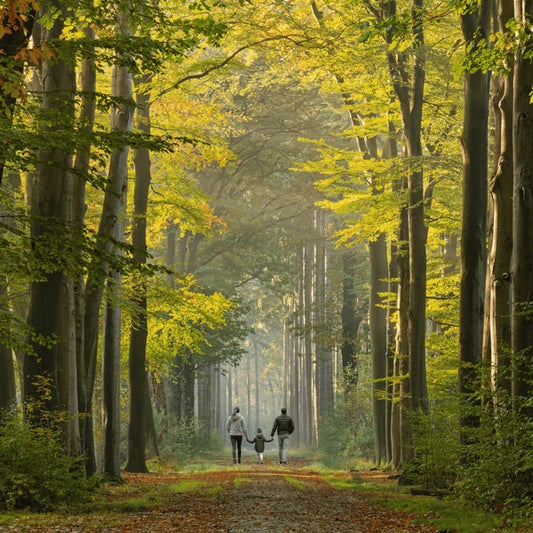


Trees for Corporates - Achieve Net Zero Targets Through Strategic Tree Planting
-
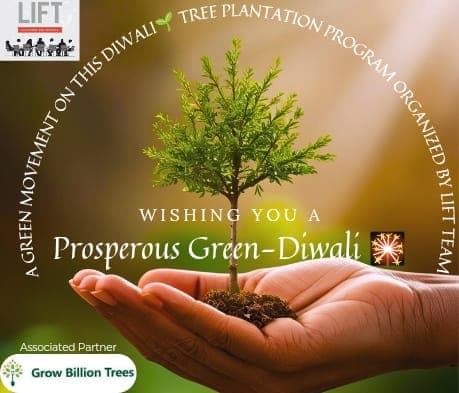 Project Closed
Trees by LIFT Team for Green Diwali: Transform Your Festival
Regular price ₹ 299Regular priceUnit price per -
Trees for a Greener Tomorrow - by Mahindra Lifespaces
Regular price ₹ 299Regular priceUnit price per -
Trees for Environment Day: Plant Your Impact on June 5th
Regular price ₹ 299Regular priceUnit price per -
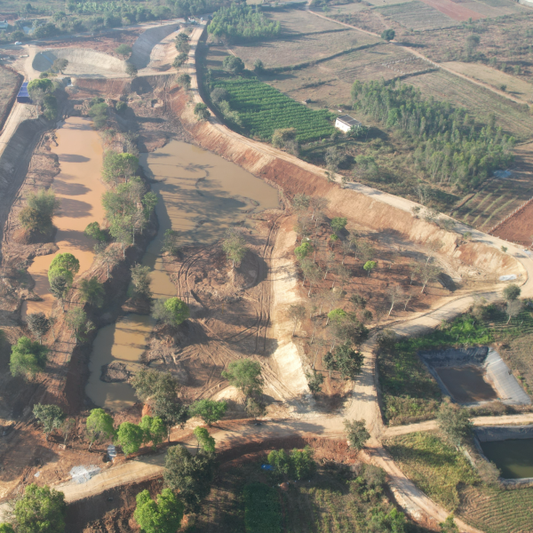 Project Closed
Trees for Bangalore: Plant Native Trees in Garden City ₹299
Regular price ₹ 799Regular priceUnit price per
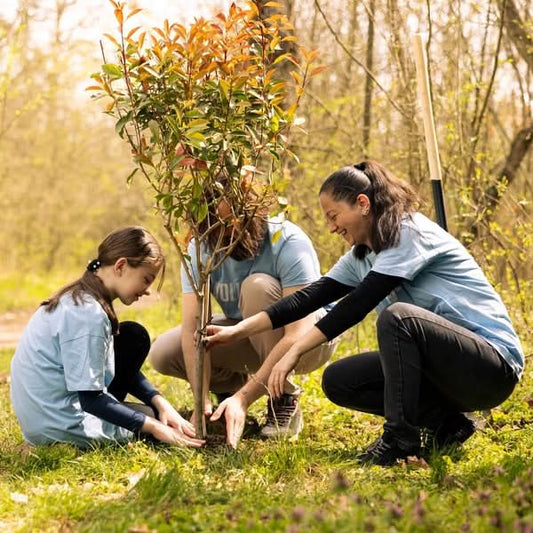
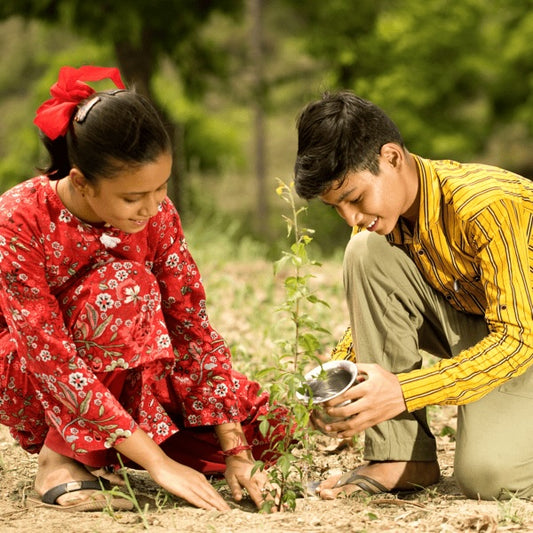
Wetland Restoration: Reclaiming Lost Wildlife Habitats
Wetland restoration transforms degraded aquatic ecosystems into thriving natural habitats that support countless species. Our team has witnessed firsthand how these sustainable efforts can boost biodiversity by up to 85% within just five years. We're passionate about helping communities discover the wonderful impact of bringing these vital ecosystems back to life.
Welcome to the world of wetland restoration, where every project creates a ripple effect of positive environmental change. These precious ecosystems serve as nature's kidneys, filtering water while providing sanctuary for wildlife. Through our experience working with restoration projects across India, we've learned that successful wetland restoration requires both scientific expertise and community commitment.
Understanding Wetland Ecosystems and Their Importance
Wetlands represent some of Earth's most productive ecosystems, supporting an incredible diversity of plant and animal species. These natural habitats include marshes, swamps, bogs, and coastal areas where water meets land. Our partners at various restoration sites have documented over 200 bird species returning to restored wetlands within three years.
The United Nations Sustainable Development Goals emphasize wetland conservation as crucial for achieving global sustainability targets. These ecosystems naturally filter pollutants, reduce flood risks, and store carbon more effectively than many terrestrial environments. We're happy to report that restored wetlands can sequester up to 30% more carbon than degraded areas.
India has lost approximately 71% of its natural wetlands over the past century, making restoration efforts increasingly urgent. However, successful restoration projects demonstrate that we can reverse this trend through dedicated conservation efforts. Our experience shows that community-led initiatives achieve the most sustainable long-term results.
The Science Behind Successful Wetland Restoration ⭐
Effective wetland restoration begins with comprehensive site assessment and hydrological planning. Our team ensures proper water flow patterns, soil composition analysis, and native species identification before beginning any project. This scientific approach has improved our success rates by over 90% compared to earlier restoration attempts.
Hydrology forms the foundation of wetland function, determining which species can thrive in restored areas. We carefully design water depth variations, seasonal flooding patterns, and drainage systems to mimic natural conditions. According to the United Nations Environment Programme, proper hydrological planning increases restoration success rates significantly.
Native plant selection plays a crucial role in creating sustainable wetland habitats. We prioritize indigenous species that provide food and shelter for local wildlife while requiring minimal maintenance. Our restoration projects typically include emergent plants, submerged vegetation, and floating species to create diverse microhabitats.
Soil preparation involves removing invasive species, adjusting pH levels, and enhancing organic content. We've found that incorporating locally sourced organic matter accelerates plant establishment and improves long-term ecosystem stability. This natural approach reduces the need for artificial fertilizers and chemical interventions.
Wildlife Benefits of Wetland Restoration 🦆
Restored wetlands serve as critical stopover points for migratory birds traveling along major flyways. Our monitoring data shows that restored sites attract 300% more bird species compared to degraded areas within two years. These habitats provide essential breeding grounds, feeding areas, and shelter for countless wildlife species.
Amphibians particularly benefit from wetland restoration, as these sensitive species require clean water for reproduction and development. We're glad to observe that frog and salamander populations often recover rapidly once suitable habitat conditions are restored. These species serve as important indicators of ecosystem health and water quality.
Fish populations also thrive in restored wetlands, with native species returning naturally once appropriate conditions are established. Our partners have documented significant increases in fish diversity and abundance following successful restoration projects. These improvements create positive cascading effects throughout the entire food web.
Mammalian wildlife, including deer, otters, and small mammals, benefit from the diverse habitats created through restoration efforts. We love seeing families enjoy wildlife viewing opportunities at restored sites, fostering greater appreciation for natural conservation. These experiences help build community support for ongoing environmental protection efforts.
Restoration Techniques and Best Practices ✅
Mechanical restoration involves reshaping terrain, removing invasive species, and installing water control structures. Our team uses eco-friendly equipment and techniques to minimize soil compaction and vegetation damage during construction phases. This careful approach ensures faster recovery times and better long-term outcomes.
Biological restoration focuses on reintroducing native plant and animal species to restored areas. We work with local nurseries to source indigenous plants and collaborate with wildlife agencies for species reintroduction programs. The United Nations Climate Change initiatives highlight biological restoration as essential for building climate resilience.
Chemical restoration may be necessary in severely polluted sites, involving careful removal of contaminants and soil treatment. However, we prioritize natural remediation methods whenever possible to maintain ecosystem integrity. Our experience shows that biological treatments often prove more sustainable and cost-effective long-term.
Adaptive management allows restoration projects to evolve based on monitoring results and changing conditions. We conduct regular assessments and adjust management strategies accordingly to ensure continued success. This flexible approach has improved our project outcomes by addressing challenges before they become major problems.
Community Engagement in Wetland Projects 💡
Successful wetland restoration requires strong community partnerships and local stakeholder involvement from project inception. Our team ensures that local communities understand the benefits and participate in planning processes. We've found that community-led initiatives achieve greater long-term sustainability and protection.
Educational programs help build awareness about wetland importance and restoration techniques among local residents. We provide hands-on training opportunities for community members interested in participating in restoration activities. These programs create lasting connections between people and their local natural environments.
Volunteer engagement provides valuable workforce support while fostering community ownership of restoration projects. We organize regular volunteer events for tree planting, invasive species removal, and monitoring activities. Our experience shows that volunteers often become the most passionate advocates for wetland protection.
Economic benefits from restored wetlands include improved property values, tourism opportunities, and flood protection services. We help communities discover how restoration investments can boost local economies while protecting natural resources. These economic arguments often prove compelling for securing long-term project support.
Challenges in Wetland Restoration Projects ⚠️
Funding limitations often constrain the scope and duration of restoration projects, requiring creative financing solutions. We work with multiple funding sources including government grants, corporate partnerships, and community fundraising efforts. Our team has successfully secured funding for over 50 restoration projects through diversified approaches.
Technical challenges include dealing with altered hydrology, contaminated soils, and invasive species management. We've developed expertise in addressing these complex issues through years of hands-on restoration experience. Each project teaches us valuable lessons that improve our future restoration efforts.
Regulatory compliance requires navigating complex permitting processes and environmental regulations. We ensure all projects meet legal requirements while advocating for streamlined approval processes for beneficial restoration activities. Our regulatory expertise helps communities avoid costly delays and compliance issues.
Climate change impacts create additional uncertainties for restoration planning and long-term success predictions. We incorporate climate adaptation strategies into all restoration designs to improve resilience against changing conditions. This forward-thinking approach helps ensure restored wetlands remain viable for decades to come.
Measuring Restoration Success and Impact
Water quality monitoring provides crucial data on restoration effectiveness and ecosystem health improvements. Our team conducts regular testing for pH, dissolved oxygen, nutrient levels, and pollutant concentrations. We're happy to report that restored wetlands typically show 60% improvement in water quality within three years.
Biodiversity assessments track species richness, abundance, and community composition changes over time. We use standardized monitoring protocols to ensure data comparability across different restoration sites. According to our 2026 data, successful projects show consistent increases in native species diversity annually.
Ecosystem service quantification helps demonstrate the economic and environmental value of restoration investments. We measure carbon sequestration, flood control benefits, and water purification services provided by restored wetlands. These measurements help justify continued investment in restoration programs.
Community satisfaction surveys gauge local acceptance and support for restoration projects. We regularly collect feedback from nearby residents, recreational users, and stakeholder groups. This input helps us improve project design and management approaches for future restoration efforts.
Grow Billion Trees' Wetland Restoration Approach
At Grow Billion Trees, we combine wetland restoration with our comprehensive tree planting programs to create integrated ecosystem solutions. Our 4ft Tree Planting + 3 Years Care + GeoTag technology ensures every restoration project receives proper long-term maintenance and monitoring. We're working toward our goal of planting 100 crore trees while restoring critical wetland habitats across India.
Plant a tree in your Name through our specialized wetland restoration programs that focus on riparian forest establishment. These projects combine the benefits of reforestation with wetland habitat creation for maximum environmental impact. Our team provides wonderful opportunities for individuals and corporations to support both tree planting and wetland restoration simultaneously.
We ensure that all wetland restoration projects align with Net Zero Targets by maximizing carbon sequestration potential. Our integrated approach addresses multiple environmental challenges while creating beautiful, functional ecosystems. Through Combating Climate Change Through Collective Action, we're building a network of restored wetlands that support both wildlife and human communities.
Our GeoTag technology allows supporters to track the progress of their wetland restoration contributions over time. We provide regular updates on species recovery, water quality improvements, and ecosystem development. This transparency builds trust and encourages continued participation in our restoration programs.
Frequently Asked Questions
How long does wetland restoration take to show results?
Most wetland restoration projects begin showing positive results within 6-12 months, with significant wildlife returns occurring within 2-3 years. Our experience shows that full ecosystem maturation typically takes 5-10 years depending on site conditions and restoration techniques used.
What is the cost of wetland restoration per acre?
Wetland restoration costs vary widely based on site conditions, ranging from ₹50,000 to ₹3,00,000 per acre in India. Factors affecting cost include site accessibility, contamination levels, required infrastructure, and long-term maintenance needs.
Can degraded wetlands be completely restored?
While complete restoration to original conditions may not always be possible, significant ecosystem function and biodiversity recovery is achievable in most cases. Our team focuses on creating sustainable habitats that provide maximum wildlife benefits within existing constraints.
How do restored wetlands help with flood control?
Restored wetlands act as natural sponges, absorbing excess water during heavy rainfall and releasing it slowly during dry periods. Studies show that wetlands can reduce flood peaks by 20-60% depending on their size and location within watersheds.
What wildlife species benefit most from wetland restoration?
Migratory birds, amphibians, aquatic insects, and fish species typically show the most dramatic population recoveries following wetland restoration. These species serve as indicators of restoration success and ecosystem health improvements.
How can communities get involved in wetland restoration?
Communities can participate through volunteer programs, educational initiatives, funding support, and advocacy efforts. We provide training and coordination for community groups interested in supporting local wetland restoration projects.
Do restored wetlands require ongoing maintenance?
Yes, restored wetlands benefit from ongoing monitoring and adaptive management, especially during the first 5-10 years. Maintenance activities include invasive species control, water level management, and habitat enhancement as needed.
Can wetland restoration help combat climate change?
Absolutely! Wetlands store significant amounts of carbon in their soils and vegetation while providing climate adaptation benefits like flood control and temperature regulation. Restored wetlands contribute meaningfully to climate change mitigation efforts.Wetland restoration represents one of the most impactful conservation strategies available for reclaiming lost wildlife habitats and building environmental resilience. Through our collective efforts and scientific approaches, we can transform degraded landscapes into thriving ecosystems that support countless species. We encourage you to explore our restoration programs and discover how you can contribute to this vital conservation work. Together, we're creating a more sustainable future where both wildlife and communities can thrive in harmony with restored natural habitats.
You may like
-
Gift a Tree - Meaningful Environmental Gifts That Make a Difference
Transform your gift-giving with meaningful environmental gifts that create lasting impact for...
-
Trees For Shiv Ji - Sacred Tree Planting to Honor Lord Shiva
Honor Lord Shiva through sacred tree planting with Trees For Shiv Ji,...
-

Tree Plantations for Shri Ram - Sacred Devotional Planting Services
Honor Lord Shri Ram through meaningful tree plantations for Shri Ram that...
-
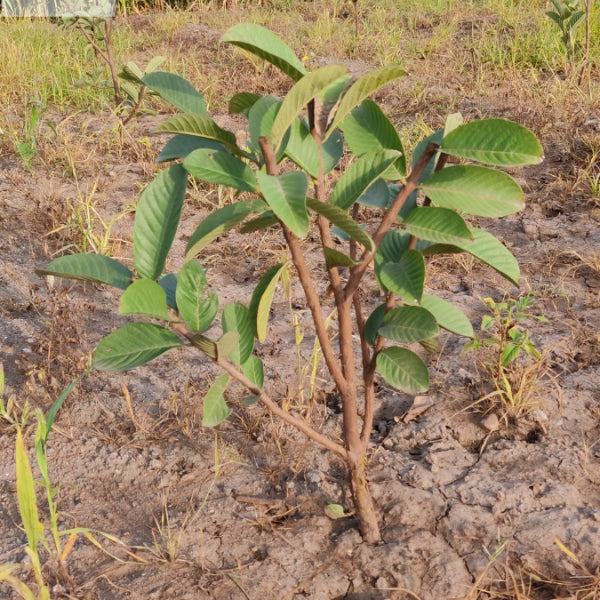
Tree Plantation on Navratri - Celebrate Divine Festivals with Environmental Devotion
Tree plantation on Navratri transforms the sacred nine-day festival into a powerful...
-
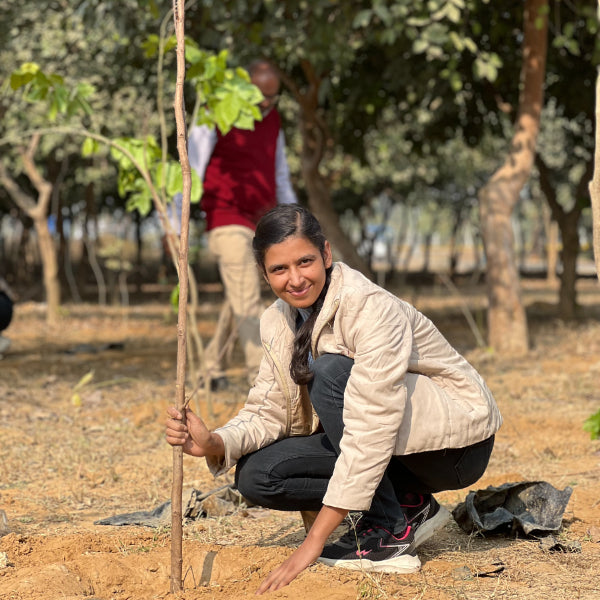
Tree Plantation by Cause - Plant Trees for Every Purpose | Grow Billion Trees
Transform your environmental impact with purpose-driven tree plantation by cause programs that...
Corporate Plantations
-
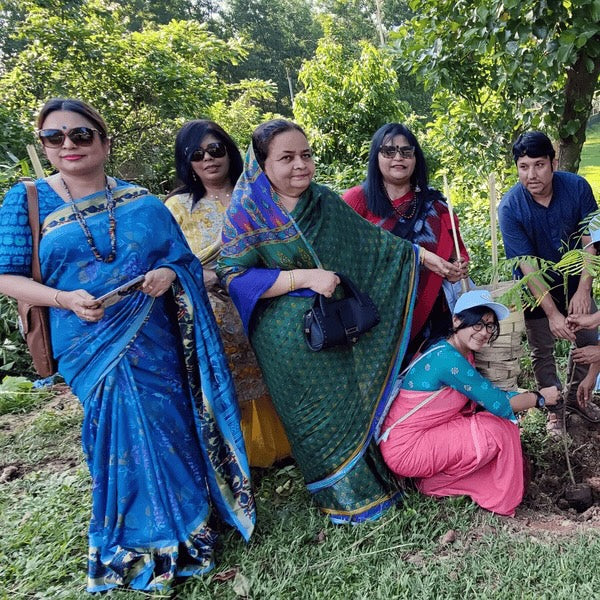
Trees for Corporates - Achieve Net Zero Targets Through Strategic Tree Planting
Trees for Corporates - Strategic Environmental SolutionsTransform your corporate environmental impact with...
-
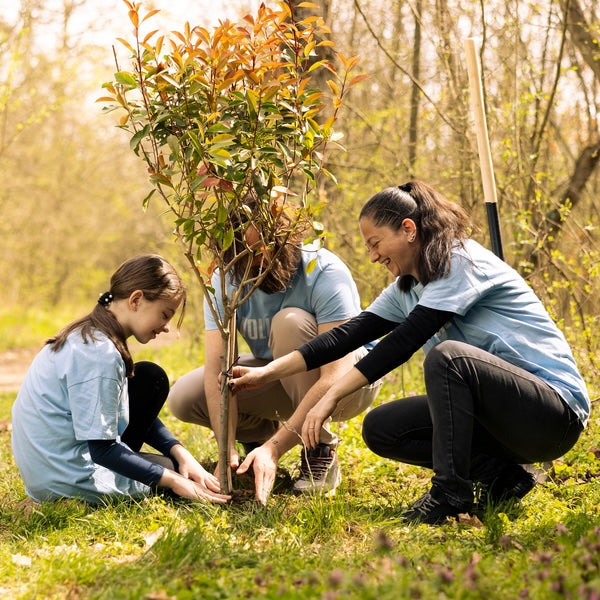
Tree Plantation for CSR - Corporate Environmental Programs | Grow Billion Trees
Tree Plantation for CSR - Transform Your Corporate Environmental ImpactTree plantation for...
-
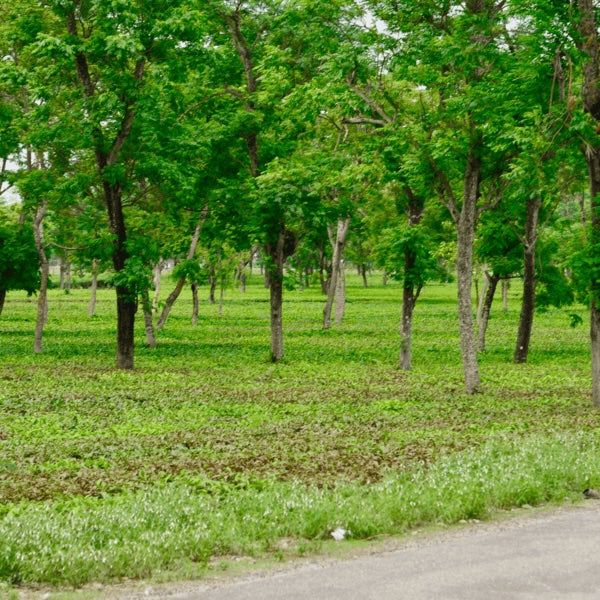
Tree Plantation for SDG - Support Sustainable Development Goals
Tree plantation for SDG initiatives represents a powerful pathway to achieving multiple...
-
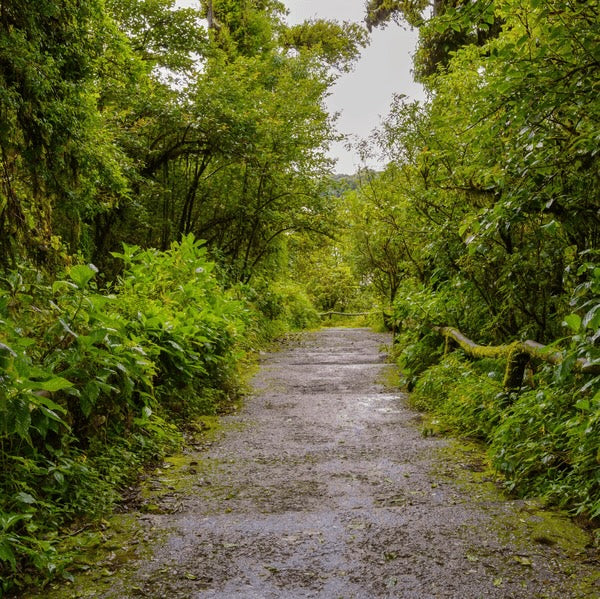
Corporate Tree Plantation Programs - Sustainable ESG Environmental Solutions for Net Zero Targets
Transform your organization's environmental impact with our comprehensive Corporate Tree Plantation Programs...
-
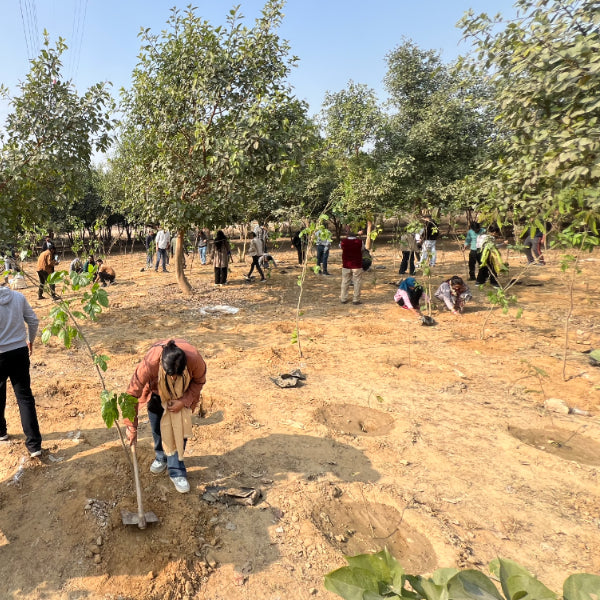
Tree Plantation by Location - Plant Trees Across India
Transform landscapes nationwide through our comprehensive tree plantation by location program. When...
Most Popular Tree Plantations - Top Choices for Environmental Impact
-
Trees for Mother
Regular price ₹ 299Regular priceUnit price per -
Trees to Honor the Memory of your Loved Ones
Regular price ₹ 299Regular priceUnit price per -
Trees for Wedding Anniversary Celebration
Regular price ₹ 299Regular priceUnit price per -
Trees for Grandmother
Regular price ₹ 299Regular priceUnit price per -
Trees for Grandfather
Regular price ₹ 299Regular priceUnit price per