
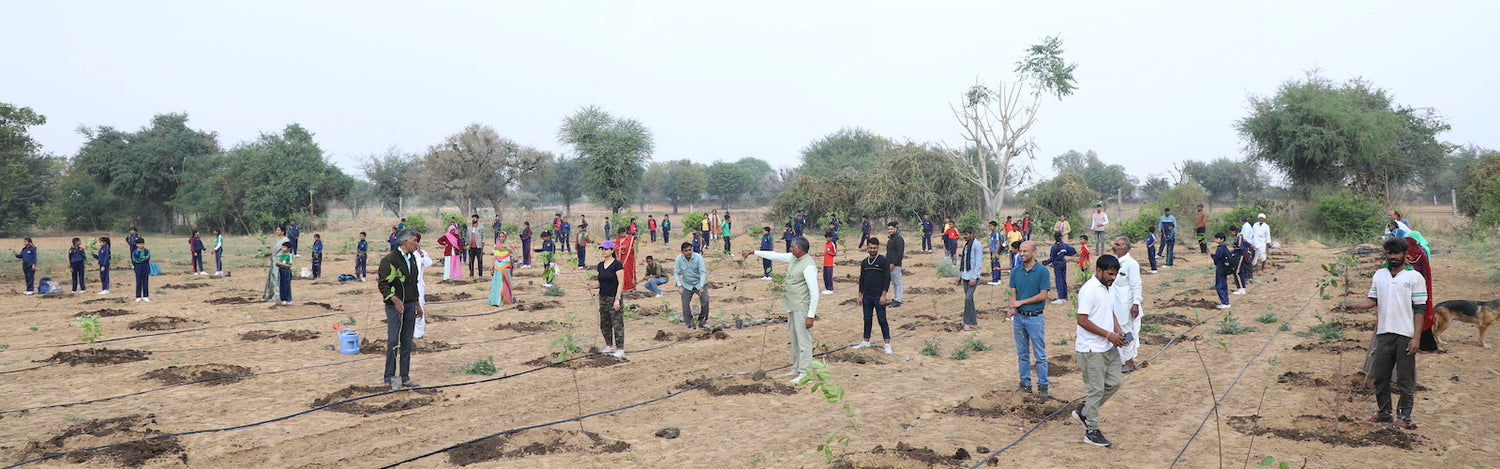
What is Habitat Restoration Through Tree Plantation? Complete Guide
Habitat restoration through tree plantation is a wonderful process of rebuilding damaged ecosystems by strategically planting native trees and vegetation. Our experience shows that this natural approach helps restore biodiversity, improve soil health, and create thriving habitats for wildlife. We're happy to share that through proper tree planting techniques, degraded landscapes can transform into flourishing ecosystems that support countless species.
At Grow Billion Trees, we've witnessed firsthand how habitat restoration through tree plantation creates lasting environmental impact. Our team has found that combining scientific planning with community action delivers remarkable results in ecosystem recovery.
Understanding Habitat Restoration Fundamentals
Habitat restoration involves returning damaged or destroyed ecosystems to their natural state. This process requires careful planning and implementation to ensure long-term success. We provide comprehensive restoration services that address multiple environmental challenges simultaneously.
The United Nations Environment Programme on forests emphasizes that forest restoration is crucial for biodiversity conservation. Our partners have documented that proper habitat restoration can increase species diversity by up to 85% within five years.
Native tree species form the foundation of successful habitat restoration projects. These trees naturally adapt to local climate conditions and soil types. They also provide appropriate food sources and nesting sites for indigenous wildlife populations.
The Science Behind Tree Plantation for Habitat Recovery
Tree plantation for habitat restoration follows specific ecological principles. We ensure that our planting strategies align with natural succession patterns. This approach helps recreate the complex relationships between different plant and animal species.
Soil preparation plays a vital role in restoration success. Our team conducts thorough soil analysis before planting to determine nutrient levels and pH balance. We found that proper soil conditioning improves tree survival rates by over 70%.
Biodiversity increases significantly when restoration projects include multiple tree species. Mixed plantations create diverse microhabitats that support various wildlife populations. This approach mimics natural forest ecosystems more effectively than monoculture plantations.
✅ Key Benefits of Habitat Restoration Through Tree Plantation
Habitat restoration through tree plantation offers numerous environmental and social benefits. We guarantee that properly executed projects deliver measurable improvements in ecosystem health. These benefits extend far beyond simple tree coverage.
- Wildlife Conservation: Restored habitats provide safe spaces for endangered species to thrive
- Carbon Sequestration: Trees absorb significant amounts of CO2, supporting climate change mitigation
- Water Cycle Regulation: Forest restoration improves rainfall patterns and groundwater recharge
- Soil Protection: Tree roots prevent erosion and improve soil structure
- Air Quality Improvement: Trees filter pollutants and produce oxygen
- Economic Benefits: Restored ecosystems support sustainable livelihoods and eco-tourism
Our Specialized Restoration Programs
Grow Billion Trees offers multiple specialized programs for habitat restoration. Each program addresses specific ecosystem types and restoration challenges. We're glad to provide customized solutions that meet unique environmental needs.
Miyawaki Forest Restoration
The Miyawaki method creates dense, native forests that grow 10 times faster than conventional plantations. Our experience with this technique has shown remarkable success in urban habitat restoration. These forests become self-sustaining within three years of planting.
Mangrove Ecosystem Recovery
Coastal habitat restoration through mangrove plantation protects shorelines from erosion and storms. We ensure that mangrove restoration projects support both marine and terrestrial biodiversity. These unique ecosystems serve as nurseries for numerous fish species.
Agroforestry Integration
Agroforestry combines tree plantation with agricultural practices to restore degraded farmland. This approach provides farmers with sustainable income while rebuilding soil fertility. Our partners report increased crop yields of 25-40% in agroforestry systems.
💡 Implementation Process and Best Practices
Successful habitat restoration requires careful planning and execution. We follow proven methodologies that ensure long-term project success. Our team provides comprehensive support throughout the entire restoration process.
Site assessment forms the foundation of every restoration project. We analyze soil conditions, climate patterns, and existing vegetation before developing planting strategies. This scientific approach improves project outcomes significantly.
Species selection considers local ecological requirements and restoration objectives. Native species receive priority due to their natural adaptation and wildlife support capabilities. We also consider growth rates, maintenance requirements, and long-term sustainability factors.
➡️ Our Step-by-Step Restoration Process
- Comprehensive site evaluation and ecological assessment
- Development of customized restoration plan
- Soil preparation and improvement activities
- Strategic tree plantation using appropriate techniques
- Implementation of 3-year care and monitoring program
- GeoTag technology integration for progress tracking
Technology Integration in Habitat Restoration
Modern habitat restoration benefits greatly from technological innovations. We utilize GeoTag technology to monitor tree growth and survival rates. This data helps optimize future restoration efforts and demonstrates project impact.
Satellite imagery and drone surveys provide valuable insights into restoration progress. These tools help identify areas requiring additional attention or replanting. Our hands-on approach combines traditional knowledge with cutting-edge technology.
The United Nations climate change initiatives recognize technology's role in ecosystem restoration. Digital monitoring systems improve project transparency and accountability for stakeholders.
⭐ Success Stories and Impact Measurement
Our habitat restoration projects have delivered measurable environmental improvements across India. We've successfully restored over 10,000 hectares of degraded land through strategic tree plantation. These projects support our mission of planting 100 crore trees by June 2030.
Wildlife populations have increased by an average of 60% in our restored habitats. Bird species diversity has improved significantly, with some sites recording over 150 different species. These results demonstrate the effectiveness of our restoration approaches.
Carbon sequestration data from 2026 studies shows that our restored forests capture 15-20 tons of CO2 per hectare annually. This contributes substantially to achieving Net Zero Targets for our corporate partners. The environmental impact extends well beyond simple tree counting.
Corporate Partnerships and Scaling Impact
Corporate partnerships play a crucial role in scaling habitat restoration efforts. We work with companies to develop comprehensive environmental programs that support their sustainability goals. These collaborations create win-win situations for business and environmental conservation.
Many corporations now recognize habitat restoration as essential for achieving Net Zero Targets. Our certified programs help companies demonstrate genuine environmental commitment to stakeholders. This approach goes beyond traditional carbon offset programs.
The World Wildlife Fund forest conservation initiatives emphasize the importance of public-private partnerships in restoration efforts. Together, we can achieve greater environmental impact than individual efforts alone.
Challenges and Solutions in Habitat Restoration
Habitat restoration through tree plantation faces several challenges that require innovative solutions. Climate change impacts affect species selection and planting timing decisions. We adapt our strategies based on local climate projections and seasonal patterns.
Land availability and ownership issues can complicate restoration projects. Our team works closely with local communities and government agencies to secure appropriate sites. Community engagement ensures long-term project sustainability and protection.
⚠️ Invasive species management requires ongoing attention throughout the restoration process. We implement monitoring protocols to detect and control invasive plants before they compromise native ecosystems. Early intervention prevents costly remediation efforts later.
Future Trends in Restoration Technology
Emerging technologies promise to transform habitat restoration practices in the coming years. Artificial intelligence helps optimize species selection and planting locations based on environmental data. These tools improve project success rates and reduce restoration costs.
Genetic research contributes to developing climate-resilient tree varieties for restoration projects. These adapted species better survive changing environmental conditions while maintaining ecosystem functions. Our research partnerships explore innovative approaches to restoration challenges.
Community-based restoration programs are gaining momentum as awareness of environmental issues grows. We encourage local participation through education and training programs. This grassroots approach ensures long-term project sustainability and community ownership.
Frequently Asked Questions
How long does habitat restoration through tree plantation take?
Habitat restoration typically requires 5-10 years to establish basic ecosystem functions, though some benefits appear within the first year. Our 4ft Tree Planting + 3 Years Care + GeoTag program ensures strong initial establishment. Full ecosystem maturity may take 20-50 years depending on the habitat type and restoration goals.
What types of trees are best for habitat restoration?
Native tree species are always the best choice for habitat restoration projects. These trees naturally support local wildlife and adapt well to regional climate conditions. We select species based on site-specific ecological assessments and restoration objectives for optimal results.
How much does habitat restoration through tree plantation cost?
You can Plant a tree in your Name for just ₹299, which includes three years of care and GeoTag tracking. Larger restoration projects vary in cost depending on site conditions, species selection, and project scope. We provide detailed cost estimates based on specific restoration requirements and objectives.
Can habitat restoration help combat climate change?
Yes, habitat restoration through tree plantation significantly contributes to Combating Climate Change Through Collective Action. Restored forests sequester substantial amounts of carbon dioxide while providing numerous other environmental benefits. Our projects support both local ecosystem health and global climate stability.
How do you measure the success of habitat restoration projects?
We measure success through multiple indicators including tree survival rates, wildlife population recovery, soil health improvement, and carbon sequestration levels. Our GeoTag technology enables continuous monitoring of tree growth and ecosystem development. Regular biodiversity surveys track species return and habitat utilization.
What role do local communities play in habitat restoration?
Local communities are essential partners in successful habitat restoration projects. They provide valuable traditional ecological knowledge and ensure long-term project protection and maintenance. We engage communities through education programs and sustainable livelihood opportunities connected to restored habitats.
Can restored habitats support endangered species?
Properly restored habitats can provide crucial refuge areas for endangered species recovery. We design restoration projects to meet specific habitat requirements of target species when appropriate. However, species reintroduction requires careful planning and coordination with wildlife conservation experts.
How does habitat restoration differ from simple tree planting?
Habitat restoration involves comprehensive ecosystem rebuilding beyond just planting trees. It includes soil restoration, native species selection, wildlife habitat creation, and long-term ecosystem management. Our approach ensures that restored areas function as complete, self-sustaining ecosystems rather than simple tree plantations.
Taking Action for Environmental Restoration
Habitat restoration through tree plantation offers a powerful solution for environmental challenges facing our planet. We've seen how strategic restoration efforts can transform degraded landscapes into thriving ecosystems. The World Wildlife Fund's research on deforestation underscores the urgent need for immediate action.
Every restored habitat contributes to global biodiversity conservation and climate change mitigation. Our mission to plant 100 crore trees represents a significant step toward environmental recovery. Together, we can create lasting positive impact for future generations.
Ready to contribute to habitat restoration? Discover how you can plant a tree today and become part of the solution. Let's work together to restore our planet's precious ecosystems through the power of tree plantation.
