
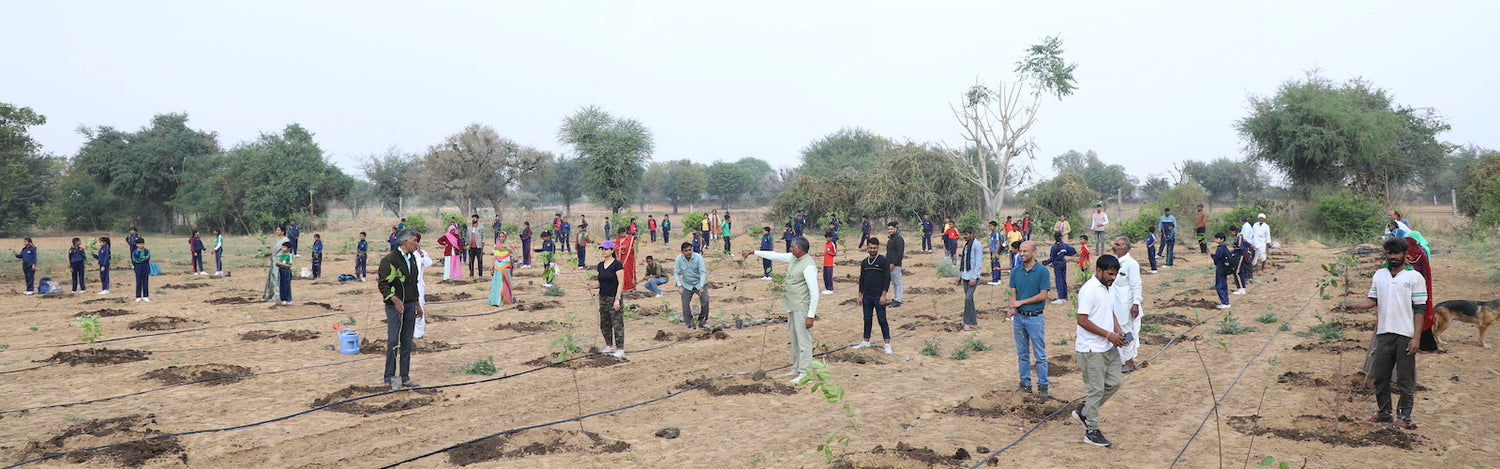
What is the difference between afforestation and reforestation?
Afforestation refers to the process of planting trees in areas that have not been previously forested, while reforestation involves replanting trees in areas that have been deforested or degraded. Both practices are essential for enhancing biodiversity and combating climate change.
Understanding the distinction is crucial for effective environmental strategies. Afforestation can create new forests, whereas reforestation focuses on restoring existing ecosystems, making both approaches vital for sustainable land management.
🌍 Why this matters for corporates & government bodies
- Enhances corporate sustainability initiatives.
- Supports national and global climate goals.
- Improves community relations and public image.
- Contributes to biodiversity and ecosystem restoration.
🔍 What to check before selecting an NGO or partner
- Track record in tree planting and management.
- Alignment with your sustainability goals.
- Transparency in operations and reporting.
- Expertise in local ecological conditions.
- Community engagement and support strategies.
- Partnerships with local governments and organizations.
- Capacity for long-term maintenance of planted areas.
- Use of native species in planting efforts.
- Monitoring and evaluation processes in place.
- Clear communication and reporting protocols.
🛠️ Recommended approach (step-by-step)
- Define your sustainability objectives.
- Research potential NGO partners.
- Evaluate their project proposals and methodologies.
- Conduct site visits to assess past projects.
- Engage stakeholders for input and support.
- Finalize partnership agreements with clear terms.
- Implement the project with ongoing monitoring.
📦 Deliverables you should ask for
- Detailed project plan and timeline.
- Species selection and planting strategy.
- Community engagement plan.
- Monitoring and evaluation framework.
- Regular progress reports.
- Post-planting maintenance plan.
- Carbon offset calculations.
- Visual documentation of the project.
- Stakeholder feedback mechanisms.
- Final impact assessment report.
⚠️ Risks & how to reduce them
- Inadequate species selection can lead to project failure.
- Insufficient community involvement may hinder success.
- Climate variability can affect tree survival rates.
- Lack of maintenance can result in high mortality rates.
- Regulatory changes may impact project viability.
- Monitoring challenges can obscure project outcomes.
FAQ
What is the difference between afforestation and reforestation?
Afforestation is like planting a new garden in a barren backyard, while reforestation is more like giving your old garden a makeover. Both are tree-planting superheroes, but they tackle different missions: one creates new forests, and the other revives the old ones.
Why is afforestation important?
Afforestation is crucial because it transforms lifeless land into vibrant ecosystems. Think of it as nature’s way of throwing a party for biodiversity! It helps combat climate change, improves air quality, and provides habitats for wildlife. Plus, who doesn’t love a good tree hug
What are the benefits of reforestation?
Reforestation is like a spa day for Mother Nature. It restores ecosystems, enhances biodiversity, and sequesters carbon dioxide, helping to cool our planet. It also prevents soil erosion and improves water quality. So, when you reforest, you’re not just planting trees; you’re giving the Earth a much-needed hug!
Can afforestation and reforestation combat climate change?
Absolutely! Both practices are like nature’s secret weapons against climate change. They absorb carbon dioxide, helping to reduce greenhouse gases in the atmosphere. By planting trees, we’re not just beautifying the planet; we’re also fighting for a cooler, greener future. Talk about a win-win!
How do afforestation and reforestation affect biodiversity?
Afforestation and reforestation are like inviting new friends to a party. They create habitats for various species, boosting biodiversity. While afforestation introduces new ecosystems, reforestation revives existing ones. Both practices help maintain the delicate balance of nature, ensuring that our planet remains a lively and diverse place to live.
What types of trees are best for afforestation?
The best trees for afforestation are like the all-stars of the tree world. Native species are usually the MVPs, as they thrive in local conditions and support local wildlife. Fast-growing trees can also be great for quick coverage. Just remember, the right tree in the right place makes all the difference!
What types of trees are best for reforestation?
When it comes to reforestation, think of it as a family reunion for trees. Native species are the best choice, as they’re already adapted to the local environment and support local fauna. Mixing in some fast-growing varieties can help speed up the recovery process. It’s all about creating a diverse family tree!
How long does it take for afforestation to show results?
Afforestation is like waiting for a cake to bake; it takes time! Depending on the species and conditions, you might see results in a few years, but full ecosystem recovery can take decades. Patience is key, but once those trees start growing, it’s a sight to behold!
How long does it take for reforestation to show results?
Reforestation can be a bit quicker on the uptake, often showing results within a few years. However, just like a fine wine, it gets better with age. Full ecosystem recovery can take decades, but the benefits start rolling in sooner. So, keep your eyes peeled for those green shoots!
Can afforestation and reforestation be done in urban areas?
Absolutely! Afforestation and reforestation can turn concrete jungles into green oases. Urban areas can benefit from tree planting, improving air quality and providing shade. It’s like giving the city a breath of fresh air. So, let’s get those trees growing amidst the skyscrapers!
What role do communities play in afforestation and reforestation?
Communities are the heart and soul of afforestation and reforestation efforts. They bring local knowledge, enthusiasm, and a sense of ownership to the table. When communities get involved, tree planting becomes a collective celebration, ensuring that the trees thrive and the environment flourishes. Together, we can grow a greener future!
