
What is the Relationship Between Forests and Rainfall?
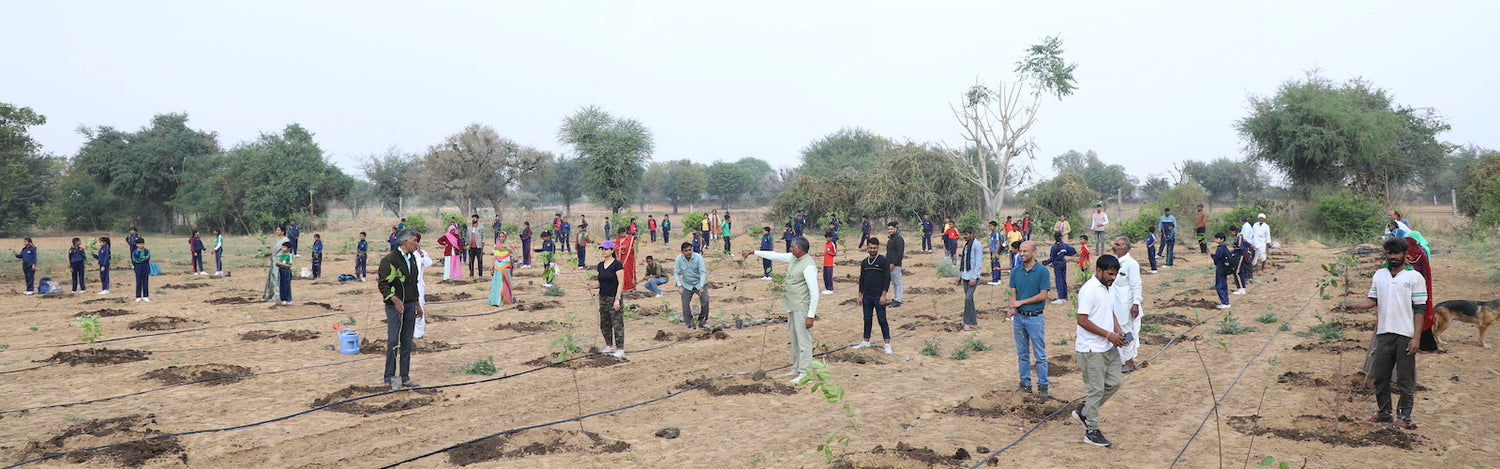
Forests and rainfall share a profound, interconnected relationship that forms the backbone of our planet's water cycle. Trees act as natural water pumps, drawing moisture from the soil and releasing it into the atmosphere through transpiration. This process creates the conditions necessary for cloud formation and precipitation. Our team at Grow Billion Trees has witnessed firsthand how reforestation efforts can transform local weather patterns and restore natural rainfall cycles.
The Science Behind Forest-Rainfall Connection ✅
The relationship between forests and rainfall operates through several interconnected mechanisms. Trees absorb water through their root systems and release moisture vapor through their leaves. This transpiration process contributes significantly to atmospheric humidity levels.
When water evaporates from forest canopies, it rises and condenses into clouds. These clouds eventually produce rainfall that returns moisture to the ecosystem. According to the United Nations Environment Programme on forests, approximately 40% of rainfall over land originates from forest transpiration.
Forest cover also influences local temperature patterns. Trees provide shade and cooling effects that create microclimates conducive to precipitation. The temperature differential between forested and non-forested areas generates air currents that facilitate cloud formation.
Our experience in implementing Miyawaki forest projects across India demonstrates how even small forest patches can create measurable changes in local humidity and temperature patterns. We ensure each 4ft Tree Planting + 3 Years Care + GeoTag program contributes to these vital atmospheric processes.
How Deforestation Disrupts Rainfall Patterns ⚠️
Deforestation severely disrupts the natural relationship between forests and rainfall. When trees are removed, the land loses its capacity to recycle water effectively. The World Wildlife Fund reports on deforestation shows that forest loss can reduce regional rainfall by up to 30%.
Without forest cover, soil becomes more prone to erosion and water runoff. This reduces groundwater recharge and decreases the moisture available for transpiration. The result is a downward spiral where less rainfall leads to further forest degradation.
Areas that have experienced significant deforestation often face prolonged droughts and irregular precipitation patterns. Our partners in agroforestry programs have observed how farmers struggle with unpredictable rainfall after nearby forests disappear.
Climate change amplifies these effects, creating feedback loops that make recovery more challenging. However, we've found that strategic reforestation can help restore these natural cycles within 5-7 years of implementation.
Regional Examples of Forest-Rainfall Relationships 🌍
The Amazon rainforest provides the most dramatic example of forest-rainfall interdependence. This massive ecosystem generates approximately half of its own rainfall through transpiration. Trees in the Amazon release about 20 billion tons of water into the atmosphere daily.
In India, the Western Ghats demonstrate how forest cover influences monsoon patterns. These mountain forests capture moisture from ocean winds and create orographic rainfall. Our team has worked extensively in this region, planting native species that enhance local precipitation patterns.
The Congo Basin represents another critical forest-rainfall system. Research shows that forests in this region contribute to rainfall patterns across West Africa. When we Plant a tree in your Name through our international programs, we consider these broader atmospheric connections.
Scandinavian countries showcase successful forest management that maintains healthy rainfall cycles. Their sustainable forestry practices ensure continuous forest cover while supporting local communities and weather patterns.
The Role of Trees in Water Cycle Management 💧
Trees function as sophisticated water management systems that regulate the relationship between forests and rainfall. Each mature tree can transpire 100-400 liters of water daily, depending on species and environmental conditions.
Root systems create underground networks that enhance water infiltration and storage. These networks prevent surface runoff and maintain steady groundwater levels. Our agroforestry initiatives demonstrate how strategic tree placement can improve water retention across agricultural landscapes.
Forest canopies intercept rainfall, allowing gradual water release that reduces flood risks. This interception also minimizes soil erosion and maintains watershed integrity. We've observed significant improvements in water quality downstream from our reforestation sites.
Different tree species contribute varying amounts to the water cycle. Native species typically provide the most effective water recycling for their specific regions. That's why our 100 crore trees initiative prioritizes indigenous varieties that naturally enhance local rainfall patterns.
Climate Change Impact on Forest-Rainfall Dynamics ⭐
Climate change is altering traditional relationships between forests and rainfall worldwide. Rising temperatures increase evaporation rates while changing precipitation patterns. The United Nations climate change reports indicate that many forest regions now experience more extreme weather events.
Shifting rainfall patterns stress forest ecosystems and reduce their capacity to maintain local water cycles. Some regions receive too much precipitation in short periods, while others face extended droughts. These changes challenge traditional forest management approaches.
However, well-planned reforestation can help communities adapt to these changing conditions. Our experience shows that diverse forest plantings create more resilient ecosystems capable of weathering climate variations. Combating Climate Change Through Collective Action requires understanding these complex forest-rainfall relationships.
The urgency of addressing climate change makes forest restoration even more critical. Every tree planted contributes to stabilizing local weather patterns and supporting global atmospheric balance.
Benefits of Healthy Forest-Rainfall Relationships 🌱
Maintaining strong connections between forests and rainfall provides numerous environmental and economic benefits. Stable precipitation patterns support agricultural productivity and food security. Farmers in our agroforestry programs report more reliable crop yields after nearby forest restoration.
Consistent rainfall reduces the risk of both droughts and floods. Forest-mediated precipitation tends to be more evenly distributed throughout the year. This stability benefits entire watersheds and the communities that depend on them.
Healthy forest-rainfall cycles support biodiversity by maintaining the water resources that wildlife needs to thrive. Our urban forest projects create green corridors that provide habitat while enhancing local precipitation patterns.
Economic benefits include reduced infrastructure damage from extreme weather events. Communities with adequate forest cover experience fewer costly floods and drought-related problems. This makes forest restoration a wise investment for long-term economic stability.
Restoration Strategies for Forest-Rainfall Systems 🌳
Effective restoration of forest-rainfall relationships requires strategic planning and implementation. Site selection must consider local topography, soil conditions, and existing water sources. Our team conducts thorough assessments before beginning any planting project.
Species selection plays a crucial role in restoration success. Native trees typically establish the most effective transpiration patterns for local conditions. We prioritize indigenous varieties that have evolved to optimize water cycling in specific regions.
Planting density and spatial arrangement influence how effectively forests can generate rainfall. Mixed-species plantings often create more stable microclimates than monocultures. Our Miyawaki method demonstrates how dense, diverse plantings can rapidly establish forest-rainfall connections.
Long-term maintenance ensures that restored forests can fulfill their role in water cycling. Our 3-year care program includes monitoring transpiration rates and adjusting management practices as needed. This comprehensive approach maximizes the rainfall benefits of each restoration project.
Technology and Monitoring Forest-Rainfall Connections 📊
Modern technology enables precise monitoring of relationships between forests and rainfall. Satellite imagery tracks changes in forest cover and correlates them with precipitation patterns. Our GeoTag system allows supporters to monitor their individual trees' contributions to local water cycles.
Weather stations in forested areas provide real-time data on humidity, temperature, and rainfall. This information helps researchers understand how specific forest types influence local climate conditions. We use this data to optimize our planting strategies for maximum atmospheric impact.
Soil moisture sensors reveal how effectively forests retain and cycle water. These measurements guide irrigation decisions during the establishment phase of restoration projects. Our partners use this technology to ensure optimal growing conditions for newly planted trees.
Remote sensing technology can detect transpiration rates across large forest areas. This capability helps identify which forest management practices most effectively support rainfall generation. Such insights inform policy decisions and conservation strategies worldwide.
Community Involvement in Forest-Rainfall Conservation 👥
Local communities play essential roles in maintaining healthy forest-rainfall relationships. Traditional knowledge often contains valuable insights about local water cycles and forest management. We actively engage with community leaders to incorporate this wisdom into our restoration projects.
Education programs help residents understand how their actions affect forest-rainfall connections. When people recognize these relationships, they become more motivated to protect and restore local forests. Our sustainability education initiatives reach thousands of individuals annually.
Community-based monitoring programs enable residents to track changes in local precipitation patterns. This participatory approach builds ownership and ensures long-term project success. We train community members to collect data and report on forest health indicators.
Economic incentives align community interests with forest conservation goals. Our programs provide employment opportunities in tree planting, maintenance, and monitoring activities. This approach ensures that local people benefit directly from forest-rainfall conservation efforts.
Corporate Responsibility and Net Zero Targets 🏢
Corporations increasingly recognize the importance of forest-rainfall relationships in achieving their environmental goals. Many companies now include forest restoration in their strategies for reaching Net Zero Targets. These initiatives acknowledge that healthy forests are essential for climate stability.
Corporate partnerships enable large-scale restoration projects that can significantly impact regional rainfall patterns. Our corporate programs allow businesses to contribute meaningfully to forest-rainfall conservation while meeting their sustainability objectives.
Employee engagement initiatives connect workers with forest restoration efforts. When employees Plant a tree in your Name for special occasions, they develop personal connections to environmental conservation. This engagement strengthens corporate culture around sustainability values.
Supply chain considerations increasingly include forest-rainfall impacts. Companies evaluate how their operations affect local water cycles and implement measures to minimize negative effects. Progressive businesses invest in restoration projects that offset their environmental footprint.
Frequently Asked Questions
How much rainfall do forests generate?
Forests can generate 25-75% of their own rainfall through transpiration, depending on forest type, climate conditions, and regional factors. Large forest systems like the Amazon produce approximately 50% of their precipitation internally.
Can small forests affect local rainfall?
Yes, even small forest patches can influence local humidity and precipitation patterns. Our experience with urban forests shows measurable microclimatic effects within 2-3 years of establishment, particularly in areas with minimal existing tree cover.
How long does it take for reforestation to impact rainfall?
Initial effects on local humidity can occur within 1-2 years as young trees establish. Significant impacts on rainfall patterns typically develop over 5-10 years as forests mature and transpiration rates increase substantially.
Which tree species are best for rainfall generation?
Native species adapted to local conditions typically provide the most effective transpiration for their regions. Fast-growing species like certain ficus varieties can establish transpiration quickly, while deep-rooted trees provide long-term water cycling stability.
How does forest size affect rainfall patterns?
Larger forests create more substantial atmospheric effects and can influence weather patterns across broader regions. However, strategic placement of smaller forests can create important microclimates and contribute to larger watershed functions.
Can urban forests help with city rainfall?
Urban forests significantly improve local humidity and can moderate temperature extremes that affect precipitation patterns. They also enhance stormwater management and reduce the urban heat island effect that can disrupt natural rainfall cycles.
What happens to rainfall when forests are cut down?
Deforestation typically reduces local rainfall by 10-30% within several years. The loss of transpiration decreases atmospheric moisture, while increased surface temperatures can disrupt cloud formation patterns.
How do mangrove forests affect coastal rainfall?
Mangrove forests play crucial roles in coastal water cycles by transpiring salt water and creating humid microclimates. They help moderate coastal weather patterns and can influence monsoon development in tropical regions.
Can reforestation help combat drought?
Strategic reforestation can help mitigate drought conditions by restoring local water cycles and improving soil moisture retention. However, success depends on appropriate species selection and consideration of regional climate patterns.
How do forests compare to other vegetation in rainfall generation?
Forests generally provide the highest transpiration rates among terrestrial vegetation types. Their multi-layered canopies, extensive root systems, and large biomass make them uniquely effective at cycling water and influencing precipitation patterns.Understanding the relationship between forests and rainfall reveals the critical importance of forest conservation and restoration. Through initiatives like planting 100 crore trees, we can restore these vital connections and create more stable, sustainable water cycles. Every tree planted contributes to this magnificent natural system that sustains life on Earth. Discover how you can contribute to forest-rainfall restoration and help build a greener, more water-secure future for all.
