
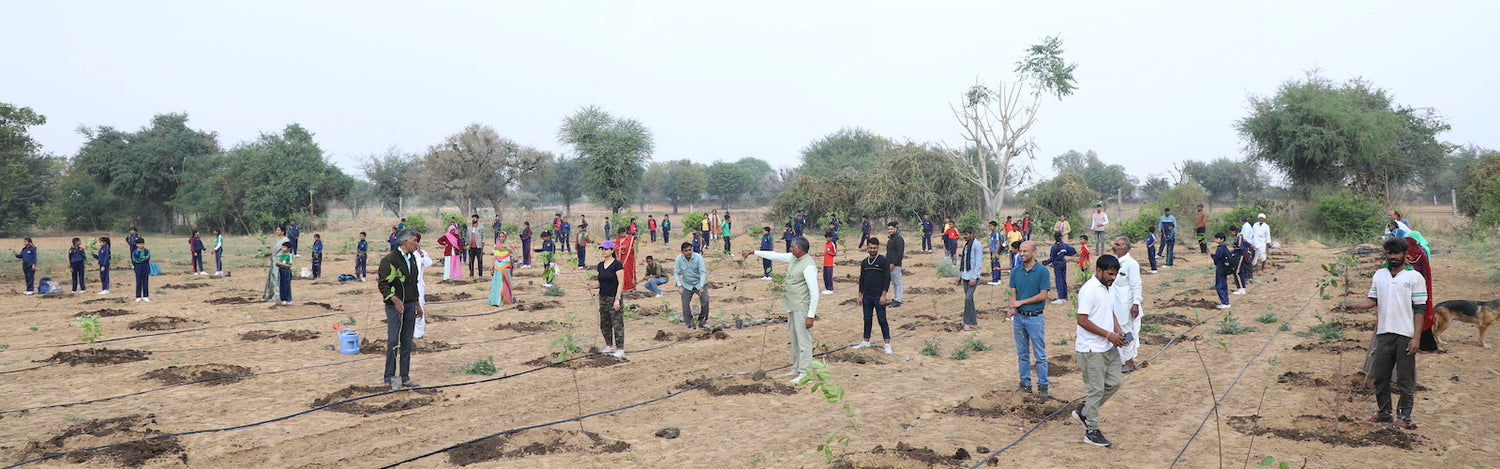
What is Tree Plantation and Why is it Important for Climate Change?
Tree plantation is the deliberate act of planting trees in designated areas to restore forest cover, combat climate change, and enhance environmental sustainability. This powerful practice involves nurturing seedlings into mature trees that absorb carbon dioxide, produce oxygen, and create thriving ecosystems. Our experience at Grow Billion Trees shows that each planted tree becomes a natural climate warrior, making tree plantation one of the most effective solutions for addressing global warming.
Welcome to a journey of understanding how tree plantation transforms our planet. Trees are nature's most efficient carbon capture technology, absorbing approximately 48 pounds of CO2 annually per mature tree. Therefore, strategic tree planting initiatives can significantly reduce atmospheric carbon levels while creating sustainable green spaces for future generations.
Understanding Tree Plantation: Nature's Climate Solution
Tree plantation encompasses various scientific approaches to forest restoration and environmental conservation. Our team has discovered that successful tree planting involves selecting appropriate species, preparing soil conditions, and ensuring long-term care for optimal growth. Moreover, modern plantation methods include advanced techniques like Miyawaki forests, agroforestry systems, and urban forestry programs.
The process begins with site assessment and species selection based on local climate conditions. We ensure each planted tree receives proper nutrients, water, and protection during its critical establishment period. Furthermore, sustainable plantation practices consider biodiversity, soil health, and ecosystem balance to create resilient forest communities.
Effective tree plantation requires understanding local environmental factors and community needs. For example, mangrove plantations protect coastal areas from erosion while urban forests improve air quality in cities. Our experience demonstrates that diverse plantation approaches yield the greatest environmental benefits.
Climate Change Impact: How Trees Combat Global Warming
Trees serve as powerful allies in our fight against climate change through multiple mechanisms. Carbon sequestration represents their primary climate benefit, with forests storing approximately 2.6 billion tons of CO2 annually worldwide. However, trees also provide cooling effects through evapotranspiration, reducing local temperatures by up to 5°C in urban areas.
According to the United Nations Climate Change initiative, forests absorb about one-third of CO2 emissions from fossil fuel burning each year. This natural process helps stabilize atmospheric greenhouse gas concentrations while supporting biodiversity conservation efforts globally.
Our hands-on experience reveals that strategic tree plantation can offset significant carbon footprints. A single mature tree absorbs roughly 22 kilograms of CO2 per year, making reforestation projects essential for achieving Net Zero Targets. Therefore, large-scale plantation initiatives like our goal to plant 100 crore trees become crucial climate action strategies.
Trees also influence weather patterns by releasing water vapor and creating localized cooling effects. This process helps regulate temperature extremes and supports natural precipitation cycles, contributing to climate stability across regions.
Environmental Benefits Beyond Carbon Capture
Tree plantation delivers numerous environmental advantages that extend far beyond carbon sequestration. Forests prevent soil erosion, protect watersheds, and maintain groundwater levels through their extensive root systems. We found that established tree plantations reduce soil loss by up to 90% compared to bare land.
Biodiversity conservation represents another critical benefit of tree plantation efforts. Mature forests provide habitat for countless species, supporting complex ecological networks that maintain environmental balance. Our partners have documented increased wildlife populations in areas with successful reforestation programs.
Air quality improvement occurs naturally through tree plantation as leaves filter pollutants and particulate matter from the atmosphere. Urban tree planting can reduce air pollution levels by 15-20%, creating healthier living environments for millions of people. Additionally, trees produce oxygen while absorbing harmful gases like nitrogen dioxide and sulfur dioxide.
Water cycle regulation benefits from strategic tree plantation as forests influence precipitation patterns and groundwater recharge. Trees help maintain consistent water availability while preventing floods and droughts through natural water management systems.
Economic and Social Advantages of Tree Plantation
Tree plantation creates substantial economic opportunities while addressing climate challenges effectively. Agroforestry programs provide farmers with additional income sources through timber, fruit, and non-timber forest products. Our experience shows that integrated farming systems with trees can boost agricultural productivity by 25-30%.
Employment generation occurs naturally through tree plantation initiatives, creating jobs in nursery management, planting operations, and forest maintenance activities. The United Nations Environment Programme forests initiative estimates that sustainable forest management could create 12 million new jobs globally by 2030.
Property values increase significantly in areas with established tree cover and green spaces. Real estate studies indicate that homes near mature trees command 15-20% higher prices than properties without tree coverage. Therefore, community tree planting programs enhance local economic development while improving environmental conditions.
Healthcare cost reductions result from improved air quality and reduced heat stress in tree-covered areas. Medical research demonstrates that urban forests can decrease respiratory illness rates and heat-related health problems, saving communities millions in healthcare expenses annually.
Modern Tree Plantation Techniques and Technologies
Contemporary tree plantation employs innovative methods that maximize survival rates and environmental impact. Miyawaki forest technique creates dense, biodiverse forests in small spaces using native species combinations. We provide comprehensive plantation services that incorporate these advanced methodologies for optimal results.
GeoTag technology enables precise monitoring and tracking of individual planted trees throughout their growth cycle. Our 4ft Tree Planting + 3 Years Care + GeoTag program ensures accountability and transparency in reforestation efforts. This technological integration allows supporters to monitor their tree's progress and environmental contribution.
Drone technology assists in large-scale plantation projects by identifying suitable planting sites and monitoring forest health over time. Automated seeding systems can plant thousands of trees efficiently while reducing labor costs and improving success rates.
Soil preparation techniques have evolved to include mycorrhizal inoculation and organic amendments that enhance tree establishment and growth. Our team utilizes these scientific approaches to guarantee healthy tree development and long-term survival in various environmental conditions.
Global Tree Plantation Initiatives and Success Stories
International tree plantation movements demonstrate the collective power of reforestation efforts worldwide. Countries like Ethiopia planted 350 million trees in a single day during 2019, showcasing the potential for massive environmental restoration projects. These initiatives prove that coordinated tree planting can achieve remarkable climate impact.
The World Wildlife Fund forests initiative supports numerous successful plantation projects that have restored millions of hectares of degraded land. These programs combine scientific expertise with community engagement to create sustainable forest ecosystems.
Corporate reforestation partnerships have gained momentum as businesses pursue Net Zero Targets through verified tree planting programs. Our corporate partners have contributed to planting thousands of trees while achieving their sustainability goals and enhancing brand reputation.
Community-based plantation projects empower local populations to participate in environmental restoration while generating income opportunities. These grassroots initiatives create lasting environmental and social benefits that strengthen climate resilience at the local level.
Challenges and Solutions in Tree Plantation
Tree plantation faces several challenges that require innovative solutions and sustained commitment. Seedling mortality rates can reach 30-40% without proper care and monitoring systems. We guarantee 3 years of comprehensive care for each planted tree to overcome this critical challenge.
Land availability constraints limit large-scale plantation opportunities, particularly in densely populated areas. However, creative approaches like vertical forests, rooftop gardens, and urban tree integration can maximize green space utilization in limited areas.
Climate variability affects tree survival and growth rates across different regions and seasons. Adaptive management strategies that consider local climate patterns and select resilient species help ensure plantation success despite environmental uncertainties.
Funding limitations often restrict the scale and duration of tree plantation projects. Innovative financing mechanisms, including carbon credit programs and corporate sponsorships, provide sustainable funding sources for long-term reforestation initiatives.
How to Get Involved in Tree Plantation
Individual participation in tree plantation begins with understanding local environmental needs and available planting opportunities. Plant a tree in your Name for just ₹299 through our comprehensive program that includes professional planting, ongoing care, and digital tracking capabilities.
Corporate engagement offers businesses meaningful ways to contribute to climate action while achieving sustainability objectives. Our corporate programs help organizations plant thousands of trees as part of their environmental responsibility initiatives and Net Zero Targets.
Community organizing amplifies tree plantation impact through coordinated group efforts and shared resources. Local environmental groups can partner with professional organizations to establish neighborhood forests and green corridors that benefit entire communities.
Educational initiatives spread awareness about tree plantation importance and proper techniques among diverse audiences. Schools, universities, and community centers can integrate tree planting education into their programs to inspire future environmental stewards.
Frequently Asked Questions
What is tree plantation and how does it work?
Tree plantation is the systematic process of planting trees in specific areas to restore forest cover and combat climate change. It involves selecting appropriate species, preparing soil conditions, planting seedlings, and providing ongoing care until trees become established and self-sustaining.
Why is tree plantation important for climate change?
Tree plantation is crucial for climate change because trees absorb carbon dioxide from the atmosphere and store it as biomass. A mature tree can absorb 48 pounds of CO2 annually while producing oxygen and providing cooling effects that help regulate local temperatures.
How many trees need to be planted to make a difference?
According to the United Nations Sustainable Development Goals, planting 1 billion trees could absorb 10 million tons of CO2 annually. Our goal to plant 100 crore trees in India represents a significant contribution to global climate action efforts.
What types of trees are best for climate change mitigation?
Fast-growing native species that adapt well to local conditions provide the best climate benefits. Examples include oak, maple, and pine trees in temperate regions, while tropical areas benefit from species like neem, banyan, and mangrove trees that offer rapid carbon sequestration.
How long does it take for planted trees to start absorbing CO2?
Young trees begin absorbing CO2 immediately after planting, but their impact increases significantly as they mature. Trees typically reach peak carbon absorption rates between 10-20 years of age, making long-term care and protection essential for maximum climate benefits.
Can tree plantation really solve climate change?
While tree plantation alone cannot solve climate change, it represents one of the most cost-effective and scalable solutions available. Combined with emission reductions and other environmental actions, large-scale reforestation can contribute significantly to achieving global climate targets.
What is the survival rate of planted trees?
Tree survival rates vary depending on species selection, planting techniques, and post-planting care. Professional programs with proper monitoring and maintenance typically achieve 70-90% survival rates, while our comprehensive care program ensures optimal tree establishment and growth.
How can I track the impact of my planted tree?
Modern tree plantation programs use GeoTag technology to provide precise location tracking and growth monitoring for individual trees. Our 4ft Tree Planting + 3 Years Care + GeoTag service allows you to monitor your tree's development and environmental contribution over time.
Taking Action: Your Role in Combating Climate Change Through Collective Action
Tree plantation represents one of the most accessible and impactful ways individuals can contribute to climate change mitigation. Every tree planted becomes part of a growing network of natural climate solutions that benefit current and future generations. Our mission to plant 100 crore trees demonstrates the power of collective environmental action.
The urgency of climate change demands immediate action from all sectors of society. We provide easy opportunities for everyone to participate in meaningful environmental restoration through our comprehensive tree planting programs. Moreover, technology integration ensures transparency and accountability in every plantation project.
Together, we can transform degraded landscapes into thriving forests that support biodiversity, improve air quality, and sequester carbon for decades to come. Discover how you can plant a tree today and join our mission to create a greener, more sustainable future for all.
