
What Role Do Trees Play in Soil Conservation? Essential Guide
Trees serve as nature's most powerful guardians against soil erosion, preventing billions of tons of precious topsoil from washing away each year. Our experience working with farmers across India has shown us firsthand how strategic tree planting can transform degraded landscapes into thriving ecosystems. Trees anchor soil with their extensive root systems, reduce water runoff by up to 80%, and create microclimates that nurture soil health for generations.
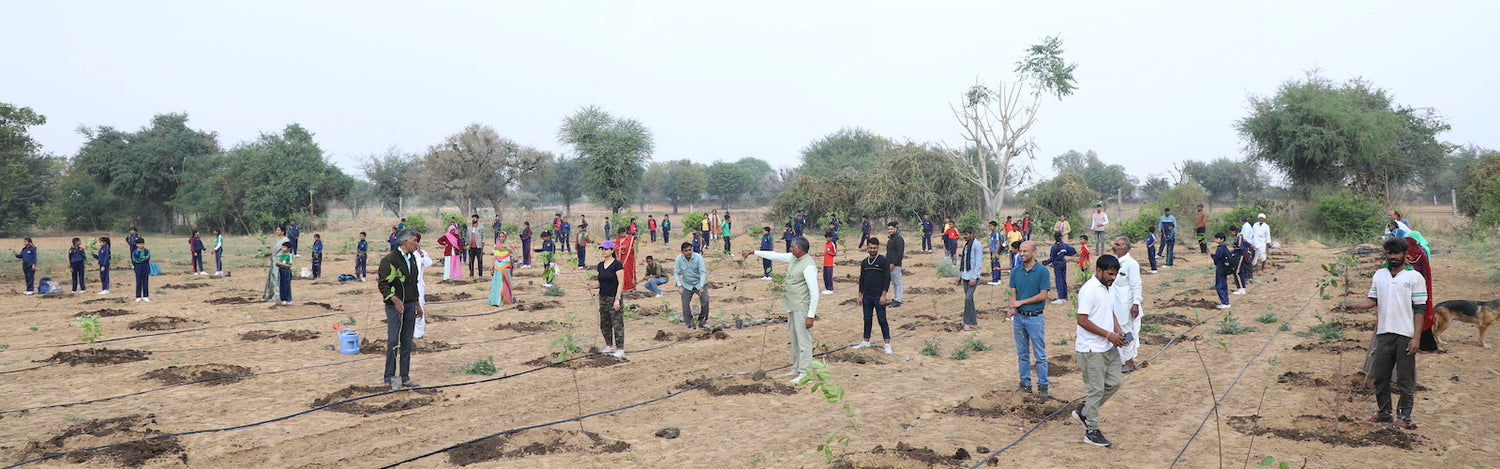
At Grow Billion Trees, we've witnessed remarkable transformations where barren fields become productive agricultural land through our agroforestry programs. The impact goes beyond just holding soil in place – trees actively improve soil quality, enhance water retention, and create sustainable farming systems that benefit both farmers and the planet.
How Tree Roots Prevent Soil Erosion ✅
Tree roots create an intricate underground network that acts like nature's own reinforcement system. The primary root system penetrates deep into the earth, sometimes reaching depths of 20-30 feet, while secondary roots spread horizontally to create a web-like structure. This natural architecture physically binds soil particles together, preventing them from being carried away by wind or water.
Our team has observed that trees with fibrous root systems, such as those used in our Miyawaki forest projects, are particularly effective at soil stabilization. These roots create countless tiny channels that improve soil structure and allow water to penetrate gradually rather than rushing across the surface. The United Nations Environment Programme reports that forested areas experience 75% less soil erosion compared to bare agricultural land.
Different tree species offer varying levels of soil protection. Fast-growing native species in our plantation programs develop extensive root networks within just 2-3 years. We ensure that every tree planted through our 4ft Tree Planting + 3 Years Care + GeoTag program includes species specifically chosen for their soil conservation properties.
Trees as Natural Water Management Systems 💡
Trees function as sophisticated water management systems that regulate the flow of rainfall and groundwater. Their canopies intercept raindrops, reducing the impact force that can dislodge soil particles. This process, called interception, can capture up to 30% of rainfall before it reaches the ground, allowing for gentle, controlled water distribution.
The leaf litter and organic matter that trees continuously deposit create a protective mulch layer. This natural carpet absorbs water like a sponge, reducing surface runoff by up to 60% in well-forested areas. Our partners in various agroforestry projects have reported significant improvements in water retention after implementing tree-based farming systems.
Tree transpiration also plays a crucial role in the water cycle. A mature tree can transpire 100-400 gallons of water daily, creating local humidity that supports soil moisture retention. This process helps maintain optimal soil conditions even during dry periods, which is particularly important for India's diverse climate zones.
Soil Fertility Enhancement Through Trees ⭐
Trees actively improve soil fertility through multiple biological and chemical processes. Fallen leaves, branches, and root decay contribute organic matter that feeds beneficial soil microorganisms. This decomposition process releases essential nutrients like nitrogen, phosphorus, and potassium back into the soil, creating a natural fertilization system.
Certain tree species, particularly leguminous trees used in our agroforestry programs, form symbiotic relationships with nitrogen-fixing bacteria. These partnerships can add 50-300 pounds of nitrogen per acre annually, equivalent to significant amounts of synthetic fertilizer. We've documented cases where farmers reduced their fertilizer costs by 40% after establishing agroforestry systems.
The mycorrhizal networks that develop around tree roots create beneficial partnerships with crop plants. These fungal connections extend the effective root zone of agricultural crops, improving their access to nutrients and water. According to the World Wildlife Fund's forest initiatives, this natural partnership can increase crop yields by 15-25% while maintaining soil health.
Climate Regulation and Soil Protection
Trees create favorable microclimates that protect soil from extreme weather conditions. Their canopies provide shade that reduces soil temperature fluctuations, preventing the expansion and contraction cycles that can crack and destabilize soil structure. This temperature regulation is particularly important in India's diverse climate zones, from the hot plains to the cooler hill regions.
Wind protection is another crucial service trees provide for soil conservation. Strategically planted windbreaks can reduce wind speed by 50% for distances up to 20 times the height of the trees. Our urban forestry projects in cities like Mumbai, Bangalore, and Delhi have demonstrated how trees can create protective barriers against both wind erosion and urban heat islands.
The carbon sequestration process also benefits soil health. As trees absorb CO2 from the atmosphere, they convert it into organic compounds that eventually enrich the soil. A single mature tree can sequester 48 pounds of CO2 annually while contributing to long-term soil carbon storage.
Agroforestry: Combining Agriculture with Conservation 🌱
Agroforestry represents the perfect marriage between agricultural productivity and soil conservation. This sustainable practice integrates trees with crops and livestock, creating systems that are more resilient and productive than conventional farming. Our agroforestry programs across India have shown that farmers can increase their income while dramatically improving soil health.
The three-tier system commonly used in agroforestry – canopy trees, understory shrubs, and ground crops – maximizes soil protection at every level. Each layer contributes different types of organic matter and root structures, creating comprehensive soil conservation. Farmers participating in our programs report 30-50% improvements in soil water retention within three years of implementation.
Alley cropping, where crops are grown between rows of trees, has proven particularly effective for soil conservation. The tree rows act as natural barriers that slow water flow and trap sediments. We've documented cases where alley cropping reduced soil loss by 85% compared to conventional farming practices on similar slopes.
Urban Soil Conservation Through Tree Planting
Urban environments face unique soil conservation challenges, from construction-related erosion to contaminated soils. Trees play a vital role in stabilizing urban soils and preventing degradation in city environments. Our urban forestry initiatives in major Indian cities demonstrate how strategic tree placement can address these challenges effectively.
Street trees and park plantings help manage stormwater runoff, which is a major cause of urban soil erosion. A mature urban tree can intercept over 1,000 gallons of rainwater annually, reducing the burden on drainage systems and preventing soil washout. This natural infrastructure is particularly valuable in rapidly growing cities where traditional drainage systems are often overwhelmed.
Contaminated urban soils benefit from phytoremediation, where trees absorb and neutralize pollutants. Certain tree species can extract heavy metals and other contaminants from soil, gradually improving soil quality over time. The United Nations Sustainable Development Goals emphasize the importance of such nature-based solutions for urban sustainability.
Mangrove Forests: Coastal Soil Protection Specialists
Mangrove forests represent one of nature's most effective coastal soil conservation systems. These remarkable trees thrive in saltwater environments and provide crucial protection against coastal erosion and storm surge. Our mangrove restoration projects along India's coastline have demonstrated their exceptional ability to build and stabilize soil in challenging conditions.
Mangrove root systems trap sediments carried by tides and rivers, gradually building up coastal soils over time. A healthy mangrove forest can accumulate 2-5 millimeters of soil annually, creating natural barriers against sea-level rise. This soil-building capacity makes mangroves essential for protecting coastal communities and agricultural lands.
The prop roots and pneumatophores of mangroves create complex structures that dissipate wave energy and reduce coastal erosion. During the 2004 tsunami, areas protected by mangrove forests experienced significantly less damage and soil loss compared to unprotected coastlines. Our mangrove projects focus on species selection that maximizes both soil conservation and community benefits.
Economic Benefits of Tree-Based Soil Conservation
The economic value of trees for soil conservation extends far beyond environmental benefits. Soil loss costs Indian agriculture billions of rupees annually through reduced productivity and increased input requirements. Investing in tree-based conservation systems provides excellent returns through improved crop yields and reduced farming costs.
Our partners in agroforestry programs typically see return on investment within 3-5 years through improved soil fertility and reduced erosion losses. The additional income from tree products – fruits, nuts, timber, or fodder – provides farmers with diversified revenue streams that enhance financial stability. We've documented cases where farmers increased their annual income by 60% through well-designed agroforestry systems.
The cost of soil restoration after severe erosion can be 10-20 times higher than preventive tree planting. Our experience shows that investing ₹299 to Plant a tree in your Name through our programs can prevent thousands of rupees in future soil restoration costs. This preventive approach aligns perfectly with achieving Net Zero Targets while building sustainable agricultural systems.
Technology and Monitoring in Soil Conservation 📱
Modern technology enhances our understanding and management of tree-based soil conservation systems. Our GeoTag technology allows precise monitoring of individual trees and their impact on local soil conditions. This data helps us optimize planting strategies and demonstrate measurable conservation outcomes to our partners and supporters.
Satellite imagery and drone surveys provide valuable insights into large-scale soil conservation projects. We use these tools to track vegetation cover, identify erosion hotspots, and plan strategic tree placement for maximum soil protection. The 2026 data from our monitoring systems shows consistent improvements in soil stability across all our major plantation sites.
Soil sensors and weather stations at key locations provide real-time data on soil moisture, temperature, and erosion rates. This information helps us fine-tune our tree care protocols during the critical 3-year establishment period. Our commitment to scientific monitoring ensures that every tree contributes effectively to soil conservation goals.
Frequently Asked Questions
How quickly do trees start protecting soil after planting?
Trees begin providing soil protection within the first growing season through their developing root systems and leaf cover. However, maximum soil conservation benefits typically develop over 3-5 years as root systems mature and canopy coverage increases. Our 3-year care program ensures trees establish properly for long-term soil protection.
Which tree species are most effective for soil conservation in India?
Native species like neem, banyan, peepal, and various leguminous trees are excellent for soil conservation in different Indian climate zones. Fast-growing species used in Miyawaki forests provide quick soil stabilization, while deep-rooted trees offer long-term erosion control. We select species based on local soil conditions and conservation needs.
Can trees help restore severely eroded soils?
Yes, trees can gradually restore even severely degraded soils through organic matter addition, root penetration, and microclimate improvement. The restoration process typically takes 5-10 years, but improvements in soil stability begin within 2-3 years. Our restoration projects have successfully rehabilitated badly eroded agricultural and forest lands.
How do trees compare to other soil conservation methods?
Trees provide comprehensive, long-term soil conservation that combines multiple protective mechanisms – root binding, water management, organic matter addition, and microclimate regulation. While terracing and other engineering solutions offer immediate protection, trees provide sustainable, low-maintenance conservation that improves over time.
What is the cost-effectiveness of tree planting for soil conservation?
Tree planting offers excellent cost-effectiveness for soil conservation, with our ₹299 tree planting program providing decades of soil protection. The long-term benefits include reduced erosion, improved fertility, and additional income from tree products. Studies show tree-based conservation costs 60-80% less than engineering solutions over 20-year periods.
How many trees are needed per acre for effective soil conservation?
Effective soil conservation typically requires 100-400 trees per acre, depending on species selection, terrain, and conservation goals. Agroforestry systems might use 50-100 trees per acre to balance conservation with agricultural productivity. Our experts assess each site to determine optimal tree density for maximum soil protection benefits.
Can urban tree planting help with soil conservation in cities?
Urban tree planting significantly helps with soil conservation by reducing stormwater runoff, preventing erosion in parks and green spaces, and stabilizing slopes and embankments. Street trees and urban forests create natural infrastructure that protects soil while providing additional benefits like air purification and temperature regulation.
How do mangrove trees specifically help with coastal soil conservation?
Mangrove trees build and stabilize coastal soils through their unique root systems that trap sediments and dissipate wave energy. They create natural barriers against storm surge and sea-level rise while gradually building up coastal land through sediment accumulation. Our mangrove projects focus on species that maximize both soil building and coastal protection.
Taking Action for Soil Conservation Through Trees
The role of trees in soil conservation cannot be overstated – they represent our most effective natural solution for preventing soil loss and building sustainable landscapes. From the mountains of Himachal Pradesh to the coastal plains of Kerala, trees provide essential soil protection services that benefit millions of farmers and communities across India.
We invite you to join our mission of Combating Climate Change Through Collective Action by supporting tree-based soil conservation. Whether you choose to Plant a tree in your Name for a special occasion or support our large-scale restoration projects, every contribution helps build a more sustainable future. Our goal of planting 100 crore trees by 2030 represents a massive investment in India's soil health and agricultural sustainability.
Ready to make a difference? Explore our tree planting programs and discover how you can contribute to soil conservation while supporting rural communities and environmental restoration. Together, we can create a greener, more sustainable India where healthy soils support thriving ecosystems and productive agriculture for generations to come.
