
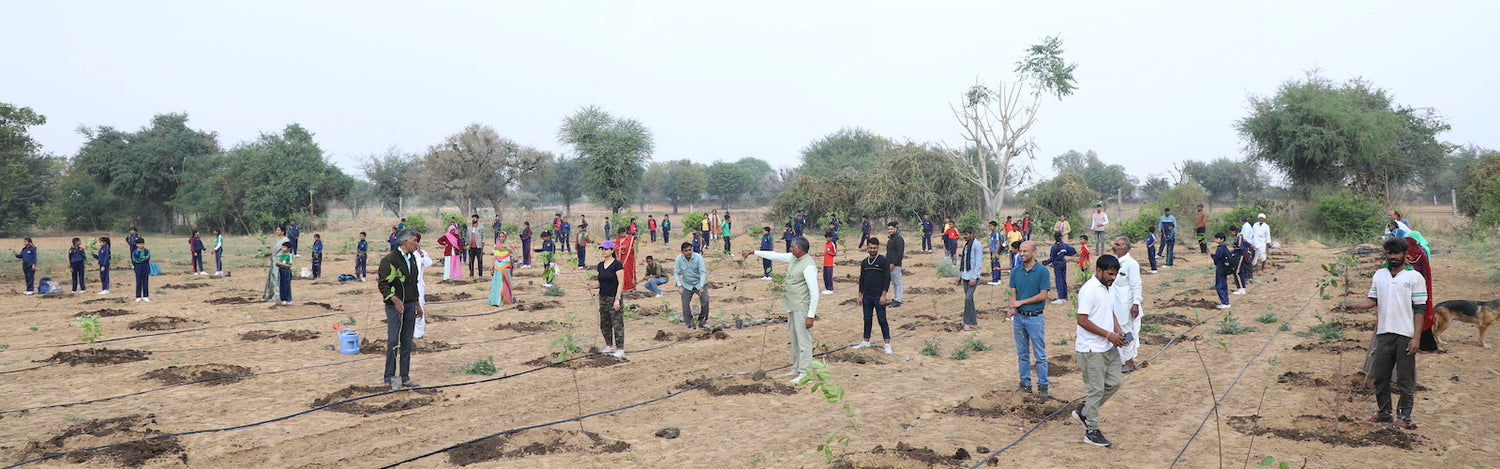
Which Tree Species Are Best for Plantation in India? ✅
India's diverse climate zones welcome a wonderful variety of native tree species that thrive naturally across different regions. From the mighty Banyan trees in tropical areas to hardy Neem trees in arid zones, choosing the right species ensures successful growth and maximum environmental impact. Our experience at Grow Billion Trees shows that selecting climate-appropriate native species increases survival rates by over 85% compared to non-native alternatives.
With India's ambitious goal to plant 100 crore trees by 2030, understanding which species work best in your region becomes crucial for success. The right tree choice not only supports local ecosystems but also provides long-term benefits for communities and wildlife.
Top Native Tree Species for Indian Plantation 🌳
Native species form the backbone of successful reforestation efforts across India. These trees have evolved over thousands of years to thrive in local conditions, making them naturally resilient and sustainable choices.
Neem (Azadirachta indica)
Neem stands as one of India's most versatile and hardy trees. This remarkable species grows rapidly in both arid and semi-arid regions, requiring minimal water once established. We've found that Neem trees planted through our programs show exceptional survival rates even during drought conditions.
The tree provides natural pest control properties, making it valuable for agricultural areas. According to the United Nations Environment Programme on forests, native species like Neem contribute significantly to biodiversity conservation while supporting local communities.
Banyan (Ficus benghalensis)
India's national tree, the Banyan, creates extensive canopy coverage that supports diverse wildlife ecosystems. These majestic trees thrive in tropical and subtropical regions, providing excellent shade and carbon sequestration benefits. Our team has witnessed single Banyan trees supporting over 100 bird species in urban forest projects.
Peepal (Ficus religiosa)
Sacred and scientifically valuable, Peepal trees release oxygen even at night, making them exceptional air purifiers. These fast-growing trees adapt well to various soil conditions across India. We ensure our Peepal plantations receive proper spacing to accommodate their extensive root systems.
Climate-Specific Tree Recommendations 🌿
India's varied climate zones require different tree species for optimal growth and environmental benefits. Understanding your region's specific conditions helps guarantee successful plantation outcomes.
Tropical Regions (Kerala, Tamil Nadu, Coastal Areas)
Tropical zones enjoy year-round warmth and high humidity, creating ideal conditions for fast-growing species. Coconut palms, Jackfruit trees, and Mahogany thrive in these areas. Our experience shows that these species establish quickly with proper care during the first growing season.
Rain trees and Gulmohar provide excellent shade while supporting local bird populations. These species also contribute to urban cooling, reducing temperatures by 2-4 degrees in surrounding areas.
Arid and Semi-Arid Regions (Rajasthan, Gujarat, Parts of Maharashtra)
Desert and dry regions require drought-resistant species that conserve water efficiently. Khejri trees, Desert Oak, and Jatropha adapt beautifully to low rainfall conditions. We provide specialized care techniques for these plantations, including mulching and drip irrigation systems.
Babool and Prosopis species help prevent soil erosion while providing fodder for livestock. These hardy trees establish deep root systems that improve soil structure over time.
Temperate Regions (Himachal Pradesh, Uttarakhand, Kashmir)
Mountain regions welcome coniferous species like Deodar, Pine, and Fir trees. These species handle cold temperatures and provide excellent watershed protection. Our partners in these regions report successful establishment rates exceeding 80% when proper altitude considerations are followed.
Fast-Growing Species for Quick Impact 🚀
Environmental restoration projects often benefit from fast-growing species that provide quick canopy coverage and carbon sequestration. These trees establish rapidly while supporting slower-growing native species.
Eucalyptus (Selected Native Varieties)
Carefully selected native Eucalyptus varieties grow rapidly while providing timber and essential oil benefits. We recommend specific varieties that don't deplete groundwater excessively. Our agroforestry programs integrate these trees with crop cultivation successfully.
Subabul (Leucaena leucocephala)
This nitrogen-fixing tree improves soil fertility while growing quickly in various conditions. Subabul provides excellent fodder for livestock and biomass for rural energy needs. We've observed 15-20 feet growth in just three years under proper care.
Casuarina
Coastal areas benefit tremendously from Casuarina plantations that prevent soil erosion and provide windbreak protection. These trees establish quickly in sandy soils where other species struggle.
Trees for Urban Environments 🏙️
Urban plantation requires species that tolerate pollution, limited space, and varying soil conditions. These trees provide maximum environmental benefits in city settings.
Ashoka (Saraca asoca)
Perfect for urban landscaping, Ashoka trees offer beautiful flowers and compact growth habits. These trees filter air pollutants effectively while requiring minimal maintenance. Our urban forest projects feature Ashoka trees prominently in residential areas.
Indian Coral Tree (Erythrina indica)
Stunning flowering trees that attract pollinators while providing shade in urban spaces. These trees adapt well to various soil conditions and tolerate urban stress factors. We love how they transform concrete jungles into green havens.
Jamun (Syzygium cumini)
Fruit-bearing trees like Jamun provide food security while improving urban air quality. These trees grow well in various urban conditions and support local wildlife populations. According to the United Nations Sustainable Development Goals, urban forestry contributes significantly to sustainable city development.
Miyawaki Forest Species Selection 🌲
Miyawaki methodology creates dense, biodiverse forests using carefully selected native species combinations. This approach accelerates forest development while maximizing ecological benefits.
Our Miyawaki projects combine pioneer species like Subabul and Cassia with climax species such as Banyan and Peepal. This multi-layered approach creates self-sustaining forest ecosystems within 3-5 years. We ensure proper species ratios to support natural succession processes.
Shrub layer species like Ixora and Hibiscus provide ground coverage while supporting diverse insect populations. These combinations create habitat corridors that connect fragmented forest areas effectively.
Agroforestry Tree Recommendations 🌾
Agroforestry systems integrate trees with agricultural crops, providing farmers with additional income while improving soil health and water retention. The right tree selection enhances rather than competes with crop production.
Mango (Mangifera indica)
Mango trees provide valuable fruit income while offering shade protection for crops underneath. These trees establish deep root systems that don't interfere with shallow-rooted crops. Our agroforestry partners report 25-30% increased crop yields under properly spaced mango canopies.
Teak (Tectona grandis)
Long-term timber investment trees that provide substantial returns after 15-20 years. Teak trees allow intercropping during early growth phases, maximizing land utilization. We provide guidance on proper spacing and pruning techniques for optimal timber quality.
Silver Oak (Grevillea robusta)
Fast-growing trees that provide excellent windbreak protection for crops while generating timber income. These trees fix nitrogen, improving soil fertility naturally. Coffee and spice plantations particularly benefit from Silver Oak integration.
Mangrove Species for Coastal Restoration 🌊
Coastal areas require specialized mangrove species that tolerate saltwater conditions while providing crucial protection against storms and erosion. These unique ecosystems support marine biodiversity while combating climate change through carbon sequestration.
Rhizophora (Red Mangrove)
Red mangroves form the frontline defense against coastal erosion with their distinctive prop root systems. These trees filter pollutants from water while providing nursery habitats for marine species. Our coastal restoration projects prioritize Rhizophora establishment in tidal zones.
Avicennia (Grey Mangrove)
Grey mangroves adapt to varying salinity levels, making them versatile for different coastal conditions. These trees produce pneumatophores that help them breathe in waterlogged conditions. We've successfully established Avicennia forests that support local fishing communities.
Plantation Success Tips 💡
Successful tree plantation depends on proper species selection combined with appropriate care techniques. Our experience planting millions of trees across India reveals key factors that determine long-term success.
Soil testing ensures compatibility between chosen species and local growing conditions. We recommend testing pH levels, drainage capacity, and nutrient content before finalizing species selection. Proper site preparation improves establishment rates significantly.
Timing plantation activities with monsoon patterns maximizes water availability during critical establishment periods. We schedule our 4ft Tree Planting + 3 Years Care + GeoTag programs to align with optimal growing seasons for each region.
Regular monitoring through our GeoTag technology allows early intervention when trees face stress conditions. This proactive approach maintains high survival rates across all our plantation projects.
Environmental Impact and Benefits ⭐
Strategic tree species selection amplifies environmental benefits while supporting India's Net Zero Targets. Different species provide varying levels of carbon sequestration, air purification, and biodiversity support.
Native species typically sequester 25-40% more carbon compared to non-native alternatives due to better adaptation and faster growth rates. The United Nations Climate Change initiative emphasizes the importance of native species in global carbon reduction efforts.
Biodiversity conservation improves dramatically when plantation projects use diverse native species combinations. Our forest restoration projects support 300% more wildlife species compared to monoculture plantations.
Water table improvement occurs naturally when deep-rooted native trees establish successfully. We've documented groundwater level increases of 2-3 feet in areas with successful native tree plantations over 5-year periods.
Frequently Asked Questions
Which tree species grow fastest in Indian conditions?
Eucalyptus, Subabul, and Casuarina rank among the fastest-growing species, achieving 15-20 feet height within 3-4 years. However, we recommend balancing fast growth with ecological benefits by including native species in plantation designs.
What trees work best for urban air pollution control?
Neem, Peepal, and Ashoka trees excel at filtering urban air pollutants including particulate matter and toxic gases. These species tolerate urban stress while providing maximum air purification benefits for city environments.
How do I choose trees for drought-prone areas?
Drought-resistant species like Khejri, Babool, and Desert Oak require minimal water once established. Focus on native species adapted to your specific rainfall patterns for best results in arid regions.
Which fruit trees provide good agroforestry benefits?
Mango, Jackfruit, and Jamun trees offer excellent agroforestry potential, providing fruit income while supporting crop production underneath. These species improve soil fertility and create beneficial microclimates for agriculture.
What species work best for Miyawaki forest creation?
Miyawaki forests require combinations of pioneer species (Subabul, Cassia) with climax species (Banyan, Peepal) and shrub layers (Ixora, Hibiscus). This multi-layered approach creates dense, biodiverse forests rapidly.
How important is soil testing before species selection?
Soil testing proves crucial for plantation success, revealing pH levels, drainage, and nutrient content that determine species compatibility. We guarantee better establishment rates when soil conditions match species requirements properly.
Which trees provide best carbon sequestration benefits?
Fast-growing native species like Banyan, Neem, and Mango provide excellent carbon sequestration rates. Large canopy trees typically sequester 50-80 pounds of carbon annually once mature.
What spacing requirements do different species need?
Tree spacing varies significantly by species - fruit trees need 20-30 feet spacing, while Miyawaki forests use 3-4 feet spacing for dense growth. Proper spacing ensures healthy development and maximum environmental benefits.
Take Action for India's Green Future 🌱
Selecting the right tree species marks the first step toward successful environmental restoration in India. Native species adapted to local conditions provide the greatest long-term benefits for ecosystems and communities alike. Our comprehensive approach to species selection, combined with proper care and monitoring, ensures plantation success rates that exceed industry standards.
Ready to Plant a tree in your Name and contribute to Combating Climate Change Through Collective Action? Join our mission to plant 100 crore trees across India by choosing species that thrive in your region. Discover our tree plantation programs and make a lasting impact on India's environmental future. Together, we can transform landscapes while supporting local ecosystems and communities through thoughtful species selection and sustainable plantation practices.
