Urban Forest in Delhi: Creating Green Sanctuaries in India's Capital

Urban Forest in Delhi: Creating Green Sanctuaries in India's Capital
August 31, 2025

Delhi's urban forests represent a transformative solution to the capital's environmental challenges, offering natural air purification, biodiversity conservation, and climate resilience. These green sanctuaries are revolutionizing how India's bustling metropolis addresses pollution, urban heat, and the critical need for sustainable development in densely populated areas.

As part of our mission to Plant a tree in your Name and achieve our goal of planting 100 crore trees across India, urban forests in Delhi showcase the power of strategic reforestation in metropolitan environments.

Understanding Urban Forest in Delhi: A Green Revolution

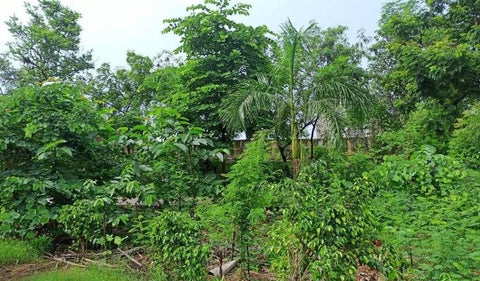
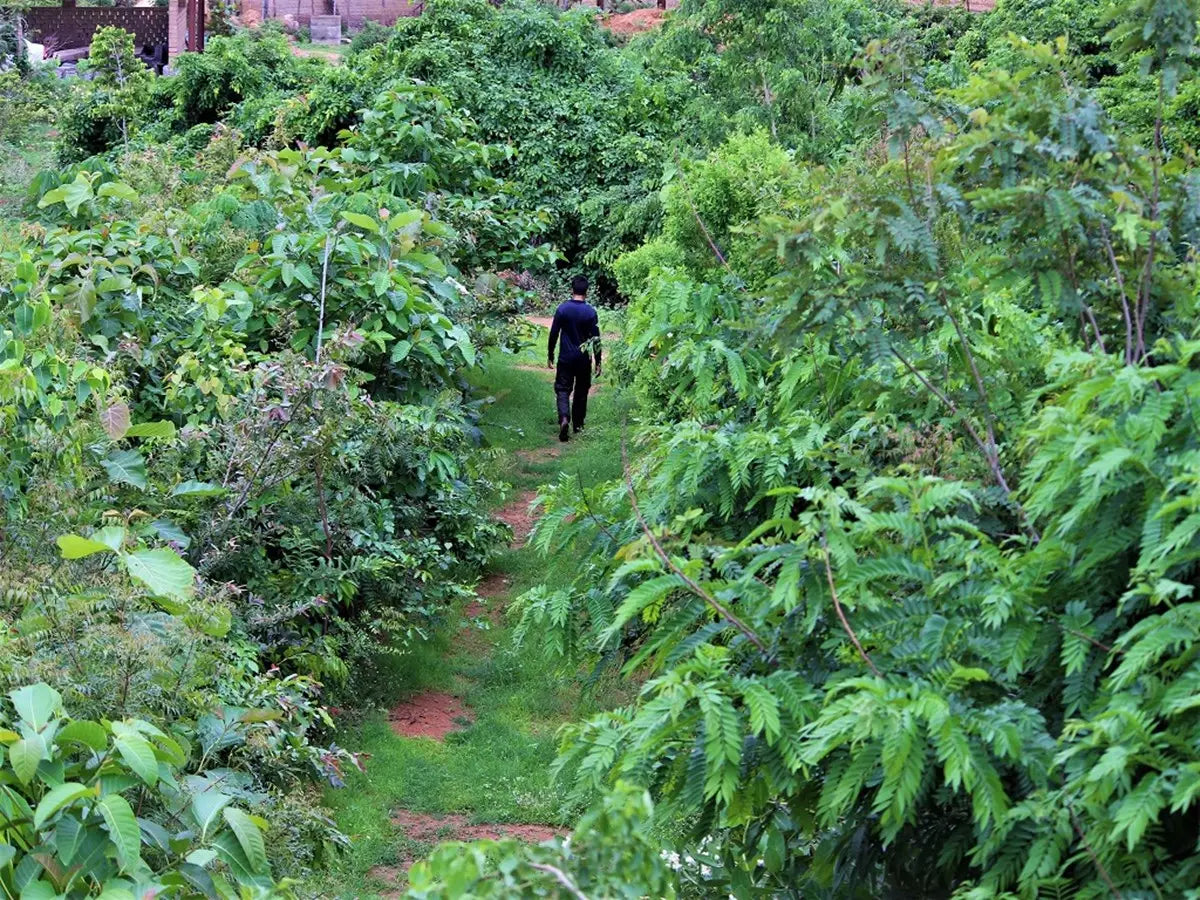
An Urban Forest in Delhi represents carefully planned green spaces that mimic natural forest ecosystems within the city's boundaries. Unlike traditional parks, these forests feature dense tree canopies, native plant species, and self-sustaining ecological systems.

Delhi's urban forest initiatives align with the United Nations Sustainable Development Goals, particularly Goal 15 which focuses on protecting terrestrial ecosystems and promoting sustainable forest management.

These forests utilize innovative techniques like Miyawaki methodology to create dense, native forests that grow 10 times faster and become 30 times denser than conventional plantations. Our 4ft Tree Planting + 3 Years Care + GeoTag program ensures each tree receives proper nurturing for optimal growth.

✅ Key Benefits of Urban Forest in Delhi

Air Quality Enhancement

Urban forests in Delhi act as natural air purifiers, absorbing harmful pollutants including PM2.5, nitrogen oxides, and carbon monoxide. A single mature tree can absorb up to 22 kilograms of carbon dioxide annually while releasing oxygen equivalent to what two people consume daily.

Research indicates that urban forests can reduce air pollution by up to 60% in their immediate vicinity, making them crucial for Delhi's air quality improvement initiatives.

Biodiversity Conservation

These green spaces provide habitats for over 200 bird species, numerous butterfly varieties, and small mammals. Urban forests in Delhi support native flora including Neem, Peepal, Banyan, and indigenous shrubs that form complex ecological networks.

The World Wildlife Fund's forest conservation initiatives emphasize how urban forests serve as crucial wildlife corridors connecting larger forest patches.

Climate Resilience and Temperature Control

Urban forests reduce local temperatures by 2-8°C through evapotranspiration and shade provision. This natural cooling effect helps combat Delhi's urban heat island phenomenon, where city temperatures can be 5-7°C higher than surrounding areas.

By contributing to Combating Climate Change Through Collective Action, these forests play a vital role in helping Delhi achieve its Net Zero Targets.

⭐ Prominent Urban Forest Projects in Delhi

Aravalli Biodiversity Park

Spanning 692 acres in Gurugram, this restored urban forest showcases successful ecological rehabilitation. Once a degraded mining area, it now hosts over 300 native plant species and 180 bird species, demonstrating the transformative power of dedicated reforestation efforts.

Sanjay Van Urban Forest

Located in South Delhi, Sanjay Van covers approximately 10.5 square kilometers of natural forest area. This urban forest provides crucial green lung space for the city while supporting diverse wildlife populations including peacocks, jackals, and numerous bird species.

Delhi Ridge Forest

The Delhi Ridge represents the city's largest green belt, extending across four zones. This natural forest system helps maintain Delhi's ecological balance while providing recreational spaces for millions of residents.

💡 Corporate Engagement in Urban Forest Development

Financial Investment and Sponsorship

Corporations can contribute to urban forest projects through direct funding, tree sponsorship programs, and long-term maintenance partnerships. Our corporate programs offer comprehensive solutions for companies seeking environmental impact.

Companies investing in urban forests often see significant returns through improved employee satisfaction, enhanced brand reputation, and progress toward sustainability goals.

Employee Engagement Programs

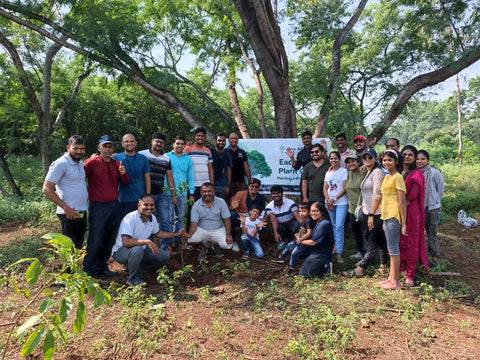
Corporate tree planting events create team-building opportunities while contributing to environmental restoration. Employees participating in urban forest initiatives report increased job satisfaction and stronger company loyalty.

Our organized plantation drives accommodate groups of 50-500 participants, providing meaningful engagement experiences that align with corporate social responsibility objectives.

Individual Participation Opportunities

Tree Adoption and Sponsorship

Individuals can adopt trees within urban forests, receiving regular updates on their growth through our GeoTag technology. This personal connection fosters long-term environmental stewardship and community engagement.

For just ₹299, anyone can plant a tree with three years of professional care included, making urban forest participation accessible to all economic segments.

Volunteer Programs and Community Involvement

Regular maintenance activities, seed collection drives, and educational workshops provide ongoing engagement opportunities. Volunteers contribute essential support for urban forest sustainability while gaining valuable environmental knowledge.

Community-led initiatives strengthen neighborhood connections while advancing collective environmental goals.

⚠️ Challenges and Solutions for Urban Forest in Delhi

Land Availability and Urban Planning

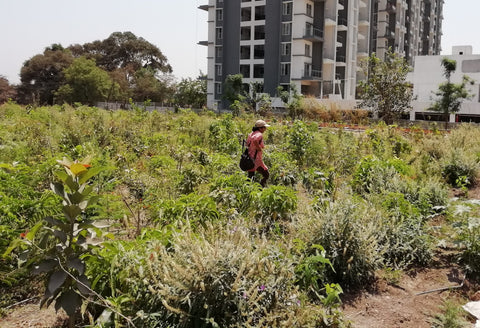
Limited available land in Delhi requires creative solutions including rooftop forests, vertical gardens, and multi-use green spaces. Strategic planning ensures maximum environmental benefit within constrained urban environments.

Collaboration between government agencies, private developers, and environmental organizations creates innovative approaches to urban forest development.

Water Management and Irrigation

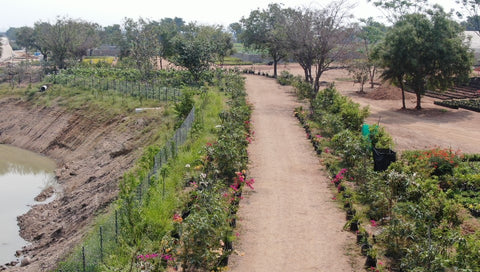
Delhi's water scarcity challenges require efficient irrigation systems and drought-resistant native species selection. Drip irrigation, rainwater harvesting, and greywater recycling support sustainable urban forest maintenance.

Our agroforestry techniques integrate water conservation with tree planting, maximizing resource efficiency while supporting urban agriculture initiatives.

Environmental Impact and Scientific Research

Studies conducted on Delhi's urban forests demonstrate measurable improvements in air quality, soil health, and local climate conditions. Research from the Indian Institute of Science shows that urban forests can sequester 12-15 tons of carbon dioxide per hectare annually.

The United Nations Environment Programme's forest research highlights how urban forests contribute significantly to global climate change mitigation efforts.

Biodiversity assessments reveal that well-managed urban forests support 40-60% more species diversity compared to conventional urban green spaces, emphasizing their ecological importance.

Technology Integration in Urban Forest Management

Modern urban forest projects utilize satellite monitoring, IoT sensors, and mobile applications for efficient management. Our GeoTag system provides real-time tree health monitoring and growth tracking capabilities.

Drone technology assists in forest health assessment, pest management, and planning optimization. These technological advances ensure sustainable long-term forest development and maintenance.

Data analytics help optimize species selection, planting locations, and maintenance schedules based on environmental conditions and growth patterns.

Economic Benefits and Job Creation

Urban forest development creates employment opportunities in landscaping, forest management, research, and eco-tourism sectors. Local communities benefit from skilled job creation and capacity building programs.

Property values near urban forests typically increase by 15-20%, providing economic incentives for continued forest development. These green spaces attract businesses and residents seeking sustainable living environments.

Tourism revenue from urban forest visits contributes to local economic development while raising environmental awareness among visitors.

Future Vision: Expanding Urban Forest Network

Delhi's urban forest expansion plans include connecting existing forest patches through green corridors, creating comprehensive ecological networks. These connections enhance wildlife movement and genetic diversity maintenance.

Integration with smart city initiatives ensures urban forests become integral components of sustainable urban development. Future projects will incorporate renewable energy, waste management, and water conservation technologies.

Community education programs will expand environmental awareness, creating informed citizens who actively support urban forest conservation and expansion efforts.

Frequently Asked Questions

What is the difference between urban forests and city parks?

Urban forests feature dense tree canopies with native species that create self-sustaining ecosystems, while city parks typically have manicured landscapes with mixed native and non-native plants. Urban forests prioritize ecological function over aesthetic design.

How long does it take for an urban forest to establish in Delhi?

Using Miyawaki methodology, urban forests can establish within 2-3 years and become self-sustaining within 5-10 years. Traditional forest development typically requires 20-30 years for similar ecological maturity.

Can individuals visit urban forests in Delhi?

Yes, most urban forests in Delhi welcome visitors through designated trails and viewing areas. Some locations offer guided tours and educational programs to enhance visitor understanding of forest ecosystems.

What tree species are best suited for urban forests in Delhi?

Native species like Neem, Peepal, Banyan, Jamun, and Arjun are ideal for Delhi's urban forests. These species adapt well to local climate conditions and support indigenous wildlife populations.

How do urban forests help reduce Delhi's air pollution?

Urban forests absorb pollutants through leaf surfaces and root systems while releasing oxygen. They also trap particulate matter and reduce wind-blown dust, contributing to measurable air quality improvements.

What is the cost of creating an urban forest in Delhi?

Costs vary based on location, size, and methodology. Our programs start at ₹299 per tree including three years of care, making urban forest participation affordable for individuals and organizations.

How can schools participate in urban forest development?

Schools can organize student plantation drives, adopt forest patches for educational purposes, and integrate environmental education with hands-on forest management activities. We provide specialized school programs with educational materials.

What maintenance is required for urban forests?

Initial maintenance includes watering, weeding, and protection from grazing animals. After establishment, urban forests require minimal intervention, primarily monitoring for pest management and occasional pruning.

How do urban forests contribute to Delhi's climate goals?

Urban forests sequester carbon dioxide, reduce energy consumption through cooling effects, and support renewable resource cycles. They directly contribute to Delhi's carbon neutrality and climate resilience objectives.

Can urban forests survive Delhi's extreme weather conditions?

Yes, when planted with appropriate native species and proper establishment care, urban forests demonstrate remarkable resilience to Delhi's heat, cold, and monsoon variations. Native species have evolved to thrive in local conditions.Urban forests in Delhi represent hope for sustainable urban development, combining environmental restoration with community engagement. Through collective action and strategic investment, these green sanctuaries will continue expanding, creating healthier, more resilient urban environments for current and future generations.Join our mission to create urban forests across Delhi. Plant a tree in your name today and become part of India's largest reforestation movement, working toward our goal of planting 100 crore trees by 2030.

Goal - Trees to be Planted
20,000
Planted till Now
6,673

Want to plant your tree now?

Plant a Tree @ 299

6,673 Trees planted by

*data refreshed every hour


Nutanix 2500 Tree(s)
from Feb 01, 2024

Think Good Foundation 1610 Tree(s)
from Mar 29, 2024

InfoBeans Technologies Limited 365 Tree(s)
from Indore Feb 13, 2024

InfoBeans Technologies Limited 342 Tree(s)
from Indore Apr 03, 2024

Harshit Agarwal 300 Tree(s)
from Raipur Feb 22, 2024

Precizoncare Technology Private Limited 234 Tree(s)
from Jaipur Nov 24, 2023

Geetanjali Tatikola 126 Tree(s)
from Visakhapatnam Jan 06, 2024

Rahul Toshniwal 101 Tree(s)
from Pune Apr 15, 2024

Ms. Sadichcha Pawar 100 Tree(s)
from Navi Mumbai Mar 15, 2024

Vikas Agarwal 55 Tree(s)
from Jan 14, 2024

Nidhi Singh 51 Tree(s)
from PUNE Nov 26, 2023

Shivam Kukreja 50 Tree(s)
from Hapur Feb 09, 2024

Shivam Kukreja 50 Tree(s)
from Hapur Jan 10, 2024

Vikas Agarwal 50 Tree(s)
from Jan 15, 2024

Vikas Agarwal 50 Tree(s)
from Jan 15, 2024

Group of Friends Club 42 Tree(s)
from Gurugram Mar 06, 2024

Rahul Toshniwal 39 Tree(s)
from Pune Apr 15, 2024

Rajpal Singh Duggal 37 Tree(s)
from Gurugram Apr 09, 2024

Sheetal 34 Tree(s)
from PALM HARBOR Apr 04, 2024

Salesforce India Pvt Ltd 30 Tree(s)
from Bengaluru; Mar 29, 2024

Shruti 30 Tree(s)
from Delhi Apr 13, 2024

Geoffrey Franklin 30 Tree(s)
from Coimbatore Apr 06, 2024

GrowBillionTrees Update 25 Tree(s)
from Pune Mar 06, 2024

ECSO GLOBAL PRIVATE LIMITED 25 Tree(s)
from Gurgaon Nov 22, 2023

AIT Startup Saga 25 Tree(s)
from Apr 12, 2024

Dhanashree Bhagwat 20 Tree(s)
from Pune Jan 18, 2024

Dhawal Kothari 18 Tree(s)
from Udaipur Apr 15, 2024

Setbai Mahilange 11 Tree(s)
from Jan 12, 2024

Rambhagat Mahilange 11 Tree(s)
from Jan 12, 2024

Kunj Bihari Banjare 11 Tree(s)
from Jan 12, 2024

Jackky Bhagnani 11 Tree(s)
from Jan 12, 2024

Gularam Banjare 11 Tree(s)
from Jan 12, 2024

Rakul Preet Singh 11 Tree(s)
from Jan 12, 2024

Hiralal G Bhamare 11 Tree(s)
from Pune Dec 11, 2023

Shri Ravi Singh 11 Tree(s)
from Jan 14, 2024

Shri Ravi Tiwari 11 Tree(s)
from Jan 14, 2024

Shri Amar Ramkrishna Gharat 11 Tree(s)
from Jan 14, 2024

Shri Niranjan Davkhare; MLA 11 Tree(s)
from Jan 14, 2024

Shri Sanjay Kelkar; MLA 11 Tree(s)
from Jan 14, 2024

Shri Eknath Shinde; CM Maharas 11 Tree(s)
from Jan 14, 2024

Shri Devendra Gangadharrao Fad 11 Tree(s)
from Jan 14, 2024

Shri Vinay Sahasrabuddhe; Memb 11 Tree(s)
from Jan 14, 2024

Shri Kapil Moreshwar Patil; Mi 11 Tree(s)
from Jan 13, 2024

Shrikant Shinde Ji; Member of 11 Tree(s)
from Jan 13, 2024

Shri Chandrashekhar Bawankule; 11 Tree(s)
from Jan 12, 2024

Shri Ravindra Chavan; Public W 11 Tree(s)
from Jan 12, 2024

Mahant Shashikant Das Ji Mahar 11 Tree(s)
from Jan 12, 2024

Param Pujniya Didi Maa Sadhvi 11 Tree(s)
from Jan 12, 2024

Mahant Dr Ram Vilas Das Vedant 11 Tree(s)
from Jan 12, 2024

Jagat Guru Ram Dinesh Acharaya 11 Tree(s)
from Jan 12, 2024

*data refreshed every hour


Rahul Toshniwal 4 Tree(s)
Pune Apr 18, 2024

Dhawal Kothari 18 Tree(s)
Udaipur Apr 15, 2024

Rahul Toshniwal 39 Tree(s)
Pune Apr 15, 2024

Rahul Toshniwal 101 Tree(s)
Pune Apr 15, 2024

Shruti 30 Tree(s)
Delhi Apr 13, 2024

AIT Startup Saga 25 Tree(s)
Apr 12, 2024

Rajpal Singh Duggal 37 Tree(s)
Gurugram Apr 09, 2024

Geoffrey Franklin 30 Tree(s)
Coimbatore Apr 06, 2024

Sheetal 34 Tree(s)
PALM HARBOR Apr 04, 2024

InfoBeans Technologies Limited 342 Tree(s)
Indore Apr 03, 2024

SMS CLOUD TECHNOLOGIES PRIVATE PRIVATE LIMITED 10 Tree(s)
Ghaziabad Apr 03, 2024

Headstart WE Club & DBS Bank 9 Tree(s)
Mar 30, 2024

Think Good Foundation 1610 Tree(s)
Mar 29, 2024

Salesforce India Pvt Ltd 30 Tree(s)
Bengaluru; Mar 29, 2024

D2C Launchpad 9 Tree(s)
Mar 22, 2024

Headstart WE Club & DBS Bank 10 Tree(s)
Mar 15, 2024

Ms. Sadichcha Pawar 100 Tree(s)
Navi Mumbai Mar 15, 2024

Parag Joshi 1 Tree(s)
Mar 12, 2024

Mankind 1 Tree(s)
Mar 11, 2024

Group of Friends Club 42 Tree(s)
Gurugram Mar 06, 2024

GrowBillionTrees Update 25 Tree(s)
Pune Mar 06, 2024

Harshit Agarwal 300 Tree(s)
Raipur Feb 22, 2024

Shraddha Pathrikar 1 Tree(s)
Pune Feb 16, 2024

Shraddha Pathrikar 10 Tree(s)
Pune Feb 16, 2024

Shraddha Pathrikar 1 Tree(s)
Pune Feb 16, 2024

Shraddha Pathrikar 1 Tree(s)
Pune Feb 16, 2024

InfoBeans Technologies Limited 365 Tree(s)
Indore Feb 13, 2024

Shivam Kukreja 50 Tree(s)
Hapur Feb 09, 2024

Naveen Bhardwaj 1 Tree(s)
Mumbai Feb 09, 2024

Naveen Bhardwaj 1 Tree(s)
Mumbai Feb 09, 2024

Nutanix 2500 Tree(s)
Feb 01, 2024

GrowBillionTrees Update 1 Tree(s)
Pune Jan 24, 2024

GrowBillionTrees Update 2 Tree(s)
Pune Jan 22, 2024

Shubham Singh 1 Tree(s)
Meerut Jan 21, 2024

Shubham Singh 1 Tree(s)
Meerut Jan 21, 2024

Shubham Singh 1 Tree(s)
Meerut Jan 21, 2024

Shubham Singh 1 Tree(s)
Meerut Jan 21, 2024

Shubham Singh 1 Tree(s)
Meerut Jan 21, 2024

Dhanashree Bhagwat 20 Tree(s)
Pune Jan 18, 2024

Vikas Agarwal 50 Tree(s)
Jan 15, 2024

Vikas Agarwal 50 Tree(s)
Jan 15, 2024

Ashutosh Dumbare 11 Tree(s)
Jan 14, 2024

Vikas Agarwal 55 Tree(s)
Jan 14, 2024

Shri Ravi Singh 11 Tree(s)
Jan 14, 2024

Shri Ravi Tiwari 11 Tree(s)
Jan 14, 2024

Shri Amar Ramkrishna Gharat 11 Tree(s)
Jan 14, 2024

Shri Niranjan Davkhare; MLA 11 Tree(s)
Jan 14, 2024

Shri Sanjay Kelkar; MLA 11 Tree(s)
Jan 14, 2024

Shri Eknath Shinde; CM Maharas 11 Tree(s)
Jan 14, 2024

Shri Devendra Gangadharrao Fad 11 Tree(s)
Jan 14, 2024

View All

Project Impact Summary

Offset carbon footprint for 150 humans /year Generate Oxygen sufficient for 20,000 humans/year
Provide employment for 8,000 days Support to 640,000 wild animals & birds

Want to plant your tree now?

Plant a Tree @ 299

Delhi's urban forests represent a transformative solution to the capital's environmental challenges, offering natural air purification, biodiversity conservation, and climate resilience. These green sanctuaries are revolutionizing how India's bustling metropolis addresses pollution, urban heat, and the critical need for sustainable development in densely populated areas.

As part of our mission to Plant a tree in your Name and achieve our goal of planting 100 crore trees across India, urban forests in Delhi showcase the power of strategic reforestation in metropolitan environments.

Understanding Urban Forest in Delhi: A Green Revolution

An Urban Forest in Delhi represents carefully planned green spaces that mimic natural forest ecosystems within the city's boundaries. Unlike traditional parks, these forests feature dense tree canopies, native plant species, and self-sustaining ecological systems.

Delhi's urban forest initiatives align with the United Nations Sustainable Development Goals, particularly Goal 15 which focuses on protecting terrestrial ecosystems and promoting sustainable forest management.

These forests utilize innovative techniques like Miyawaki methodology to create dense, native forests that grow 10 times faster and become 30 times denser than conventional plantations. Our 4ft Tree Planting + 3 Years Care + GeoTag program ensures each tree receives proper nurturing for optimal growth.

✅ Key Benefits of Urban Forest in Delhi

Air Quality Enhancement

Urban forests in Delhi act as natural air purifiers, absorbing harmful pollutants including PM2.5, nitrogen oxides, and carbon monoxide. A single mature tree can absorb up to 22 kilograms of carbon dioxide annually while releasing oxygen equivalent to what two people consume daily.

Research indicates that urban forests can reduce air pollution by up to 60% in their immediate vicinity, making them crucial for Delhi's air quality improvement initiatives.

Biodiversity Conservation

These green spaces provide habitats for over 200 bird species, numerous butterfly varieties, and small mammals. Urban forests in Delhi support native flora including Neem, Peepal, Banyan, and indigenous shrubs that form complex ecological networks.

The World Wildlife Fund's forest conservation initiatives emphasize how urban forests serve as crucial wildlife corridors connecting larger forest patches.

Climate Resilience and Temperature Control

Urban forests reduce local temperatures by 2-8°C through evapotranspiration and shade provision. This natural cooling effect helps combat Delhi's urban heat island phenomenon, where city temperatures can be 5-7°C higher than surrounding areas.

By contributing to Combating Climate Change Through Collective Action, these forests play a vital role in helping Delhi achieve its Net Zero Targets.

⭐ Prominent Urban Forest Projects in Delhi

Aravalli Biodiversity Park

Spanning 692 acres in Gurugram, this restored urban forest showcases successful ecological rehabilitation. Once a degraded mining area, it now hosts over 300 native plant species and 180 bird species, demonstrating the transformative power of dedicated reforestation efforts.

Sanjay Van Urban Forest

Located in South Delhi, Sanjay Van covers approximately 10.5 square kilometers of natural forest area. This urban forest provides crucial green lung space for the city while supporting diverse wildlife populations including peacocks, jackals, and numerous bird species.

Delhi Ridge Forest

The Delhi Ridge represents the city's largest green belt, extending across four zones. This natural forest system helps maintain Delhi's ecological balance while providing recreational spaces for millions of residents.

💡 Corporate Engagement in Urban Forest Development

Financial Investment and Sponsorship

Corporations can contribute to urban forest projects through direct funding, tree sponsorship programs, and long-term maintenance partnerships. Our corporate programs offer comprehensive solutions for companies seeking environmental impact.

Companies investing in urban forests often see significant returns through improved employee satisfaction, enhanced brand reputation, and progress toward sustainability goals.

Employee Engagement Programs

Corporate tree planting events create team-building opportunities while contributing to environmental restoration. Employees participating in urban forest initiatives report increased job satisfaction and stronger company loyalty.

Our organized plantation drives accommodate groups of 50-500 participants, providing meaningful engagement experiences that align with corporate social responsibility objectives.

Individual Participation Opportunities

Tree Adoption and Sponsorship

Individuals can adopt trees within urban forests, receiving regular updates on their growth through our GeoTag technology. This personal connection fosters long-term environmental stewardship and community engagement.

For just ₹299, anyone can plant a tree with three years of professional care included, making urban forest participation accessible to all economic segments.

Volunteer Programs and Community Involvement

Regular maintenance activities, seed collection drives, and educational workshops provide ongoing engagement opportunities. Volunteers contribute essential support for urban forest sustainability while gaining valuable environmental knowledge.

Community-led initiatives strengthen neighborhood connections while advancing collective environmental goals.

⚠️ Challenges and Solutions for Urban Forest in Delhi

Land Availability and Urban Planning

Limited available land in Delhi requires creative solutions including rooftop forests, vertical gardens, and multi-use green spaces. Strategic planning ensures maximum environmental benefit within constrained urban environments.

Collaboration between government agencies, private developers, and environmental organizations creates innovative approaches to urban forest development.

Water Management and Irrigation

Delhi's water scarcity challenges require efficient irrigation systems and drought-resistant native species selection. Drip irrigation, rainwater harvesting, and greywater recycling support sustainable urban forest maintenance.

Our agroforestry techniques integrate water conservation with tree planting, maximizing resource efficiency while supporting urban agriculture initiatives.

Environmental Impact and Scientific Research

Studies conducted on Delhi's urban forests demonstrate measurable improvements in air quality, soil health, and local climate conditions. Research from the Indian Institute of Science shows that urban forests can sequester 12-15 tons of carbon dioxide per hectare annually.

The United Nations Environment Programme's forest research highlights how urban forests contribute significantly to global climate change mitigation efforts.

Biodiversity assessments reveal that well-managed urban forests support 40-60% more species diversity compared to conventional urban green spaces, emphasizing their ecological importance.

Technology Integration in Urban Forest Management

Modern urban forest projects utilize satellite monitoring, IoT sensors, and mobile applications for efficient management. Our GeoTag system provides real-time tree health monitoring and growth tracking capabilities.

Drone technology assists in forest health assessment, pest management, and planning optimization. These technological advances ensure sustainable long-term forest development and maintenance.

Data analytics help optimize species selection, planting locations, and maintenance schedules based on environmental conditions and growth patterns.

Economic Benefits and Job Creation

Urban forest development creates employment opportunities in landscaping, forest management, research, and eco-tourism sectors. Local communities benefit from skilled job creation and capacity building programs.

Property values near urban forests typically increase by 15-20%, providing economic incentives for continued forest development. These green spaces attract businesses and residents seeking sustainable living environments.

Tourism revenue from urban forest visits contributes to local economic development while raising environmental awareness among visitors.

Future Vision: Expanding Urban Forest Network

Delhi's urban forest expansion plans include connecting existing forest patches through green corridors, creating comprehensive ecological networks. These connections enhance wildlife movement and genetic diversity maintenance.

Integration with smart city initiatives ensures urban forests become integral components of sustainable urban development. Future projects will incorporate renewable energy, waste management, and water conservation technologies.

Community education programs will expand environmental awareness, creating informed citizens who actively support urban forest conservation and expansion efforts.

Frequently Asked Questions

What is the difference between urban forests and city parks?

Urban forests feature dense tree canopies with native species that create self-sustaining ecosystems, while city parks typically have manicured landscapes with mixed native and non-native plants. Urban forests prioritize ecological function over aesthetic design.

How long does it take for an urban forest to establish in Delhi?

Using Miyawaki methodology, urban forests can establish within 2-3 years and become self-sustaining within 5-10 years. Traditional forest development typically requires 20-30 years for similar ecological maturity.

Can individuals visit urban forests in Delhi?

Yes, most urban forests in Delhi welcome visitors through designated trails and viewing areas. Some locations offer guided tours and educational programs to enhance visitor understanding of forest ecosystems.

What tree species are best suited for urban forests in Delhi?

Native species like Neem, Peepal, Banyan, Jamun, and Arjun are ideal for Delhi's urban forests. These species adapt well to local climate conditions and support indigenous wildlife populations.

How do urban forests help reduce Delhi's air pollution?

Urban forests absorb pollutants through leaf surfaces and root systems while releasing oxygen. They also trap particulate matter and reduce wind-blown dust, contributing to measurable air quality improvements.

What is the cost of creating an urban forest in Delhi?

Costs vary based on location, size, and methodology. Our programs start at ₹299 per tree including three years of care, making urban forest participation affordable for individuals and organizations.

How can schools participate in urban forest development?

Schools can organize student plantation drives, adopt forest patches for educational purposes, and integrate environmental education with hands-on forest management activities. We provide specialized school programs with educational materials.

What maintenance is required for urban forests?

Initial maintenance includes watering, weeding, and protection from grazing animals. After establishment, urban forests require minimal intervention, primarily monitoring for pest management and occasional pruning.

How do urban forests contribute to Delhi's climate goals?

Urban forests sequester carbon dioxide, reduce energy consumption through cooling effects, and support renewable resource cycles. They directly contribute to Delhi's carbon neutrality and climate resilience objectives.

Can urban forests survive Delhi's extreme weather conditions?

Yes, when planted with appropriate native species and proper establishment care, urban forests demonstrate remarkable resilience to Delhi's heat, cold, and monsoon variations. Native species have evolved to thrive in local conditions.Urban forests in Delhi represent hope for sustainable urban development, combining environmental restoration with community engagement. Through collective action and strategic investment, these green sanctuaries will continue expanding, creating healthier, more resilient urban environments for current and future generations.Join our mission to create urban forests across Delhi. Plant a tree in your name today and become part of India's largest reforestation movement, working toward our goal of planting 100 crore trees by 2030.

Back

Want to plant your tree now?

Plant a Tree @ 299
1 of 4