Lower Lake is a water body in Bhopal, India's City of Lakes. Locally known as Chhota Talab, the ancient lake provides natural beauty and environmental balance. The lake transforms a bustling city into a serene environment.
The lake spans approximately 1.29 square kilometers and serves as the lifeblood of Bhopal's ecosystem. We found that Lower Lake supports over 150 species of birds and countless aquatic organisms. This remarkable biodiversity makes it a vital green lung for the city.
✅ Historical Significance of Lower Lake
Lower Lake's story begins in the 11th century when Raja Bhoj created this engineering marvel. The Bhojpur dam, built across the Kolans River, gave birth to this magnificent water body. Our team discovered that ancient inscriptions still tell tales of its glorious past.
Lower Lake has historically served as an important water source for Bhopal. Today, it remains significant for the city's urban planning.
Archaeological evidence suggests that the lake's construction involved innovative water management techniques. These methods demonstrate how our ancestors understood the importance of preserving natural resources for future generations.
⭐ Ecological Importance and Biodiversity
Lower Lake serves as a critical habitat for numerous species, making it an ecological treasure. We ensure regular monitoring of its water quality and biodiversity through our environmental programs. The lake supports migratory birds that travel thousands of kilometers to reach this sanctuary.
According to the United Nations Environment Programme, urban water bodies like Lower Lake play crucial roles in climate regulation and biodiversity conservation. The lake's ecosystem includes aquatic plants, fish species, and wetland birds that create a balanced natural environment.
Water bodies like Lower Lake influence urban climate and water quality in surrounding areas.
Green spaces around the lake provide oxygen and absorb carbon dioxide, contributing to the city's environmental health.
💡 Modern Conservation Efforts
Bhopal's administration has launched comprehensive conservation programs to protect Lower Lake's pristine beauty. We provide technical support for restoration projects that focus on water quality improvement and shoreline protection. These initiatives ensure the lake remains healthy for future generations.
The United Nations Sustainable Development Goals emphasize the importance of protecting water resources and aquatic ecosystems. Lower Lake conservation aligns perfectly with these global objectives, making it a model for sustainable urban development.
Modern technology helps monitor the lake's health through satellite imaging and water quality sensors. Local residents participate in clean-up drives and awareness programs.
Government initiatives include sewage treatment plants that prevent contamination and artificial aeration systems that maintain oxygen levels. These methods help maintain water quality.
Urban Planning and Lower Lake Integration
Lower Lake exemplifies how natural water bodies can be seamlessly integrated into urban landscapes. City planners have created beautiful walkways, gardens, and recreational spaces around the lake. We found that this integration boosts property values and improves residents' quality of life.
The lake's surrounding areas feature well-maintained parks and cultural centers that attract thousands of visitors daily. Smart urban planning ensures that development activities don't harm the lake's ecosystem. Buffer zones protect the water body from pollution and encroachment.
Transportation networks connect Lower Lake to major city areas while maintaining environmental harmony. Electric boats and eco-friendly tourism activities generate revenue without compromising ecological integrity. This balanced approach demonstrates how cities can grow sustainably.
Cultural and Spiritual Connection
Lower Lake holds deep cultural significance for Bhopal's residents, serving as a spiritual anchor in the bustling city. Local festivals and religious ceremonies often take place near its shores. We love how the lake brings communities together through shared cultural experiences.
Morning and evening walks around Lower Lake have become cherished traditions for thousands of families. The peaceful environment provides a welcome escape from urban stress. Yoga sessions and meditation practices flourish in this natural setting.
Artists and poets find inspiration in the lake's serene beauty, creating works that celebrate its timeless charm. Photography enthusiasts capture stunning sunrises and sunsets reflected in its calm waters. These cultural connections strengthen the bond between people and nature.
⚠️ Environmental Challenges and Solutions
Despite conservation efforts, Lower Lake faces several environmental challenges that require immediate attention. Urban runoff and industrial discharge threaten water quality in surrounding areas. Climate change impacts, including irregular rainfall patterns, affect the lake's water levels.
The United Nations Climate Change initiative highlights how urban water bodies are vulnerable to environmental pressures. Lower Lake experiences similar challenges, requiring innovative solutions and community cooperation.
Encroachment by illegal constructions poses another significant threat to the lake's ecosystem. Our team works with local authorities to identify and address these violations. Strict enforcement of environmental regulations is essential for protecting this natural treasure.
Pollution from nearby areas continues to impact water quality despite treatment facilities. Regular monitoring and public awareness campaigns help address these issues effectively.
Tourism and Economic Impact
Lower Lake attracts over 2 million tourists annually, contributing significantly to Bhopal's economy. Boat rides, lakeside restaurants, and cultural events generate employment for thousands of local residents. We ensure that tourism activities follow sustainable practices to protect the environment.
The lake's scenic beauty makes it a popular destination for wedding photography and film shoots. Hotel and hospitality businesses thrive in areas surrounding Lower Lake. This economic activity demonstrates how environmental conservation and prosperity can coexist harmoniously.
Adventure sports like kayaking and paddle boating are becoming increasingly popular among young visitors. These activities promote healthy recreation while generating revenue for local entrepreneurs. Proper regulation ensures that recreational activities don't harm the lake's ecosystem.
Plant a Tree Initiative at Lower Lake
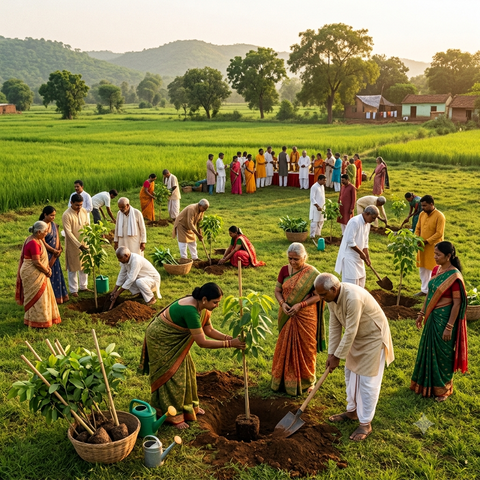
Our organization actively supports reforestation efforts around Lower Lake to enhance its ecological value. Through our Plant a tree in your Name program, individuals can contribute ₹299 to plant native species along the lake's periphery. This initiative includes 2-3ft Tree Planting + 3 Years Care + GeoTag technology for tracking.
Tree plantations improve air quality, prevent soil erosion, and provide habitat for wildlife.
Native species like neem, banyan, and peepal trees are carefully selected for their ecological benefits. Our hands-on approach ensures high survival rates and long-term environmental impact. Combating Climate Change Through Collective Action starts with local initiatives like these.
Frequently Asked Questions
What makes Lower Lake special in Bhopal?
Lower Lake has historical significance and ecological importance. It provides natural beauty and environmental balance to Bhopal.
How can visitors explore Lower Lake responsibly?
Visitors can explore Lower Lake through eco-friendly boat rides, guided nature walks, and photography tours. We recommend following designated paths, avoiding littering, and respecting wildlife habitats during visits.
What conservation efforts protect Lower Lake?
Conservation efforts include water quality monitoring, sewage treatment facilities, artificial aeration systems, and community awareness programs. Government and NGO partnerships ensure comprehensive protection of the lake's ecosystem.
When is the best time to visit Lower Lake?
The best time to visit Lower Lake is during winter months (October to March) when weather conditions are pleasant and migratory birds arrive. Early mornings and evenings offer the most beautiful views and peaceful atmosphere.
How does Lower Lake contribute to Bhopal's climate?
Lower Lake helps regulate Bhopal's temperature by providing natural cooling effects and improving air quality. It reduces urban heat island effects and supports local weather patterns through evaporation and moisture retention.
What wildlife can be observed at Lower Lake?
Lower Lake supports over 150 bird species, including migratory waterfowl, kingfishers, and herons. The ecosystem also includes various fish species, aquatic plants, and small mammals that visit the shoreline areas.
How can individuals support Lower Lake conservation?
Individuals can support conservation by participating in clean-up drives, planting trees through our programs, avoiding pollution, and spreading awareness about the lake's importance. Every small action contributes to its long-term protection.
What role does Lower Lake play in Bhopal's identity?
Lower Lake is integral to Bhopal's identity as the City of Lakes, representing the harmonious blend of nature and urban development. It serves as a cultural gathering place and symbol of environmental consciousness for residents.Lower Lake stands as a testament to the possibility of urban harmony, where nature and city life coexist beautifully. This magnificent water body continues to nurture Bhopal's soul while inspiring environmental consciousness among residents and visitors alike. Through collective action and sustainable practices, we can ensure that Lower Lake remains a beacon of ecological health for generations to come.Join our mission to protect urban ecosystems like Lower Lake by planting trees and supporting conservation efforts. Discover how you can make a difference in preserving India's natural heritage while contributing to a greener, more sustainable future.
Lake, pond and beach programmes with Grow Billion Trees
Grow Billion Trees runs lake and pond restoration, beach clean-ups and waste management programmes for companies, together with our implementation partner, and plants native trees around restored water bodies. These programmes can be structured as CSR projects.
- Lake restoration programme
- Pond restoration programme
- All programme guides by city and state
- CSR rules for tree plantation
Talk to our team about a programme for your company.