

Best Waste Management Companies in Andaman Nicobar
Waste Management Companies in Andaman and Nicobar Islands are essential guardians of one of India's most precious and fragile ecosystems. These island Read more
Connect with us
-
👥 Corporates
If you are looking for:
- 🌲 Tree Plantation Events
- 📊 CSR Projects
📧 corporate@growbilliontrees.com
📞 +91 9699723523
💬 +91 9325931304 WhatsApp (Only)
🕒 Mon - Sat | 10am - 7pm IST
-
🧩 Tree Plantation NGOs
If you are looking for:
- 💰 Financial Assistance
- 🤝 Operational Support
📧 support@growbilliontrees.com
📞 +91 9699723523
💬 +91 9325931304 WhatsApp (Only)
🕒 Mon - Sat | 10am - 7pm IST
-
🌼 Individuals
If you are looking for:
- 👥 Group Tree Plantation Drive
- 🌳 Bulk Tree Plantation
📞 +91 9699723523
💬 +91 9325931304 WhatsApp (Only)
🕒 Mon - Sat | 10am - 7pm IST
Trending Tree Plantations - Most Popular Environmental Programs
-
Trees for Birthday Celebration: Plant Meaningful Green Gifts
Regular price ₹ 299Regular priceUnit price per -
Trees for Mother
Regular price ₹ 299Regular priceUnit price per -
Trees as a Gift: Plant Hope & Create Lasting Environmental Impact
Regular price ₹ 299Regular priceUnit price per -
Trees to Honor the Memory of your Loved Ones
Regular price ₹ 299Regular priceUnit price per -
Trees for Women's Day (8th Mar)
Regular price ₹ 299Regular priceUnit price per



Trees for Corporates - Achieve Net Zero Targets Through Strategic Tree Planting
-
 Project Closed
Trees by LIFT Team for Green Diwali: Transform Your Festival
Regular price ₹ 299Regular priceUnit price per -
Trees for a Greener Tomorrow - by Mahindra Lifespaces
Regular price ₹ 299Regular priceUnit price per -
Trees for Environment Day: Plant Your Impact on June 5th
Regular price ₹ 299Regular priceUnit price per -
Trees for Farmers: Sustainable Agroforestry Solutions for 2026
Regular price ₹ 299Regular priceUnit price per -
Trees for Employees: Transform Your Corporate Culture in 2026
Regular price ₹ 299Regular priceUnit price per
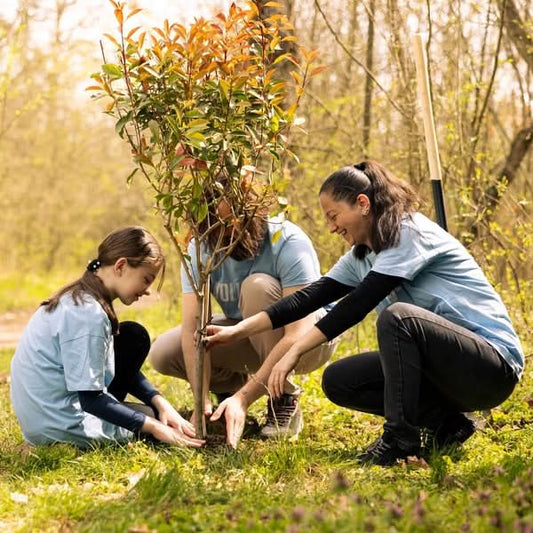
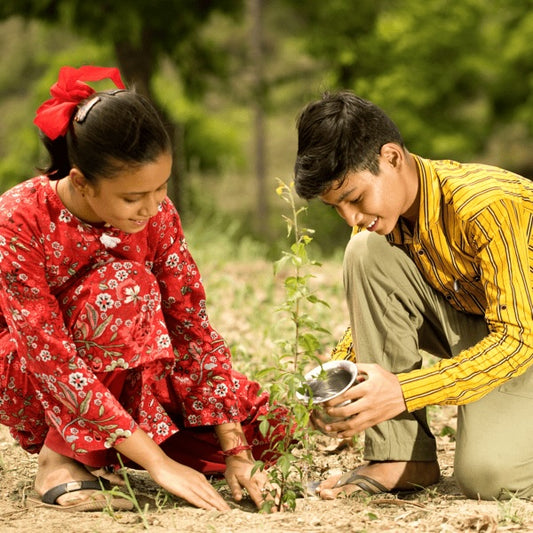

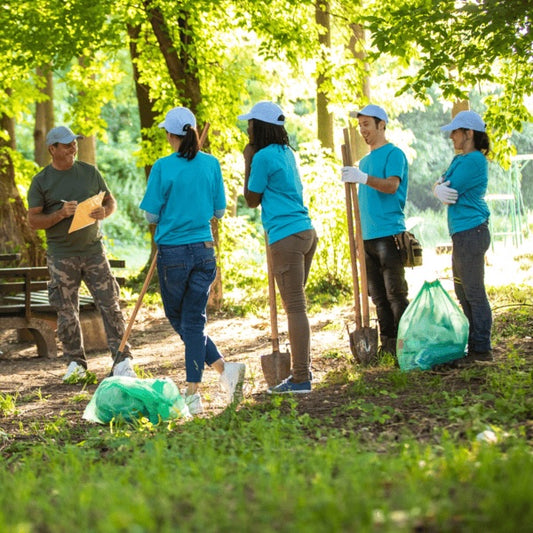
Waste Management Companies in Andaman and Nicobar Islands are essential guardians of one of India's most precious and fragile ecosystems. These islands — stretching across the Bay of Bengal — are home to rare wildlife, coral reefs, and dense tropical forests. However, rising tourism and rapid urbanization are pushing waste generation to unsustainable levels. Acting now is not just important — it is urgent.
In 2026, the Andaman and Nicobar Islands generate an estimated 150 to 200 metric tonnes of municipal solid waste every day. With no large-scale waste processing infrastructure and a uniquely sensitive marine environment, this challenge demands expert, sustainable solutions. Professional waste management companies here play a vital role in keeping these islands green and thriving.
✅ Why Waste Management Matters for Andaman and Nicobar
The Andaman and Nicobar Islands support over 2,200 species of plants and nearly 350 species of birds — many found nowhere else on Earth. Improper waste disposal threatens this biodiversity directly. According to the World Wildlife Fund on deforestation and forest degradation, habitat loss from poor land use remains one of the top threats to island ecosystems globally.
The islands depend heavily on tourism for economic survival. A clean, eco-friendly environment is not just a moral obligation — it is a business necessity. Waste mismanagement can destroy coral reefs, pollute beaches, and drive away the very visitors who sustain the local economy.
The United Nations Climate Change framework highlights that small island territories face disproportionate environmental risks. Effective waste management is therefore a climate action — not merely a sanitation measure.
⭐ Top Waste Management Companies in Andaman and Nicobar Islands
Several organizations and companies operate in the waste management space across the Andaman and Nicobar Islands. Together, they form the backbone of the region's environmental infrastructure. Here are the key players doing wonderful work on the ground.
Port Blair Municipal Council (PBMC) manages primary waste collection and disposal in the capital city. The PBMC oversees door-to-door garbage collection, segregation drives, and landfill management across Port Blair. Our team has observed that civic-level efforts here are improving year over year, with better equipment and trained personnel now in place.
Andaman and Nicobar Environment Team (ANET) focuses on conservation-linked waste reduction, particularly around mangrove and coastal zones. Their hands-on approach to beach cleaning and marine litter management has earned them trusted status among local communities and researchers alike.
Island Eco Solutions is a certified private firm operating out of Port Blair that provides waste collection, recycling coordination, and organic composting services for hotels, resorts, and residential colonies. Their verified processes ensure that waste is handled responsibly and with minimal ecological impact.
Green Andaman Initiative brings together local NGOs and businesses to run community-level composting, e-waste collection drives, and awareness programs. We found their community engagement model particularly effective in remote island clusters like Havelock Island and Neil Island.
Bio-Remediation Services India offers specialized services for biohazard and industrial waste handling across the union territory. Their authentic, verified processes meet national compliance standards set by the Central Pollution Control Board.
💡 Government Policies Supporting Waste Management in Andaman
The administration of Andaman and Nicobar Islands has implemented several key policies to tackle the growing waste crisis. The Solid Waste Management Rules 2016, adopted across the union territory, mandate source segregation, door-to-door collection, and scientific disposal in all municipal areas. These regulations have been a great step forward for the islands' environmental health.
The Smart Cities Mission has extended support to Port Blair, enabling investment in waste processing infrastructure — including material recovery facilities and composting plants. These green investments are beginning to transform how the city manages its daily waste output in a more sustainable way.
The national Swachh Bharat Mission has funded waste awareness campaigns across schools and community centres throughout the islands. Our experience in working with local conservation partners shows that these grassroots programs build long-term mindful habits among residents and young people. However, policy enforcement in remote clusters like Little Andaman and the Nicobar group remains a challenge due to geographic isolation and limited staffing.
⚠️ Challenges Unique to Island Waste Management
Managing waste on islands is fundamentally different from mainland operations. The geographic isolation of the Andaman and Nicobar Islands creates logistical challenges that are difficult and expensive to overcome. Transporting recycled materials to the mainland for processing, for example, adds significant cost and carbon footprint to every operation.
The seasonal surge in tourism — particularly between November and April — can triple the volume of waste generated. Our experience shows that without scalable, flexible systems, this seasonal pressure overwhelms local infrastructure rapidly. Planning ahead is therefore essential for every waste management company operating here.
According to WWF's ecosystem conservation initiatives, plastic pollution in coastal zones accelerates the destruction of marine biodiversity. Single-use plastics from tourism activities regularly wash into coral reef zones — making source reduction just as important as downstream disposal. Power and water scarcity on remote islands also limit the adoption of energy-intensive technologies, though solar-powered composting units and biogas plants are emerging as great eco-friendly alternatives.
🌿 How Grow Billion Trees Supports a Greener Andaman
At Grow Billion Trees, we believe that waste management and tree planting go hand in hand. Our mission — to plant 100 crore trees across India — naturally extends to protecting island ecosystems like Andaman and Nicobar. We are happy to partner with local conservation groups to restore green cover in areas degraded by waste dumping and deforestation.
Our 4ft Tree Planting + 3 Years Care + GeoTag model ensures that every tree planted is nurtured, tracked, and verified. You can Plant a tree in your Name for just ₹299 — a simple, meaningful act of Combating Climate Change Through Collective Action. Our partners on the islands work hands-on to restore mangrove belts and coastal forests damaged by rising waste levels.
We provide certified, eco-friendly planting programs tailored for urban forests, coastal restoration, and agroforestry. For corporates working toward Net Zero Targets, our verified programs offer measurable environmental impact. Together, we grow a more sustainable future for India's island treasures. We ensure every rupee spent translates into real, trackable change on the ground.
✅ Sustainable Waste Practices You Can Support Today
You do not need to be a company to make a difference. Here are practical steps every conscious individual or traveller can take to support waste reduction in the Andaman and Nicobar Islands:
- • Carry reusable bags and bottles to avoid adding to single-use plastic waste on every trip.
- • Segregate your waste into wet, dry, and hazardous categories before disposal at any accommodation.
- • Support certified eco-resorts that have transparent, verified waste management practices.
- • Participate in beach cleaning drives organized by local NGOs during your visit to the islands.
- • Plant a tree to offset your travel carbon footprint — explore our programs at Grow Billion Trees.
Moreover, the United Nations Sustainable Development Goals emphasize responsible consumption as a cornerstone of environmental progress. Every mindful choice you make contributes to this global movement. Therefore, choosing businesses transparent about their environmental commitments sends a powerful signal to the entire market.
Frequently Asked Questions
Which is the main body responsible for waste management in Andaman and Nicobar Islands?
The Port Blair Municipal Council (PBMC) is the primary government body overseeing municipal solid waste management in Andaman and Nicobar Islands. It coordinates collection, transportation, and disposal of waste across Port Blair and nearby areas, working alongside the union territory administration.
Are there private waste management companies operating in the Andaman Islands?
Yes. Several private firms, including Island Eco Solutions and Bio-Remediation Services India, provide specialized waste collection, composting, and recycling services. These companies complement government efforts and improve overall waste management standards across the islands.
How does tourism affect waste generation in Andaman and Nicobar Islands?
Tourism significantly increases waste volumes, especially during peak season from November to April. Hotels, restaurants, and recreational activities generate large quantities of plastic, food, and electronic waste. Sustainable tourism practices and responsible disposal are essential to manage this seasonal impact effectively.
What types of waste are most problematic in the Andaman Islands?
Single-use plastic waste and marine litter are among the most damaging waste types in the region. They directly threaten coral reefs, mangroves, and marine wildlife. E-waste and biomedical waste from urban centres also require specialized handling and certified, verified disposal processes.
Can I help with waste management in Andaman and Nicobar Islands as a visitor?
Absolutely. Visitors can carry reusable items, support eco-certified accommodations, participate in beach cleaning drives, and donate to local conservation organizations. You can also plant a tree through Grow Billion Trees to offset your travel footprint and contribute to a greener planet.
How does tree planting connect to waste management in island ecosystems?
Trees and forests naturally filter pollutants, stabilize soil, and prevent coastal erosion caused by improper waste dumping. Planting native trees in degraded zones helps restore biodiversity and improve the overall resilience of island ecosystems against environmental pressures.
What is the role of the community in island waste management?
Community participation is essential and irreplaceable. Local residents, fishermen, and tribal communities often serve as the first line of defense against illegal dumping and plastic pollution. Programs led by organizations like the Green Andaman Initiative empower communities through education, composting training, and waste segregation awareness.
How can corporates support sustainable waste management in Andaman?
Corporates can partner with certified waste management firms, fund beach cleaning and tree planting drives, and integrate CSR goals with local environmental programs. Grow Billion Trees offers corporate programs aligned with Net Zero Targets that include tree planting and ecosystem restoration across India's most sensitive regions.
A Greener Future for Andaman Starts Now
The Andaman and Nicobar Islands are a wonder of the natural world — and they deserve to stay that way. Waste management companies in Andaman and Nicobar Islands are doing vital, wonderful work to protect this fragile paradise. However, protecting these islands is a shared responsibility that extends from government agencies to private firms, tourists, and everyday citizens.
At Grow Billion Trees, we are glad to be part of this collective mission. We love the idea of a future where every island community thrives, every beach is clean, and every forest is restored. Discover how you can make a meaningful impact — explore our tree planting programs today and help us reach our goal of 100 crore trees by 2030. Together, we can transform the future of India's most beautiful islands.
You may like
-
Gift a Tree - Meaningful Environmental Gifts That Make a Difference
Transform your gift-giving with meaningful environmental gifts that create lasting impact for...
-
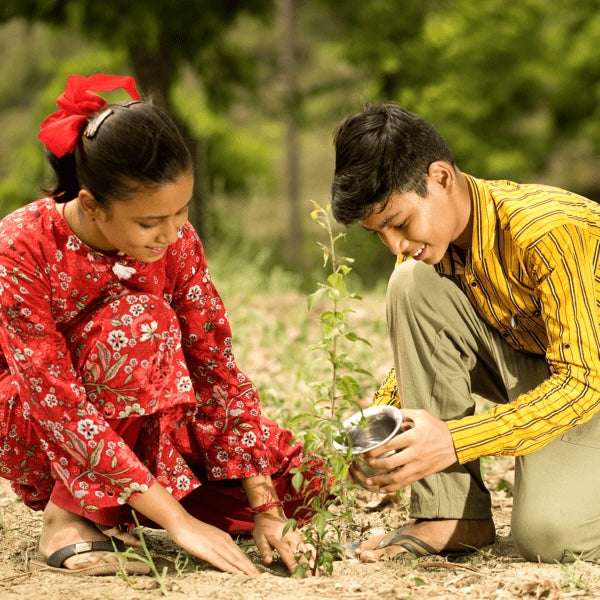
Trees For Shiv Ji - Sacred Tree Planting to Honor Lord Shiva
Honor Lord Shiva through sacred tree planting with Trees For Shiv Ji,...
-

Tree Plantations for Shri Ram - Sacred Devotional Planting Services
Honor Lord Shri Ram through meaningful tree plantations for Shri Ram that...
-
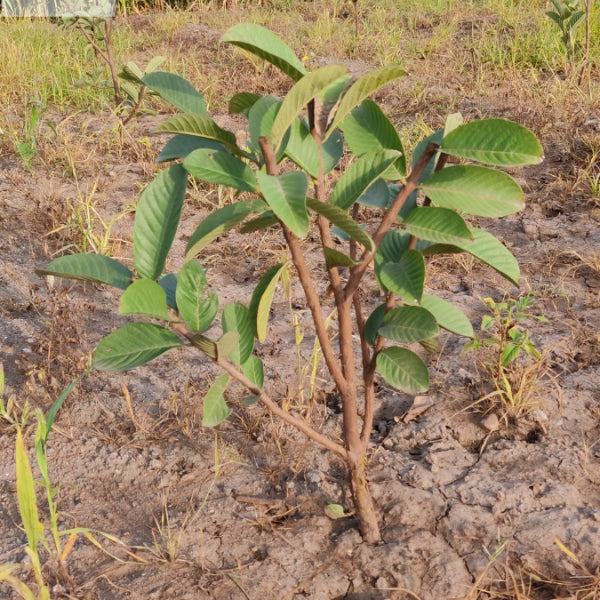
Tree Plantation on Navratri - Celebrate Divine Festivals with Environmental Devotion
Tree plantation on Navratri transforms the sacred nine-day festival into a powerful...
-
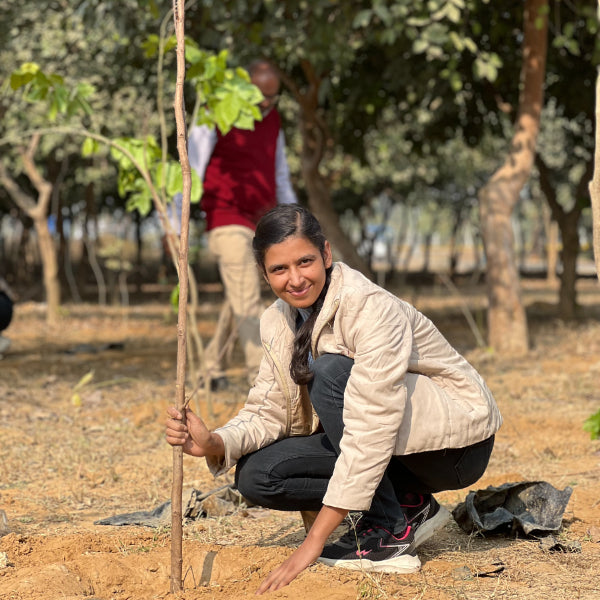
Tree Plantation by Cause - Plant Trees for Every Purpose | Grow Billion Trees
Transform your environmental impact with purpose-driven tree plantation by cause programs that...
Corporate Plantations
-
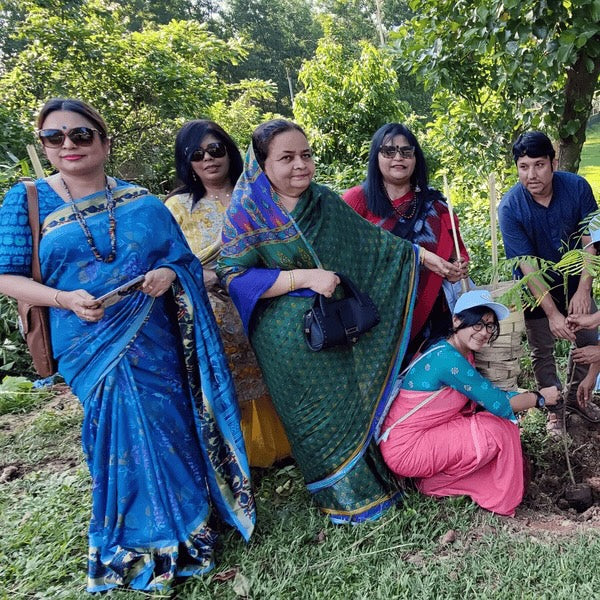
Trees for Corporates - Achieve Net Zero Targets Through Strategic Tree Planting
Trees for Corporates - Strategic Environmental SolutionsTransform your corporate environmental impact with...
-
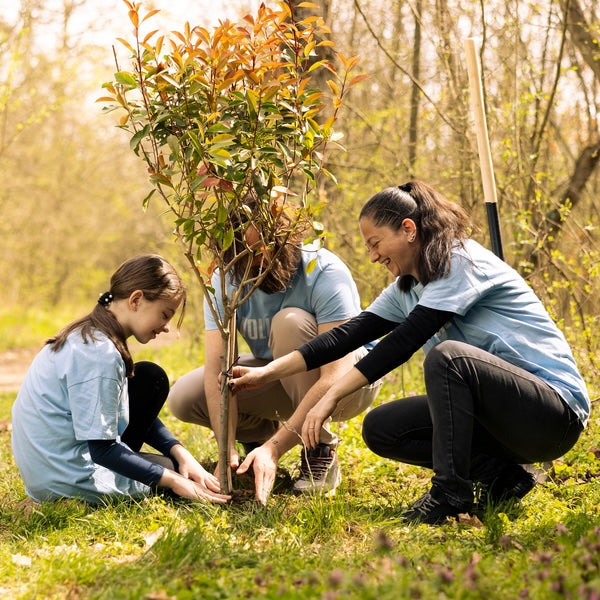
Tree Plantation for CSR - Corporate Environmental Programs | Grow Billion Trees
Tree Plantation for CSR - Transform Your Corporate Environmental ImpactTree plantation for...
-
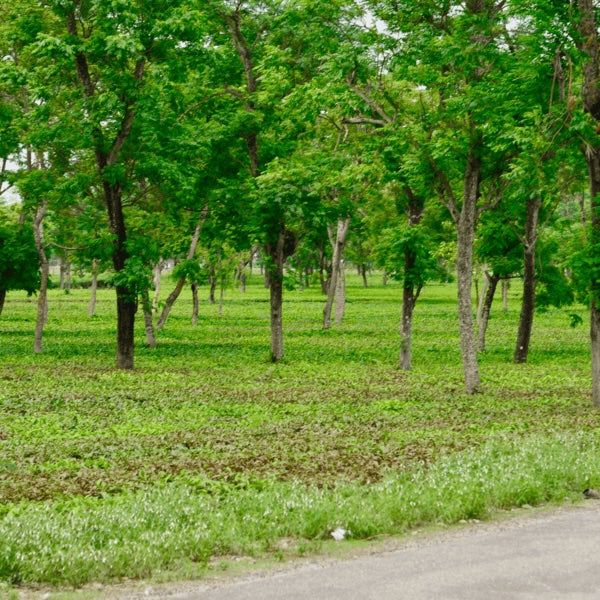
Tree Plantation for SDG - Support Sustainable Development Goals
Tree plantation for SDG initiatives represents a powerful pathway to achieving multiple...
-
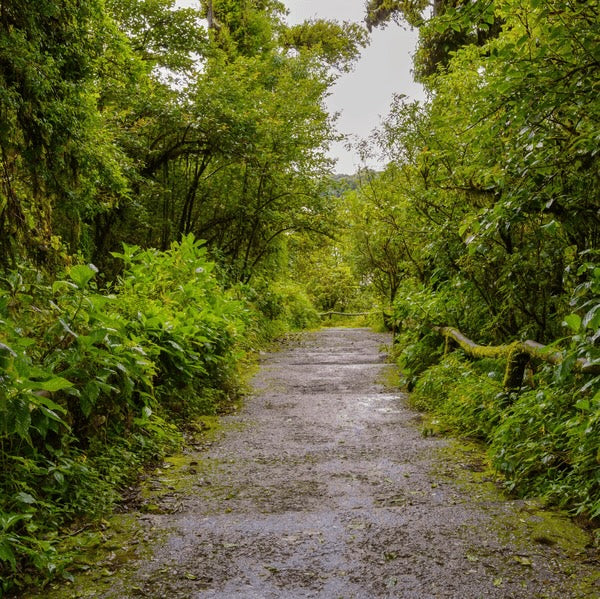
Corporate Tree Plantation Programs - Sustainable ESG Environmental Solutions for Net Zero Targets
Transform your organization's environmental impact with our comprehensive Corporate Tree Plantation Programs...
-
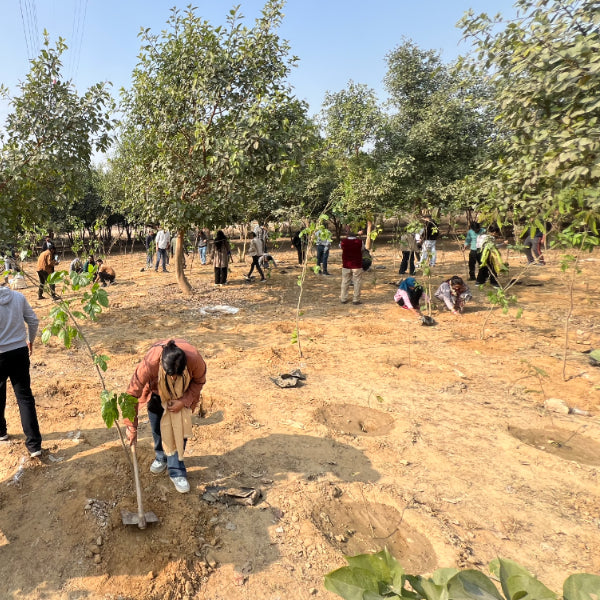
Tree Plantation by Location - Plant Trees Across India
Transform landscapes nationwide through our comprehensive tree plantation by location program. When...
Most Popular Tree Plantations - Top Choices for Environmental Impact
-
Trees for Birthday Celebration: Plant Meaningful Green Gifts
Regular price ₹ 299Regular priceUnit price per -
Trees for Mother
Regular price ₹ 299Regular priceUnit price per -
Trees as a Gift: Plant Hope & Create Lasting Environmental Impact
Regular price ₹ 299Regular priceUnit price per -
Trees to Honor the Memory of your Loved Ones
Regular price ₹ 299Regular priceUnit price per -
Trees for Krishna on Janmashtami - Sacred Divine Gift ₹299
Regular price ₹ 299Regular priceUnit price per