
Top Waste Management Companies in Uttar Pradesh 2026
Uttar Pradesh faces significant environmental challenges, with waste generation exceeding 15,000 tonnes daily across its major cities. The leading was Read more
Connect with us
-
👥 Corporates
If you are looking for:
- 🌲 Tree Plantation Events
- 📊 CSR Projects
📧 corporate@growbilliontrees.com
📞 +91 9699723523
💬 +91 9325931304 WhatsApp (Only)
🕒 Mon - Sat | 10am - 7pm IST
-
🧩 Tree Plantation NGOs
If you are looking for:
- 💰 Financial Assistance
- 🤝 Operational Support
📧 support@growbilliontrees.com
📞 +91 9699723523
💬 +91 9325931304 WhatsApp (Only)
🕒 Mon - Sat | 10am - 7pm IST
-
🌼 Individuals
If you are looking for:
- 👥 Group Tree Plantation Drive
- 🌳 Bulk Tree Plantation
📞 +91 9699723523
💬 +91 9325931304 WhatsApp (Only)
🕒 Mon - Sat | 10am - 7pm IST
Trending Tree Plantations - Most Popular Environmental Programs
-
Trees for Mother
Regular price ₹ 299Regular priceUnit price per -
Trees to Honor the Memory of your Loved Ones
Regular price ₹ 299Regular priceUnit price per -
Trees for Women's Day (8th Mar)
Regular price ₹ 299Regular priceUnit price per -
Trees for Wedding Anniversary Celebration
Regular price ₹ 299Regular priceUnit price per -
Trees for Grandmother
Regular price ₹ 299Regular priceUnit price per





Trees for Corporates - Achieve Net Zero Targets Through Strategic Tree Planting
-
 Project Closed
Trees by LIFT Team for Green Diwali: Transform Your Festival
Regular price ₹ 299Regular priceUnit price per -
Trees for a Greener Tomorrow - by Mahindra Lifespaces
Regular price ₹ 299Regular priceUnit price per -
Trees for Environment Day: Plant Your Impact on June 5th
Regular price ₹ 299Regular priceUnit price per -
Trees for Employees: Transform Your Corporate Culture in 2026
Regular price ₹ 299Regular priceUnit price per -
 Project Closed
Trees for Bangalore: Plant Native Trees in Garden City ₹299
Regular price ₹ 799Regular priceUnit price per



Uttar Pradesh faces significant environmental challenges, with waste generation exceeding 15,000 tonnes daily across its major cities. The leading waste management companies in Uttar Pradesh are transforming how the state handles its environmental responsibilities. These organizations provide comprehensive solutions from collection to disposal while supporting sustainable development goals.
Our experience working with environmental partners across India shows that effective waste management directly connects to forest conservation and climate action. We're happy to welcome you to explore how proper waste handling supports our mission of planting 100 crore trees while helping communities achieve Net Zero Targets.
Leading Waste Management Companies Transforming Uttar Pradesh ✅
The waste management landscape in Uttar Pradesh has evolved significantly in 2026. Several companies now offer integrated solutions that combine traditional waste processing with innovative green technologies. These organizations understand that sustainable waste handling supports broader environmental goals.
Ramky Enviro Engineers leads the sector with operations across Lucknow, Kanpur, and Varanasi. Their comprehensive approach includes waste-to-energy plants and organic composting facilities. The company processes over 2,000 tonnes of municipal solid waste daily.
Antony Waste Handling Cell operates extensively throughout northern India, including major UP cities. We found their technology-driven approach particularly impressive during our sustainability assessments. They focus on mechanized collection and scientific disposal methods.
IL&FS Environmental Infrastructure & Services maintains significant presence in Uttar Pradesh's urban centers. Their integrated waste management model covers collection, transportation, processing, and disposal. The organization emphasizes community engagement and environmental education.
Innovative Waste-to-Energy Solutions ⭐
Modern waste management companies in Uttar Pradesh are pioneering waste-to-energy technologies that transform problems into solutions. These facilities generate clean electricity while reducing landfill burden. Our partners report that every tonne of processed waste can generate approximately 500-600 kWh of electricity.
According to the United Nations Sustainable Development Goals, sustainable waste management directly supports climate action and responsible consumption patterns. Companies like SAEL and Green Growth Solutions are implementing these principles across UP's industrial corridors.
Biogas generation from organic waste represents another growing trend. Several facilities now convert food waste and agricultural residues into clean cooking fuel. This approach reduces methane emissions while providing renewable energy alternatives.
Waste-to-energy plants in cities like Ghaziabad and Noida process thousands of tonnes daily. These facilities use advanced emission control systems to ensure environmental compliance. The technology transforms municipal solid waste into valuable energy resources.
Comprehensive Municipal Solid Waste Services 💡
Effective municipal solid waste management requires coordinated collection, segregation, and processing systems. The top waste management companies in Uttar Pradesh provide end-to-end solutions for urban and rural communities. These services ensure proper handling of diverse waste streams.
Door-to-door collection services now reach over 80% of urban households across major UP cities. Companies like Zigma Global and Clean India Services maintain regular schedules and trained personnel. They provide separate containers for wet and dry waste segregation.
Mechanical street sweeping and public area cleaning complement residential services. Our experience shows that integrated cleaning programs significantly improve urban environments. These services include market cleaning, drain maintenance, and public toilet management.
Bulk waste generators receive specialized attention through dedicated collection vehicles and processing protocols. Industrial estates, hospitals, and educational institutions benefit from customized waste handling solutions. Companies ensure compliance with pollution control board regulations.
Organic Waste Processing and Composting Facilities
Organic waste constitutes approximately 60% of India's total waste generation, making composting facilities crucial for sustainable management. The leading waste management companies in Uttar Pradesh operate large-scale composting plants that transform kitchen waste into valuable soil amendments. These facilities support agricultural productivity while reducing landfill pressure.
Windrow composting and vermicomposting technologies process thousands of tonnes of organic waste monthly. Companies like Eco-Green Solutions and Bio-Tech Waste Management maintain facilities across multiple districts. Their compost products meet Indian Standard specifications for agricultural use.
Community composting programs engage local populations in waste reduction initiatives. Our team ensures that these grassroots efforts complement larger infrastructure projects. Neighborhood-level composting reduces transportation costs and environmental impact.
The United Nations Environment Programme's forest conservation initiatives highlight how proper waste management supports ecosystem health. Reduced landfill pressure means less habitat destruction and better soil quality for reforestation efforts.
Plastic Waste Management and Recycling Solutions
Plastic waste presents unique challenges requiring specialized processing technologies and market development. Top waste management companies in Uttar Pradesh have established comprehensive plastic recycling networks that transform waste into valuable raw materials. These systems process PET bottles, polyethylene bags, and rigid plastic containers.
Mechanical recycling facilities operate across major industrial centers including Ghaziabad, Kanpur, and Agra. Companies like Recycle India and Plastic Waste Management maintain collection networks that gather plastic waste from multiple sources. They ensure proper cleaning and processing before conversion into recycled pellets.
Chemical recycling technologies are emerging as solutions for complex plastic waste streams. These advanced processes break down plastic polymers into basic chemical components. The resulting materials can manufacture new plastic products with virgin-quality specifications.
Extended Producer Responsibility programs connect manufacturers with waste management companies to ensure proper plastic disposal. Our experience working with corporate partners shows that these collaborations significantly improve collection rates and processing efficiency.
Industrial and Hazardous Waste Management ⚠️
Industrial waste requires specialized handling protocols and treatment technologies to ensure environmental safety. The leading waste management companies in Uttar Pradesh maintain dedicated facilities for hazardous waste processing. These operations follow strict regulatory guidelines and safety standards.
Common Hazardous Waste Treatment, Storage, and Disposal Facilities (TSDF) serve multiple industries across the state. Companies like Ramky Enviro and IREL maintain these centralized facilities with advanced treatment technologies. They process chemical waste, heavy metals, and toxic substances safely.
On-site treatment systems serve large industrial complexes that generate significant waste volumes. Pharmaceutical companies, chemical manufacturers, and textile units often require dedicated processing equipment. These systems ensure immediate treatment and regulatory compliance.
According to United Nations climate change action frameworks, proper industrial waste management significantly reduces greenhouse gas emissions and environmental contamination. Companies implementing best practices contribute to global climate goals.
Technology Integration and Smart Waste Management 💡
Digital technologies are revolutionizing waste management operations across Uttar Pradesh through real-time monitoring and optimization systems. Smart bins equipped with sensors notify collection teams when containers reach capacity. This technology improves efficiency while reducing operational costs.
GPS tracking systems monitor collection vehicle routes and schedules to ensure comprehensive coverage. Companies use mobile applications for citizen complaints and service requests. These platforms improve communication between service providers and communities.
Data analytics help optimize collection routes, predict waste generation patterns, and improve resource allocation. Our partners report that technology integration reduces fuel consumption by 20-30% while improving service quality. Automated reporting systems ensure regulatory compliance and performance monitoring.
Blockchain technology is emerging for waste tracking and verification systems. Some companies experiment with cryptocurrency rewards for proper waste segregation. These innovative approaches encourage community participation in sustainable waste management.
Environmental Impact and Sustainability Measures ✅
Leading waste management companies in Uttar Pradesh prioritize environmental protection through comprehensive sustainability measures. These organizations understand that waste processing must support broader ecological goals including forest conservation and climate action. Their operations demonstrate how proper waste handling contributes to environmental restoration.
Carbon footprint reduction programs focus on minimizing transportation emissions and energy consumption. Companies invest in electric vehicles, solar-powered facilities, and energy-efficient equipment. Our experience shows that these measures significantly reduce operational environmental impact.
Water conservation initiatives include rainwater harvesting and wastewater treatment systems at processing facilities. Companies reuse treated water for cleaning operations and dust suppression. These practices reduce freshwater consumption while maintaining operational efficiency.
The World Wildlife Fund's research on deforestation emphasizes how proper waste management reduces pressure on natural ecosystems. Effective recycling and composting programs decrease raw material demand and habitat destruction.
Corporate Partnerships and CSR Initiatives
Corporate social responsibility programs connect waste management companies with broader environmental missions including reforestation and community development. Many organizations partner with environmental groups to support tree plantation and ecosystem restoration projects. These collaborations demonstrate integrated approaches to sustainability.
At Grow Billion Trees, we're glad to work with waste management partners who share our vision of environmental restoration. Our experience shows that companies managing waste responsibly often support tree planting initiatives. Together, we're working toward our goal of planting 100 crore trees while improving waste handling across India.
Educational programs in schools and communities raise awareness about proper waste segregation and environmental protection. Companies provide training materials, workshops, and demonstration programs. These initiatives build long-term behavioral change and community engagement.
Employee volunteer programs encourage staff participation in environmental activities including beach cleaning, tree planting, and community education. We love seeing how these programs create environmental champions within organizations. Participants often become advocates for sustainable practices in their personal and professional lives.
Regulatory Compliance and Quality Standards
Waste management companies in Uttar Pradesh must navigate complex regulatory frameworks including Central Pollution Control Board guidelines and state-specific requirements. Compliance ensures environmental protection while maintaining operational legitimacy. Companies invest significantly in monitoring systems and reporting mechanisms.
ISO 14001 environmental management system certification demonstrates commitment to continuous improvement and regulatory compliance. Many leading companies maintain these international standards alongside local requirements. Regular audits ensure consistent performance and environmental protection.
Pollution monitoring systems track air quality, water discharge, and soil contamination around processing facilities. Companies publish regular environmental reports and engage with local communities about operational impacts. Transparency builds trust and demonstrates environmental responsibility.
Professional training programs ensure staff understand regulatory requirements and safety protocols. Companies invest in ongoing education and certification programs for technical personnel. This investment ensures consistent compliance and operational excellence.
Future Trends and Innovations in Waste Management
The waste management sector in Uttar Pradesh continues evolving through technological advancement and policy development. Artificial intelligence and machine learning optimize collection routes and processing efficiency. These technologies promise significant improvements in service quality and environmental impact.
Circular economy principles are reshaping how companies approach waste processing and resource recovery. Instead of linear disposal models, organizations focus on material recovery and reuse opportunities. This approach creates economic value while reducing environmental impact.
Decentralized processing systems bring treatment capabilities closer to waste generation sources. Community-level facilities reduce transportation costs and environmental impact. These systems particularly benefit rural areas and smaller urban centers.
Integration with renewable energy systems creates opportunities for energy-positive waste processing facilities. Solar panels and wind turbines can power operations while waste-to-energy systems generate surplus electricity. These innovations support India's renewable energy goals while improving waste management efficiency.
Choosing the Right Waste Management Partner
Selecting appropriate waste management services requires careful evaluation of company capabilities, environmental practices, and service reliability. Organizations should assess processing technologies, regulatory compliance records, and sustainability commitments. The right partner supports both immediate waste handling needs and long-term environmental goals.
Service coverage and reliability represent fundamental selection criteria for waste management partnerships. Companies should demonstrate consistent collection schedules, emergency response capabilities, and customer service standards. Our experience shows that reliable service providers significantly improve community satisfaction and environmental outcomes.
Environmental certifications and sustainability practices indicate company commitment to responsible operations. Look for ISO certifications, pollution control compliance, and community engagement programs. These factors demonstrate genuine environmental stewardship beyond basic service provision.
Cost considerations should balance service quality with environmental impact and long-term sustainability. The most economical option may not provide the best environmental outcomes or community benefits. Comprehensive evaluation considers total value including environmental and social benefits.
Frequently Asked Questions
Which waste management companies operate in major UP cities?
Ramky Enviro Engineers, Antony Waste Handling Cell, and IL&FS Environmental maintain significant operations across Lucknow, Kanpur, Agra, and other major cities. These companies provide comprehensive municipal and industrial waste management services throughout Uttar Pradesh.
How do waste management companies support environmental goals?
Leading companies implement waste-to-energy technologies, composting programs, and recycling initiatives that reduce landfill pressure and support circular economy principles. These practices contribute to climate action and sustainable development goals while processing waste responsibly.
What technologies do modern waste management companies use?
Companies employ GPS tracking, smart bins with sensors, mobile applications for service requests, and data analytics for route optimization. Advanced processing technologies include waste-to-energy plants, mechanical recycling systems, and automated sorting equipment.
How can businesses choose reliable waste management services?
Evaluate company certifications, processing technologies, regulatory compliance records, and sustainability practices. Consider service coverage, reliability, customer support, and environmental impact. The right partner should align with your organization's environmental goals and operational requirements.
What role do waste management companies play in achieving Net Zero Targets?
Proper waste management reduces methane emissions from landfills, generates renewable energy through waste-to-energy systems, and supports circular economy practices. Companies help organizations achieve carbon neutrality by minimizing waste-related emissions and supporting resource recovery.
How do waste management companies handle different waste types?
Companies provide specialized services for municipal solid waste, organic waste, plastic waste, industrial waste, and hazardous materials. Each waste stream requires specific collection, processing, and disposal protocols to ensure environmental safety and regulatory compliance.
What are the costs associated with professional waste management services?
Costs vary based on waste volume, type, processing requirements, and service frequency. Municipal services typically charge per household or per tonne, while industrial services are customized based on specific requirements. Investment in proper waste management supports long-term environmental and economic benefits.
How do waste management companies contribute to community development?
Companies provide employment opportunities, support local economies, and implement community education programs. Many organizations partner with environmental groups for tree planting and ecosystem restoration projects. These initiatives create positive social and environmental impact beyond waste processing.The transformation of waste management in Uttar Pradesh represents a wonderful opportunity for environmental improvement and sustainable development. Leading companies demonstrate how proper waste handling supports broader goals including climate action, resource conservation, and community well-being. We encourage organizations and communities to explore sustainable partnerships that combine effective waste management with environmental restoration initiatives like our 4ft Tree Planting + 3 Years Care + GeoTag program, supporting our collective mission of Combating Climate Change Through Collective Action.
You may like
-

Gift a Tree - Meaningful Environmental Gifts That Make a Difference
Transform your gift-giving with meaningful environmental gifts that create lasting impact for...
-

Trees For Shiv Ji - Sacred Tree Planting to Honor Lord Shiva
Honor Lord Shiva through sacred tree planting with Trees For Shiv Ji,...
-

Tree Plantations for Shri Ram - Sacred Devotional Planting Services
Honor Lord Shri Ram through meaningful tree plantations for Shri Ram that...
-
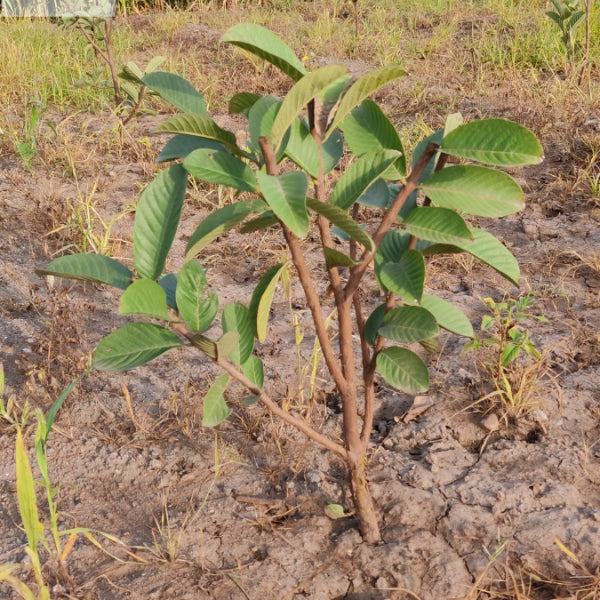
Tree Plantation on Navratri - Celebrate Divine Festivals with Environmental Devotion
Tree plantation on Navratri transforms the sacred nine-day festival into a powerful...
-
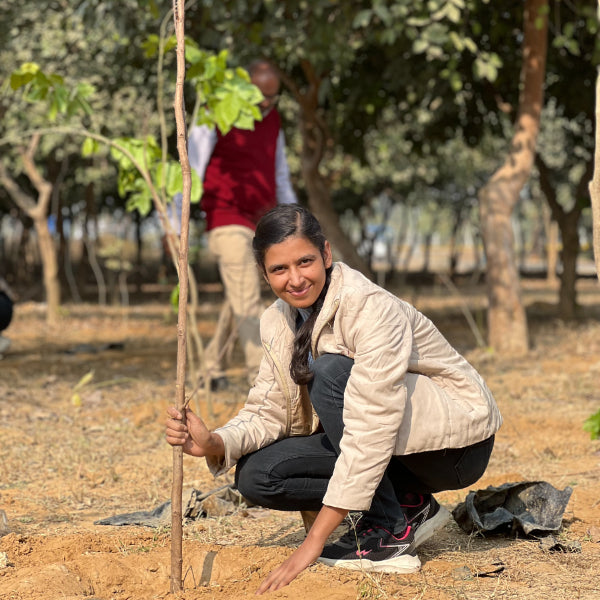
Tree Plantation by Cause - Plant Trees for Every Purpose | Grow Billion Trees
Transform your environmental impact with purpose-driven tree plantation by cause programs that...
Corporate Plantations
-
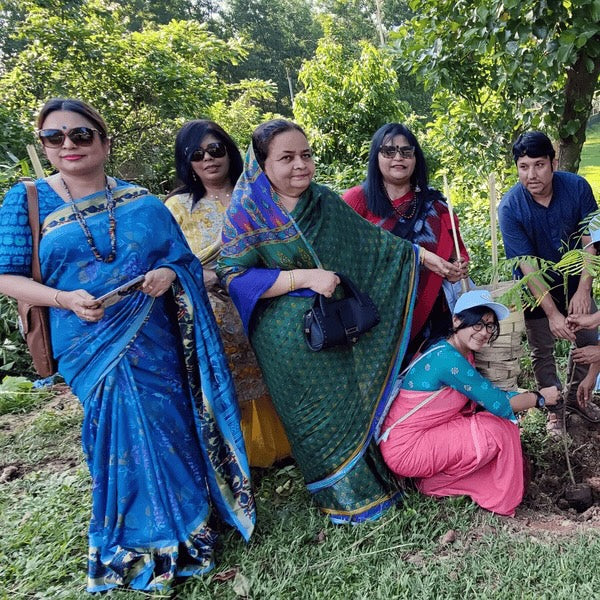
Trees for Corporates - Achieve Net Zero Targets Through Strategic Tree Planting
Trees for Corporates - Strategic Environmental SolutionsTransform your corporate environmental impact with...
-

Tree Plantation for CSR - Corporate Environmental Programs | Grow Billion Trees
Tree Plantation for CSR - Transform Your Corporate Environmental ImpactTree plantation for...
-
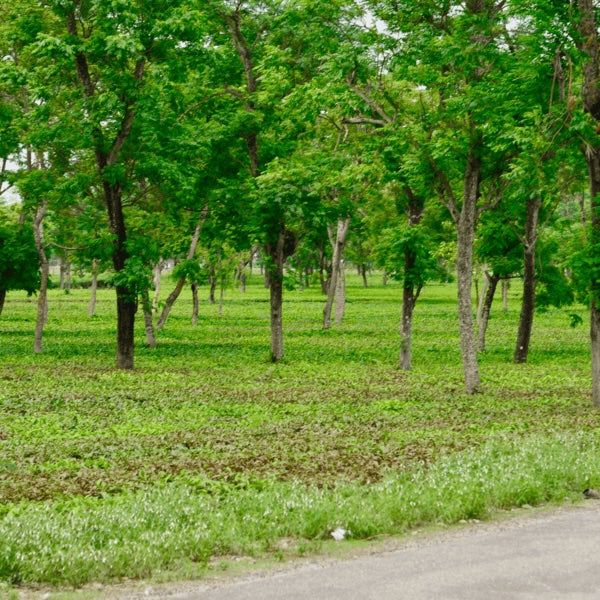
Tree Plantation for SDG - Support Sustainable Development Goals
Tree plantation for SDG initiatives represents a powerful pathway to achieving multiple...
-

Corporate Tree Plantation Programs - Sustainable ESG Environmental Solutions for Net Zero Targets
Transform your organization's environmental impact with our comprehensive Corporate Tree Plantation Programs...
-
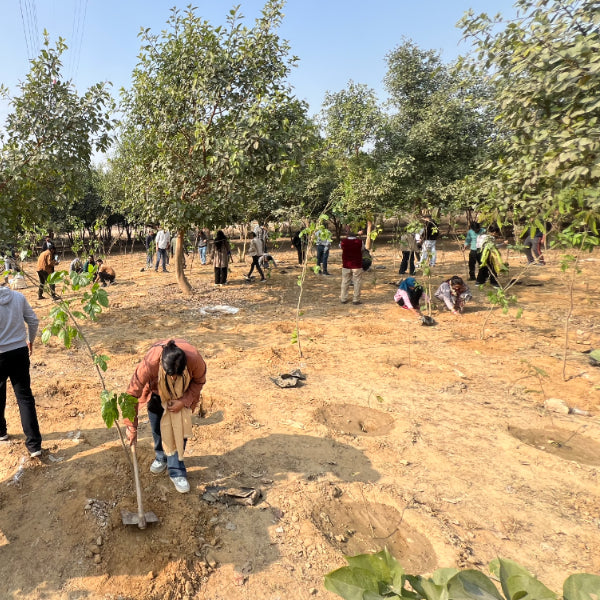
Tree Plantation by Location - Plant Trees Across India
Transform landscapes nationwide through our comprehensive tree plantation by location program. When...
Most Popular Tree Plantations - Top Choices for Environmental Impact
-
Trees for Mother
Regular price ₹ 299Regular priceUnit price per -
Trees to Honor the Memory of your Loved Ones
Regular price ₹ 299Regular priceUnit price per -
Trees for Wedding Anniversary Celebration
Regular price ₹ 299Regular priceUnit price per -
Trees for Grandmother
Regular price ₹ 299Regular priceUnit price per -
Trees for Grandfather
Regular price ₹ 299Regular priceUnit price per