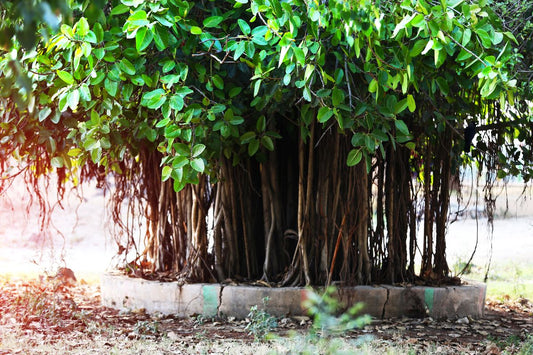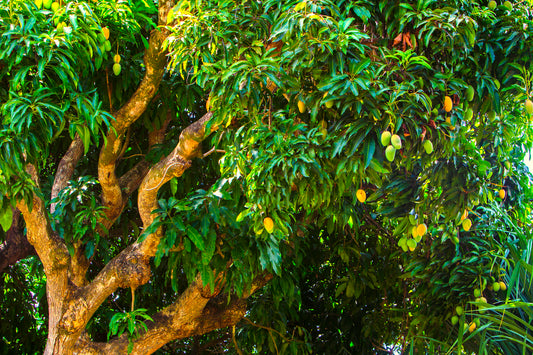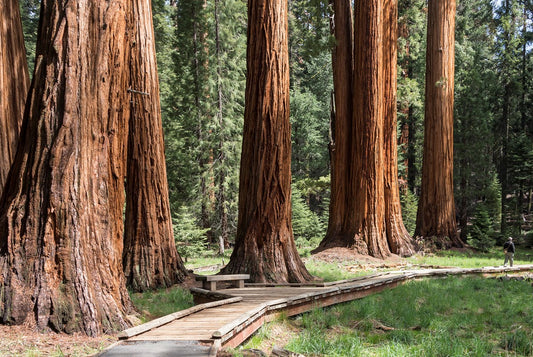

Urban forests in Mumbai are green initiatives that function as natural air purifiers, absorbing pollutants and releasing oxygen to improve air quality and provide residents with respite from urban congestion. These environmental sanctuaries contribute to climate change mitigation and enhanced quality of life in the city.
Mumbai's urban forest initiatives are transforming the concrete jungle into a breathable metropolis. These green sanctuaries serve as natural air purifiers, absorbing pollutants and releasing clean oxygen while providing residents with much-needed respite from urban chaos. As the Maximum City embraces sustainable development, urban forests are becoming essential tools for combating climate change and enhancing quality of life.
✅ The Vision Behind Mumbai's Urban Forest Movement
The concept of urban forests is gaining momentum worldwide as cities strive to combat pollution, enhance biodiversity, and provide residents with havens of tranquility amidst urban development. Mumbai, known for its bustling energy and rapid growth, is embracing urban forest initiatives to tackle deforestation and the loss of green spaces.
According to the United Nations Sustainable Development Goals, sustainable cities and communities require integrated approaches that include urban forestry. These green enclaves are not only enhancing Mumbai's aesthetics but also contributing to the city's overall environmental health and resident well-being.
⭐ Key Benefits of Urban Forest in Mumbai
Air Quality Improvement
Urban forests function as natural air purifiers, absorbing harmful pollutants and releasing clean oxygen. In Mumbai, where air quality remains a persistent challenge, these green spaces play a vital role in mitigating pollution levels and improving respiratory health for millions of residents.
Biodiversity Conservation
By providing habitats for diverse plant and animal species, urban forests enhance biodiversity within the city limits. The World Wildlife Fund's forest conservation initiatives emphasize how urban green spaces serve as crucial corridors for native flora and fauna preservation.
Climate Regulation
Urban forests help mitigate the urban heat island effect by providing natural shade and cooling through evapotranspiration. Trees regulate temperatures, creating more comfortable microclimates throughout Mumbai's dense urban landscape.
Carbon Sequestration
These green spaces contribute significantly to climate change mitigation by absorbing carbon dioxide and facilitating long-term carbon storage. Each mature tree can sequester approximately 48 pounds of CO2 annually, making urban forests powerful allies in achieving net zero targets.
🌳 Prominent Urban Forest Areas in Mumbai
Sanjay Gandhi National Park
One of Mumbai's most iconic urban forests, Sanjay Gandhi National Park spans over 100 square kilometers within the city limits. This protected area houses diverse wildlife, including leopards, deer, and over 250 bird species, while offering trekking trails and nature education programs.
Aarey Milk Colony
Known as Mumbai's "green lung," Aarey Colony encompasses approximately 1,300 hectares of forest land. This urban forest area supports over 290 tree species and provides habitat for various wildlife, making it a crucial biodiversity hotspot within the metropolitan region.
Mahim Nature Park
Built on a former dumping ground, Mahim Nature Park demonstrates successful ecological restoration. This 17-acre urban forest showcases native plant species and serves as an important stopover for migratory birds.
💡 Corporate Engagement in Urban Forest Development
Financial Investment Opportunities
Corporates can contribute through direct financial support for urban forest projects, sponsoring tree plantation initiatives, and funding long-term maintenance programs. Our experience shows that corporate partnerships significantly accelerate urban forestry success rates.
Employee Engagement Programs
Companies can organize team-building activities centered around tree plantation drives and forest maintenance. These programs foster environmental consciousness while strengthening corporate culture and social responsibility commitments.
CSR Integration
Urban forest development aligns perfectly with Corporate Social Responsibility objectives. Companies can allocate resources, manpower, and expertise to create sustainable green spaces that benefit both communities and business sustainability goals.
🌱 Individual Participation Opportunities
Tree Adoption Programs
Individuals can adopt trees through organized programs, taking responsibility for their care and growth. This personal connection creates lasting environmental impact while fostering deeper appreciation for urban forestry.
Community Involvement
Participating in organized tree plantation drives, clean-up initiatives, and awareness campaigns allows individuals to contribute meaningfully to Mumbai's green transformation. We found that community-driven efforts achieve higher survival rates and long-term sustainability.
Educational Advocacy
Residents can raise awareness through social media, personal networks, and community groups, inspiring others to join the urban forest movement and support environmental conservation efforts.
🎯 Grow Billion Trees: Leading Urban Forest Innovation in Mumbai
Grow Billion Trees is pioneering urban forest development in Mumbai through innovative approaches like Miyawaki forest creation and comprehensive tree care programs. Our mission to plant 100 crore trees across India includes specialized urban forestry solutions for metropolitan areas.
With our signature offering to Plant a tree in your Name for just ₹299, we provide 4ft Tree Planting + 3 Years Care + GeoTag technology for complete transparency. This approach ensures high survival rates and measurable environmental impact in urban settings.
Our urban forest programs specifically address Mumbai's unique challenges, from space constraints to soil quality issues. We guarantee certified tree planting with comprehensive care packages that support healthy forest establishment and growth.
➡️ Implementation Strategies for Urban Forest Success
Site Selection and Preparation
Successful urban forests require careful site analysis, including soil testing, drainage assessment, and microclimate evaluation. Our experts identify optimal locations that maximize ecological benefits while ensuring long-term sustainability.
Native Species Selection
Choosing appropriate native tree species is crucial for urban forest success. We prioritize indigenous varieties that thrive in Mumbai's climate while supporting local wildlife and requiring minimal maintenance resources.
Community Integration
Effective urban forests require community buy-in and ongoing participation. Our programs include educational components, volunteer opportunities, and regular community engagement events to ensure long-term stewardship.
⚠️ Challenges and Solutions in Urban Forest Development
Space Limitations
Mumbai's dense urban environment presents significant space challenges. We address this through innovative approaches like vertical gardens, rooftop forests, and multi-story canopy development that maximize green coverage in limited areas.
Pollution Stress
Urban trees face constant pollution exposure requiring resilient species selection and enhanced care protocols. Our programs include regular health monitoring and targeted interventions to ensure forest vitality.
Maintenance Requirements
Long-term forest health depends on consistent maintenance and care. Our comprehensive 3-year care packages include watering, pruning, pest management, and health assessments to guarantee successful establishment.
📊 Measuring Urban Forest Impact
Quantifying urban forest benefits requires systematic monitoring and assessment. Key metrics include air quality improvement, carbon sequestration rates, biodiversity indicators, and community health outcomes. The United Nations climate change initiatives emphasize the importance of measurable environmental interventions in urban settings.
Our GeoTag technology enables real-time monitoring of tree growth, health status, and environmental impact. This data-driven approach ensures accountability and demonstrates tangible results to stakeholders and supporters.
🚀 Future Vision: Combating Climate Change Through Collective Action
Mumbai's urban forest development represents a crucial component of global climate action strategies. By 2030, we envision a network of interconnected green spaces that significantly improve air quality, support biodiversity, and enhance resident quality of life.
Our commitment to achieving net zero targets through comprehensive urban forestry demonstrates how cities can lead environmental restoration efforts. Through collective action and sustained investment, Mumbai can become a model for sustainable urban development worldwide.
Frequently Asked Questions
What is an urban forest in Mumbai?
An urban forest in Mumbai refers to managed green spaces within the city that include native trees, shrubs, and vegetation designed to provide ecological services like air purification, biodiversity conservation, and climate regulation while offering recreational opportunities for residents.
How do urban forests improve air quality in Mumbai?
Urban forests improve air quality by absorbing pollutants like particulate matter, nitrogen dioxide, and sulfur dioxide while releasing clean oxygen. A single mature tree can filter up to 27 pounds of air pollutants annually, significantly impacting local air quality.
What are the main urban forest areas in Mumbai?
Mumbai's prominent urban forests include Sanjay Gandhi National Park, Aarey Milk Colony, Mahim Nature Park, and various smaller green spaces throughout the city. These areas collectively provide essential ecological services and recreational opportunities.
How can individuals contribute to urban forest development?
Individuals can participate through tree adoption programs, volunteer in plantation drives, donate to forest projects, raise awareness on social media, and support organizations like Grow Billion Trees that specialize in urban forestry development.
What role do corporates play in Mumbai's urban forests?
Corporates contribute through CSR funding, employee engagement programs, technical expertise, and long-term partnerships with environmental organizations. Many companies integrate urban forest development into their sustainability and net zero target strategies.
How does Grow Billion Trees support urban forestry in Mumbai?
Grow Billion Trees offers comprehensive urban forest solutions including Miyawaki forest creation, tree adoption programs for ₹299 with 3-year care, GeoTag monitoring, and specialized urban planting techniques designed for metropolitan environments.
What challenges do urban forests face in Mumbai?
Major challenges include limited space, air pollution stress, soil quality issues, water scarcity, and ongoing maintenance requirements. Successful programs address these through careful species selection, enhanced care protocols, and community engagement.
How do urban forests help combat climate change?
Urban forests combat climate change through carbon sequestration, reducing urban heat islands, improving energy efficiency of buildings through shade, and supporting biodiversity that enhances ecosystem resilience to climate impacts.
What is the economic impact of urban forests in Mumbai?
Urban forests provide economic benefits through reduced healthcare costs from improved air quality, increased property values, energy savings from cooling effects, and tourism revenue from recreational opportunities and biodiversity attractions.
How can I track the impact of trees planted through urban forest programs?
Through Grow Billion Trees' GeoTag technology, you can monitor your adopted tree's growth, health status, and environmental impact in real-time. This transparency ensures accountability and demonstrates measurable results from your environmental investment.Urban forests represent Mumbai's commitment to sustainable development and environmental stewardship. Through innovative programs like those offered by Grow Billion Trees, residents and corporates can actively participate in creating a greener, healthier Maximum City. Plant a tree in your Name today and join the movement toward a more sustainable urban future. Discover how you can contribute to Mumbai's urban forest transformation and help us achieve our goal of planting 100 crore trees across India by 2030.