

Carbon Credit Origin: History & Evolution Explained
The carbon credit origin story begins in the early 1990s, when governments and scientists first recognised that unchecked greenhouse gas emissions wer Read more
Connect with us
-
👥 Corporates
If you are looking for:
- 🌲 Tree Plantation Events
- 📊 CSR Projects
📧 corporate@growbilliontrees.com
📞 +91 9699723523
💬 +91 9325931304 WhatsApp (Only)
🕒 Mon - Sat | 10am - 7pm IST
-
🧩 Tree Plantation NGOs
If you are looking for:
- 💰 Financial Assistance
- 🤝 Operational Support
📧 support@growbilliontrees.com
📞 +91 9699723523
💬 +91 9325931304 WhatsApp (Only)
🕒 Mon - Sat | 10am - 7pm IST
-
🌼 Individuals
If you are looking for:
- 👥 Group Tree Plantation Drive
- 🌳 Bulk Tree Plantation
📞 +91 9699723523
💬 +91 9325931304 WhatsApp (Only)
🕒 Mon - Sat | 10am - 7pm IST
Trending Tree Plantations - Most Popular Environmental Programs
-
Trees for Mother
Regular price ₹ 299Regular priceUnit price per -
Trees to Honor the Memory of your Loved Ones
Regular price ₹ 299Regular priceUnit price per -
Trees for Women's Day (8th Mar)
Regular price ₹ 299Regular priceUnit price per -
Trees for Wedding Anniversary Celebration
Regular price ₹ 299Regular priceUnit price per -
Trees for Grandmother
Regular price ₹ 299Regular priceUnit price per





Trees for Corporates - Achieve Net Zero Targets Through Strategic Tree Planting
-
 Project Closed
Trees by LIFT Team for Green Diwali: Transform Your Festival
Regular price ₹ 299Regular priceUnit price per -
Trees for a Greener Tomorrow - by Mahindra Lifespaces
Regular price ₹ 299Regular priceUnit price per -
Trees for Environment Day: Plant Your Impact on June 5th
Regular price ₹ 299Regular priceUnit price per -
 Project Closed
Trees for Bangalore: Plant Native Trees in Garden City ₹299
Regular price ₹ 799Regular priceUnit price per -
Trees for Employees: Transform Your Corporate Culture in 2026
Regular price ₹ 299Regular priceUnit price per


The carbon credit origin story begins in the early 1990s, when governments and scientists first recognised that unchecked greenhouse gas emissions were threatening the planet's future. Carbon credits emerged as a market-driven mechanism — assigning a measurable value to emissions reductions and rewarding those who act. Today, they fund millions of trees, restore ecosystems, and help corporations across India and the world achieve their Net Zero Targets.
What Are Carbon Credits?
A carbon credit represents one metric tonne of carbon dioxide — or an equivalent greenhouse gas — that has been reduced, avoided, or removed from the atmosphere. Organisations earn these credits by funding verified environmental projects, including reforestation, renewable energy, and wetland restoration.
Companies can buy and retire these credits to offset their emissions. This system creates a financial reward for positive environmental action. It also generates verified funding for tree plantation projects that would otherwise lack resources. However, the value of a credit is only as strong as the system that verifies it.
Carbon Credit Origin: The Early Foundations
The roots of carbon credits trace back to the United States Clean Air Act of 1990. This landmark law introduced cap-and-trade mechanisms for sulfur dioxide, proving that markets could drive meaningful emission reductions. That early success inspired climate architects to apply the same logic to carbon dioxide on a global scale.
The concept gained momentum during the 1992 Earth Summit in Rio de Janeiro. World leaders gathered to address climate change together and established the United Nations Framework Convention on Climate Change (UNFCCC). According to the United Nations Climate Change platform, this agreement was the first coordinated global commitment to stabilising greenhouse gas concentrations — a historic milestone for the planet.
The Kyoto Protocol: Formalizing the Carbon Credit System ✅
The formal carbon credit origin in international law arrived with the Kyoto Protocol, adopted in 1997 and entering into force in 2005. This landmark treaty introduced three flexible mechanisms that shaped the modern carbon market. Each mechanism allowed countries and organisations to invest in emission reductions across borders.
- Joint Implementation (JI): Allows developed countries to earn emission credits through projects in other developed nations.
- Clean Development Mechanism (CDM): Enables developed nations to fund emission-reduction projects in developing countries, generating Certified Emission Reductions (CERs).
- International Emissions Trading (IET): Permits direct buying and selling of emission allowances between participating nations.
The CDM was transformative for countries like India. It opened doors for certified reforestation and renewable energy projects, bringing international investment into Indian communities and forest areas for the first time at meaningful scale.
Evolution into Voluntary Carbon Markets
While the Kyoto Protocol governed compliance markets, the voluntary carbon market (VCM) grew alongside it — allowing businesses and individuals to offset emissions without a legal obligation. This evolution expanded the carbon credit origin story from governments into the broader private sector.
By the early 2000s, voluntary standards like the Verified Carbon Standard (VCS) and the Gold Standard had been established. These frameworks allowed certified tree plantation and conservation projects to generate tradeable credits. The voluntary market has grown rapidly, with 2026 data confirming it as a multi-billion dollar force in global climate finance.
The Paris Agreement of 2015 further energised this movement. Article 6 created a framework for international carbon trading, adding new credibility and transparency to voluntary markets. As highlighted by the United Nations Sustainable Development Goals framework, climate action and sustainable land use are central to achieving the 2030 Agenda for our shared future.
Tree Plantation Programs Powered by Carbon Credits 💡
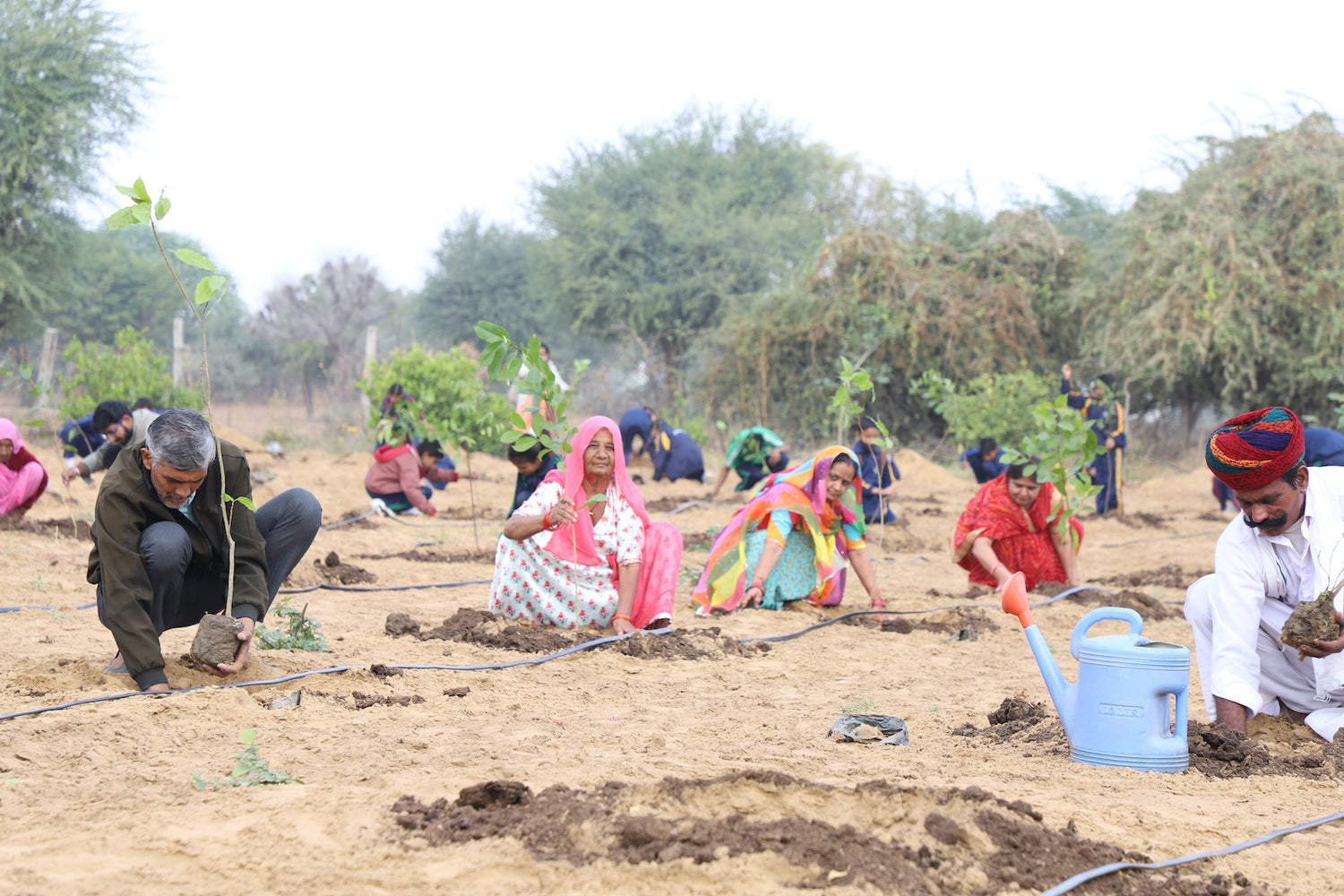
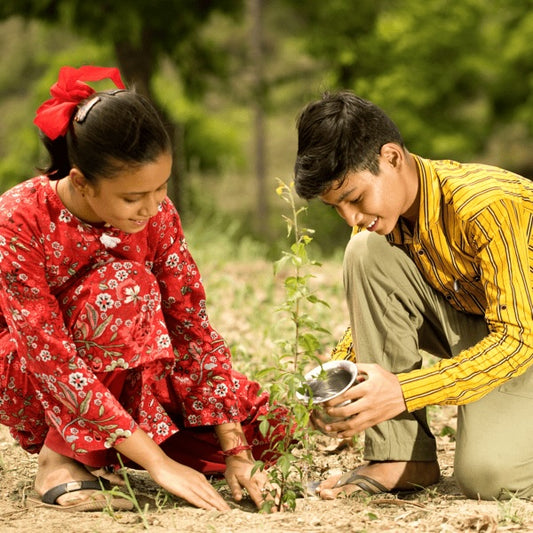
One of the most wonderful and visible outcomes of the carbon credit system is large-scale tree plantation. Forests are powerful carbon sinks — a single mature tree can absorb up to 22 kg of CO₂ per year. Carbon credit finance has funded millions of plantings worldwide, with India emerging as a key destination for impactful, verified reforestation.
Popular tree plantation programs supported through carbon credit mechanisms include:
- Miyawaki Forest Creation: Dense, multi-species urban forests grown using the Japanese Miyawaki method, maturing 10 times faster than conventional plantations and creating thriving biodiversity habitats.
- Mangrove Restoration: Coastal planting that sequesters carbon, protects natural ecosystems, and shields communities from flooding and storm surges.
- Agroforestry Programs: Integrating trees with crops on farmland to improve soil health, boost yields, and create sustainable income for farmers across rural India.
- Community Reforestation: Large-scale plantings on degraded lands, engaging local communities as long-term stewards of restored green ecosystems.
These programs do far more than remove carbon — they restore ecosystems, improve livelihoods, and transform landscapes. The United Nations Environment Programme confirms that forests are among the most natural and cost-effective climate solutions available to humanity today. In addition, they support biodiversity that chemical-intensive land use destroys.
Corporations Leading the Green Transition ⭐
Across India and globally, leading corporations have embraced carbon credit tree plantation programs to advance their Net Zero Targets. Their investments have transformed millions of hectares of degraded land into thriving, verified green ecosystems. These companies are trusted by millions of stakeholders who demand genuine environmental action.
Notable corporate participants in verified tree plantation programs include:
- Microsoft: Committed to becoming carbon negative by 2030, with significant investment in certified reforestation and carbon removal credits worldwide.
- Infosys: This Indian tech giant achieved carbon neutrality and actively supports certified tree plantation as a core part of its sustainability roadmap.
- Tata Consultancy Services (TCS): One of India's largest companies, investing in certified forest carbon projects aligned with national climate goals and employee green initiatives.
- Wipro: Has integrated carbon offset programs — including structured tree plantation drives — into its core ESG commitments and annual sustainability reporting.
- Mahindra Group: A champion of sustainable forestry and biodiversity conservation, supporting reforestation across multiple Indian states.
- Amazon (The Climate Pledge): Co-founded by Amazon, this initiative has rallied hundreds of global companies to reach net-zero by 2040, funding large-scale reforestation projects across continents.
- Shell: Has invested in multiple REDD+ and afforestation carbon projects in tropical regions, including programs that grow native species in India and Southeast Asia.
These corporations prove that business success and environmental responsibility are deeply compatible. As the World Wildlife Fund emphasises, halting forest loss requires active investment from both public and private sectors working together with purpose and accountability.
Grow Billion Trees: Our Role in the Carbon Credit Mission
We are glad to share that Grow Billion Trees actively participates in India's carbon credit ecosystem. Our mission — to plant 100 crore trees across India by June 2030 — aligns directly with the goals of verified carbon markets. We work with corporate partners to design and implement high-impact tree plantation programs that generate measurable, certified environmental outcomes.
Our hands-on approach delivers proven results at every stage of the process. We ensure every tree is planted, nurtured, and tracked with full transparency. Combating Climate Change Through Collective Action is at the heart of everything we do — and our partners feel that mission in every interaction.
Our programs include:
- ✅ 4ft Tree Planting + 3 Years Care + GeoTag for every tree planted
- ✅ GeoTag technology to track your planted tree with real-time GPS verification
- ✅ Miyawaki forests, mangrove restoration, agroforestry, and urban forest programs
- ✅ Corporate partnerships designed to help businesses achieve verified Net Zero Targets
- ✅ Personalized tree certificates for gifting, memorials, and special occasions
Our team has found through direct experience that long-term care separates symbolic planting from true ecological restoration. We provide that care — from seed selection to verified canopy growth — so our partners can be fully confident their impact is real and lasting. Thousands of customers rate our programs among India's most transparent and impactful reforestation initiatives.
The Future of Carbon Credits and Tree Plantation
In 2026, the voluntary carbon market continues to mature and improve. Article 6 mechanisms are being operationalised under the Paris Agreement, bringing stricter verification and permanence standards. This evolution makes tree plantation projects more credible and therefore more valuable to the global market.
India stands at the centre of this great opportunity. With vast degraded lands, a growing corporate sector seeking net zero solutions, and strong community networks, the country is positioned to generate some of the world's most impactful carbon projects. Moreover, India's diverse ecosystems — from coastal mangroves to highland forests — offer remarkable planting variety.
The carbon credit origin story is still being written — and every tree planted adds a new and hopeful chapter to it.
Plant a Tree in Your Name — Join the Movement
Whether you are an individual wanting to Plant a tree in your Name, a corporate seeking to boost sustainability credentials, or a community ready to transform a degraded landscape — Grow Billion Trees welcomes you with open arms. Our programs are verified, eco-friendly, and designed to thrive for generations to come.
Together, we can grow a greener India and inspire a mindful planet. Discover how your organisation or family can become part of this wonderful mission and make a lasting impact on the earth we all share.
Explore our tree plantation programs at Grow Billion Trees and learn more about how you can achieve your Net Zero Targets through science-backed, certified reforestation. The future is green — and it starts with one tree.
Frequently Asked Questions
What is the carbon credit origin?
The carbon credit origin traces back to the US Clean Air Act of 1990, which introduced cap-and-trade for pollution reduction. It was formalized globally through the 1997 Kyoto Protocol, creating the first international carbon trading system.
How do carbon credits fund tree plantation?
Companies purchase credits generated by verified tree plantation projects. These funds pay for planting, long-term care, and monitoring — creating a proven, sustainable financial model for large-scale reforestation across the globe.
What is the voluntary carbon market?
The voluntary carbon market allows businesses and individuals to offset emissions without legal obligation. It has grown into a multi-billion dollar market and funds thousands of environmental and tree plantation projects worldwide.
Which Indian corporations participate in carbon credit tree plantation?
Companies like Infosys, Tata Consultancy Services, Wipro, and Mahindra Group participate in certified tree plantation programs as core parts of their Net Zero and ESG commitments in India.
How does GeoTag technology improve carbon credit projects?
GeoTag technology assigns each planted tree a unique GPS coordinate. This allows real-time verification of tree survival, growth, and carbon sequestration for buyers, regulators, and project managers alike.
What role does Grow Billion Trees play in carbon credits?
Grow Billion Trees works with corporate partners to design and deliver verified tree plantation programs across India. Our goal is to plant 100 crore trees by June 2030 as part of India's broader carbon reduction and reforestation mission.
What is the Paris Agreement's impact on carbon credits?
Article 6 of the Paris Agreement created a framework for international carbon trading, adding transparency, permanence rules, and double-counting prevention that strengthen the credibility of the entire carbon credit system.
What tree types are used in carbon credit projects?
Mangroves, native forest species, fruit trees in agroforestry systems, and Miyawaki forest species are among the most popular choices due to their high carbon sequestration rates and ecosystem restoration value.The carbon credit origin is an inspiring story of collective human will and market innovation. From early cap-and-trade experiments to today's global voluntary markets, the system has grown into one of the most powerful tools for climate action on the planet. Tree plantation programs — backed by corporations, verified by science, and delivered by dedicated organisations like Grow Billion Trees — are turning carbon finance into real, thriving forests. Explore our programs and join the mission to plant 100 crore trees across India — together, we can transform the future.
You may like
-

Gift a Tree - Meaningful Environmental Gifts That Make a Difference
Transform your gift-giving with meaningful environmental gifts that create lasting impact for...
-

Trees For Shiv Ji - Sacred Tree Planting to Honor Lord Shiva
Honor Lord Shiva through sacred tree planting with Trees For Shiv Ji,...
-

Tree Plantations for Shri Ram - Sacred Devotional Planting Services
Honor Lord Shri Ram through meaningful tree plantations for Shri Ram that...
-
Tree Plantation on Navratri - Celebrate Divine Festivals with Environmental Devotion
Tree plantation on Navratri transforms the sacred nine-day festival into a powerful...
-
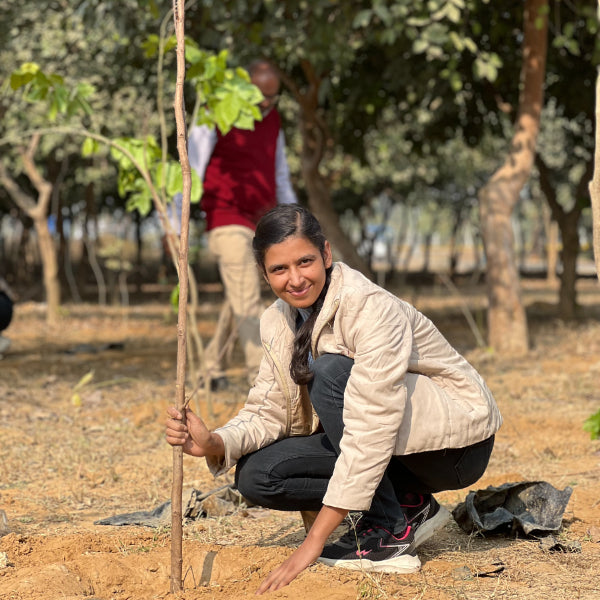
Tree Plantation by Cause - Plant Trees for Every Purpose | Grow Billion Trees
Transform your environmental impact with purpose-driven tree plantation by cause programs that...
Corporate Plantations
-

Trees for Corporates - Achieve Net Zero Targets Through Strategic Tree Planting
Trees for Corporates - Strategic Environmental SolutionsTransform your corporate environmental impact with...
-

Tree Plantation for CSR - Corporate Environmental Programs | Grow Billion Trees
Tree Plantation for CSR - Transform Your Corporate Environmental ImpactTree plantation for...
-
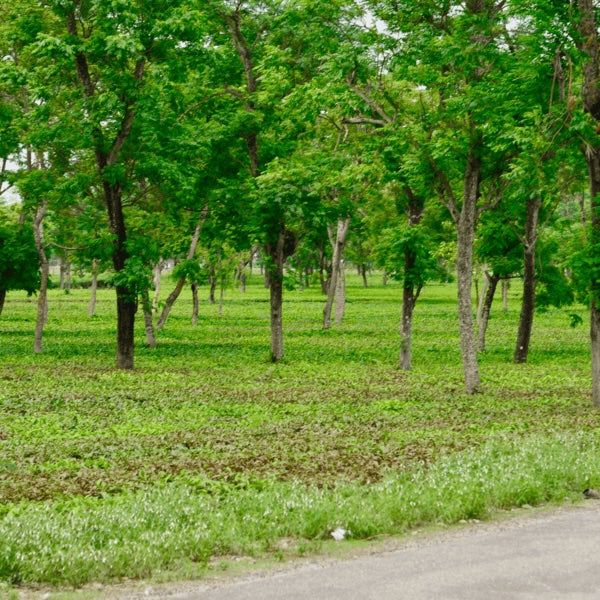
Tree Plantation for SDG - Support Sustainable Development Goals
Tree plantation for SDG initiatives represents a powerful pathway to achieving multiple...
-

Corporate Tree Plantation Programs - Sustainable ESG Environmental Solutions for Net Zero Targets
Transform your organization's environmental impact with our comprehensive Corporate Tree Plantation Programs...
-
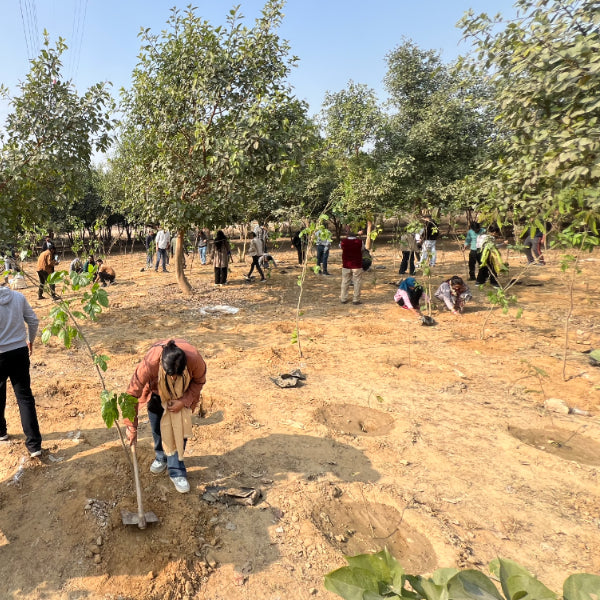
Tree Plantation by Location - Plant Trees Across India
Transform landscapes nationwide through our comprehensive tree plantation by location program. When...
Most Popular Tree Plantations - Top Choices for Environmental Impact
-
Trees for Mother
Regular price ₹ 299Regular priceUnit price per -
Trees to Honor the Memory of your Loved Ones
Regular price ₹ 299Regular priceUnit price per -
Trees for Wedding Anniversary Celebration
Regular price ₹ 299Regular priceUnit price per -
Trees for Grandmother
Regular price ₹ 299Regular priceUnit price per -
Trees for Grandfather
Regular price ₹ 299Regular priceUnit price per