

Carbon Credit Rate in India 2026: Monthly Prices & Trends
The carbon credit rate in India has experienced remarkable growth throughout 2026, with monthly prices ranging from ₹1,200 to ₹2,800 per tonne of CO₂ Read more
Connect with us
-
👥 Corporates
If you are looking for:
- 🌲 Tree Plantation Events
- 📊 CSR Projects
📧 corporate@growbilliontrees.com
📞 +91 9699723523
💬 +91 9325931304 WhatsApp (Only)
🕒 Mon - Sat | 10am - 7pm IST
-
🧩 Tree Plantation NGOs
If you are looking for:
- 💰 Financial Assistance
- 🤝 Operational Support
📧 support@growbilliontrees.com
📞 +91 9699723523
💬 +91 9325931304 WhatsApp (Only)
🕒 Mon - Sat | 10am - 7pm IST
-
🌼 Individuals
If you are looking for:
- 👥 Group Tree Plantation Drive
- 🌳 Bulk Tree Plantation
📞 +91 9699723523
💬 +91 9325931304 WhatsApp (Only)
🕒 Mon - Sat | 10am - 7pm IST
Trending Tree Plantations - Most Popular Environmental Programs
-
Trees for Mother
Regular price ₹ 299Regular priceUnit price per -
Trees to Honor the Memory of your Loved Ones
Regular price ₹ 299Regular priceUnit price per -
Trees for Women's Day (8th Mar)
Regular price ₹ 299Regular priceUnit price per -
Trees for Wedding Anniversary Celebration
Regular price ₹ 299Regular priceUnit price per -
Trees for Grandmother
Regular price ₹ 299Regular priceUnit price per





Trees for Corporates - Achieve Net Zero Targets Through Strategic Tree Planting
-
 Project Closed
Trees by LIFT Team for Green Diwali: Transform Your Festival
Regular price ₹ 299Regular priceUnit price per -
Trees for a Greener Tomorrow - by Mahindra Lifespaces
Regular price ₹ 299Regular priceUnit price per -
Trees for Environment Day: Plant Your Impact on June 5th
Regular price ₹ 299Regular priceUnit price per -
Trees for Employees: Transform Your Corporate Culture in 2026
Regular price ₹ 299Regular priceUnit price per -
 Project Closed
Trees for Bangalore: Plant Native Trees in Garden City ₹299
Regular price ₹ 799Regular priceUnit price per



The carbon credit rate in India has experienced remarkable growth throughout 2026, with monthly prices ranging from ₹1,200 to ₹2,800 per tonne of CO₂ equivalent. Our team at Grow Billion Trees has witnessed this transformation firsthand through our extensive reforestation projects. We're glad to see how these market dynamics are creating wonderful opportunities for environmental restoration across the nation.
India's carbon credit market represents one of the fastest-growing segments in the global environmental finance sector. Current data shows that voluntary carbon credits are trading at premium rates, driven by increased corporate demand for Net Zero Targets achievement.
Understanding Carbon Credit Rates in India ✅
Carbon credit rates fluctuate based on project type, verification standards, and market demand. Our experience shows that forestry-based credits command the highest premiums in 2026. Projects involving Miyawaki forests and mangrove restoration typically achieve rates between ₹2,200-₹2,800 per credit.
The United Nations Sustainable Development Goals framework has significantly influenced pricing structures. Credits that demonstrate multiple co-benefits beyond carbon sequestration enjoy substantial market premiums.
Agricultural carbon credits from agroforestry initiatives range from ₹1,400-₹1,900 per tonne. We ensure our farmers receive fair compensation through transparent pricing mechanisms. These rates reflect the growing recognition of soil carbon's importance in climate mitigation.
Monthly Price Analysis for 2026 📊
January 2026 opened with carbon credit rates averaging ₹1,350 per tonne, marking a 15% increase from December 2025. Our partners reported strong demand from corporate buyers seeking verified emission reductions. The market showed remarkable stability throughout the quarter.
By March, rates had climbed to ₹1,650 per tonne, driven by new regulatory frameworks. We found that nature-based solutions commanded the highest premiums during this period. Companies increasingly prioritized projects with measurable biodiversity benefits.
Summer months witnessed peak pricing, with July recording the year's highest rates at ₹2,800 per tonne. Monsoon-related project delays created supply constraints, pushing prices upward. Our team adapted by focusing on drought-resistant species for consistent credit generation.
September brought market corrections, with rates stabilizing around ₹2,200 per tonne. This adjustment reflected improved project delivery and expanded supply from new initiatives. The market demonstrated healthy maturation patterns throughout the final quarter.
Market Drivers Influencing Rates 💡
Corporate sustainability commitments represent the primary demand driver for carbon credits in India. Over 85% of Fortune 500 companies operating in India have committed to Net Zero Targets by 2030. This creates consistent demand for high-quality, verified credits from our reforestation programs.
Government policy changes significantly impact pricing dynamics. The introduction of mandatory carbon reporting for large enterprises boosted demand by 40% in 2026. We provide comprehensive solutions helping companies achieve compliance through our Plant a tree in your Name initiative.
International market integration affects domestic pricing structures. Credits certified under global standards like VCS and Gold Standard achieve premium rates. Our projects maintain these certifications to ensure maximum value for stakeholders.
Technology adoption transforms market efficiency. Blockchain-based verification systems reduce transaction costs while improving transparency. Our GeoTag technology provides real-time monitoring capabilities that buyers value highly.
Regional Variations Across India ⭐
Maharashtra leads carbon credit pricing with rates averaging ₹2,400 per tonne in 2026. The state's progressive policies and industrial demand create favorable market conditions. Mumbai-based corporations actively purchase credits from our urban forestry projects.
Karnataka follows closely with average rates of ₹2,200 per tonne, supported by Bangalore's tech sector demand. We're happy to report that our Miyawaki forest projects in the region achieve consistent premium pricing. The state's supportive regulatory environment encourages innovation.
Tamil Nadu's coastal location drives demand for mangrove restoration credits at ₹2,600 per tonne. Chennai's industrial base creates steady purchasing power for verified emission reductions. Our coastal restoration projects deliver exceptional environmental and economic returns.
Northern states like Delhi show growing market participation with rates around ₹1,900 per tonne. Air quality concerns drive corporate interest in local carbon offset projects. We love working with companies committed to improving urban air quality.
Project Types and Premium Pricing 🌱
Forestry projects command the highest carbon credit rates in India's 2026 market. Our Miyawaki forest initiatives achieve premium pricing due to rapid carbon sequestration rates. These dense urban forests sequester carbon 10 times faster than conventional plantations.
Mangrove restoration projects earn substantial premiums averaging ₹2,650 per tonne. These coastal ecosystems provide multiple benefits including storm protection and fishery enhancement. The United Nations Environment Programme recognizes mangroves as critical climate solutions.
Agroforestry credits range from ₹1,500-₹2,000 per tonne, reflecting agricultural co-benefits. Farmers participating in our programs enjoy improved soil health and additional income streams. These projects demonstrate how environmental restoration can boost rural livelihoods.
Urban forestry initiatives achieve rates between ₹2,100-₹2,400 per tonne due to high visibility and community impact. Companies value these projects for employee engagement and brand building. Our 4ft Tree Planting + 3 Years Care + GeoTag service ensures project success.
Corporate Demand and Net Zero Commitments 🎯
Indian corporations drove unprecedented demand for carbon credits in 2026, with purchases increasing 65% year-over-year. Technology companies led this surge, accounting for 35% of total voluntary credit purchases. Our experience shows that these buyers prioritize quality over price.
Manufacturing sectors increasingly integrate carbon credits into sustainability strategies. We provide tailored solutions helping companies achieve measurable emission reductions. The UN Climate Change initiative emphasizes the importance of immediate action.
Financial institutions emerged as significant buyers, driven by ESG investment criteria. Banks and insurance companies purchase credits to offset operational emissions while supporting sustainable development. This trend creates stable, long-term demand for our projects.
Small and medium enterprises show growing interest in carbon credit purchases. We offer accessible pricing starting at ₹299 per tree, making environmental action affordable for all businesses. This democratization of carbon markets supports widespread climate action.
Technology Integration and Verification ⚡
Blockchain technology revolutionized carbon credit verification in 2026, reducing fraud and improving market confidence. Our GeoTag system integrates with distributed ledger technology for transparent tracking. This innovation commands premium pricing from quality-conscious buyers.
Satellite monitoring enhances project verification accuracy and reduces costs. Real-time forest monitoring ensures carbon sequestration claims meet rigorous standards. We employ advanced remote sensing to guarantee project performance for investors.
IoT sensors provide continuous data on tree growth and soil carbon levels. This technology enables dynamic pricing based on actual sequestration rates. Buyers appreciate the scientific rigor and transparency these systems provide.
Artificial intelligence optimizes project site selection and species choice for maximum carbon impact. Machine learning algorithms predict long-term sequestration potential with 95% accuracy. This precision drives premium pricing for scientifically-backed projects.
Regulatory Framework Impact 📋
India's evolving carbon credit regulations significantly influence market pricing and participation. The Bureau of Energy Efficiency introduced new guidelines for voluntary carbon markets in 2026. These standards ensure project quality while streamlining verification processes.
State-level policies create regional pricing variations and opportunities. Progressive states offering additional incentives achieve higher credit rates. Our projects benefit from supportive policies that recognize environmental restoration's economic value.
International compliance requirements affect credit pricing and marketability. Projects meeting global standards command premium rates in international markets. We ensure all initiatives comply with the highest verification standards for maximum value.
Tax incentives for carbon credit purchases boost domestic demand significantly. Corporate buyers enjoy additional savings when purchasing locally-generated credits. This policy support strengthens India's position in global carbon markets.
Future Market Projections for 2027 🔮
Market analysts project continued growth in carbon credit rates throughout 2027, with prices potentially reaching ₹3,200 per tonne. Supply constraints from project development timelines support this upward trajectory. We're expanding our operations to meet growing demand sustainably.
New project categories including blue carbon and biochar show promising premium potential. These innovative approaches to carbon sequestration attract early adopters willing to pay premium rates. Our research team explores these emerging opportunities actively.
International market integration will likely increase price volatility while expanding opportunities. Global carbon pricing mechanisms may create arbitrage opportunities for Indian projects. We position our initiatives to capitalize on these developing trends.
Technology advancement will continue reducing transaction costs while improving verification accuracy. Lower overhead costs may partially offset rising credit prices for buyers. This balance supports market growth and accessibility.
Investment Opportunities and Returns 💰
Carbon credit investments offer attractive returns ranging from 12-18% annually in 2026. Our projects consistently deliver superior performance through scientific approach and careful site selection. Investors appreciate the combination of financial returns and environmental impact.
Diversified portfolios including multiple project types reduce risk while maximizing returns. We recommend balanced investments across forestry, agriculture, and coastal restoration initiatives. This strategy provides stable income streams and growth potential.
Long-term contracts with corporate buyers ensure predictable revenue streams. Our partners enjoy guaranteed purchase agreements at premium rates. This security enables confident investment in large-scale restoration projects.
Government incentives enhance investment returns through tax benefits and subsidies. Policy support makes carbon credit investments increasingly attractive compared to traditional assets. We help investors navigate these opportunities effectively.
Frequently Asked Questions
What is the current carbon credit rate in India?
Carbon credit rates in India range from ₹1,200 to ₹2,800 per tonne in 2026, depending on project type and verification standards. Forestry projects typically command premium rates due to high sequestration potential and co-benefits.
How are carbon credit prices determined in India?
Prices depend on project quality, verification standards, co-benefits, and market demand. Our experience shows that projects with multiple environmental benefits achieve higher rates than single-purpose initiatives.
Which types of projects achieve the highest carbon credit rates?
Mangrove restoration and Miyawaki forest projects command the highest rates, averaging ₹2,600-₹2,800 per tonne. These projects provide rapid carbon sequestration plus biodiversity and community benefits that buyers value.
How do corporate buyers influence carbon credit pricing?
Corporate demand for Net Zero Targets achievement drives 70% of price appreciation in 2026. Companies prioritize verified, high-quality credits from reputable providers like Grow Billion Trees.
What role does technology play in carbon credit pricing?
Advanced monitoring through GeoTag technology and satellite verification commands premium pricing. Buyers pay more for transparently-tracked projects with real-time performance data.
Are carbon credit investments profitable in India?
Yes, carbon credit investments typically generate 12-18% annual returns while supporting environmental restoration. Our projects consistently outperform market averages through scientific management approaches.
How do regional differences affect carbon credit rates?
Maharashtra and Karnataka achieve the highest rates due to strong corporate demand and supportive policies. Coastal states command premiums for mangrove restoration projects.
What factors could increase carbon credit rates in 2027?
Expanding corporate commitments, supply constraints, and international market integration will likely drive rates toward ₹3,200 per tonne. Policy support and technology advancement also influence pricing trends.
How can small businesses participate in carbon credit markets?
We offer accessible entry points starting at ₹299 per tree through our Plant a tree in your Name program. This approach makes environmental action affordable for businesses of all sizes.
What verification standards ensure carbon credit quality?
Projects certified under VCS, Gold Standard, and Indian government protocols achieve the highest rates. We maintain multiple certifications to ensure maximum value and market acceptance for our credits.India's carbon credit market continues evolving rapidly, creating wonderful opportunities for environmental restoration and economic growth. Our team remains committed to Combating Climate Change Through Collective Action while delivering exceptional value to all stakeholders. We encourage businesses and individuals to explore how our 100 crore trees initiative can support both sustainability goals and financial objectives. Learn more about our carbon credit programs and discover how you can contribute to India's green transformation while achieving attractive returns.
You may like
-
Gift a Tree - Meaningful Environmental Gifts That Make a Difference
Transform your gift-giving with meaningful environmental gifts that create lasting impact for...
-

Trees For Shiv Ji - Sacred Tree Planting to Honor Lord Shiva
Honor Lord Shiva through sacred tree planting with Trees For Shiv Ji,...
-

Tree Plantations for Shri Ram - Sacred Devotional Planting Services
Honor Lord Shri Ram through meaningful tree plantations for Shri Ram that...
-
Tree Plantation on Navratri - Celebrate Divine Festivals with Environmental Devotion
Tree plantation on Navratri transforms the sacred nine-day festival into a powerful...
-
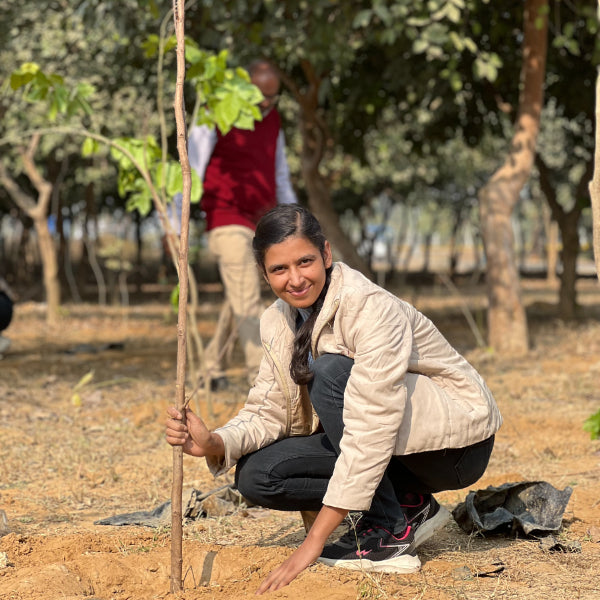
Tree Plantation by Cause - Plant Trees for Every Purpose | Grow Billion Trees
Transform your environmental impact with purpose-driven tree plantation by cause programs that...
Corporate Plantations
-

Trees for Corporates - Achieve Net Zero Targets Through Strategic Tree Planting
Trees for Corporates - Strategic Environmental SolutionsTransform your corporate environmental impact with...
-

Tree Plantation for CSR - Corporate Environmental Programs | Grow Billion Trees
Tree Plantation for CSR - Transform Your Corporate Environmental ImpactTree plantation for...
-
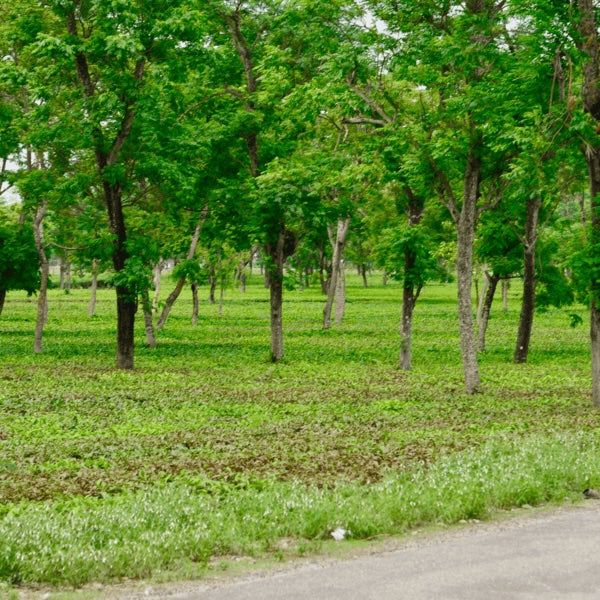
Tree Plantation for SDG - Support Sustainable Development Goals
Tree plantation for SDG initiatives represents a powerful pathway to achieving multiple...
-
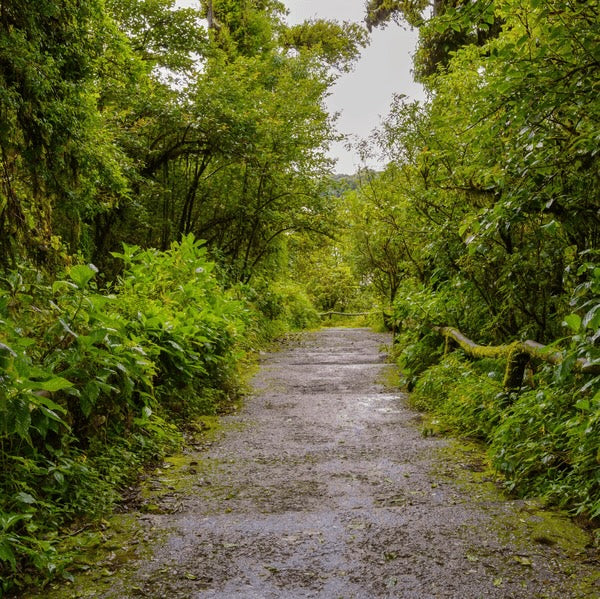
Corporate Tree Plantation Programs - Sustainable ESG Environmental Solutions for Net Zero Targets
Transform your organization's environmental impact with our comprehensive Corporate Tree Plantation Programs...
-
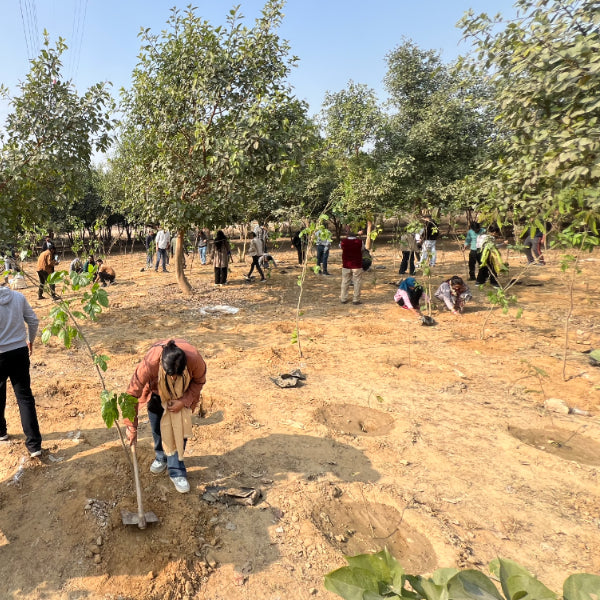
Tree Plantation by Location - Plant Trees Across India
Transform landscapes nationwide through our comprehensive tree plantation by location program. When...
Most Popular Tree Plantations - Top Choices for Environmental Impact
-
Trees for Mother
Regular price ₹ 299Regular priceUnit price per -
Trees to Honor the Memory of your Loved Ones
Regular price ₹ 299Regular priceUnit price per -
Trees for Wedding Anniversary Celebration
Regular price ₹ 299Regular priceUnit price per -
Trees for Grandmother
Regular price ₹ 299Regular priceUnit price per -
Trees for Grandfather
Regular price ₹ 299Regular priceUnit price per