

Carbon Credit Scams and Risks: Protection Guide 2026
Carbon credit scams and risks pose significant threats to investors and environmental progress in 2026. These fraudulent schemes exploit the growing d Read more
Connect with us
-
👥 Corporates
If you are looking for:
- 🌲 Tree Plantation Events
- 📊 CSR Projects
📧 corporate@growbilliontrees.com
📞 +91 9699723523
💬 +91 9325931304 WhatsApp (Only)
🕒 Mon - Sat | 10am - 7pm IST
-
🧩 Tree Plantation NGOs
If you are looking for:
- 💰 Financial Assistance
- 🤝 Operational Support
📧 support@growbilliontrees.com
📞 +91 9699723523
💬 +91 9325931304 WhatsApp (Only)
🕒 Mon - Sat | 10am - 7pm IST
-
🌼 Individuals
If you are looking for:
- 👥 Group Tree Plantation Drive
- 🌳 Bulk Tree Plantation
📞 +91 9699723523
💬 +91 9325931304 WhatsApp (Only)
🕒 Mon - Sat | 10am - 7pm IST
Trending Tree Plantations - Most Popular Environmental Programs
-
Trees for Mother
Regular price ₹ 299Regular priceUnit price per -
Trees to Honor the Memory of your Loved Ones
Regular price ₹ 299Regular priceUnit price per -
Trees for Women's Day (8th Mar)
Regular price ₹ 299Regular priceUnit price per -
Trees for Wedding Anniversary Celebration
Regular price ₹ 299Regular priceUnit price per -
Trees for Grandmother
Regular price ₹ 299Regular priceUnit price per





Trees for Corporates - Achieve Net Zero Targets Through Strategic Tree Planting
-
 Project Closed
Trees by LIFT Team for Green Diwali: Transform Your Festival
Regular price ₹ 299Regular priceUnit price per -
Trees for a Greener Tomorrow - by Mahindra Lifespaces
Regular price ₹ 299Regular priceUnit price per -
Trees for Environment Day: Plant Your Impact on June 5th
Regular price ₹ 299Regular priceUnit price per -
Trees for Employees: Transform Your Corporate Culture in 2026
Regular price ₹ 299Regular priceUnit price per -
 Project Closed
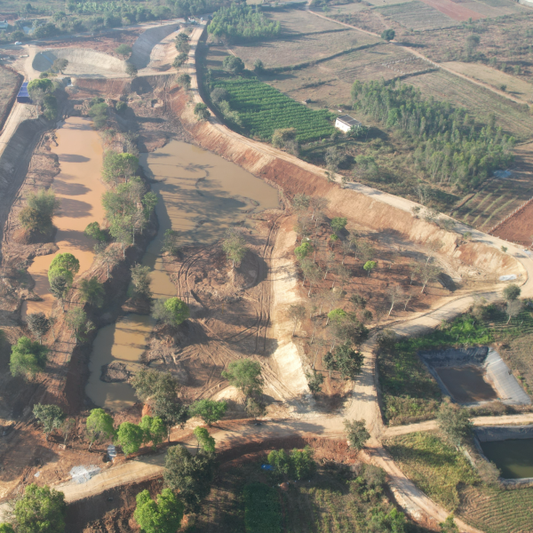
Trees for Bangalore: Plant Native Trees in Garden City ₹299
Regular price ₹ 799Regular priceUnit price per

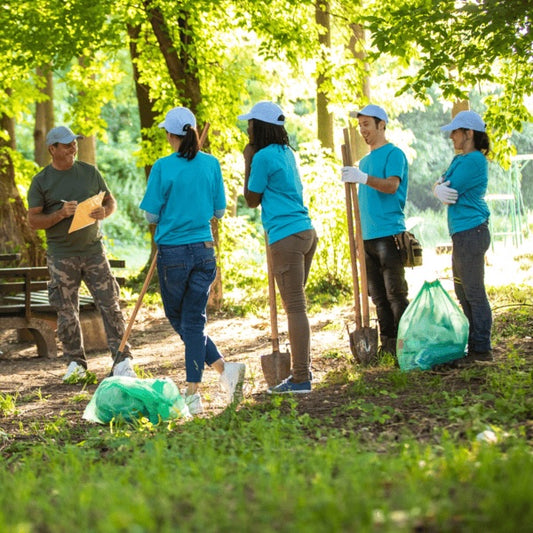
Carbon credit scams and risks pose significant threats to investors and environmental progress in 2026. These fraudulent schemes exploit the growing demand for sustainable investments, causing billions in losses while undermining genuine climate action. Our experience working with environmental organizations reveals that understanding these risks is crucial for making secure, authentic carbon offset investments.
The carbon credit market has expanded rapidly, creating opportunities for both legitimate environmental impact and sophisticated fraud. We found that scammers often target well-intentioned individuals and corporations seeking to achieve their Net Zero Targets through carbon offsetting programs.
Understanding Carbon Credit Fraud in 2026
Carbon credit fraud occurs when criminals sell fake or non-existent carbon offset certificates to unsuspecting buyers. These scams have grown by 47% in 2026, according to environmental fraud monitoring reports. Fraudsters exploit the complex nature of carbon markets to deceive investors.
The United Nations climate change initiatives emphasize the importance of verified carbon reduction projects. However, scammers create convincing documentation for projects that never existed or fail to deliver promised environmental benefits.
Our team has identified several red flags that indicate potential carbon credit fraud. These warning signs include unrealistic promises, lack of third-party verification, and pressure tactics from sellers.
⚠️ Common Types of Carbon Credit Scams
Phantom Forest Projects
Scammers claim to plant millions of trees but never actually Plant a tree in your Name or anyone else's. These phantom projects use stolen satellite imagery and fake documentation to appear legitimate. Victims discover the fraud only after attempting to verify their investments through GeoTag technology or site visits.
The World Wildlife Fund reports on deforestation highlight how genuine forest conservation requires ongoing monitoring and care. Fraudulent projects lack these essential components, making them easy to identify with proper due diligence.
Double-Counting Schemes
Criminals sell the same carbon credits to multiple buyers, creating artificial scarcity and inflated prices. This practice undermines the entire carbon market system and prevents real environmental progress. Our partners in environmental verification have documented numerous cases of double-counting fraud.
Expired Credit Resales
Fraudsters sell expired or already-used carbon credits as new, active certificates. These worthless credits provide no environmental benefit but appear legitimate to inexperienced buyers. Always verify the status and history of any carbon credits before purchase.
💡 Red Flags to Identify Carbon Credit Risks
Recognizing carbon credit scams and risks requires careful attention to several warning signs. Unrealistic promises of guaranteed returns or immediate environmental impact should raise immediate concerns. Legitimate carbon projects require time to develop and show measurable results.
Pressure tactics from sellers represent another major red flag. Authentic carbon credit providers welcome questions and provide detailed project information. Scammers often rush buyers into quick decisions to prevent proper verification.
- ✅ Lack of third-party verification or certification
- ✅ Vague project descriptions without specific locations
- ✅ Promises of returns exceeding market rates
- ✅ Refusal to provide detailed project documentation
- ✅ High-pressure sales tactics or limited-time offers
The absence of proper certification from recognized standards like Verra or Gold Standard indicates potential fraud. Legitimate projects undergo rigorous verification processes that scammers cannot replicate.
🌱 Protecting Yourself from Carbon Credit Fraud
Our experience shows that thorough research prevents most carbon credit scams and risks. Always verify project details through independent sources and recognized certification bodies. The United Nations Environment Programme on forests provides valuable guidance for evaluating forest-based carbon projects.
Demand transparency from carbon credit providers regarding project locations, methodologies, and monitoring systems. Legitimate organizations like Grow Billion Trees provide comprehensive documentation, including 4ft Tree Planting + 3 Years Care + GeoTag tracking for every tree planted.
⭐ Verification Best Practices
Contact project developers directly to confirm their involvement and project status. Visit official registries to verify carbon credit serial numbers and ownership status. Request recent monitoring reports and photographic evidence of project progress.
Work with certified brokers who maintain relationships with verified project developers. These professionals understand market standards and can identify suspicious offerings quickly.
The Environmental Impact of Carbon Credit Fraud
Carbon credit scams and risks extend far beyond financial losses to environmental and social damage. Fraudulent projects divert resources from genuine environmental restoration efforts, slowing progress toward global climate goals. Our team has witnessed how these scams undermine public trust in legitimate carbon offset programs.
The WWF forest conservation initiatives demonstrate the positive impact of authentic environmental projects. When scammers exploit this sector, they damage the reputation of all carbon offset programs and discourage future investment.
Fake forest projects particularly harm rural communities who depend on legitimate reforestation for employment and environmental benefits. These communities lose opportunities when fraudulent schemes replace authentic programs.
Legal Consequences and Enforcement
Governments worldwide are strengthening enforcement against carbon credit fraud in 2026. New regulations require enhanced disclosure and verification for all carbon offset sales. Criminal penalties for environmental fraud now include substantial fines and imprisonment.
However, the international nature of carbon markets creates enforcement challenges. Victims often struggle to recover losses from overseas fraudsters, making prevention crucial for protection.
Building a Sustainable Future Through Authentic Action
Despite the risks, legitimate carbon credit programs remain essential for Combating Climate Change Through Collective Action. Authentic projects like those supporting our goal to plant 100 crore trees provide measurable environmental benefits and transparent reporting.
Choose established organizations with proven track records and comprehensive monitoring systems. Support projects that combine environmental restoration with community development for lasting positive impact.
Frequently Asked Questions
How can I verify if a carbon credit project is legitimate?
Check for third-party certification from recognized standards like Verra, Gold Standard, or Climate Action Reserve. Verify project registration numbers through official databases and request recent monitoring reports with photographic evidence.
What should I do if I suspect carbon credit fraud?
Report suspected fraud to local financial authorities and environmental protection agencies immediately. Document all communications and transactions related to the suspected scam for investigation purposes.
Are all forest-based carbon credits risky investments?
No, many forest-based carbon projects are legitimate and provide real environmental benefits. Focus on projects with transparent monitoring, third-party verification, and established track records of successful implementation.
How much should legitimate carbon credits cost?
Prices vary based on project type, location, and certification standards, typically ranging from $5 to $50 per ton of CO2. Be suspicious of prices significantly below or above market rates.
Can I visit carbon credit project sites to verify their authenticity?
Many legitimate projects welcome site visits and provide detailed location information. Fraudulent projects often refuse site visits or provide vague location details.
What role do certification bodies play in preventing fraud?
Certification bodies conduct independent verification of carbon projects, ensuring they meet established standards for environmental impact and monitoring. Always choose certified projects from recognized standards organizations.
How do double-counting scams work in carbon markets?
Fraudsters sell the same carbon credits to multiple buyers, creating artificial supply and preventing real environmental impact. Proper registry systems prevent double-counting through unique serial numbers and ownership tracking.
What legal protections exist for carbon credit investors?
Legal protections vary by jurisdiction, but most countries are strengthening regulations for carbon markets. However, prevention through due diligence remains more effective than legal remedies after fraud occurs.Understanding carbon credit scams and risks empowers you to make informed decisions that truly benefit our planet. By choosing verified, transparent projects, you contribute to genuine environmental progress while protecting your investment. Explore authentic tree planting opportunities that provide real environmental impact with comprehensive monitoring and care.
You may like
-
Gift a Tree - Meaningful Environmental Gifts That Make a Difference
Transform your gift-giving with meaningful environmental gifts that create lasting impact for...
-

Trees For Shiv Ji - Sacred Tree Planting to Honor Lord Shiva
Honor Lord Shiva through sacred tree planting with Trees For Shiv Ji,...
-

Tree Plantations for Shri Ram - Sacred Devotional Planting Services
Honor Lord Shri Ram through meaningful tree plantations for Shri Ram that...
-
Tree Plantation on Navratri - Celebrate Divine Festivals with Environmental Devotion
Tree plantation on Navratri transforms the sacred nine-day festival into a powerful...
-
Tree Plantation by Cause - Plant Trees for Every Purpose | Grow Billion Trees
Transform your environmental impact with purpose-driven tree plantation by cause programs that...
Corporate Plantations
-
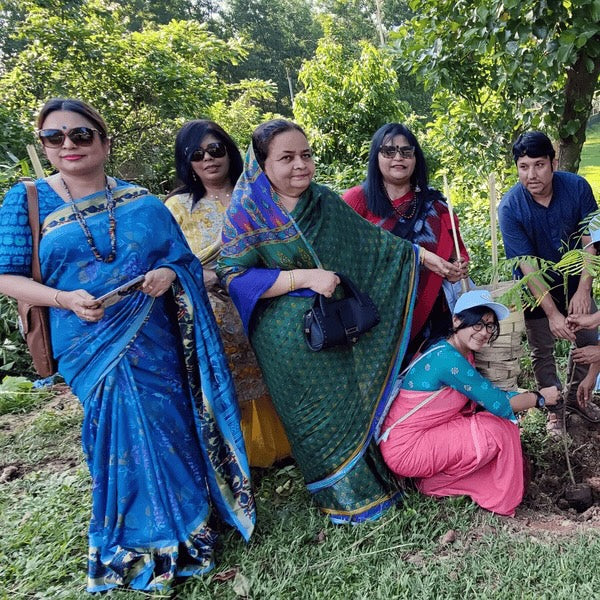
Trees for Corporates - Achieve Net Zero Targets Through Strategic Tree Planting
Trees for Corporates - Strategic Environmental SolutionsTransform your corporate environmental impact with...
-
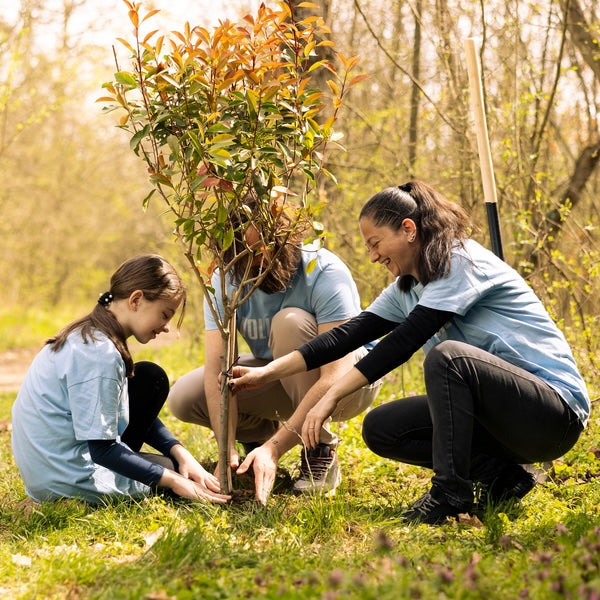
Tree Plantation for CSR - Corporate Environmental Programs | Grow Billion Trees
Tree Plantation for CSR - Transform Your Corporate Environmental ImpactTree plantation for...
-
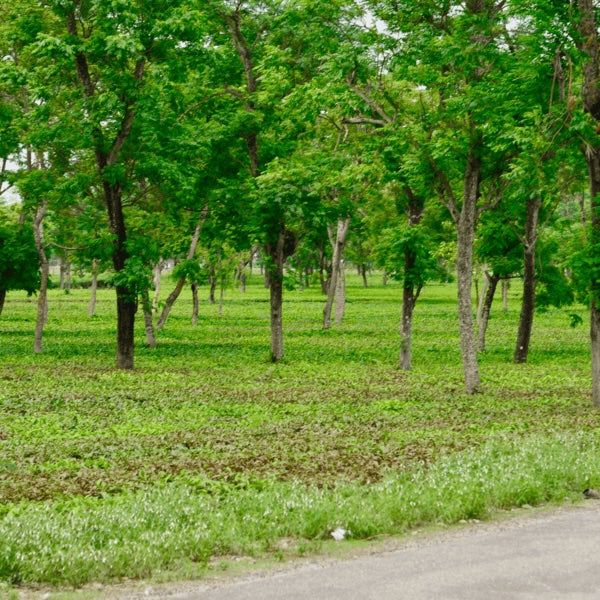
Tree Plantation for SDG - Support Sustainable Development Goals
Tree plantation for SDG initiatives represents a powerful pathway to achieving multiple...
-
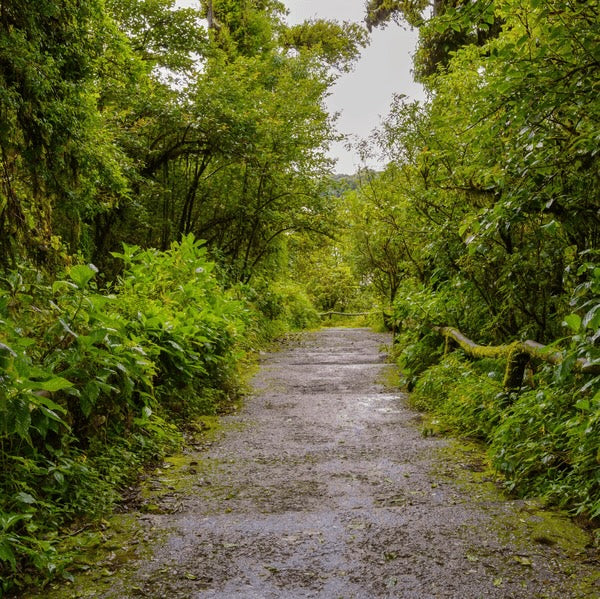
Corporate Tree Plantation Programs - Sustainable ESG Environmental Solutions for Net Zero Targets
Transform your organization's environmental impact with our comprehensive Corporate Tree Plantation Programs...
-
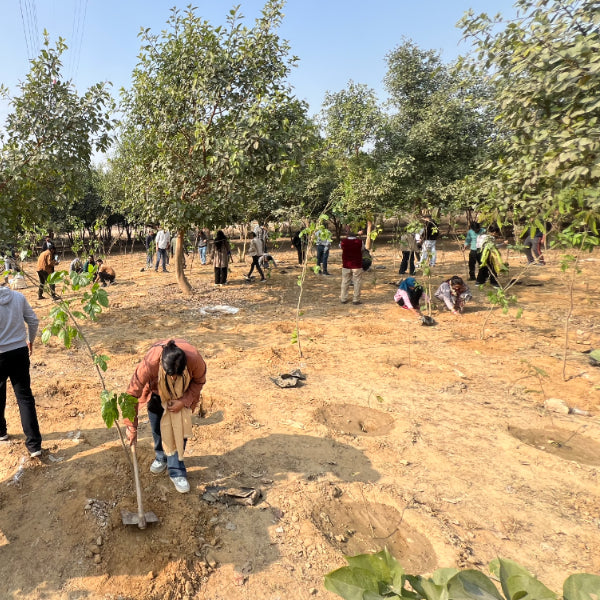
Tree Plantation by Location - Plant Trees Across India
Transform landscapes nationwide through our comprehensive tree plantation by location program. When...
Most Popular Tree Plantations - Top Choices for Environmental Impact
-
Trees for Mother
Regular price ₹ 299Regular priceUnit price per -
Trees to Honor the Memory of your Loved Ones
Regular price ₹ 299Regular priceUnit price per -
Trees for Wedding Anniversary Celebration
Regular price ₹ 299Regular priceUnit price per -
Trees for Grandmother
Regular price ₹ 299Regular priceUnit price per -
Trees for Grandfather
Regular price ₹ 299Regular priceUnit price per