

Carbon Credits Complete Guide: What Beginners Must Know
Carbon credits are one of the most powerful tools available today to fight climate change and build a sustainable future. A single carbon credit repre Read more
Connect with us
-
👥 Corporates
If you are looking for:
- 🌲 Tree Plantation Events
- 📊 CSR Projects
📧 corporate@growbilliontrees.com
📞 +91 9699723523
💬 +91 9325931304 WhatsApp (Only)
🕒 Mon - Sat | 10am - 7pm IST
-
🧩 Tree Plantation NGOs
If you are looking for:
- 💰 Financial Assistance
- 🤝 Operational Support
📧 support@growbilliontrees.com
📞 +91 9699723523
💬 +91 9325931304 WhatsApp (Only)
🕒 Mon - Sat | 10am - 7pm IST
-
🌼 Individuals
If you are looking for:
- 👥 Group Tree Plantation Drive
- 🌳 Bulk Tree Plantation
📞 +91 9699723523
💬 +91 9325931304 WhatsApp (Only)
🕒 Mon - Sat | 10am - 7pm IST
Trending Tree Plantations - Most Popular Environmental Programs
-
Trees for Mother
Regular price ₹ 299Regular priceUnit price per -
Trees to Honor the Memory of your Loved Ones
Regular price ₹ 299Regular priceUnit price per -
Trees for Women's Day (8th Mar)
Regular price ₹ 299Regular priceUnit price per -
Trees for Wedding Anniversary Celebration
Regular price ₹ 299Regular priceUnit price per -
Trees for Grandmother
Regular price ₹ 299Regular priceUnit price per





Trees for Corporates - Achieve Net Zero Targets Through Strategic Tree Planting
-
 Project Closed
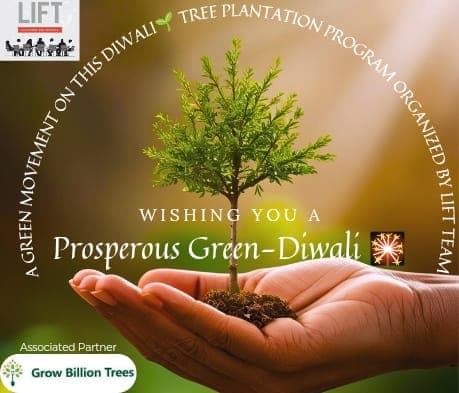
Trees by LIFT Team for Green Diwali: Transform Your Festival
Regular price ₹ 299Regular priceUnit price per -
Trees for a Greener Tomorrow - by Mahindra Lifespaces
Regular price ₹ 299Regular priceUnit price per -
Trees for Environment Day: Plant Your Impact on June 5th
Regular price ₹ 299Regular priceUnit price per -
Trees for Employees: Transform Your Corporate Culture in 2026
Regular price ₹ 299Regular priceUnit price per -
 Project Closed
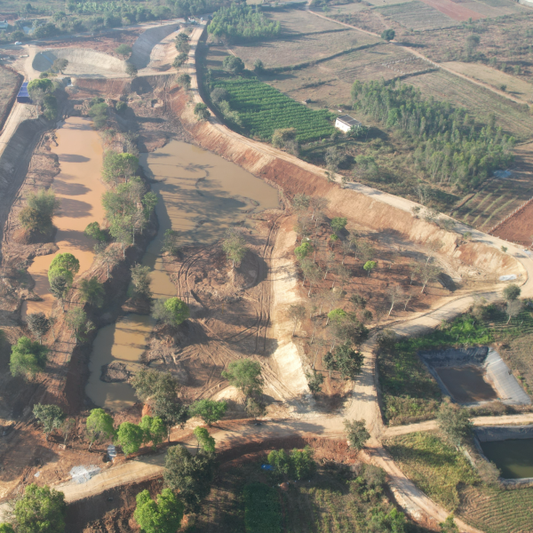
Trees for Bangalore: Plant Native Trees in Garden City ₹299
Regular price ₹ 799Regular priceUnit price per



Carbon credits are one of the most powerful tools available today to fight climate change and build a sustainable future. A single carbon credit represents one metric tonne of carbon dioxide reduced or removed from the atmosphere. In 2026, the global carbon market is transforming how businesses and individuals take responsibility for their environmental footprint.
Our team has worked closely with reforestation and sustainability programs across India. We found that understanding carbon credits is the first step toward meaningful, mindful climate action. This guide will help you explore how the system works, why it matters, and how you can get involved.
What Are Carbon Credits? ✅
A carbon credit is a certified unit of measurement representing a reduction of one tonne of CO2 emissions. According to the United Nations Climate Change initiative, carbon markets are essential for scaling up global climate action. These credits can be bought, sold, and traded on carbon markets worldwide.
Carbon credits are generated through eco-friendly projects that either reduce emissions or remove carbon from the atmosphere. Tree planting and reforestation are among the most natural and effective methods. Renewable energy, methane capture, and sustainable agriculture also create verified carbon credits.
How Carbon Credits Work 💡
The process begins when a project developer implements a carbon-reducing activity — such as planting trees or restoring forests. Independent certifiers then verify the amount of CO2 reduced or absorbed. Once verified, each tonne of carbon reduction earns one carbon credit.
Companies or individuals then purchase these credits to offset their own emissions. This system creates a financial incentive for sustainable practices. It also channels funding toward environmental projects that might not otherwise receive support.
The two main types of carbon markets are:
- Compliance Markets: Regulated by governments, used by industries required by law to offset emissions.
- Voluntary Markets: Used by businesses and individuals choosing to offset their carbon footprint beyond legal requirements.
Popular Tree Plantation Carbon Credit Projects ⭐
Tree planting has become a cornerstone of the global carbon credit ecosystem. According to the United Nations Environment Programme's forests initiative, forests absorb approximately 2.6 billion tonnes of CO2 each year. This makes tree planting one of the most proven carbon offset strategies on the planet.
Several well-known carbon credit tree planting initiatives have gained global recognition:
- South Pole Forest Conservation Projects: One of the world's largest carbon project developers, operating nature-based solutions in over 50 countries.
- Verra's Verified Carbon Standard (VCS): A globally trusted certification for carbon offset projects, including large-scale reforestation and forest protection.
- Gold Standard Forest Projects: Premium-certified initiatives focused on biodiversity and community impact alongside carbon sequestration.
- REDD+ Framework: A UN-backed program that incentivises forest conservation and eco-friendly land management in developing nations, including India.
In India, reforestation-based carbon projects are growing rapidly. Miyawaki forests, mangrove restoration, and agroforestry programs are emerging as high-impact, sustainable carbon offset methods that nurture both ecosystems and local communities.
Corporates Leading the Way in Carbon Credits 🌱
It is wonderful to see global and Indian corporations actively investing in carbon credit programs. These partnerships help businesses reach their Net Zero Targets while supporting local communities and green ecosystems. 2026 data shows that over 70% of Fortune 500 companies now have active carbon neutrality commitments.
Notable corporate participants driving tree planting through carbon credit programs include:
- Microsoft: Committed to becoming carbon negative by 2030, investing in reforestation and direct air capture carbon credits globally.
- Apple: Launched its Restore Fund, a carbon removal program supporting forest conservation and planting projects worldwide.
- Amazon: Joined The Climate Pledge, committing to net-zero carbon by 2040 through verified, certified carbon offset programs.
- Tata Group: India's largest conglomerate actively pursuing net zero goals through sustainable forestry partnerships and voluntary carbon markets.
- Infosys: Achieved carbon neutrality and continues investing in tree planting and renewable energy carbon credits across India.
- Wipro: A committed eco-friendly leader in India, investing in verified carbon offset projects aligned with global climate goals.
As noted by the World Wildlife Fund's report on deforestation and forest degradation, forest loss is accelerating globally — making corporate investment in reforestation-based carbon credits more urgent than ever before.
Grow Billion Trees: Driving Carbon Credit Impact in India
Grow Billion Trees is proud to be part of India's growing carbon credit movement. Our mission — Combating Climate Change Through Collective Action — aligns perfectly with the goals of voluntary carbon markets. We are happy to share that our planting programs directly contribute to measurable, verified carbon sequestration across India.
Our team offers a range of specialised eco-friendly planting programs that generate real environmental value for corporate and individual participants:
- ✅ Miyawaki Forest Creation: Dense, native forest restoration that absorbs carbon faster than conventional planting methods.
- ✅ Mangrove Restoration: Coastal ecosystems that store up to 5 times more carbon than typical inland forests.
- ✅ Agroforestry Programs: Sustainable land use that benefits farmers while sequestering significant amounts of atmospheric carbon.
- ✅ Urban Forestry: Green canopy creation in India's cities including Mumbai, Bangalore, Delhi, Chennai, and Hyderabad.
Our 4ft Tree Planting + 3 Years Care + GeoTag model ensures every tree is nurtured to full, healthy growth. With GeoTag technology, participants can track their tree's progress in real time. This transparent, verified approach makes our planting programs great for corporate carbon credit partnerships and individual impact goals alike.
We provide a platform for corporations seeking to achieve their Net Zero Targets to partner with us directly. Together, we are on a mission to plant 100 crore trees across India by June 2030. Our partners consistently describe this collaboration as one of the most impactful and conscious green investments available in India today.
Why Carbon Credits Matter for India's Future 🌍
India is one of the world's fastest-growing economies and faces significant environmental challenges. Carbon credits create a market-based solution that rewards those who protect and restore the planet's forests. Therefore, carbon markets are not just about the environment — they are about livelihoods, communities, and India's sustainable future.
India's National Forest Policy aims to bring one-third of the country under green forest cover. Carbon credit funding can help accelerate this goal in a meaningful, measurable way. It is a proven, data-backed strategy that grows in effectiveness with every new participant who chooses conscious, eco-friendly action.
How to Get Started with Carbon Credits 💡
Getting started is simpler than you might think. Here is a step-by-step guide to help you begin your carbon credit journey today:
- → Calculate Your Carbon Footprint: Use a certified online calculator to understand your current emissions baseline.
- → Choose a Verified Project: Select a certified carbon offset project — look for Gold Standard or VCS certification.
- → Purchase Carbon Credits: Buy credits through a verified marketplace or directly through a trusted planting program.
- → Track Your Impact: Use GeoTag dashboards to monitor the real-world impact of your sustainable offset investment.
You can also Plant a tree in your Name through Grow Billion Trees as a meaningful personal carbon offset step. It is a mindful, conscious choice that connects you directly to the earth's recovery. Explore our programs and discover how your action can thrive into lasting, positive change for future generations.
Frequently Asked Questions
What is a carbon credit in simple terms?
A carbon credit represents one metric tonne of CO2 that has been reduced or removed from the atmosphere. It is a certified, tradeable unit used in carbon markets to offset greenhouse gas emissions. Businesses and individuals purchase credits to balance their own carbon footprint responsibly.
Are carbon credits effective at fighting climate change?
Yes, when verified and properly managed, carbon credits are a proven tool for reducing global emissions. Tree planting projects provide long-term carbon storage alongside biodiversity and community benefits. Our experience shows that quality-certified projects deliver measurable, lasting impact on the planet.
How do companies use carbon credits to reach Net Zero Targets?
Companies calculate their total emissions, then purchase enough carbon credits to offset what they cannot reduce internally. This allows them to achieve carbon neutrality while working on long-term sustainable emission reductions. It is a practical, two-step strategy endorsed by global climate frameworks including the United Nations.
What makes tree planting a good carbon offset method?
Trees naturally absorb CO2 as they grow, making them one of the most organic and eco-friendly carbon sinks available. Forests also support biodiversity, improve water cycles, and sustain local communities. For these reasons, tree planting is among the most trusted and loved carbon credit project types globally.
Can individuals buy carbon credits?
Absolutely. Individuals can participate in voluntary carbon markets or directly support tree planting programs like those offered by Grow Billion Trees. You can plant a tree, track it via GeoTag, and contribute to India's goal of 100 crore trees. It is a wonderful way to take personal, conscious climate action.
What is the difference between carbon credits and carbon offsets?
A carbon offset is the broader action of compensating for emissions by funding carbon-reducing projects. A carbon credit is the specific, certified unit representing one tonne of CO2 reduced. The two terms are often used together, but credits are the verified, tradeable form of offsets in formal carbon markets.
How are carbon credits verified?
Independent third-party organisations verify carbon credit projects against internationally recognised standards. Common certifications include Verra's Verified Carbon Standard and the Gold Standard. These bodies ensure that every credit represents a genuine, measurable, and permanent carbon reduction that you can trust.
What role does India play in the global carbon credit market?
India is a growing force in the global voluntary carbon market, with rich biodiversity and enormous reforestation potential. Programs such as Miyawaki forests, mangrove restoration, and agroforestry position India as a key supplier of nature-based carbon credits. In 2026, India's carbon market is expanding rapidly alongside its national climate commitments.
Start Your Carbon Journey Today
Carbon credits are a powerful, proven tool for creating a sustainable, green future. Whether you are an individual, a startup, or a major corporation, participating in the carbon credit market means taking a mindful, impactful stand for the earth. Moreover, every tree planted today is an investment in the planet we all share together.
We are glad to guide you through every step — from choosing the right program to tracking your tree's growth with GeoTag technology. Plant a tree in your Name and join thousands of conscious individuals and leading corporates in Combating Climate Change Through Collective Action. Learn more and explore Grow Billion Trees today →
You may like
-
Gift a Tree - Meaningful Environmental Gifts That Make a Difference
Transform your gift-giving with meaningful environmental gifts that create lasting impact for...
-

Trees For Shiv Ji - Sacred Tree Planting to Honor Lord Shiva
Honor Lord Shiva through sacred tree planting with Trees For Shiv Ji,...
-

Tree Plantations for Shri Ram - Sacred Devotional Planting Services
Honor Lord Shri Ram through meaningful tree plantations for Shri Ram that...
-
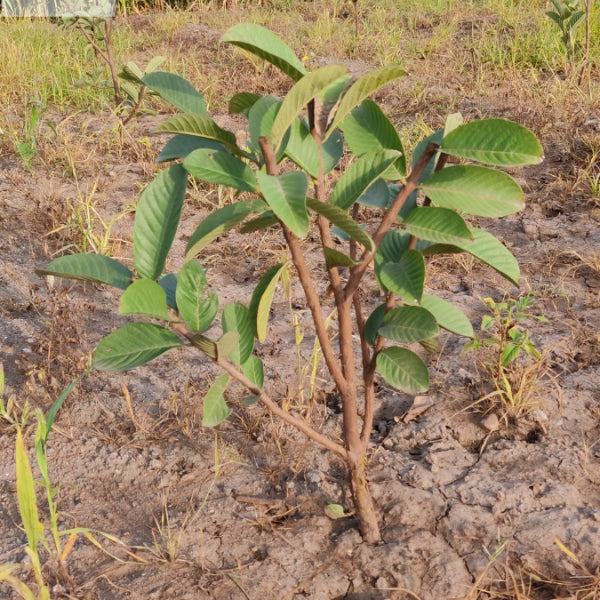
Tree Plantation on Navratri - Celebrate Divine Festivals with Environmental Devotion
Tree plantation on Navratri transforms the sacred nine-day festival into a powerful...
-
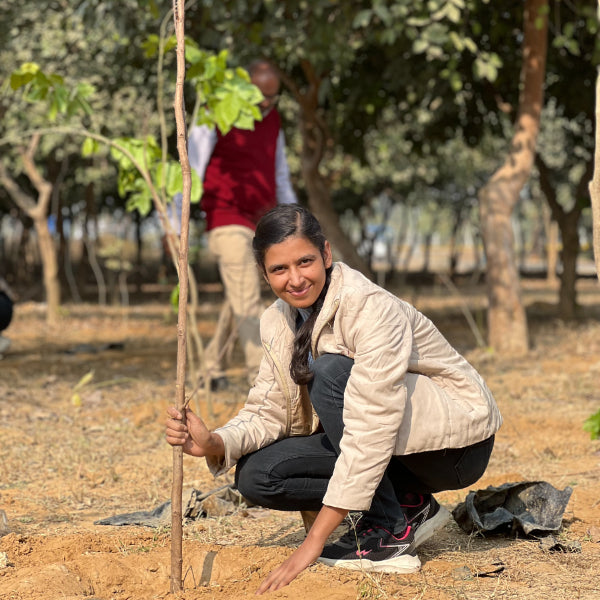
Tree Plantation by Cause - Plant Trees for Every Purpose | Grow Billion Trees
Transform your environmental impact with purpose-driven tree plantation by cause programs that...
Corporate Plantations
-

Trees for Corporates - Achieve Net Zero Targets Through Strategic Tree Planting
Trees for Corporates - Strategic Environmental SolutionsTransform your corporate environmental impact with...
-

Tree Plantation for CSR - Corporate Environmental Programs | Grow Billion Trees
Tree Plantation for CSR - Transform Your Corporate Environmental ImpactTree plantation for...
-
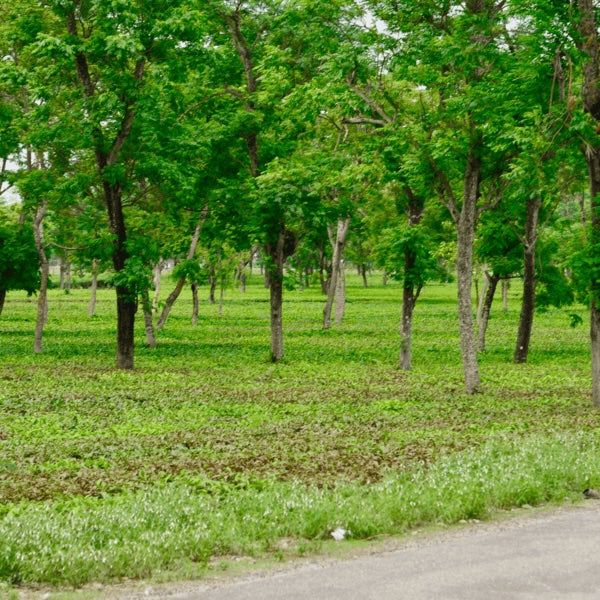
Tree Plantation for SDG - Support Sustainable Development Goals
Tree plantation for SDG initiatives represents a powerful pathway to achieving multiple...
-

Corporate Tree Plantation Programs - Sustainable ESG Environmental Solutions for Net Zero Targets
Transform your organization's environmental impact with our comprehensive Corporate Tree Plantation Programs...
-
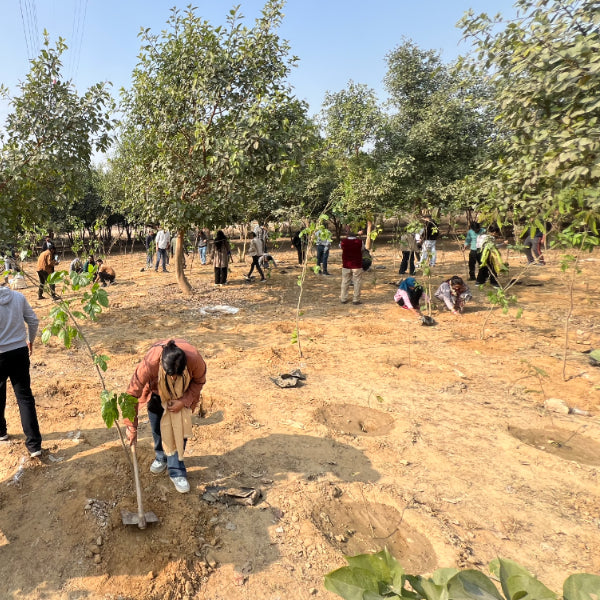
Tree Plantation by Location - Plant Trees Across India
Transform landscapes nationwide through our comprehensive tree plantation by location program. When...
Most Popular Tree Plantations - Top Choices for Environmental Impact
-
Trees for Mother
Regular price ₹ 299Regular priceUnit price per -
Trees to Honor the Memory of your Loved Ones
Regular price ₹ 299Regular priceUnit price per -
Trees for Wedding Anniversary Celebration
Regular price ₹ 299Regular priceUnit price per -
Trees for Grandmother
Regular price ₹ 299Regular priceUnit price per -
Trees for Grandfather
Regular price ₹ 299Regular priceUnit price per