

Carbon Footprint Calculator for Travel by Air: Reduce Impact
Carbon Footprint Calculator for Travel by Air: Your Guide to Sustainable FlyingA carbon footprint calculator for travel by air helps you understand th Read more
Connect with us
-
👥 Corporates
If you are looking for:
- 🌲 Tree Plantation Events
- 📊 CSR Projects
📧 corporate@growbilliontrees.com
📞 +91 9699723523
💬 +91 9325931304 WhatsApp (Only)
🕒 Mon - Sat | 10am - 7pm IST
-
🧩 Tree Plantation NGOs
If you are looking for:
- 💰 Financial Assistance
- 🤝 Operational Support
📧 support@growbilliontrees.com
📞 +91 9699723523
💬 +91 9325931304 WhatsApp (Only)
🕒 Mon - Sat | 10am - 7pm IST
-
🌼 Individuals
If you are looking for:
- 👥 Group Tree Plantation Drive
- 🌳 Bulk Tree Plantation
📞 +91 9699723523
💬 +91 9325931304 WhatsApp (Only)
🕒 Mon - Sat | 10am - 7pm IST
Trending Tree Plantations - Most Popular Environmental Programs
-
Trees for Mother
Regular price ₹ 299Regular priceUnit price per -
Trees to Honor the Memory of your Loved Ones
Regular price ₹ 299Regular priceUnit price per -
Trees for Women's Day (8th Mar)
Regular price ₹ 299Regular priceUnit price per -
Trees for Wedding Anniversary Celebration
Regular price ₹ 299Regular priceUnit price per -
Trees for Grandmother
Regular price ₹ 299Regular priceUnit price per





Trees for Corporates - Achieve Net Zero Targets Through Strategic Tree Planting
-
 Project Closed
Trees by LIFT Team for Green Diwali: Transform Your Festival
Regular price ₹ 299Regular priceUnit price per -
Trees for a Greener Tomorrow - by Mahindra Lifespaces
Regular price ₹ 299Regular priceUnit price per -
Trees for Environment Day: Plant Your Impact on June 5th
Regular price ₹ 299Regular priceUnit price per -
Trees for Employees: Transform Your Corporate Culture in 2026
Regular price ₹ 299Regular priceUnit price per -
 Project Closed
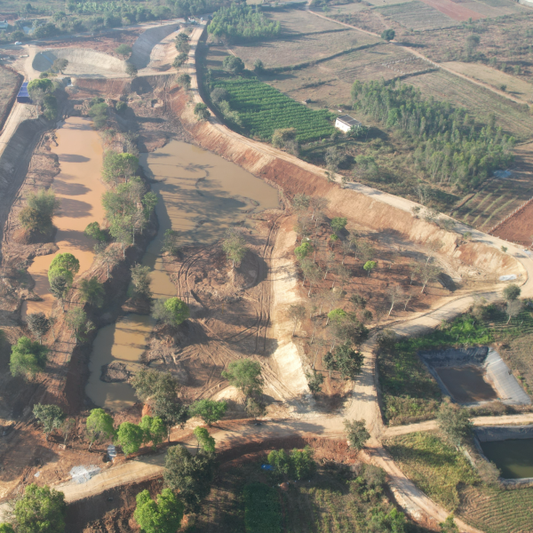
Trees for Bangalore: Plant Native Trees in Garden City ₹299
Regular price ₹ 799Regular priceUnit price per



Carbon Footprint Calculator for Travel by Air: Your Guide to Sustainable Flying
A carbon footprint calculator for travel by air helps you understand the environmental impact of your flights and discover ways to offset emissions effectively. With aviation contributing approximately 2.5% of global CO2 emissions in 2026, measuring your travel footprint has become essential for conscious travelers.
We're happy to guide you through understanding air travel emissions. Our experience shows that travelers who track their carbon footprint make more sustainable choices. Welcome to a journey toward greener travel decisions.
Understanding Air Travel Carbon Emissions ✈️
Air travel generates carbon emissions through fuel combustion at high altitudes. Each flight releases CO2, water vapor, and other greenhouse gases into the atmosphere. The impact varies based on flight distance, aircraft type, and passenger load.
Short-haul flights typically produce 250-300 grams of CO2 per kilometer per passenger. Long-haul flights are more efficient, generating 150-200 grams per kilometer. However, the total emissions increase significantly with distance traveled.
According to the United Nations Climate Change initiative, aviation emissions have doubled since 1990. This growth makes individual awareness and action crucial for combating climate change through collective action.
How Carbon Footprint Calculators Work 💡
Carbon footprint calculators for travel by air use specific algorithms to estimate emissions. They consider departure and arrival airports, flight distance, aircraft type, and seating class. Premium classes typically have higher per-passenger emissions due to larger seat space.
Most calculators apply emission factors from the International Civil Aviation Organization (ICAO). They multiply flight distance by emission factors and passenger load factors. Some advanced tools include radiative forcing effects, which account for high-altitude emission impacts.
Our team found that accurate calculators also consider connecting flights and layover times. Direct flights are generally more efficient than multi-stop journeys for the same destination.
Top Features to Look for in Air Travel Carbon Calculators ⭐
Effective carbon footprint calculators offer several key features. Look for tools that provide detailed breakdowns by flight segments. The best calculators show emissions in multiple units like CO2 equivalent, tons, and kilograms.
Advanced calculators include:
- ✅ Real-time flight data integration
- ✅ Aircraft-specific emission factors
- ✅ Seating class adjustments
- ✅ Radiative forcing multipliers
- ✅ Offset project recommendations
We ensure our recommendations include calculators with transparent methodologies. Reliable tools cite their data sources and calculation methods clearly.
Reducing Your Air Travel Carbon Footprint 🌱
Several strategies can help minimize your aviation emissions effectively. Choose direct flights whenever possible, as takeoffs and landings consume the most fuel. Economy class seating reduces your per-passenger footprint compared to business or first class.
Pack light to reduce aircraft weight and fuel consumption. Every kilogram matters when multiplied across all passengers. Consider alternative transportation for shorter distances where trains or buses are available.
The United Nations Environment Programme's forest initiative emphasizes that reducing travel frequency while extending trip duration can significantly lower annual emissions. Plan longer stays to maximize the value of each flight.
Carbon Offset Options for Air Travel 🌳
Carbon offsetting allows you to neutralize flight emissions by supporting environmental projects. High-quality offsets fund reforestation, renewable energy, or methane capture initiatives. However, not all offset programs deliver genuine impact.
Look for offsets certified by Gold Standard or Verified Carbon Standard (VCS). These programs ensure additionality, meaning projects wouldn't happen without offset funding. We provide verified offset options through our tree planting programs.
Plant a tree in your Name for ₹299 through our GeoTag technology. Our 4ft Tree Planting + 3 Years Care + GeoTag program ensures your offset creates lasting environmental benefits. We're working toward planting 100 crore trees to support India's net zero targets.
Business Travel and Corporate Carbon Management ✅
Companies increasingly track employee travel emissions for sustainability reporting. Corporate carbon footprint calculators help businesses understand their travel-related environmental impact. Many organizations set annual emission reduction targets for business travel.
Effective corporate strategies include virtual meeting policies and travel approval processes. Some companies allocate carbon budgets to departments or individuals. Our partners in the corporate sector have successfully reduced travel emissions by 30-40% through conscious planning.
According to the World Wildlife Fund's forest conservation programs, corporate reforestation initiatives can effectively offset unavoidable business travel emissions while supporting biodiversity conservation.
Technology and Future of Aviation Emissions 💡
The aviation industry is developing sustainable aviation fuels (SAF) and electric aircraft technologies. SAF can reduce lifecycle emissions by up to 80% compared to conventional jet fuel. However, production remains limited and expensive in 2026.
Electric and hydrogen-powered aircraft show promise for short-haul flights. Major manufacturers target commercial electric flights by 2030. Meanwhile, improved aircraft efficiency and operational optimization continue reducing per-passenger emissions.
We're excited about these developments while emphasizing current action. Offsetting today's flights through verified programs like our miyawaki forest creation supports immediate environmental benefits.
Personal Carbon Budget Planning 📊
Creating a personal carbon budget helps manage your annual travel emissions. Climate scientists recommend limiting individual carbon footprints to 2.3 tons CO2 annually by 2030. A single round-trip transatlantic flight can exceed this entire budget.
Track your flights throughout the year using reliable calculators. Set emission targets and explore offset options for unavoidable travel. Consider carbon-conscious destinations and transportation methods when planning trips.
Our experience shows that conscious travelers often discover wonderful local destinations. Exploring nearby natural areas can be more fulfilling than distant travel while supporting local economies and ecosystems.
Frequently Asked Questions
How accurate are online carbon footprint calculators for flights?
Most reputable calculators provide estimates within 10-20% accuracy. They use standardized emission factors and flight data. However, actual emissions vary based on weather, routing, and aircraft efficiency. Choose calculators that cite their methodologies and data sources.
What's the difference between CO2 and CO2 equivalent in aviation emissions?
CO2 measures only carbon dioxide emissions from fuel combustion. CO2 equivalent includes other greenhouse gases and high-altitude effects like contrail formation. Aviation's total climate impact is approximately 2-3 times higher than CO2 alone.
Are economy class emissions really lower than business class?
Yes, economy passengers have lower per-person emissions due to higher seat density. Business class typically generates 2-3 times more emissions per passenger. First class can be 4-9 times higher than economy on the same flight.
How do connecting flights affect carbon footprint calculations?
Multi-stop flights generally produce higher emissions than direct routes. Each takeoff and landing consumes significant fuel. Calculators should account for all flight segments and layover airports in total emission estimates.
Can I trust airline carbon offset programs?
Airline offset quality varies significantly. Look for third-party certifications like Gold Standard or VCS. Some airlines offer high-quality programs, while others use less effective offset projects. Independent verification ensures genuine environmental benefits.
What's the most effective way to offset flight emissions?
Choose certified offset projects with verified additionality and permanent carbon storage. Reforestation programs, renewable energy projects, and methane capture initiatives offer reliable options. Our tree planting programs provide GeoTag tracking for transparency.
How often should I calculate my travel carbon footprint?
Calculate emissions for each flight or trip to maintain awareness. Annual tracking helps set reduction targets and budget planning. Regular monitoring encourages more sustainable travel choices and offset planning.
Do domestic flights have different emission factors than international flights?
Emission factors depend on aircraft type and flight distance rather than domestic versus international classification. Short domestic flights often have higher per-kilometer emissions due to takeoff and landing fuel consumption.
How do weather conditions affect flight emissions?
Headwinds increase fuel consumption and emissions, while tailwinds reduce them. Routing changes due to weather can add distance and emissions. Most calculators use average conditions rather than real-time weather data.
What role does aircraft age play in carbon footprint calculations?
Newer aircraft are typically 15-25% more fuel-efficient than older models. However, most calculators use average fleet emission factors rather than specific aircraft age. Airlines gradually replacing older aircraft improve overall efficiency.Understanding your carbon footprint calculator for travel by air empowers you to make informed decisions about flying and offsetting. We encourage travelers to measure their impact, explore reduction strategies, and support verified offset programs. Together, we can work toward sustainable aviation while supporting environmental restoration through initiatives like our 100 crore trees goal. Discover how to plant a tree in your Name and contribute to combating climate change through collective action.
You may like
-

Gift a Tree - Meaningful Environmental Gifts That Make a Difference
Transform your gift-giving with meaningful environmental gifts that create lasting impact for...
-

Trees For Shiv Ji - Sacred Tree Planting to Honor Lord Shiva
Honor Lord Shiva through sacred tree planting with Trees For Shiv Ji,...
-

Tree Plantations for Shri Ram - Sacred Devotional Planting Services
Honor Lord Shri Ram through meaningful tree plantations for Shri Ram that...
-
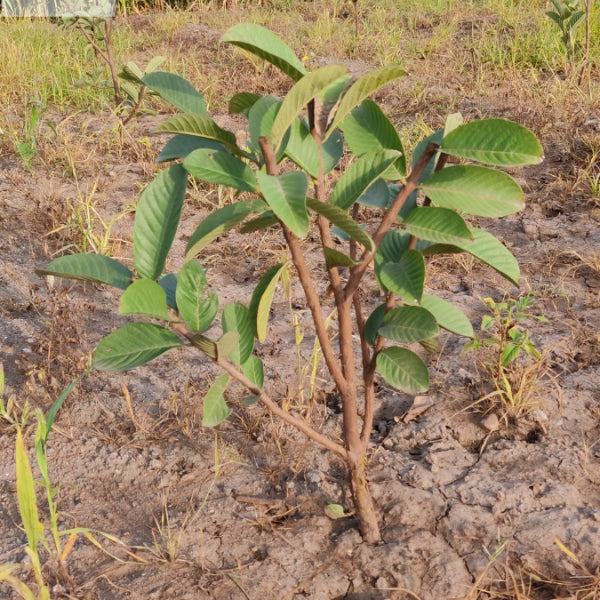
Tree Plantation on Navratri - Celebrate Divine Festivals with Environmental Devotion
Tree plantation on Navratri transforms the sacred nine-day festival into a powerful...
-

Tree Plantation by Cause - Plant Trees for Every Purpose | Grow Billion Trees
Transform your environmental impact with purpose-driven tree plantation by cause programs that...
Corporate Plantations
-

Trees for Corporates - Achieve Net Zero Targets Through Strategic Tree Planting
Trees for Corporates - Strategic Environmental SolutionsTransform your corporate environmental impact with...
-

Tree Plantation for CSR - Corporate Environmental Programs | Grow Billion Trees
Tree Plantation for CSR - Transform Your Corporate Environmental ImpactTree plantation for...
-
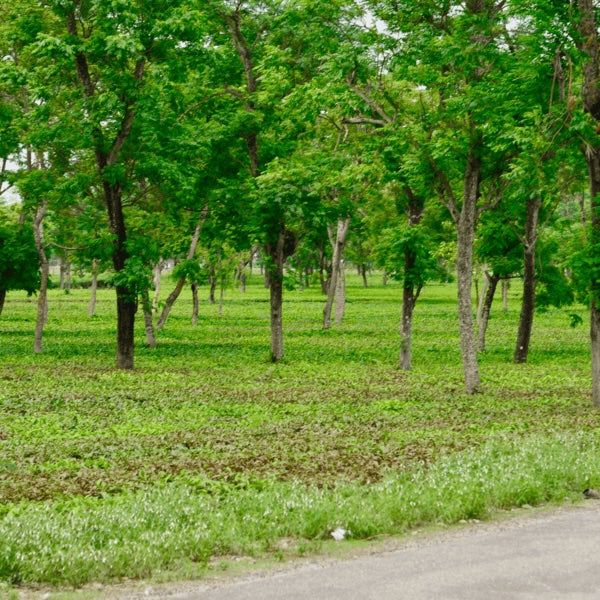
Tree Plantation for SDG - Support Sustainable Development Goals
Tree plantation for SDG initiatives represents a powerful pathway to achieving multiple...
-

Corporate Tree Plantation Programs - Sustainable ESG Environmental Solutions for Net Zero Targets
Transform your organization's environmental impact with our comprehensive Corporate Tree Plantation Programs...
-

Tree Plantation by Location - Plant Trees Across India
Transform landscapes nationwide through our comprehensive tree plantation by location program. When...
Most Popular Tree Plantations - Top Choices for Environmental Impact
-
Trees for Mother
Regular price ₹ 299Regular priceUnit price per -
Trees to Honor the Memory of your Loved Ones
Regular price ₹ 299Regular priceUnit price per -
Trees for Wedding Anniversary Celebration
Regular price ₹ 299Regular priceUnit price per -
Trees for Grandmother
Regular price ₹ 299Regular priceUnit price per -
Trees for Grandfather
Regular price ₹ 299Regular priceUnit price per