

Carbon Footprint of Everyday Activities: Take Action
The carbon footprint of everyday activities is far greater than most people realise. From the food on your plate to the flight you book, daily choices Read more
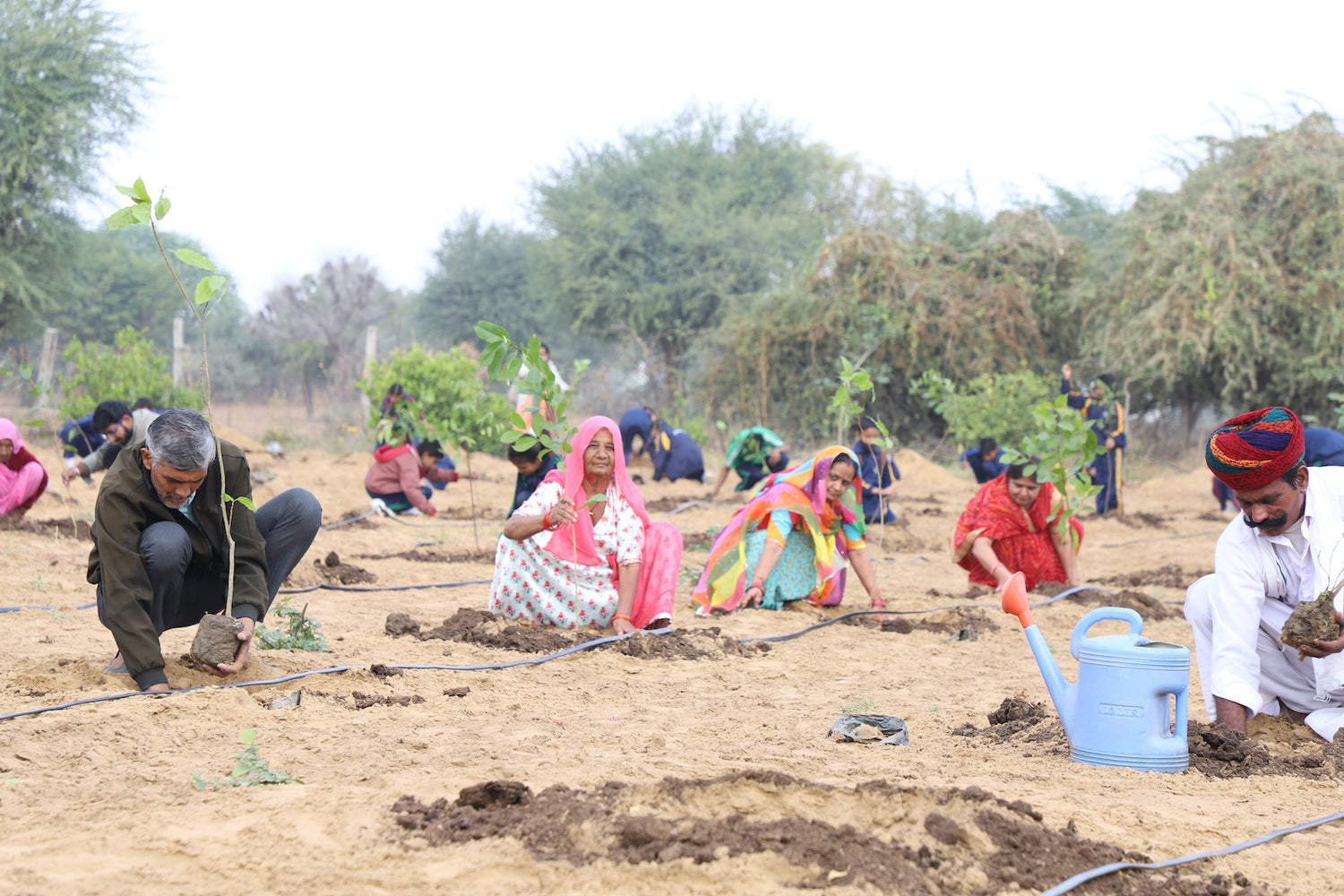
Connect with us
-
👥 Corporates
If you are looking for:
- 🌲 Tree Plantation Events
- 📊 CSR Projects
📧 corporate@growbilliontrees.com
📞 +91 9699723523
💬 +91 9325931304 WhatsApp (Only)
🕒 Mon - Sat | 10am - 7pm IST
-
🧩 Tree Plantation NGOs
If you are looking for:
- 💰 Financial Assistance
- 🤝 Operational Support
📧 support@growbilliontrees.com
📞 +91 9699723523
💬 +91 9325931304 WhatsApp (Only)
🕒 Mon - Sat | 10am - 7pm IST
-
🌼 Individuals
If you are looking for:
- 👥 Group Tree Plantation Drive
- 🌳 Bulk Tree Plantation
📞 +91 9699723523
💬 +91 9325931304 WhatsApp (Only)
🕒 Mon - Sat | 10am - 7pm IST
Trending Tree Plantations - Most Popular Environmental Programs
-
Trees for Mother
Regular price ₹ 299Regular priceUnit price per -
Trees to Honor the Memory of your Loved Ones
Regular price ₹ 299Regular priceUnit price per -
Trees for Women's Day (8th Mar)
Regular price ₹ 299Regular priceUnit price per -
Trees for Wedding Anniversary Celebration
Regular price ₹ 299Regular priceUnit price per -
Trees for Grandmother
Regular price ₹ 299Regular priceUnit price per





Trees for Corporates - Achieve Net Zero Targets Through Strategic Tree Planting
-
 Project Closed
Trees by LIFT Team for Green Diwali: Transform Your Festival
Regular price ₹ 299Regular priceUnit price per -
Trees for a Greener Tomorrow - by Mahindra Lifespaces
Regular price ₹ 299Regular priceUnit price per -
Trees for Environment Day: Plant Your Impact on June 5th
Regular price ₹ 299Regular priceUnit price per -
Trees for Employees: Transform Your Corporate Culture in 2026
Regular price ₹ 299Regular priceUnit price per -
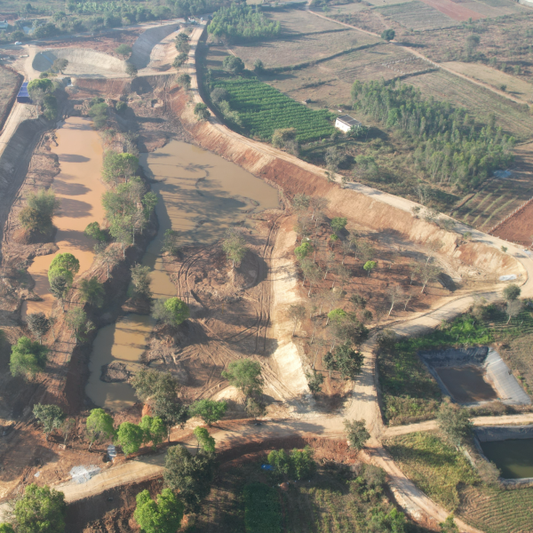 Project Closed
Trees for Bangalore: Plant Native Trees in Garden City ₹299
Regular price ₹ 799Regular priceUnit price per
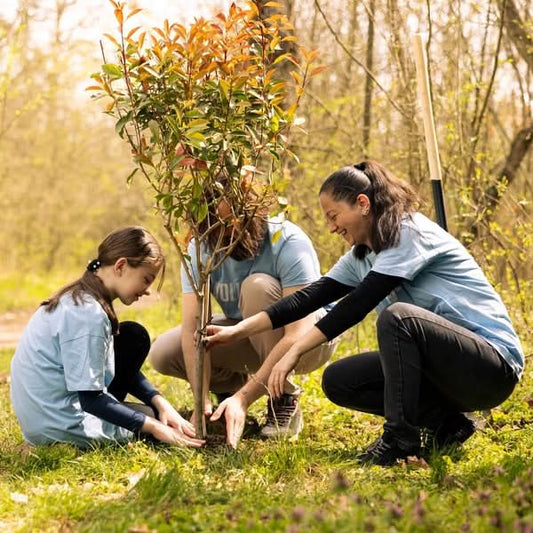
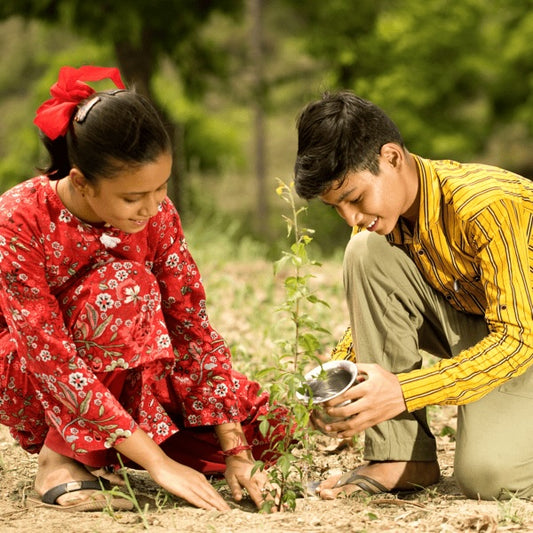
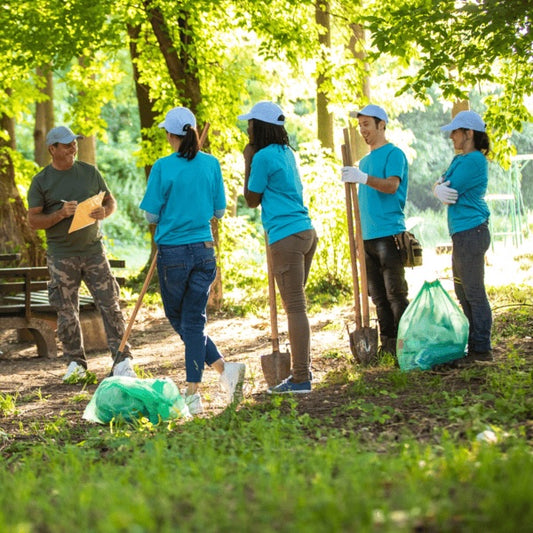
The carbon footprint of everyday activities is far greater than most people realise. From the food on your plate to the flight you book, daily choices drive a significant share of global greenhouse gas emissions. Understanding these impacts is the first — and most wonderful — step toward building a greener, more sustainable future for our planet.
What Is a Carbon Footprint?
A carbon footprint measures all the greenhouse gases your actions produce, expressed in CO2 equivalents. When it comes to carbon footprint of everyday activities,According to the United Nations Climate Change initiative, the average global citizen emits about 4 tonnes of CO2 each year. In India, that number is growing as urbanisation accelerates and consumption patterns shift rapidly.
Every choice you make — what you eat, how you travel, and what you buy — adds to this total. However, mindful, conscious decisions and eco-friendly alternatives can meaningfully reduce your impact on the earth.
✅ How Travel Shapes Your Carbon Footprint
Travel is one of the biggest contributors to the carbon footprint of everyday activities. A single long-haul flight from Mumbai to London emits roughly 1.5 tonnes of CO2 per passenger. That is nearly six months of sustainable lifestyle gains erased in one journey.
Road travel is equally significant. Petrol and diesel vehicles release CO2 with every kilometre driven. Switching to electric vehicles, using public transport, or carpooling are proven ways to boost your contribution to a cleaner planet.
- ✅ Flying: approximately 2.5 kg CO2 per passenger per kilometre
- ✅ Driving (petrol car): approximately 0.17 kg CO2 per km
- ✅ Train travel: approximately 0.04 kg CO2 per km
- ✅ Electric vehicle: approximately 0.05 kg CO2 per km
💡 Food Choices and Carbon Emissions
What you eat has a profound impact on the earth. When it comes to carbon footprint of everyday activities,Meat production — especially beef — generates enormous greenhouse gas emissions. A 2026 global food system report estimates that food production accounts for over 30% of total greenhouse gas emissions worldwide.
Plant-based diets are far more eco-friendly and natural. When it comes to carbon footprint of everyday activities,Choosing locally grown, organic produce reduces transport emissions and supports healthy soil ecosystems. Together, small food choices create a massive collective impact on the health of our planet.
- • Beef: approximately 27 kg CO2 per kg of food
- • Chicken: approximately 6.9 kg CO2 per kg
- • Vegetables: approximately 2 kg CO2 per kg on average
- • Lentils: approximately 0.9 kg CO2 per kg
Home Energy and Digital Habits
Home energy use is a hidden but significant source of carbon emissions. When it comes to carbon footprint of everyday activities,Air conditioning, heating, and household appliances consume large amounts of electricity — much of which remains coal-powered across India. Simple habits like switching off lights and using energy-efficient devices help you thrive with a lighter footprint.
Digital habits also matter more than most realise. Streaming video, cloud computing, and data centres consume enormous energy. In 2026, data centres alone account for nearly 2% of global electricity consumption — a figure that is steadily growing.
⭐ Popular Carbon Credit Projects and Corporate Participation
Many leading corporations are investing in carbon credit projects to offset their emissions and work toward Net Zero Targets. When it comes to carbon footprint of everyday activities,These initiatives restore forests, protect biodiversity, and support local communities. Here are some of the most impactful and widely recognised projects.
Gold Standard Certified Projects
Gold Standard is a globally recognised certification body for carbon offset initiatives. When it comes to carbon footprint of everyday activities,Companies like Microsoft and Infosys have purchased Gold Standard-certified credits to advance their net zero goals. These projects fund renewable energy and reforestation programmes across developing nations, delivering verified, measurable impact.
REDD+ Forest Conservation Projects
REDD+ (Reducing Emissions from Deforestation and Forest Degradation) projects protect existing forests from destruction. When it comes to carbon footprint of everyday activities,According to the United Nations Environment Programme, forests absorb nearly 2.6 billion tonnes of CO2 annually. Corporates including Google, Amazon, and Tata Consultancy Services have backed REDD+ initiatives to preserve tropical rainforests across South America and Southeast Asia.
Verified Carbon Standard (VCS) Projects
The Verified Carbon Standard, managed by Verra, is one of the most widely used carbon credit frameworks globally. When it comes to carbon footprint of everyday activities,Apple uses VCS-certified projects as part of its 2030 carbon neutrality plan. Wipro and Mahindra Group in India have also participated in VCS projects centred on reforestation and sustainable land management.
Clean Development Mechanism (CDM)
CDM projects, supported under the Kyoto Protocol, fund sustainable energy and afforestation in developing countries. When it comes to carbon footprint of everyday activities,Reliance Industries and NTPC have engaged with CDM-certified programmes to offset industrial emissions within India. These projects generate co-benefits including rural employment, improved biodiversity, and community resilience.
How Grow Billion Trees Helps You Take Action
We are glad to share how Grow Billion Trees empowers individuals, families, and corporates to reduce their carbon footprint meaningfully. When it comes to carbon footprint of everyday activities,Our mission is to plant 100 crore trees across India by June 2030 — and we would love for you to be part of this great, collective movement.
You can Plant a tree in your Name and make a lasting, verifiable impact on the earth. When it comes to carbon footprint of everyday activities,Every tree planted through our platform includes 4ft Tree Planting + 3 Years Care + GeoTag technology, so you can track your tree's growth in real time. This hands-on approach ensures your contribution genuinely grows and thrives for years to come.
✅ Our Specialised Environmental Programmes
- ✅ Miyawaki Forests: Dense, fast-growing urban forests that absorb CO2 at remarkable speed
- ✅ Mangrove Restoration: Coastal ecosystems that store carbon and protect shorelines naturally
- ✅ Agroforestry Programmes: Helping farmers grow trees alongside crops for a greener, more resilient livelihood
- ✅ Urban Forestry: Planting trees across cities like Mumbai, Bangalore, Delhi, Chennai, and Hyderabad
- ✅ Corporate Net Zero Targets: Tailored programmes to help businesses achieve certified, reportable carbon goals
Our team ensures every planting is verified, tracked, and transparent. When it comes to carbon footprint of everyday activities,We provide certified tree planting records that corporates and individuals can use within their ESG and sustainability reporting. Together, we are Combating Climate Change Through Collective Action — one tree at a time.
💡 Practical Tips to Reduce Your Carbon Footprint Today
Reducing the carbon footprint of everyday activities does not require dramatic life changes. Small, consistent actions are proven to save significant emissions over time. Here are simple, actionable steps to get started right away:
- → Choose plant-based meals at least three days per week
- → Use public transport, cycling, or carpooling for daily commutes
- → Switch to energy-efficient LED lighting and green-rated appliances
- → Reduce single-use plastics and embrace natural, reusable alternatives
- → Plant a tree to offset your unavoidable emissions with lasting impact
- → Support eco-friendly, conscious brands that align with your values
Moreover, according to the World Wildlife Fund, deforestation contributes up to 10% of global carbon emissions every year. When it comes to carbon footprint of everyday activities,Reversing this trend through large-scale reforestation is one of the most cost-effective and natural climate solutions available to us today.
Why Trees Are Nature's Best Carbon Capture Tool
Trees are the most natural and effective way to absorb atmospheric CO2. A single mature tree can absorb up to 22 kg of CO2 per year. Forests nurture biodiversity, regulate water cycles, and sustain millions of livelihoods across the earth.
Planting trees at scale is central to achieving India's climate goals. When it comes to carbon footprint of everyday activities,The United Nations Sustainable Development Goals highlight reforestation as a key strategy for SDG 13 (Climate Action) and SDG 15 (Life on Land). Grow Billion Trees is happy to align with these global goals through our mission to plant 100 crore trees by 2030.
Frequently Asked Questions
What is the carbon footprint of everyday activities?
It refers to the total greenhouse gases produced by your daily choices — including travel, food, energy use, and shopping. Most individuals generate between 2 and 7 tonnes of CO2 equivalent per year through their everyday activities.
Which everyday activity has the highest carbon footprint?
Air travel typically produces the highest carbon footprint per individual activity. However, diet — especially regular red meat consumption — is among the largest cumulative contributors to your annual carbon footprint over time.
How can I reduce the carbon footprint of my travel?
Choose train travel over flying whenever possible. Use electric vehicles or public transport for daily commutes. When flying is unavoidable, offset your emissions by planting trees through verified programmes like Grow Billion Trees.
What are carbon credits and how do they work?
Carbon credits represent the verified reduction or removal of one tonne of CO2. Companies earn or purchase credits by funding certified projects — like reforestation or renewable energy — to offset their emissions and advance their Net Zero Targets.
Which companies are participating in carbon credit projects in India?
Companies including Infosys, Wipro, Mahindra Group, Reliance Industries, and Tata Consultancy Services have invested in carbon credit programmes. Many align with frameworks like Gold Standard, Verra VCS, REDD+, and CDM for certified impact.
How does tree planting reduce my carbon footprint?
Trees absorb CO2 as they grow, acting as natural, long-term carbon sinks. Planting through certified programmes ensures care and measurable impact. With 4ft Tree Planting + 3 Years Care + GeoTag, you can track exactly how your tree grows and contributes.
What is Grow Billion Trees doing to fight climate change?
Grow Billion Trees is on a mission to plant 100 crore trees across India. We run Miyawaki, agroforestry, mangrove, and urban forestry programmes. We also partner with corporates to help them achieve verified, reportable Net Zero Targets.
Can businesses use Grow Billion Trees for carbon offsetting?
Yes, we provide corporate environmental programmes with certified planting records. Our team designs custom solutions for businesses seeking to improve their carbon footprint and meet ESG, sustainability, or net zero reporting requirements.
What impact do food choices have on carbon emissions?
The global food system accounts for over 30% of greenhouse gas emissions worldwide. Shifting toward plant-based, organic, and locally grown food can significantly reduce the carbon footprint of everyday activities for millions of people.
How do I get started with Grow Billion Trees?
Visit Grow Billion Trees to Plant a tree in your Name today. Choose from individual, gift, or corporate planting options and begin your journey toward a greener planet.Every action counts, and every tree matters. When it comes to carbon footprint of everyday activities,Explore our programmes today, discover how easy it is to make a real difference, and join thousands of conscious individuals and forward-thinking corporates already transforming India's green future. Together, let us nurture the earth and ensure a thriving, sustainable world for generations to come.
You may like
-
Gift a Tree - Meaningful Environmental Gifts That Make a Difference
Transform your gift-giving with meaningful environmental gifts that create lasting impact for...
-
Trees For Shiv Ji - Sacred Tree Planting to Honor Lord Shiva
Honor Lord Shiva through sacred tree planting with Trees For Shiv Ji,...
-

Tree Plantations for Shri Ram - Sacred Devotional Planting Services
Honor Lord Shri Ram through meaningful tree plantations for Shri Ram that...
-
Tree Plantation on Navratri - Celebrate Divine Festivals with Environmental Devotion
Tree plantation on Navratri transforms the sacred nine-day festival into a powerful...
-
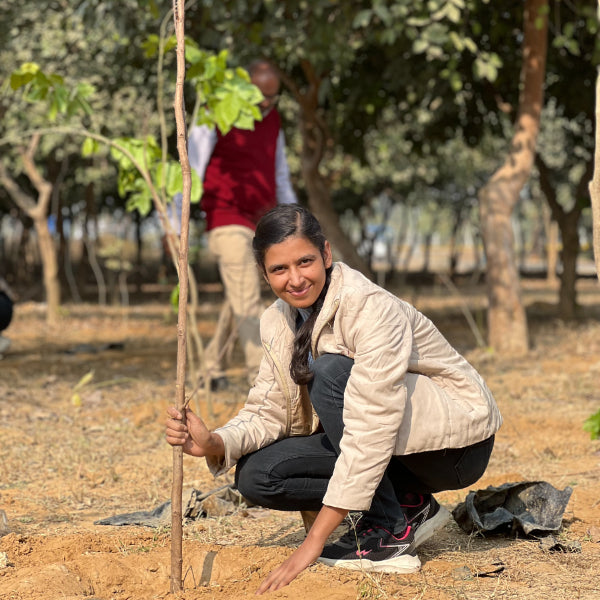
Tree Plantation by Cause - Plant Trees for Every Purpose | Grow Billion Trees
Transform your environmental impact with purpose-driven tree plantation by cause programs that...
Corporate Plantations
-

Trees for Corporates - Achieve Net Zero Targets Through Strategic Tree Planting
Trees for Corporates - Strategic Environmental SolutionsTransform your corporate environmental impact with...
-
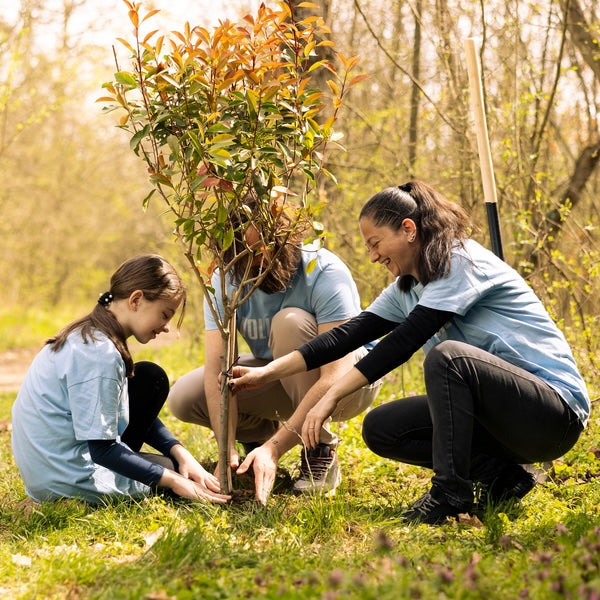
Tree Plantation for CSR - Corporate Environmental Programs | Grow Billion Trees
Tree Plantation for CSR - Transform Your Corporate Environmental ImpactTree plantation for...
-
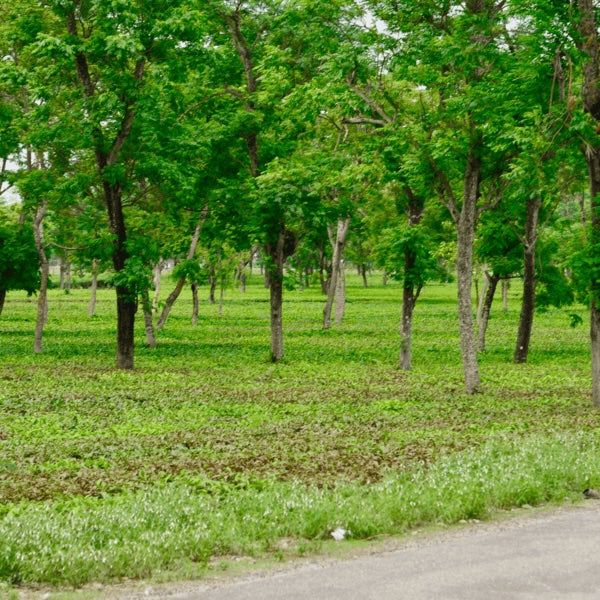
Tree Plantation for SDG - Support Sustainable Development Goals
Tree plantation for SDG initiatives represents a powerful pathway to achieving multiple...
-

Corporate Tree Plantation Programs - Sustainable ESG Environmental Solutions for Net Zero Targets
Transform your organization's environmental impact with our comprehensive Corporate Tree Plantation Programs...
-
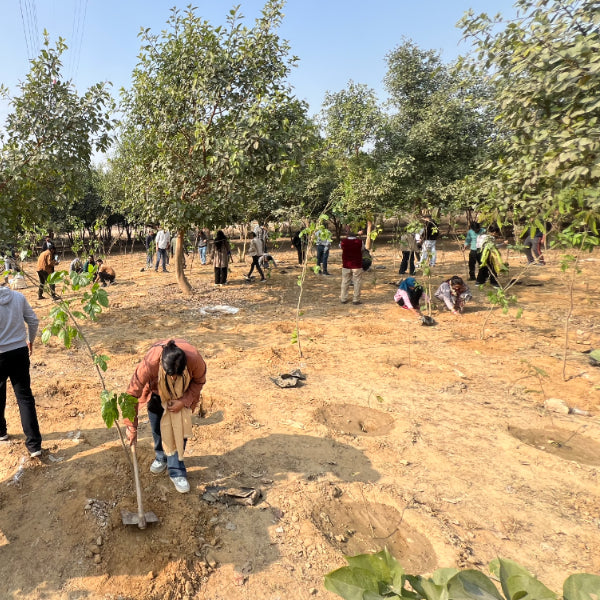
Tree Plantation by Location - Plant Trees Across India
Transform landscapes nationwide through our comprehensive tree plantation by location program. When...
Most Popular Tree Plantations - Top Choices for Environmental Impact
-
Trees for Mother
Regular price ₹ 299Regular priceUnit price per -
Trees to Honor the Memory of your Loved Ones
Regular price ₹ 299Regular priceUnit price per -
Trees for Wedding Anniversary Celebration
Regular price ₹ 299Regular priceUnit price per -
Trees for Grandmother
Regular price ₹ 299Regular priceUnit price per -
Trees for Grandfather
Regular price ₹ 299Regular priceUnit price per