

Carbon Offset vs Carbon Credit: What You Must Know
Understanding carbon offset vs carbon credit is essential for every business and individual committed to fighting climate change. Both terms appear in Read more
Connect with us
-
👥 Corporates
If you are looking for:
- 🌲 Tree Plantation Events
- 📊 CSR Projects
📧 corporate@growbilliontrees.com
📞 +91 9699723523
💬 +91 9325931304 WhatsApp (Only)
🕒 Mon - Sat | 10am - 7pm IST
-
🧩 Tree Plantation NGOs
If you are looking for:
- 💰 Financial Assistance
- 🤝 Operational Support
📧 support@growbilliontrees.com
📞 +91 9699723523
💬 +91 9325931304 WhatsApp (Only)
🕒 Mon - Sat | 10am - 7pm IST
-
🌼 Individuals
If you are looking for:
- 👥 Group Tree Plantation Drive
- 🌳 Bulk Tree Plantation
📞 +91 9699723523
💬 +91 9325931304 WhatsApp (Only)
🕒 Mon - Sat | 10am - 7pm IST
Trending Tree Plantations - Most Popular Environmental Programs
-
Trees for Mother
Regular price ₹ 299Regular priceUnit price per -
Trees to Honor the Memory of your Loved Ones
Regular price ₹ 299Regular priceUnit price per -
Trees for Women's Day (8th Mar)
Regular price ₹ 299Regular priceUnit price per -
Trees for Wedding Anniversary Celebration
Regular price ₹ 299Regular priceUnit price per -
Trees for Grandmother
Regular price ₹ 299Regular priceUnit price per





Trees for Corporates - Achieve Net Zero Targets Through Strategic Tree Planting
-
 Project Closed
Trees by LIFT Team for Green Diwali: Transform Your Festival
Regular price ₹ 299Regular priceUnit price per -
Trees for a Greener Tomorrow - by Mahindra Lifespaces
Regular price ₹ 299Regular priceUnit price per -
Trees for Environment Day: Plant Your Impact on June 5th
Regular price ₹ 299Regular priceUnit price per -
Trees for Employees: Transform Your Corporate Culture in 2026
Regular price ₹ 299Regular priceUnit price per -
 Project Closed
Trees for Bangalore: Plant Native Trees in Garden City ₹299
Regular price ₹ 799Regular priceUnit price per



Understanding carbon offset vs carbon credit is essential for every business and individual committed to fighting climate change. Both terms appear in sustainability conversations, yet they serve distinct roles in the global effort to reduce greenhouse gas emissions. Knowing the difference helps you make smarter, more conscious environmental choices in 2026.
According to the United Nations Climate Change framework, global emissions must fall by 45% before 2030 to limit warming to 1.5°C. Carbon markets are one of the most powerful tools driving that goal. Both carbon offsets and carbon credits contribute — but in different ways.
What Is a Carbon Credit? ⭐
A carbon credit is a tradable permit issued by governments or regulatory bodies. It represents the right to emit one metric tonne of carbon dioxide or an equivalent greenhouse gas. Companies operating under cap-and-trade systems must hold enough credits to cover their total emissions.
If a business emits less than its permitted cap, it can sell surplus credits to higher-emitting companies. This creates a financial incentive to reduce pollution at the source. Carbon credits are compliance instruments — they exist within regulated frameworks like the European Union Emissions Trading System (EU ETS) and India's emerging carbon market.
What Is a Carbon Offset? ✅
A carbon offset represents a verified reduction in greenhouse gas emissions achieved through a positive environmental action. For every tonne of CO2 a project removes or prevents, one offset certificate is generated. Tree plantation programs are among the most popular and impactful offset projects in the world today.
Unlike carbon credits, offsets are largely voluntary. They thrive in the voluntary carbon market, where companies go beyond legal requirements to demonstrate genuine environmental commitment. The United Nations Environment Programme recognises forest-based offsets as one of the most cost-effective and natural climate solutions available.
Carbon Offset vs Carbon Credit: Key Differences 💡
The core difference lies in origin and purpose. Carbon credits come from regulatory caps — they control how much pollution a company is allowed to produce. Carbon offsets come from positive environmental actions — they compensate for emissions that are difficult to eliminate immediately. One restricts; the other restores.
- ✅ Origin: Credits are issued by governments; offsets are generated by verified conservation or plantation projects.
- ✅ Market: Credits trade in compliance markets; offsets trade in voluntary markets.
- ✅ Purpose: Credits cap total emissions; offsets compensate for unavoidable emissions.
- ✅ Verification: Credits follow regulatory standards; offsets follow frameworks like Gold Standard or Verra VCS.
- ✅ Flexibility: Credits are rigid and sector-specific; offsets offer diverse project types including tree planting.
However, both tools work together in a healthy climate strategy. Businesses that hold credits often purchase offsets as well to achieve Net Zero Targets that go far beyond compliance requirements. Together, they form a complete, impactful approach to corporate sustainability.
Popular Tree Plantation Carbon Programs ⭐
Tree plantation remains one of the most beloved and effective forms of carbon offsetting globally. Several certified programs have gained great recognition across India and the world. According to the WWF, deforestation accounts for up to 10% of global carbon emissions — making reforestation a critical, planet-saving solution.
Gold Standard Tree Plantation Projects
The Gold Standard certifies high-quality offset projects worldwide. Many tree plantation initiatives in India, Africa, and Southeast Asia carry this trusted certification. It guarantees that every tree planted delivers verified, measurable climate benefits. Corporates who love credible environmental impact trust Gold Standard-certified projects for authentic offsetting.
Verra Verified Carbon Standard (VCS)
Verra's VCS program is the world's most widely used voluntary carbon standard. It certifies millions of hectares of reforestation and avoided deforestation projects globally. Leading Indian corporations such as Infosys and Wipro have sourced verified offsets through VCS-certified tree planting projects as part of their net zero journeys.
REDD+ Program
REDD+ (Reducing Emissions from Deforestation and Forest Degradation) is a globally recognised United Nations framework. It incentivises developing nations to protect forests and restore degraded land. Major Indian conglomerates including Tata Group and Mahindra have aligned their sustainability programs with REDD+ principles to meet global climate standards and ESG targets.
Clean Development Mechanism (CDM)
The CDM, under the Kyoto Protocol, allowed developed countries to invest in emission-reduction projects in developing nations. India hosted hundreds of CDM projects, including large-scale afforestation drives across rural and forest-fringe communities. Corporations like Microsoft India and Amazon India have built on CDM learnings to design current carbon strategies, pledging to achieve carbon negativity through nature-based solutions.
Corporate Participation in Tree-Based Offset Programs 🌱
India's corporate sector has embraced tree plantation as a meaningful, impactful climate action. Several leading organisations have partnered with certified programs to plant trees at scale and earn verified carbon offsets for their sustainability reports. This is a wonderful sign of collective climate consciousness.
- ✅ Infosys — Achieved carbon neutrality and continues sourcing forest-based offsets across multiple Indian states.
- ✅ Wipro — Committed to planting millions of trees through certified agroforestry and reforestation programs.
- ✅ Tata Group — Runs extensive tree plantation drives tied to its ESG goals and national sustainability commitments.
- ✅ Mahindra — Partners with verified planting programs to offset supply chain and operational emissions.
- ✅ Microsoft India — Supports local reforestation through its carbon negative pledge and India-based offset partnerships.
- ✅ Amazon India — Part of The Climate Pledge, investing in nature-based solutions including large-scale tree planting across India.
- ✅ HDFC Bank — Integrated green plantation drives into its corporate social responsibility and net zero strategy.
These corporate commitments signal a wonderful transformation in how Indian businesses approach environmental responsibility. Moreover, they demonstrate that Combating Climate Change Through Collective Action is not just a slogan — it is a measurable, trackable, and deeply impactful strategy that continues to grow in 2026.
How Grow Billion Trees Participates in Carbon Offset Programs ⭐
We are happy to share that Grow Billion Trees is an active participant in India's expanding carbon offset ecosystem. Our mission is simple and powerful: Plant a tree in your Name and help restore the planet one tree at a time. We are working toward planting 100 crore trees across India by June 2030 — a goal that directly supports national and global carbon reduction targets.
Our programs offer 4ft Tree Planting + 3 Years Care + GeoTag technology for every tree planted. Each tree is tracked using GeoTag, ensuring full transparency and authentic, verified impact data. This makes our programs ideal for corporates seeking credible carbon offsets under voluntary market frameworks. We ensure every partner receives complete documentation for sustainability reporting.
We run multiple specialised programs — Miyawaki forests, agroforestry, mangrove restoration, and urban forestry — each designed to maximise ecological and carbon sequestration benefits. Our corporate partners enjoy access to verified planting data, personalised certificates, and detailed impact reports to support their Net Zero Targets.
Our team takes a hands-on approach to every plantation project. We find great joy in working with businesses that are mindful of their environmental footprint. Our experience shows that tree-based offsets deliver the most natural, sustainable, and community-driven climate impact available in India today. We provide end-to-end support so every corporate partner can thrive on their green journey.
Why This Distinction Matters for Your Business 💡
Understanding carbon offset vs carbon credit helps companies build the right strategy for their industry. Compliance-driven sectors need carbon credits to meet legal obligations. Forward-thinking businesses use offsets to go beyond compliance and build genuine, green credentials that customers trust and investors reward.
A 2026 report by the International Emissions Trading Association found that voluntary carbon offset purchases by Indian corporates grew by 38% over two years. This reflects a powerful, planet-positive shift in business culture. Companies that invest in verified, certified offsets today are better positioned for tomorrow's stricter regulations and disclosure requirements.
In addition, consumers increasingly reward eco-friendly brands. According to the United Nations Sustainable Development Goals, responsible consumption and climate action are among the most urgent global priorities. Businesses aligned with these goals enjoy stronger customer trust, loyalty, and long-term growth.
Therefore, choosing between carbon offsets and carbon credits is not just a technical decision — it is a strategic and moral one. Explore the options available to your organisation, and discover how tree plantation can transform your environmental impact in meaningful, measurable ways.
Frequently Asked Questions
What is the main difference between a carbon offset and a carbon credit?
A carbon credit is a regulated permit to emit one tonne of CO2, issued within government-controlled compliance markets. A carbon offset is a voluntary certificate representing an emission reduction achieved through a project like tree planting. Credits cap total emissions; offsets compensate for unavoidable ones.
Can a tree plantation project generate carbon offsets?
Yes. Certified tree plantation projects generate verified carbon offsets. Each tree absorbs CO2 over its lifetime, and that sequestration is measured and issued as offset certificates under frameworks like Gold Standard or Verra VCS. It is a proven, natural, and impactful solution.
Are carbon offsets and carbon credits interchangeable?
They are not directly interchangeable in regulated markets. However, in voluntary markets, both are used together in corporate sustainability strategies. Some compliance markets accept certain high-quality offsets as substitutes for credits, depending on national regulations and sector rules.
How does Grow Billion Trees support corporate carbon offset goals?
Grow Billion Trees offers certified tree plantation programs with GeoTag tracking and detailed impact reports. Corporate partners receive verified documentation suitable for ESG disclosures, sustainability reporting, and voluntary carbon offset claims under recognised market frameworks.
Which Indian companies are leading in tree-based carbon offsets?
Companies like Infosys, Wipro, Tata Group, Mahindra, Microsoft India, and Amazon India are among the leaders. They participate in certified offset programs and partner with tree plantation organisations to meet their net zero commitments and ESG obligations.
What is the voluntary carbon market?
The voluntary carbon market is where businesses and individuals purchase carbon offsets beyond regulatory requirements. It includes tree plantation, renewable energy, and methane capture projects. It operates outside government-mandated cap-and-trade systems and is driven by conscious, mission-led decision-making.
How are carbon offsets verified and certified?
Offsets are verified by independent third-party auditors using recognised standards such as Gold Standard, Verra VCS, or the Clean Development Mechanism. Verification ensures that each offset represents a real, measurable, and permanent emission reduction with no risk of double-counting.
Why should businesses choose tree-based carbon offsets?
Tree-based offsets deliver multiple benefits beyond carbon sequestration. They support biodiversity, improve air and water quality, and uplift local farming communities. They are a natural, sustainable, and impactful solution that resonates deeply with employees, customers, and investors alike.
What makes Grow Billion Trees different from other offset providers?
Grow Billion Trees combines GeoTag tracking technology with hands-on, long-term tree care. Our programs include 3 years of guaranteed tree care after planting, ensuring trees truly grow and thrive. Corporate partners receive personalised certificates, verified data, and real-world impact proof. In summary, understanding carbon offset vs carbon credit empowers smarter, more impactful climate action. Whether you are a corporation working toward Net Zero Targets or a mindful individual wanting to contribute to a greener earth, tree plantation is a wonderful, proven, and sustainable path forward. Join us at Grow Billion Trees and become part of our mission to plant 100 crore trees across India. Together, we can build a future where nature and business thrive side by side. Discover how you can participate today.
You may like
-

Gift a Tree - Meaningful Environmental Gifts That Make a Difference
Transform your gift-giving with meaningful environmental gifts that create lasting impact for...
-

Trees For Shiv Ji - Sacred Tree Planting to Honor Lord Shiva
Honor Lord Shiva through sacred tree planting with Trees For Shiv Ji,...
-

Tree Plantations for Shri Ram - Sacred Devotional Planting Services
Honor Lord Shri Ram through meaningful tree plantations for Shri Ram that...
-
Tree Plantation on Navratri - Celebrate Divine Festivals with Environmental Devotion
Tree plantation on Navratri transforms the sacred nine-day festival into a powerful...
-
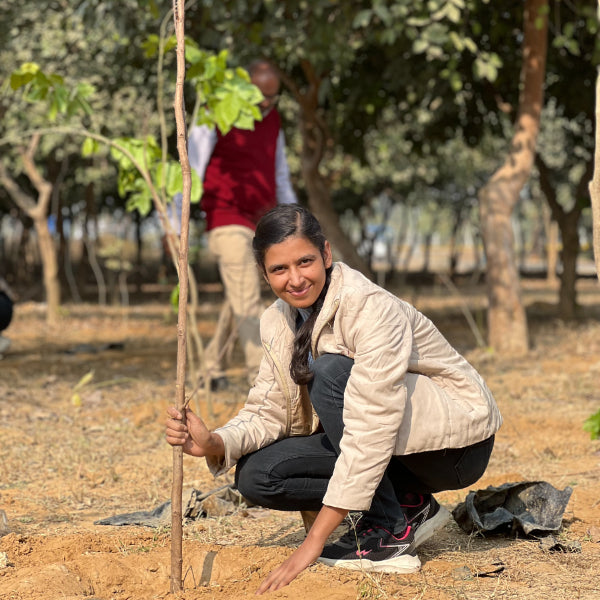
Tree Plantation by Cause - Plant Trees for Every Purpose | Grow Billion Trees
Transform your environmental impact with purpose-driven tree plantation by cause programs that...
Corporate Plantations
-

Trees for Corporates - Achieve Net Zero Targets Through Strategic Tree Planting
Trees for Corporates - Strategic Environmental SolutionsTransform your corporate environmental impact with...
-

Tree Plantation for CSR - Corporate Environmental Programs | Grow Billion Trees
Tree Plantation for CSR - Transform Your Corporate Environmental ImpactTree plantation for...
-
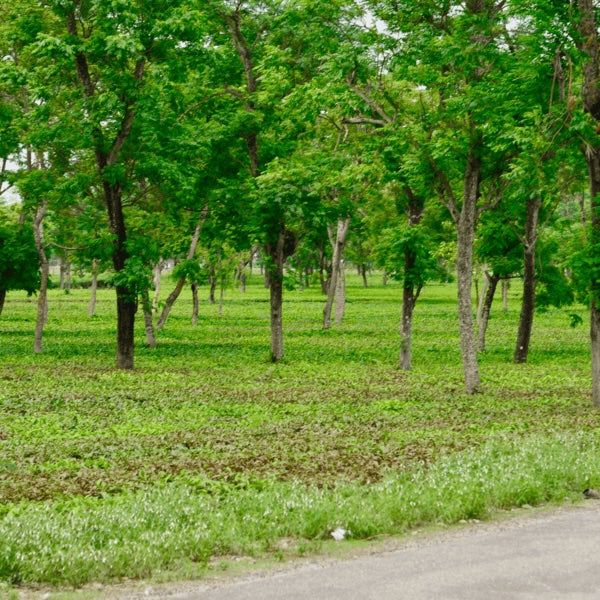
Tree Plantation for SDG - Support Sustainable Development Goals
Tree plantation for SDG initiatives represents a powerful pathway to achieving multiple...
-

Corporate Tree Plantation Programs - Sustainable ESG Environmental Solutions for Net Zero Targets
Transform your organization's environmental impact with our comprehensive Corporate Tree Plantation Programs...
-
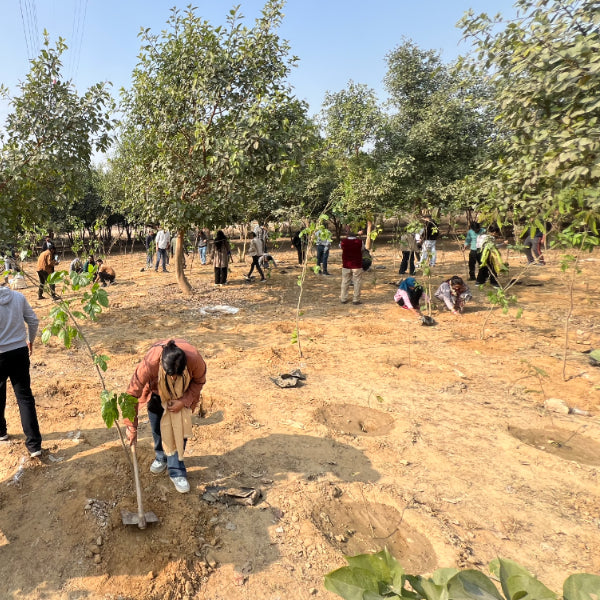
Tree Plantation by Location - Plant Trees Across India
Transform landscapes nationwide through our comprehensive tree plantation by location program. When...
Most Popular Tree Plantations - Top Choices for Environmental Impact
-
Trees for Mother
Regular price ₹ 299Regular priceUnit price per -
Trees to Honor the Memory of your Loved Ones
Regular price ₹ 299Regular priceUnit price per -
Trees for Wedding Anniversary Celebration
Regular price ₹ 299Regular priceUnit price per -
Trees for Grandmother
Regular price ₹ 299Regular priceUnit price per -
Trees for Grandfather
Regular price ₹ 299Regular priceUnit price per