

How to Sell Carbon Credits in India: Complete Guide
Selling carbon credits in India has become a proven pathway for landowners, farmers, and organisations to transform their green efforts into real fina Read more
Connect with us
-
👥 Corporates
If you are looking for:
- 🌲 Tree Plantation Events
- 📊 CSR Projects
📧 corporate@growbilliontrees.com
📞 +91 9699723523
💬 +91 9325931304 WhatsApp (Only)
🕒 Mon - Sat | 10am - 7pm IST
-
🧩 Tree Plantation NGOs
If you are looking for:
- 💰 Financial Assistance
- 🤝 Operational Support
📧 support@growbilliontrees.com
📞 +91 9699723523
💬 +91 9325931304 WhatsApp (Only)
🕒 Mon - Sat | 10am - 7pm IST
-
🌼 Individuals
If you are looking for:
- 👥 Group Tree Plantation Drive
- 🌳 Bulk Tree Plantation
📞 +91 9699723523
💬 +91 9325931304 WhatsApp (Only)
🕒 Mon - Sat | 10am - 7pm IST
Trending Tree Plantations - Most Popular Environmental Programs
-
Trees for Mother
Regular price ₹ 299Regular priceUnit price per -
Trees to Honor the Memory of your Loved Ones
Regular price ₹ 299Regular priceUnit price per -
Trees for Women's Day (8th Mar)
Regular price ₹ 299Regular priceUnit price per -
Trees for Wedding Anniversary Celebration
Regular price ₹ 299Regular priceUnit price per -
Trees for Grandmother
Regular price ₹ 299Regular priceUnit price per





Trees for Corporates - Achieve Net Zero Targets Through Strategic Tree Planting
-
 Project Closed
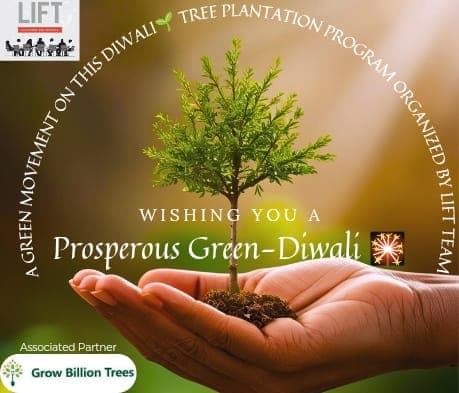
Trees by LIFT Team for Green Diwali: Transform Your Festival
Regular price ₹ 299Regular priceUnit price per -
Trees for a Greener Tomorrow - by Mahindra Lifespaces
Regular price ₹ 299Regular priceUnit price per -
Trees for Environment Day: Plant Your Impact on June 5th
Regular price ₹ 299Regular priceUnit price per -
 Project Closed
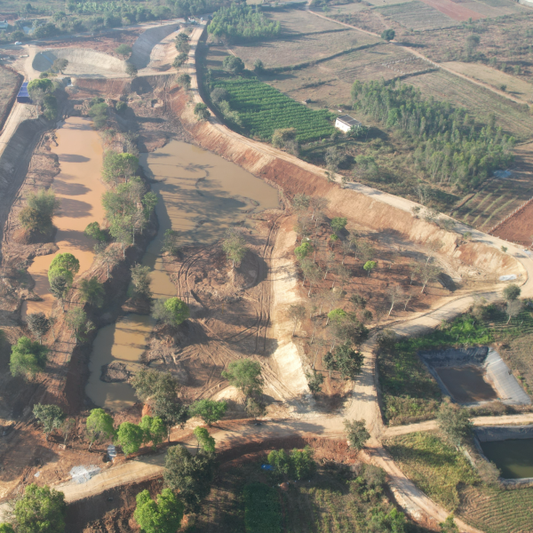
Trees for Bangalore: Plant Native Trees in Garden City ₹299
Regular price ₹ 799Regular priceUnit price per -
Trees for Employees: Transform Your Corporate Culture in 2026
Regular price ₹ 299Regular priceUnit price per



Selling carbon credits in India has become a proven pathway for landowners, farmers, and organisations to transform their green efforts into real financial value. India's carbon market is growing fast, with 2026 data showing over 40 million tonnes of CO2 offset through voluntary and compliance markets. Whether you nurture forests, restore mangroves, or run agroforestry programmes, understanding how to sell carbon credits in India can boost your income while helping our planet thrive.
According to the United Nations Climate Change framework, carbon markets are a key tool for achieving global temperature goals. India is now one of the fastest-growing carbon credit markets in Asia, making this a wonderful moment to get involved.
What Are Carbon Credits and Why Do They Matter?
A carbon credit represents one tonne of carbon dioxide removed or avoided from the atmosphere. These credits are bought by companies and governments to offset emissions and meet Net Zero Targets. The Indian government launched the Carbon Credit Trading Scheme (CCTS) under the Energy Conservation (Amendment) Act, 2022. As a result, both voluntary and compliance markets are now active and expanding across the country.
This creates a great opportunity for eco-friendly project developers, tree planters, and conscious farmers. Carbon markets directly connect environmental action with financial reward, making sustainability a smart business choice.
✅ How to Sell Carbon Credits in India: Step-by-Step
The process of selling carbon credits in India involves clear, manageable steps. Here is a straightforward guide to help you grow your green income and improve your environmental impact together.
Step 1 → Identify Your Carbon Project Type
First, identify the type of natural or clean energy project you want to register. Common project types eligible in India include:
- Reforestation and afforestation — planting trees on degraded land
- Agroforestry — integrating trees with sustainable farming
- Mangrove restoration — coastal blue carbon sinks
- Miyawaki forests — dense, fast-growing urban green spaces
- Renewable energy projects — solar, wind, and biogas installations
Step 2 → Choose a Verified Certification Standard
Certification ensures your carbon credits are verified and accepted by buyers. In India, the most recognised standards include:
- Verra VCS (Verified Carbon Standard) — globally trusted for voluntary markets
- Gold Standard — combines carbon reduction with sustainable development goals
- Bureau of Energy Efficiency (BEE) — India's domestic compliance framework
- UNFCCC Clean Development Mechanism — for larger international projects
Step 3 → Conduct a Secure Baseline Assessment
A certified third-party auditor will measure your land's current carbon stock. This baseline determines how many credits you can generate over time. The process is secure and follows internationally accepted methodologies. Our experience at Grow Billion Trees shows that GeoTag technology makes documentation far more accurate and easy to manage.
Step 4 → Register and Get Certified
Submit your project documents to your chosen certifying body. Registration involves environmental impact assessments, community benefit reports, and land tenure verification. In addition, you will need to provide GPS coordinates and land area details for review.
Step 5 → List and Sell on Carbon Platforms
Once certified, your credits are issued and listed for sale on carbon exchanges or traded directly with corporate buyers. This is where the financial benefit of your sustainable efforts is fully realised. It is an easy process once your documentation is in order.
⭐ Top Platforms to Sell Carbon Credits in India
India now has multiple platforms where you can sell your carbon credits. These platforms connect eco-friendly project developers with verified corporate buyers seeking to meet their Net Zero Targets.
Indian Carbon Exchange (ICX)
The Indian Carbon Exchange is a domestic platform developed to facilitate trading of Carbon Credit Certificates (CCCs) under the CCTS framework. It is operated in partnership with the Bureau of Energy Efficiency and provides a certified trading environment. This platform is a great starting point for compliance market participants.
Climate Connect Digital
Climate Connect Digital is a technology-driven platform that helps project developers list, track, and sell carbon credits. It supports voluntary market standards and connects Indian projects with global buyers. The platform is trusted by corporates looking for authentic, verified offsets.
EKI Energy Services Ltd
EKI Energy is one of India's largest carbon credit organisations. It handles project development, certification, and trading on behalf of landowners and forest managers. Moreover, EKI works with both domestic and international buyers, making it ideal for scaling your carbon income.
Verra Registry and Gold Standard Registry
For projects seeking global credibility, both Verra and Gold Standard registries allow Indian project developers to list credits accessible to multinational companies. The United Nations Environment Programme's forests initiative recognises both standards as key tools for forest-based carbon sequestration.
Carbon Markets India (CMI)
CMI facilitates voluntary carbon trading and helps connect grassroots project developers — including tribal communities and farmers — with corporate buyers. Furthermore, CMI provides capacity-building support for first-time carbon sellers to help them thrive in this growing market.
💡 Tree Plantation Carbon Projects: Corporate Participation
Many leading Indian and global corporations have partnered with carbon project developers for large-scale tree plantation drives. These partnerships help the planet while helping companies achieve their Net Zero Targets. Here are some wonderful examples of corporate participation in 2026:
Tata Group
Tata Group has invested in afforestation projects across Maharashtra and Jharkhand through verified carbon programmes. Their commitment to planting millions of trees has generated significant carbon credits. We are glad to see industry leaders taking such mindful, conscious action for the earth.
Infosys
Infosys became carbon neutral and continues to invest in high-quality reforestation carbon projects across India. The company partners with certified land managers to ensure each planted tree contributes to measurable, verified carbon sequestration. Their approach is both hands-on and data-driven.
Mahindra Group
Mahindra's sustainability programme includes funding mangrove and agroforestry carbon projects in coastal and rural India. Their hands-on approach to environmental restoration has made them one of India's most trusted corporate environmental contributors. Their carbon projects nurture biodiversity alongside carbon reduction.
ITC Limited
ITC Limited is a pioneer in India's voluntary carbon market. Their social forestry and watershed programmes have sequestered millions of tonnes of CO2. ITC has been a certified carbon-positive company for over a decade, setting a benchmark for responsible corporate action.
Wipro and HCL Technologies
Both Wipro and HCL Technologies have committed to science-based targets and fund tree plantation carbon projects as part of their net zero roadmaps. In addition, they support urban forestry and Miyawaki forest creation in cities like Bangalore and Hyderabad, improving urban air quality and biodiversity.
✅ Grow Billion Trees: Driving Carbon Action Across India
At Grow Billion Trees, we are proud to be part of India's growing carbon credit ecosystem. Our mission is to plant 100 crore trees by June 2030, and our carbon programmes are designed to help individuals and corporates make a measurable impact together. We provide 4ft Tree Planting + 3 Years Care + GeoTag for every tree, ensuring verified, trackable growth that supports carbon credit generation.
Our team works hands-on with landowners, farmers, and corporate partners to develop carbon-ready plantation projects. We ensure every project meets the standards required for certification and long-term monitoring. Our GeoTag technology enables real-time tracking of each tree, making our carbon data authentic and fully defensible for credit buyers.
We are happy to support corporates in Combating Climate Change Through Collective Action. Our agroforestry, Miyawaki, and mangrove programmes are all structured to contribute to voluntary carbon markets. By planting a tree through Grow Billion Trees, you are not just planting — you are building a living carbon asset for the future.
According to WWF's analysis on deforestation and forest degradation, restoring forests is one of the most cost-effective ways to sequester carbon. Our programmes directly address this challenge by nurturing diverse, native forests across India's most vulnerable landscapes.
⚠️ Compliance Requirements for Selling Carbon Credits
India's carbon market compliance framework is governed by the Ministry of Environment, Forest and Climate Change (MoEFCC) and the Bureau of Energy Efficiency (BEE). To sell carbon credits legally and profitably, project developers must meet these core requirements:
- ✅ Project Registration — Register with BEE or an approved certifying body
- ✅ Third-party Verification — Annual audits by accredited, independent verifiers
- ✅ Additionality Proof — Demonstrate carbon reduction would not occur without the project
- ✅ Permanence Guarantee — Commit to maintaining the project for 20–30 years
- ✅ Co-benefits Documentation — Record biodiversity, community, and livelihood benefits
- ✅ KYC and Legal Compliance — Verified identity and land ownership documentation
The United Nations Sustainable Development Goals framework provides a valuable reference for designing carbon projects that deliver co-benefits beyond carbon alone — including SDG 13 (Climate Action), SDG 15 (Life on Land), and SDG 8 (Decent Work).
Frequently Asked Questions
Who can sell carbon credits in India?
Any individual, farmer, corporate, or organisation owning land or managing forests can sell carbon credits in India. You need to register a carbon project with a recognised certification body and have your carbon reductions independently verified to get started.
What types of projects generate carbon credits in India?
Tree plantation, agroforestry, mangrove restoration, renewable energy, and waste management projects all generate carbon credits. Reforestation and Miyawaki forest projects are particularly popular in 2026 due to their high co-benefit value and biodiversity impact.
How long does it take to sell credits after planting trees?
It typically takes 1–3 years from project registration to your first credit issuance. However, once certified, you can sell credits on an annual basis as your trees grow and sequester more carbon over time.
What role does GeoTag technology play in carbon projects?
GeoTag technology provides verified GPS-based tracking of each planted tree. This improves monitoring accuracy, supports third-party audits, and makes carbon data more credible for buyers. Grow Billion Trees integrates GeoTag into every project to transform raw data into trusted carbon assets.
Which certification is best for tree plantation projects in India?
Verra VCS and Gold Standard are most widely recognised for voluntary market projects. For compliance market projects under India's CCTS, BEE certification is required. Your choice depends on project scale and target buyers.
Can small farmers participate in carbon credit markets?
Yes, small farmers can participate through aggregation programmes. Grow Billion Trees helps farmers bundle their land into larger projects, making certification and trading more accessible. This approach helps rural communities save costs and improve their livelihoods.
What is India's Carbon Credit Trading Scheme (CCTS)?
CCTS is India's domestic compliance carbon market, established under the Energy Conservation (Amendment) Act, 2022. It requires designated industries to meet energy efficiency targets and allows them to trade Carbon Credit Certificates for compliance.
How do corporations buy credits from tree plantation projects?
Corporations buy credits directly from project developers, through brokers, or on verified registries. Many corporates also partner with organisations like Grow Billion Trees to create branded, traceable plantation projects that support their net zero goals.
Is income from selling carbon credits taxable in India?
As of 2026, carbon credit transactions are subject to GST and income tax provisions depending on the transaction structure. Consult a certified tax advisor to understand the implications for your specific project.
How does Grow Billion Trees support carbon project development?
Our team provides end-to-end support: site selection, 4ft Tree Planting + 3 Years Care + GeoTag, and full documentation for carbon project registration. We work with landowners and corporates alike to help them Plant a tree in your Name and contribute meaningfully to 100 crore trees across India.
Start Your Carbon Journey Today
India's carbon market represents a great opportunity to earn income while helping the earth recover and thrive. Whether you are a farmer looking to improve land value, a corporate seeking to meet Net Zero Targets, or an individual passionate about Combating Climate Change Through Collective Action — selling carbon credits is a meaningful, proven step forward.
We love connecting people with the tools, technology, and programmes that transform trees into lasting impact. Therefore, there has never been a better time to explore the carbon credit opportunity in India. Discover how Grow Billion Trees can help you develop a carbon-ready, natural plantation project and Plant a tree in your Name as part of our mission to plant 100 crore trees by June 2030.
Ready to grow your impact? Learn more about our tree planting and carbon programmes at Grow Billion Trees and take the first step toward a greener, more sustainable future — together.
You may like
-
Gift a Tree - Meaningful Environmental Gifts That Make a Difference
Transform your gift-giving with meaningful environmental gifts that create lasting impact for...
-

Trees For Shiv Ji - Sacred Tree Planting to Honor Lord Shiva
Honor Lord Shiva through sacred tree planting with Trees For Shiv Ji,...
-

Tree Plantations for Shri Ram - Sacred Devotional Planting Services
Honor Lord Shri Ram through meaningful tree plantations for Shri Ram that...
-
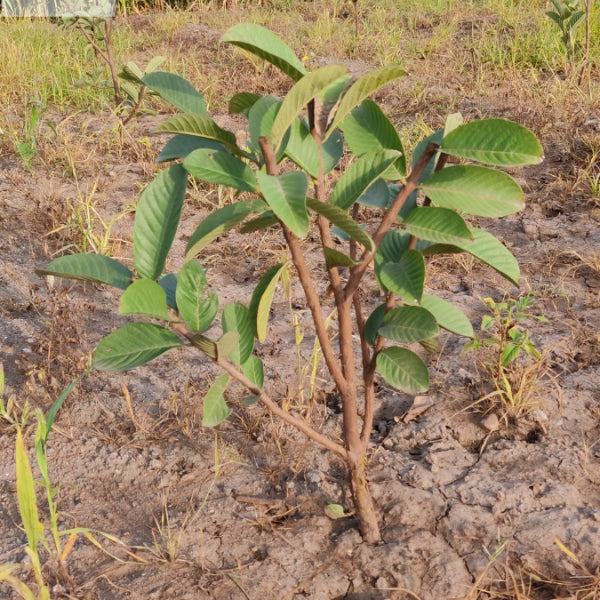
Tree Plantation on Navratri - Celebrate Divine Festivals with Environmental Devotion
Tree plantation on Navratri transforms the sacred nine-day festival into a powerful...
-
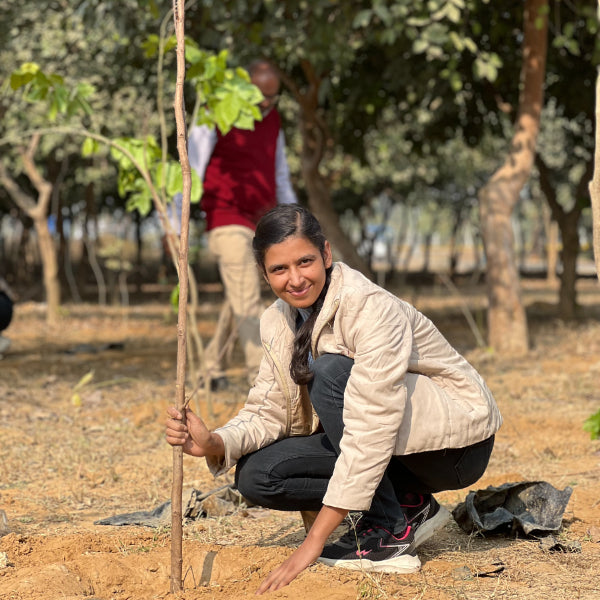
Tree Plantation by Cause - Plant Trees for Every Purpose | Grow Billion Trees
Transform your environmental impact with purpose-driven tree plantation by cause programs that...
Corporate Plantations
-
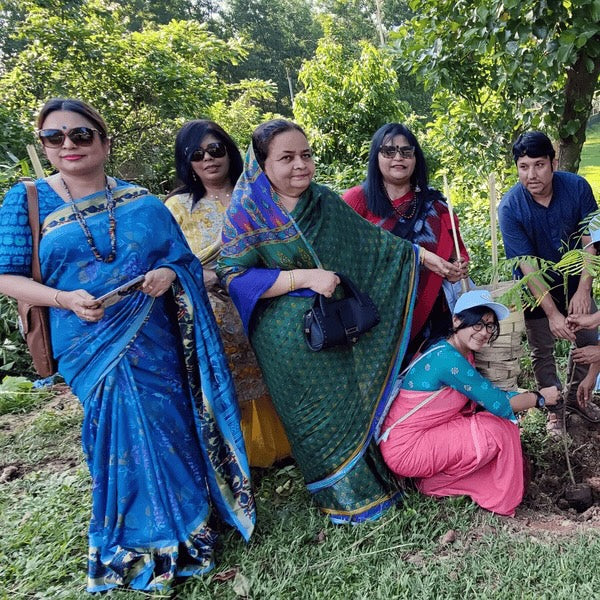
Trees for Corporates - Achieve Net Zero Targets Through Strategic Tree Planting
Trees for Corporates - Strategic Environmental SolutionsTransform your corporate environmental impact with...
-

Tree Plantation for CSR - Corporate Environmental Programs | Grow Billion Trees
Tree Plantation for CSR - Transform Your Corporate Environmental ImpactTree plantation for...
-
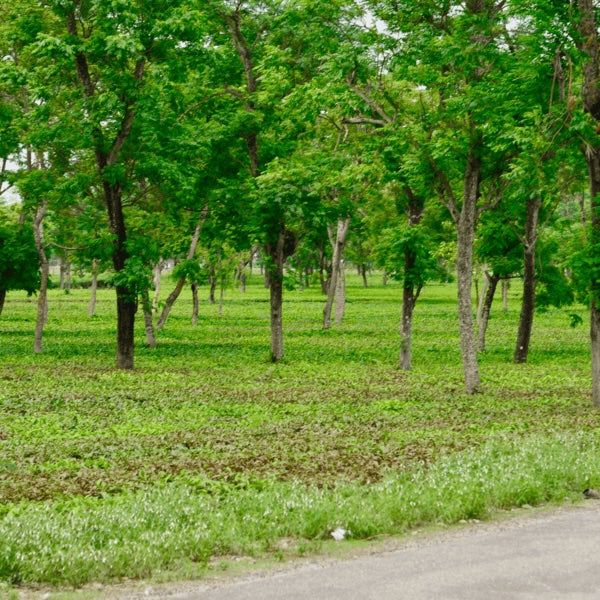
Tree Plantation for SDG - Support Sustainable Development Goals
Tree plantation for SDG initiatives represents a powerful pathway to achieving multiple...
-

Corporate Tree Plantation Programs - Sustainable ESG Environmental Solutions for Net Zero Targets
Transform your organization's environmental impact with our comprehensive Corporate Tree Plantation Programs...
-
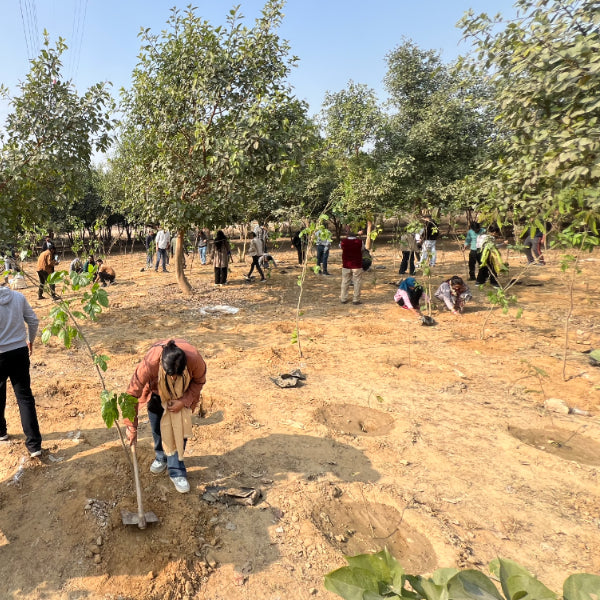
Tree Plantation by Location - Plant Trees Across India
Transform landscapes nationwide through our comprehensive tree plantation by location program. When...
Most Popular Tree Plantations - Top Choices for Environmental Impact
-
Trees for Mother
Regular price ₹ 299Regular priceUnit price per -
Trees to Honor the Memory of your Loved Ones
Regular price ₹ 299Regular priceUnit price per -
Trees for Wedding Anniversary Celebration
Regular price ₹ 299Regular priceUnit price per -
Trees for Grandmother
Regular price ₹ 299Regular priceUnit price per -
Trees for Grandfather
Regular price ₹ 299Regular priceUnit price per