

Startup Guide to Carbon Credit Generation in India: Sustainable Profits
Welcome to the exciting world of carbon credit generation! For startups in India, carbon credits offer a wonderful opportunity to create sustainable p Read more
Connect with us
-
👥 Corporates
If you are looking for:
- 🌲 Tree Plantation Events
- 📊 CSR Projects
📧 corporate@growbilliontrees.com
📞 +91 9699723523
💬 +91 9325931304 WhatsApp (Only)
🕒 Mon - Sat | 10am - 7pm IST
-
🧩 Tree Plantation NGOs
If you are looking for:
- 💰 Financial Assistance
- 🤝 Operational Support
📧 support@growbilliontrees.com
📞 +91 9699723523
💬 +91 9325931304 WhatsApp (Only)
🕒 Mon - Sat | 10am - 7pm IST
-
🌼 Individuals
If you are looking for:
- 👥 Group Tree Plantation Drive
- 🌳 Bulk Tree Plantation
📞 +91 9699723523
💬 +91 9325931304 WhatsApp (Only)
🕒 Mon - Sat | 10am - 7pm IST
Trending Tree Plantations - Most Popular Environmental Programs
-
Trees for Mother
Regular price ₹ 299Regular priceUnit price per -
Trees to Honor the Memory of your Loved Ones
Regular price ₹ 299Regular priceUnit price per -
Trees for Women's Day (8th Mar)
Regular price ₹ 299Regular priceUnit price per -
Trees for Wedding Anniversary Celebration
Regular price ₹ 299Regular priceUnit price per -
Trees for Grandmother
Regular price ₹ 299Regular priceUnit price per





Trees for Corporates - Achieve Net Zero Targets Through Strategic Tree Planting
-
 Project Closed
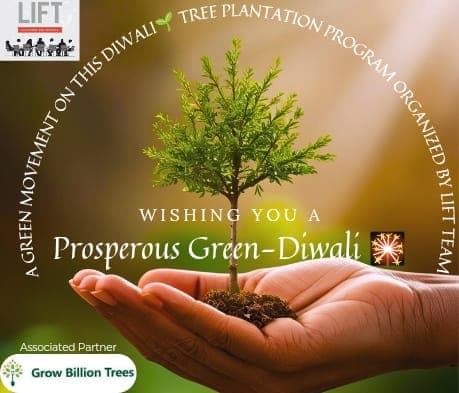
Trees by LIFT Team for Green Diwali: Transform Your Festival
Regular price ₹ 299Regular priceUnit price per -
Trees for a Greener Tomorrow - by Mahindra Lifespaces
Regular price ₹ 299Regular priceUnit price per -
Trees for Environment Day: Plant Your Impact on June 5th
Regular price ₹ 299Regular priceUnit price per -
 Project Closed
Trees for Bangalore: Plant Native Trees in Garden City ₹299
Regular price ₹ 799Regular priceUnit price per -
Trees for Employees: Transform Your Corporate Culture in 2026
Regular price ₹ 299Regular priceUnit price per



Welcome to the exciting world of carbon credit generation! For startups in India, carbon credits offer a wonderful opportunity to create sustainable profits while combating climate change through collective action. Our experience shows that businesses can generate significant revenue streams by developing verified carbon projects that reduce greenhouse gas emissions.
Carbon credits represent one tonne of CO₂ equivalent removed from the atmosphere. In 2026, the global carbon credit market is valued at over $1 billion. We're happy to guide you through this transformative journey toward achieving net zero targets while building a profitable green business.
Understanding Carbon Credits: The Foundation of Green Business
Carbon credits work as tradeable certificates that prove your project has removed or avoided greenhouse gas emissions. Each credit equals one tonne of CO₂ equivalent. Our team has found that successful startups focus on measurable, verifiable emission reductions.
The carbon market operates through two main systems. Compliance markets serve regulated industries that must offset their emissions. Voluntary markets allow companies to purchase credits for corporate sustainability goals.
India's carbon credit potential is enormous. The country aims to achieve net zero by 2070. According to the United Nations Sustainable Development Goals, developing nations like India play crucial roles in global climate action through innovative green technologies.
✅ Top Carbon Credit Project Types for Indian Startups
Renewable energy projects generate substantial carbon credits. Solar, wind, and biogas installations create verified emission reductions. We provide comprehensive support for startups developing clean energy solutions across India's growing green economy.
Afforestation and reforestation projects offer excellent opportunities. Plant a tree in your name through our programs that include 4ft tree planting + 3 years care + geotag tracking. Our miyawaki forest initiatives create dense urban forests that generate significant carbon credits.
Agriculture-based projects transform farming practices. Improved cookstoves, methane capture, and sustainable farming techniques reduce emissions while boosting rural incomes. These projects align perfectly with India's agricultural transformation goals.
Waste management solutions capture methane from landfills and organic waste. Industrial energy efficiency upgrades reduce emissions while cutting operational costs. Our partners have successfully implemented numerous such projects across Indian cities.
⭐ Step-by-Step Process: From Concept to Carbon Credits
Project development begins with feasibility assessment. Identify emission reduction opportunities in your target sector. Calculate potential carbon credit volumes using established methodologies. We ensure our clients understand market demand and pricing trends.
Design your project using approved methodologies. The Clean Development Mechanism (CDM) and Verified Carbon Standard (VCS) provide frameworks for different project types. Our experience shows that detailed planning saves time during validation.
→ Validation and registration require third-party verification. Designated Operational Entities (DOEs) review project documentation. This process typically takes 6-12 months depending on project complexity.
Implementation and monitoring follow registration. Install measurement systems and collect emission data. Regular monitoring reports demonstrate actual emission reductions achieved by your project.
Verification and credit issuance complete the cycle. Independent verifiers confirm your emission reductions. Certified credits enter registries for trading and retirement by buyers.
💡 Regulatory Framework: Navigating India's Carbon Market
India's regulatory environment supports carbon credit development. The Ministry of Environment, Forest and Climate Change oversees national policies. State governments implement local regulations and provide incentives for green projects.
The Energy Efficiency Services Limited (EESL) promotes energy efficiency projects. Various state renewable energy agencies facilitate clean energy developments. Our team stays updated on policy changes that affect carbon project development.
International standards govern credit quality. The United Nations climate change framework establishes guidelines for emission reduction projects. Compliance with these standards ensures credit marketability and premium pricing.
Banking and financial regulations affect project financing. Green bonds and climate finance mechanisms support carbon project development. We help startups navigate regulatory requirements while securing necessary funding.
Financial Opportunities: Maximizing Revenue Streams
Carbon credit pricing varies by project type and quality. Premium credits from forestry projects command higher prices. Our data shows that verified credits from Indian projects trade between $5-$25 per tonne in 2026.
Multiple revenue streams boost profitability. Primary revenue comes from carbon credit sales. Secondary benefits include energy savings, waste reduction, and improved operational efficiency. Many projects generate positive cash flows within 2-3 years.
Financing options support project development. Green bonds, climate funds, and impact investors provide capital. Government subsidies and tax incentives reduce initial investment requirements. We connect startups with appropriate funding sources.
Long-term contracts provide revenue certainty. Corporate buyers increasingly seek multi-year carbon credit agreements. This trend creates stable income streams for project developers throughout India's expanding green economy.
⚠️ Common Challenges and Solutions
Technical complexity often overwhelms new developers. Methodology selection, monitoring systems, and verification requirements demand expertise. Our partners provide technical support throughout the project lifecycle.
Financing gaps delay project implementation. High upfront costs and uncertain returns deter investors. However, innovative financing mechanisms like pay-for-performance models reduce financial barriers for startups.
Market volatility affects credit pricing. Economic conditions and policy changes influence demand. Diversifying project portfolios and securing long-term contracts mitigate price risks effectively.
Regulatory changes create uncertainty. New standards and requirements affect project eligibility. Staying informed about policy developments ensures compliance and market access for carbon projects.
🌱 Grow Billion Trees: Your Partner in Carbon Credit Success
We love helping startups navigate the carbon credit landscape. Our comprehensive programs support every stage of project development. From initial feasibility studies to credit monetization, we provide expert guidance and resources.
Our miyawaki forest projects generate premium carbon credits while creating biodiversity hotspots. These dense urban forests sequester carbon rapidly and provide multiple environmental benefits. Plant trees through our programs that include complete care and monitoring services.
Agroforestry initiatives combine tree planting with agricultural productivity. Farmers benefit from additional income streams while contributing to India's goal of planting 100 crore trees. These projects align perfectly with sustainable development objectives.
Technology integration ensures project success. Our geotag systems track individual trees and monitor growth progress. Digital platforms provide transparent reporting and verification capabilities that meet international standards.
Market Trends and Future Opportunities
Corporate demand for carbon credits continues growing. Companies across industries seek verified offsets to achieve net zero targets. The World Wildlife Fund reports that forest-based credits are particularly valuable for biodiversity co-benefits.
Technology innovations improve project efficiency. Satellite monitoring, IoT sensors, and blockchain verification reduce costs and increase transparency. These advances make carbon projects more accessible to startups with limited resources.
International cooperation expands market access. Article 6 of the Paris Agreement creates mechanisms for international carbon trading. Indian projects can access global markets through these cooperative approaches.
Nature-based solutions gain prominence. Forest restoration, wetland conservation, and regenerative agriculture projects attract premium pricing. These projects provide multiple benefits beyond carbon sequestration including biodiversity conservation and community development.
Building Your Carbon Credit Startup: Practical Steps
Market research identifies the best opportunities. Analyze local emission sources and reduction potential. Study competitor projects and pricing trends. Our experience shows that thorough market analysis prevents costly mistakes during development.
Team building requires diverse expertise. Environmental scientists, project managers, and financial analysts form the core team. Legal and regulatory specialists ensure compliance with evolving standards and requirements.
Partnership development accelerates growth. Collaborate with technology providers, verification bodies, and credit buyers. Strategic alliances provide access to resources and markets that individual startups cannot reach independently.
Pilot projects demonstrate capabilities. Start with smaller initiatives to build experience and credibility. Successful pilot projects attract investors and partners for larger developments throughout India's carbon market.
Frequently Asked Questions
How long does it take to generate carbon credits in India?
Project development typically takes 12-24 months from concept to first credit issuance. Validation and registration require 6-12 months, followed by implementation and monitoring phases. Our team ensures efficient project timelines through expert guidance.
What are the minimum investment requirements for carbon credit projects?
Investment requirements vary by project type and scale. Small renewable energy projects start around ₹50 lakhs, while large forestry initiatives require ₹2-5 crores. We help startups identify appropriate project sizes and financing options.
Which carbon credit standards are most accepted in India?
The Verified Carbon Standard (VCS) and Gold Standard are widely accepted internationally. The Clean Development Mechanism (CDM) remains relevant for certain project types. Our experts recommend standards based on project characteristics and market preferences.
How do I find buyers for my carbon credits?
Carbon credit exchanges, brokers, and direct corporate sales provide market access. Online platforms connect sellers with buyers globally. We maintain relationships with credit purchasers and facilitate sales for our partners' projects.
What ongoing obligations exist after credit issuance?
Monitoring and reporting continue throughout the crediting period. Projects must demonstrate permanent emission reductions and maintain additionality. Regular verification ensures continued credit issuance and market acceptance.
Can small startups compete with large corporations in carbon markets?
Small startups often have advantages in niche markets and innovative approaches. Agility and specialized expertise enable competitive positioning. Collaborative partnerships and technology adoption level the playing field effectively.
What role does technology play in carbon credit generation?
Technology improves monitoring accuracy, reduces costs, and enhances transparency. Satellite imagery, IoT sensors, and blockchain systems streamline project operations. Digital platforms facilitate credit trading and buyer engagement efficiently.
How do government policies affect carbon credit projects in India?
Supportive policies include renewable energy targets, forest conservation programs, and green financing initiatives. Regular policy updates affect project eligibility and incentives. We monitor regulatory changes and advise clients accordingly.
Transform Your Startup Vision into Climate Action
Carbon credit generation offers tremendous opportunities for Indian startups to create sustainable profits while addressing climate change. The growing market demand, supportive policies, and technological innovations make 2026 an ideal time to enter this transformative sector.
Success requires careful planning, expert guidance, and strategic partnerships. Our comprehensive programs provide the support and resources needed to develop successful carbon credit projects. From tree planting initiatives to renewable energy developments, we help startups navigate every aspect of the carbon market.
The journey toward sustainable profits begins with a single step. Join thousands of entrepreneurs who are building profitable businesses while contributing to India's environmental goals. Together, we can achieve the target of planting 100 crore trees while creating a thriving green economy.
Ready to start your carbon credit journey? Explore our programs and discover how your startup can generate sustainable profits while combating climate change through collective action. Plant a tree in your name and begin your path to carbon credit success today.
You may like
-
Gift a Tree - Meaningful Environmental Gifts That Make a Difference
Transform your gift-giving with meaningful environmental gifts that create lasting impact for...
-

Trees For Shiv Ji - Sacred Tree Planting to Honor Lord Shiva
Honor Lord Shiva through sacred tree planting with Trees For Shiv Ji,...
-

Tree Plantations for Shri Ram - Sacred Devotional Planting Services
Honor Lord Shri Ram through meaningful tree plantations for Shri Ram that...
-
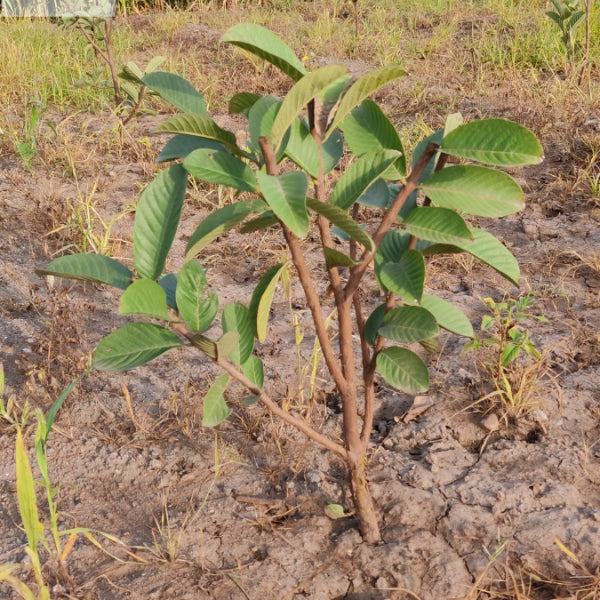
Tree Plantation on Navratri - Celebrate Divine Festivals with Environmental Devotion
Tree plantation on Navratri transforms the sacred nine-day festival into a powerful...
-
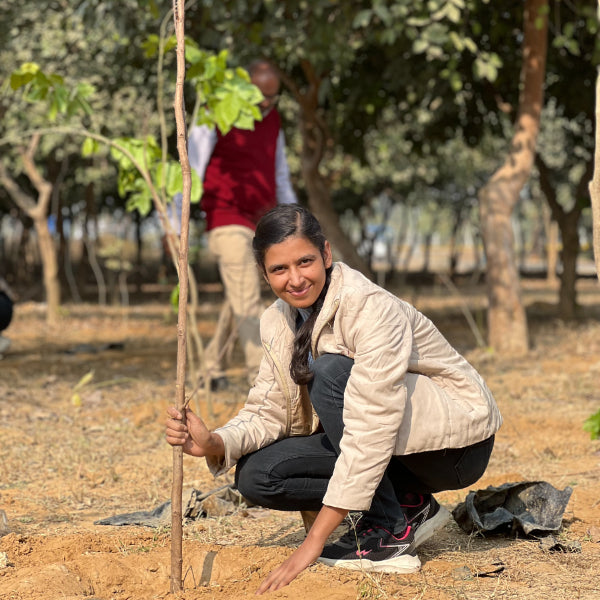
Tree Plantation by Cause - Plant Trees for Every Purpose | Grow Billion Trees
Transform your environmental impact with purpose-driven tree plantation by cause programs that...
Corporate Plantations
-

Trees for Corporates - Achieve Net Zero Targets Through Strategic Tree Planting
Trees for Corporates - Strategic Environmental SolutionsTransform your corporate environmental impact with...
-

Tree Plantation for CSR - Corporate Environmental Programs | Grow Billion Trees
Tree Plantation for CSR - Transform Your Corporate Environmental ImpactTree plantation for...
-
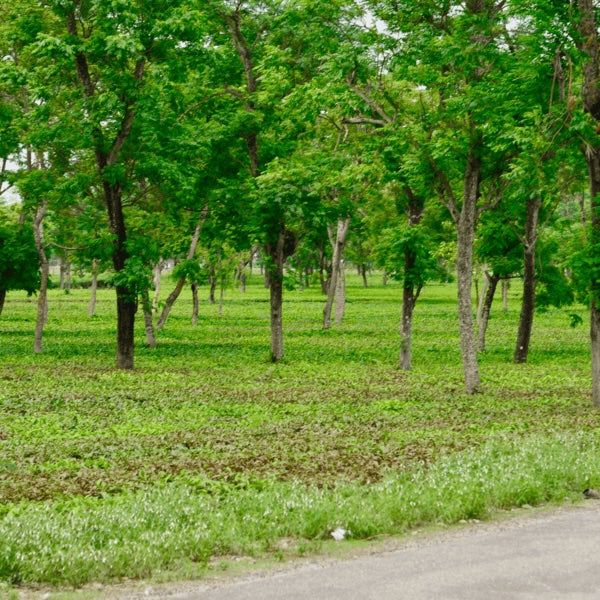
Tree Plantation for SDG - Support Sustainable Development Goals
Tree plantation for SDG initiatives represents a powerful pathway to achieving multiple...
-

Corporate Tree Plantation Programs - Sustainable ESG Environmental Solutions for Net Zero Targets
Transform your organization's environmental impact with our comprehensive Corporate Tree Plantation Programs...
-
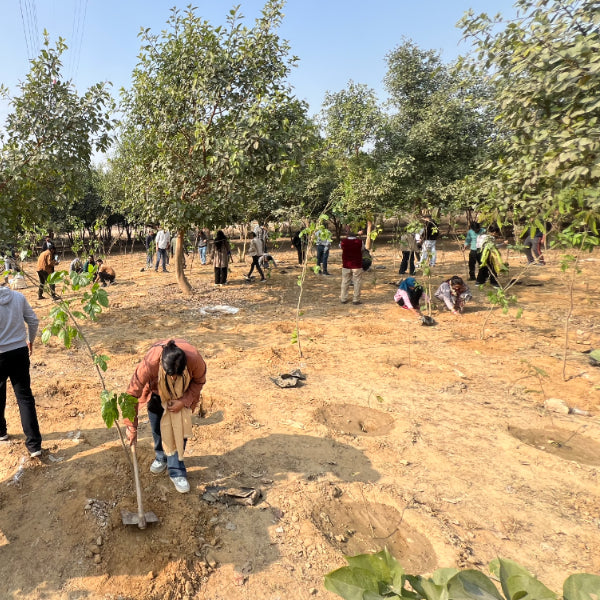
Tree Plantation by Location - Plant Trees Across India
Transform landscapes nationwide through our comprehensive tree plantation by location program. When...
Most Popular Tree Plantations - Top Choices for Environmental Impact
-
Trees for Mother
Regular price ₹ 299Regular priceUnit price per -
Trees to Honor the Memory of your Loved Ones
Regular price ₹ 299Regular priceUnit price per -
Trees for Wedding Anniversary Celebration
Regular price ₹ 299Regular priceUnit price per -
Trees for Grandmother
Regular price ₹ 299Regular priceUnit price per -
Trees for Grandfather
Regular price ₹ 299Regular priceUnit price per