

Voluntary Carbon Market Guide: How to Offset Emissions Effectively
The Voluntary Carbon Market empowers individuals and companies to take immediate climate action by purchasing carbon credits to offset their emissions Read more
Connect with us
-
👥 Corporates
If you are looking for:
- 🌲 Tree Plantation Events
- 📊 CSR Projects
📧 corporate@growbilliontrees.com
📞 +91 9699723523
💬 +91 9325931304 WhatsApp (Only)
🕒 Mon - Sat | 10am - 7pm IST
-
🧩 Tree Plantation NGOs
If you are looking for:
- 💰 Financial Assistance
- 🤝 Operational Support
📧 support@growbilliontrees.com
📞 +91 9699723523
💬 +91 9325931304 WhatsApp (Only)
🕒 Mon - Sat | 10am - 7pm IST
-
🌼 Individuals
If you are looking for:
- 👥 Group Tree Plantation Drive
- 🌳 Bulk Tree Plantation
📞 +91 9699723523
💬 +91 9325931304 WhatsApp (Only)
🕒 Mon - Sat | 10am - 7pm IST
Trending Tree Plantations - Most Popular Environmental Programs
-
Trees for Mother
Regular price ₹ 299Regular priceUnit price per -
Trees to Honor the Memory of your Loved Ones
Regular price ₹ 299Regular priceUnit price per -
Trees for Women's Day (8th Mar)
Regular price ₹ 299Regular priceUnit price per -
Trees for Wedding Anniversary Celebration
Regular price ₹ 299Regular priceUnit price per -
Trees for Grandmother
Regular price ₹ 299Regular priceUnit price per





Trees for Corporates - Achieve Net Zero Targets Through Strategic Tree Planting
-
 Project Closed
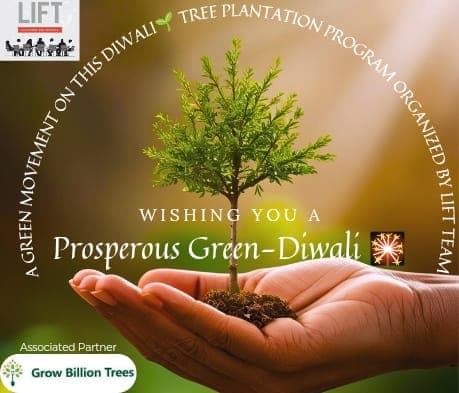
Trees by LIFT Team for Green Diwali: Transform Your Festival
Regular price ₹ 299Regular priceUnit price per -
Trees for a Greener Tomorrow - by Mahindra Lifespaces
Regular price ₹ 299Regular priceUnit price per -
Trees for Environment Day: Plant Your Impact on June 5th
Regular price ₹ 299Regular priceUnit price per -
Trees for Employees: Transform Your Corporate Culture in 2026
Regular price ₹ 299Regular priceUnit price per -
 Project Closed
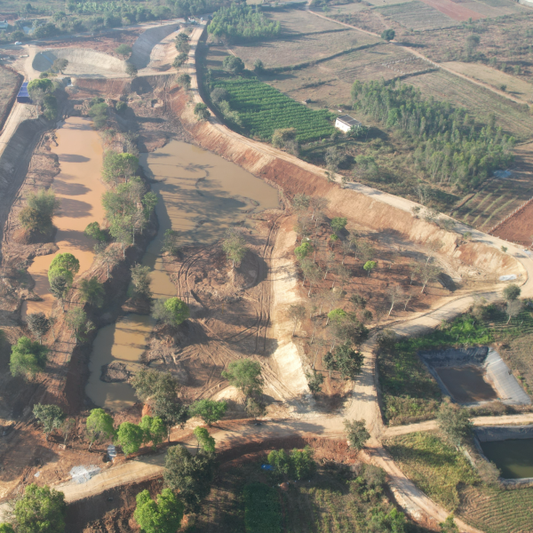
Trees for Bangalore: Plant Native Trees in Garden City ₹299
Regular price ₹ 799Regular priceUnit price per
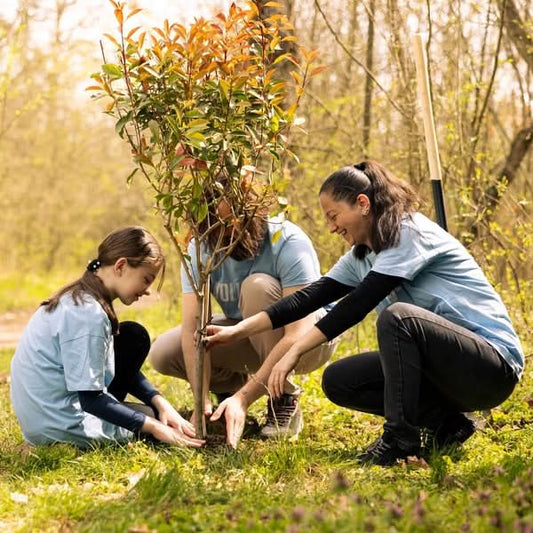

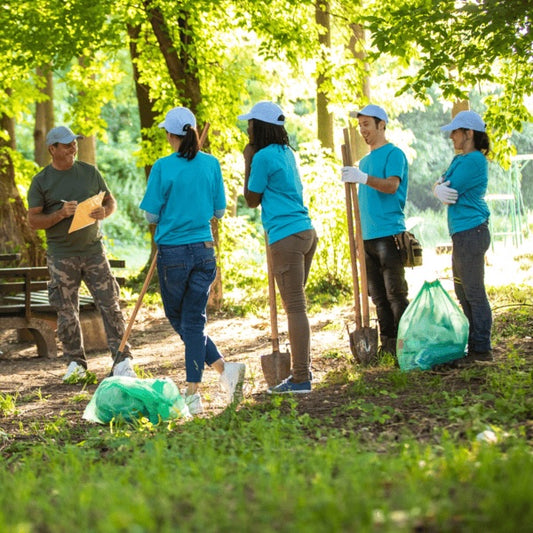
The Voluntary Carbon Market empowers individuals and companies to take immediate climate action by purchasing carbon credits to offset their emissions. We're happy to guide you through this wonderful opportunity to make a real environmental impact while working toward net zero targets.
Unlike compliance markets where regulations mandate participation, voluntary carbon markets allow conscious participants to choose their level of engagement. Our experience shows that this flexibility makes carbon offsetting accessible to everyone, from individual eco-conscious consumers to large corporations seeking sustainable solutions.
Understanding How the Voluntary Carbon Market Works
The voluntary carbon market operates on a simple yet powerful principle. Organizations and individuals calculate their carbon footprint, then purchase verified carbon credits to neutralize their emissions. Each credit represents one tonne of CO2 equivalent removed from the atmosphere or prevented from entering it.
We've found that successful offset programs typically involve three key steps. First, measure your current emissions through comprehensive auditing. Second, reduce emissions wherever possible through efficiency improvements and sustainable practices. Finally, offset remaining emissions through verified carbon credits.
According to the United Nations Climate Change initiative, voluntary carbon markets are essential for achieving global climate goals. The market has grown significantly, with 2026 data showing over $2 billion in annual transactions worldwide.
Types of Carbon Offset Projects Available
Forest conservation and reforestation projects dominate the voluntary carbon market landscape. These nature-based solutions provide multiple benefits beyond carbon sequestration, including biodiversity protection and community development. Our team has observed that tree planting initiatives consistently deliver measurable results.
Renewable energy projects represent another major category of offset opportunities. Wind farms, solar installations, and hydroelectric projects in developing countries generate credits by displacing fossil fuel energy. These projects often provide additional social benefits through job creation and improved energy access.
The United Nations Environment Programme forests initiative emphasizes that forest-based offset projects can deliver up to 37% of the mitigation needed to limit warming to 2°C. Our partners in agroforestry and Miyawaki forest programs have witnessed firsthand how these projects transform landscapes.
Benefits for Individual Carbon Offset Participants
Individual participation in voluntary carbon markets offers immediate climate impact without requiring lifestyle overhauls. We ensure that every person can contribute meaningfully to global emission reductions through accessible offset programs. Plant a tree in your Name for just ₹299 and receive 3 years of care plus GeoTag tracking.
Personal carbon offsetting provides psychological benefits alongside environmental impact. Many participants report feeling empowered and hopeful about climate action after purchasing their first credits. This positive emotional response often leads to broader sustainable behavior changes.
Our experience demonstrates that individual offset purchases create ripple effects within communities. Friends and family members frequently follow suit after seeing the satisfaction and peace of mind that comes from taking concrete climate action. This collective behavior drives market growth and project development.
Corporate Carbon Offset Strategies
Companies increasingly recognize voluntary carbon markets as essential tools for achieving net zero targets. We provide comprehensive solutions that help businesses measure, reduce, and offset their emissions while building stakeholder trust. Corporate offset programs demonstrate environmental leadership and attract conscious consumers.
Successful corporate strategies typically combine internal emission reductions with high-quality offset purchases. Our team works with businesses to identify the most impactful projects aligned with their values and sustainability goals. This approach ensures authentic climate action rather than mere greenwashing.
Large corporations often develop portfolio approaches to carbon offsetting. They diversify across project types, geographies, and timeframes to maximize impact while managing risks. This strategy proves particularly effective for companies with complex supply chains and diverse operations.
✅ Choosing Quality Carbon Credits
Quality verification stands as the cornerstone of effective carbon offsetting. We recommend focusing on credits certified by recognized standards such as Verra, Gold Standard, or Climate Action Reserve. These organizations ensure projects deliver real, additional, and permanent emission reductions.
Additionality represents a critical concept in credit evaluation. Projects must demonstrate that carbon reductions wouldn't have occurred without offset funding. Our experience shows that well-designed forestry and renewable energy projects typically meet this requirement effectively.
Permanence concerns affect different project types differently. Forest projects face risks from fires, disease, and deforestation, while renewable energy projects provide more certain long-term benefits. Diversifying across project types helps manage these risks while supporting various sustainable development goals.
💡 Technology and Innovation in Carbon Markets
Digital platforms have revolutionized voluntary carbon market accessibility and transparency. Blockchain technology enables secure credit tracking and prevents double counting. Our GeoTag technology allows participants to monitor their planted trees and verify ongoing carbon sequestration.
Satellite monitoring and artificial intelligence enhance project verification and monitoring. These technologies provide real-time data on forest health, growth rates, and carbon storage. We love how these innovations increase confidence in offset project performance and outcomes.
Mobile applications now make carbon offsetting as easy as online shopping. Users can calculate their footprints, browse verified projects, and purchase credits within minutes. This convenience drives increased participation and makes climate action accessible to broader audiences.
Challenges and Criticisms of Voluntary Markets
Critics rightfully point out that some offset projects fail to deliver promised emission reductions. Poor project design, inadequate monitoring, and inflated baselines can undermine offset effectiveness. However, improved standards and verification processes continue to address these concerns.
The World Wildlife Fund's research on deforestation highlights the importance of selecting projects with robust safeguards against reversal. Our partners ensure that tree planting initiatives include long-term care and protection measures.
Timing mismatches between emissions and sequestration create another challenge. While fossil fuel emissions occur immediately, tree-based projects sequester carbon over decades. Nevertheless, starting reforestation projects now remains crucial for long-term climate stability and ecosystem health.
⭐ Future of Voluntary Carbon Markets
Market growth projections indicate dramatic expansion through 2030 and beyond. Analysts predict the voluntary carbon market could reach $100 billion annually as more organizations commit to net zero targets. This growth will fund millions of tonnes of additional emission reductions globally.
Regulatory developments may blur lines between voluntary and compliance markets. Government policies increasingly recognize voluntary credits for achieving national climate commitments. This trend could boost demand while maintaining the flexibility that makes voluntary markets attractive.
Innovation in project types continues expanding offset opportunities. Blue carbon projects protecting coastal ecosystems, direct air capture technologies, and biochar applications offer new pathways for emission reductions. Our team remains excited about these emerging solutions and their potential impact.
Getting Started with Carbon Offsetting
Begin your carbon offset journey by calculating your annual emissions using online calculators or professional assessments. Most individuals generate 4-16 tonnes of CO2 annually, while businesses vary widely based on size and industry. Accurate measurement enables targeted offset purchasing.
Choose projects that align with your values and priorities. Environmental restoration, community development, and biodiversity protection offer different co-benefits alongside carbon sequestration. We're glad to help you explore options that resonate with your sustainability vision.
Start small and scale up over time. Purchase offsets for specific activities like flights or events before tackling your entire footprint. This approach builds familiarity with the market while creating immediate positive impact. Our ₹299 tree planting program provides an perfect entry point for beginners.
Frequently Asked Questions
What is the Voluntary Carbon Market?
The Voluntary Carbon Market is a system where individuals and companies voluntarily purchase carbon credits to offset their greenhouse gas emissions. Unlike mandatory compliance markets, participation is entirely voluntary and driven by sustainability commitments rather than regulations.
How do carbon credits work in voluntary markets?
Carbon credits represent verified emission reductions or removals from approved projects. Each credit equals one tonne of CO2 equivalent. When you purchase credits, you're funding projects that remove or prevent emissions, effectively neutralizing your carbon footprint.
Are voluntary carbon offsets legitimate?
High-quality voluntary carbon offsets from certified projects provide legitimate emission reductions. However, quality varies significantly between projects. Choose credits verified by recognized standards and ensure projects demonstrate additionality, permanence, and accurate measurement.
How much do carbon offsets cost?
Carbon offset prices range from $3 to $50 per tonne depending on project type and quality. Forest-based projects typically cost $5-15 per tonne, while technology-based solutions command higher prices. Our tree planting program offers offsets starting at just ₹299.
Can individuals participate in voluntary carbon markets?
Absolutely! Individuals can easily participate through online platforms that offer verified carbon credits. Calculate your emissions, choose projects that align with your values, and purchase credits to offset your footprint. Many platforms make the process simple and transparent.
What types of projects generate carbon credits?
Forest conservation, reforestation, renewable energy, methane capture, and energy efficiency projects generate most voluntary carbon credits. Emerging categories include blue carbon, direct air capture, and biochar projects. Each type offers different co-benefits and risk profiles.
How do I verify carbon credit quality?
Look for credits certified by established standards like Verra VCS, Gold Standard, or Climate Action Reserve. Verify that projects demonstrate additionality, use conservative baselines, and include monitoring protocols. Third-party verification and regular auditing ensure credit integrity.
Do carbon offsets actually help the environment?
Quality carbon offsets provide real environmental benefits when properly designed and implemented. They fund emission reduction projects that wouldn't otherwise exist, supporting clean energy development, forest conservation, and sustainable agriculture practices worldwide.
Should companies use voluntary carbon markets?
Companies should use voluntary carbon markets as part of comprehensive climate strategies that prioritize emission reductions first. Offsets complement internal reduction efforts and help achieve net zero targets while supporting sustainable development projects globally.
What is the future outlook for voluntary carbon markets?
Voluntary carbon markets are expected to grow dramatically, potentially reaching $100 billion annually by 2030. Increased corporate net zero commitments, improved project standards, and technological innovations will drive expansion while enhancing market integrity and environmental impact.The Voluntary Carbon Market represents a wonderful opportunity for combating climate change through collective action. Whether you're an individual looking to Plant a tree in your Name or a corporation pursuing net zero targets, quality offset programs provide immediate climate impact. We encourage you to explore our verified projects and discover how easy it is to make a meaningful difference. Learn more about our 4ft Tree Planting + 3 Years Care + GeoTag program and join our mission to plant 100 crore trees across India.
You may like
-

Gift a Tree - Meaningful Environmental Gifts That Make a Difference
Transform your gift-giving with meaningful environmental gifts that create lasting impact for...
-

Trees For Shiv Ji - Sacred Tree Planting to Honor Lord Shiva
Honor Lord Shiva through sacred tree planting with Trees For Shiv Ji,...
-

Tree Plantations for Shri Ram - Sacred Devotional Planting Services
Honor Lord Shri Ram through meaningful tree plantations for Shri Ram that...
-
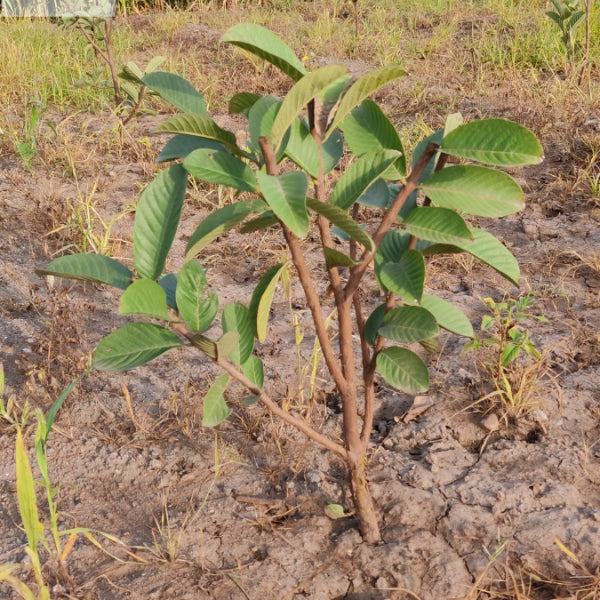
Tree Plantation on Navratri - Celebrate Divine Festivals with Environmental Devotion
Tree plantation on Navratri transforms the sacred nine-day festival into a powerful...
-
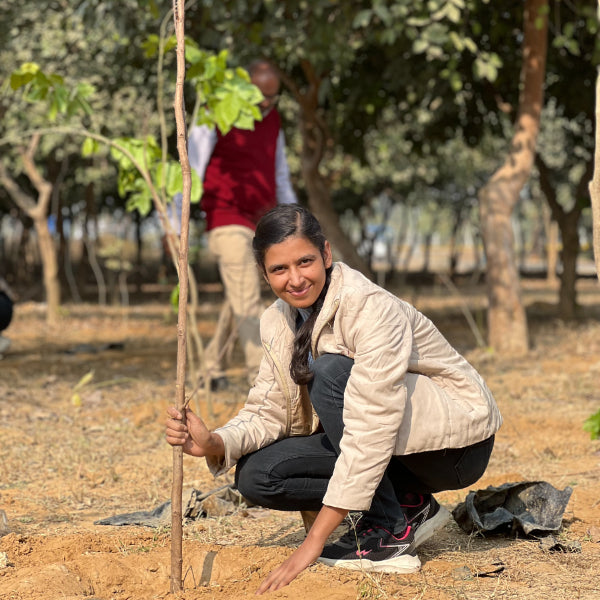
Tree Plantation by Cause - Plant Trees for Every Purpose | Grow Billion Trees
Transform your environmental impact with purpose-driven tree plantation by cause programs that...
Corporate Plantations
-
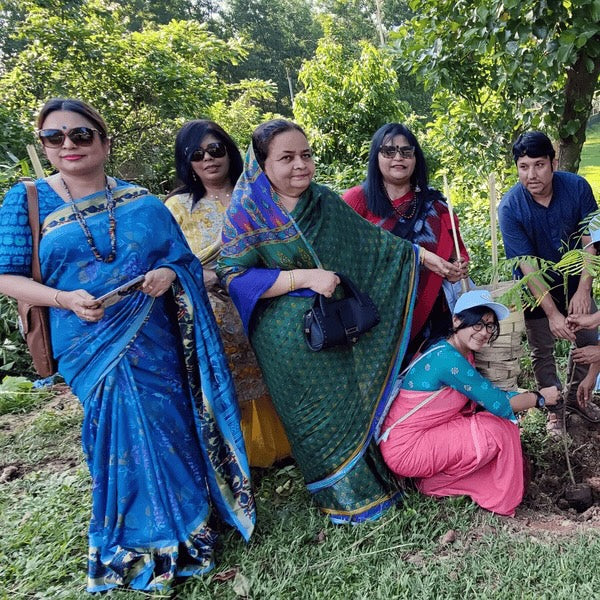
Trees for Corporates - Achieve Net Zero Targets Through Strategic Tree Planting
Trees for Corporates - Strategic Environmental SolutionsTransform your corporate environmental impact with...
-

Tree Plantation for CSR - Corporate Environmental Programs | Grow Billion Trees
Tree Plantation for CSR - Transform Your Corporate Environmental ImpactTree plantation for...
-
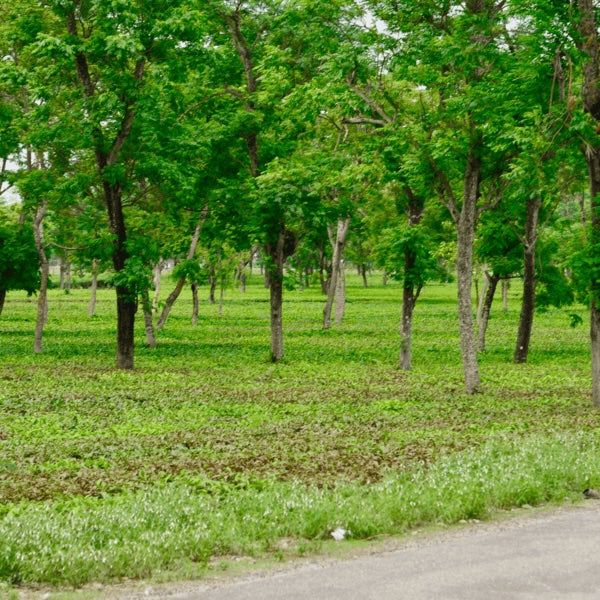
Tree Plantation for SDG - Support Sustainable Development Goals
Tree plantation for SDG initiatives represents a powerful pathway to achieving multiple...
-

Corporate Tree Plantation Programs - Sustainable ESG Environmental Solutions for Net Zero Targets
Transform your organization's environmental impact with our comprehensive Corporate Tree Plantation Programs...
-
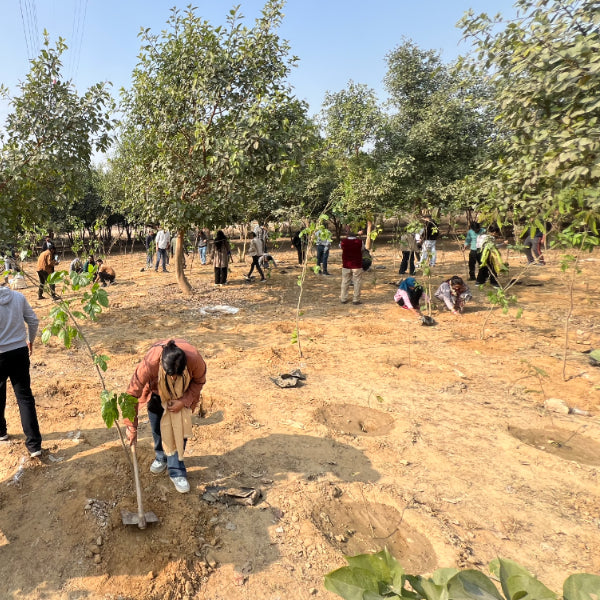
Tree Plantation by Location - Plant Trees Across India
Transform landscapes nationwide through our comprehensive tree plantation by location program. When...
Most Popular Tree Plantations - Top Choices for Environmental Impact
-
Trees for Mother
Regular price ₹ 299Regular priceUnit price per -
Trees to Honor the Memory of your Loved Ones
Regular price ₹ 299Regular priceUnit price per -
Trees for Wedding Anniversary Celebration
Regular price ₹ 299Regular priceUnit price per -
Trees for Grandmother
Regular price ₹ 299Regular priceUnit price per -
Trees for Grandfather
Regular price ₹ 299Regular priceUnit price per