
10 Interesting Facts About Trees That Will Amaze You
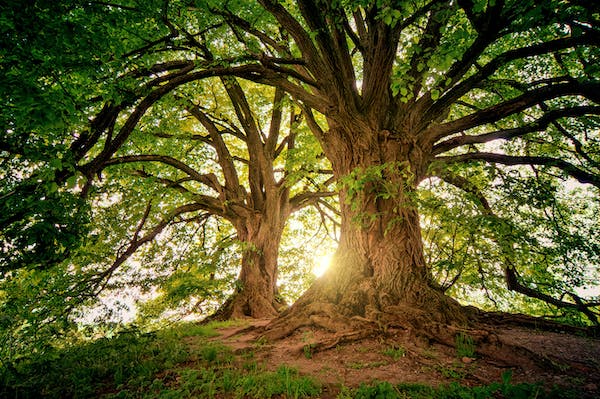
Trees are among Earth's oldest living organisms, with some species surviving thousands of years in harsh environments. The bristlecone pine can live over 5,000 years, and Methuselah, a Great Basin bristlecone pine, is estimated at over 4,850 years old. These ancient organisms possess complex underground communication networks and help regulate Earth's temperature.
Trees are among Earth's most fascinating and vital organisms, harboring secrets that continue to astonish scientists and nature lovers alike. From ancient giants that have witnessed millennia pass to complex communication networks beneath our feet, these 10 interesting facts about trees reveal the extraordinary world of our leafy companions. At Grow Billion Trees, we're passionate about sharing the wonder of trees while working toward our mission to Plant a tree in your Name and achieve our goal of planting 100 crore trees across India.
✅ Ancient Giants: Trees Are Among Earth's Oldest Living Organisms
Trees are some of the oldest living organisms on earth, with some species achieving lifespans that dwarf human civilization. The bristlecone pine, found in the mountainous regions of the western United States, can live for over 5,000 years. These ancient sentinels have witnessed the rise and fall of empires, making them living libraries of Earth's history.
The oldest known tree, nicknamed "Methuselah," is a Great Basin bristlecone pine estimated to be over 4,850 years old. Even more remarkable is that scientists have discovered specimens that may be even older, with some potentially reaching 5,000 years or more. These trees survive in harsh, high-altitude environments where few other organisms can thrive.
🌍 Climate Champions: Trees Regulate Earth's Temperature
Trees help to regulate the Earth's temperature by absorbing carbon dioxide and releasing oxygen through the process of photosynthesis. This natural process makes trees our planet's most effective carbon capture technology. A single mature tree can absorb approximately 48 pounds of carbon dioxide per year and produce enough oxygen for two people daily.
According to the United Nations Climate Change initiative, forests act as carbon sinks, storing vast amounts of carbon that would otherwise contribute to global warming. This is why our mission of Combating Climate Change Through Collective Action through tree planting is so crucial for achieving Net Zero Targets.
💡 The Secret Network: Trees Have Their Own Internet
Trees have their own unique communication system called "mycorrhiza," which allows them to exchange nutrients and information with other trees and plants through their root systems. This underground network, often called the "wood wide web," connects forest ecosystems in ways scientists are only beginning to understand.
Through this fungal network, trees can share resources, warn each other of pest attacks, and even nurture their offspring. Mother trees can recognize their own seedlings and provide them with extra nutrients through these connections. This remarkable system demonstrates that forests function as interconnected communities rather than collections of individual trees.
⭐ Record Breakers: The World's Most Impressive Trees
The tallest tree in the world is a coast redwood in California, USA, which stands at 379.7 feet (115.7 meters) tall. Named "Hyperion," this giant was discovered in 2006 and continues to grow. These coastal redwoods can live for over 2,000 years and create their own weather systems by capturing fog moisture.
On the other end of the spectrum, the baobab tree, native to Africa, is known for its massive trunk and can hold up to 120,000 liters of water. These "upside-down trees" store water in their enormous trunks to survive long dry seasons, making them vital resources for both wildlife and local communities.
🌳 Cultural Significance: The Universal Tree of Life
The "Tree of Life" is a common motif in mythology, folklore, and art, representing the interconnectedness of all living things on earth. From the Norse Yggdrasil to the Biblical Tree of Life, cultures worldwide have recognized trees as symbols of wisdom, growth, and connection between earth and sky.
This universal reverence for trees reflects their fundamental importance to human survival and spiritual well-being. Today, this ancient wisdom aligns with modern environmental science, reinforcing why initiatives like our 2-3ft Tree Planting + 3 Years Care + GeoTag program are essential for our planet's future.
🔬 Natural Pharmacy: Trees as Medicine
Trees have been used for medicinal purposes for centuries, providing compounds that form the basis of many modern medicines. The bark of the willow tree contains salicylic acid, which is the active ingredient in aspirin. This discovery revolutionized pain management and continues to benefit millions worldwide.
Many other tree-derived medicines include quinine from cinchona bark (used to treat malaria), taxol from Pacific yew (cancer treatment), and countless traditional remedies still used today. The World Wildlife Fund's forest conservation efforts emphasize protecting these natural pharmacies for future medical discoveries.
🌬️ Air Purification Powerhouses
Trees can improve air quality by absorbing pollutants and releasing clean oxygen into the atmosphere. A single tree can remove 26 pounds of carbon dioxide annually while filtering harmful pollutants like nitrogen oxides, ammonia, and sulfur dioxide from the air we breathe.
Urban trees are particularly valuable, as they can reduce air pollution by up to 25% in city environments. Our Miyawaki forest creation and urban forestry programs specifically target areas where air purification is most needed, creating green lungs in densely populated areas.
🦋 Biodiversity Havens: Supporting Wildlife Communities
Trees provide habitat and food for a wide variety of wildlife, including birds, insects, and small mammals. A single oak tree can support over 500 species of insects, which in turn feed countless birds and other creatures. This biodiversity is crucial for maintaining healthy ecosystems.
The World Wildlife Fund reports on deforestation highlight how tree loss threatens wildlife populations globally. Our mangrove restoration and food forest programs specifically focus on creating habitats that support diverse wildlife communities while providing sustainable resources for local communities.
🌊 Water Cycle Warriors
Trees play a crucial role in the global water cycle through transpiration, releasing water vapor into the atmosphere. A large tree can transpire up to 100 gallons of water per day, helping to regulate local humidity and rainfall patterns. This process is essential for maintaining regional climate stability.
Forests also act as natural water filters, with tree roots helping to purify groundwater and prevent soil erosion. Our agroforestry programs demonstrate how strategically planted trees can improve water retention in agricultural areas while providing additional income for farmers.
🔄 The Wood Wide Web Explained
The "wood wide web" is a term used to describe the underground network of fungi that connects trees and helps them communicate and share resources. This mycorrhizal network can span entire forests, allowing trees separated by great distances to share nutrients, water, and chemical signals.
Recent research has shown that this network is so sophisticated that trees can actually "adopt" orphaned seedlings from other species, sharing resources to ensure forest diversity. This interconnectedness demonstrates why forest conservation requires protecting entire ecosystems rather than individual trees.
Further reading: 10 Oldest Trees in the World: Ancient Giants That Survived Millennia · How Trees Prove They're the Ultimate Besties: Forest Friendships
Frequently Asked Questions
How long do trees typically live?
Tree lifespans vary dramatically by species. While some trees like fruit trees may live 50-100 years, others like oaks can live 300-600 years, and ancient species like bristlecone pines can survive over 5,000 years. Proper care and environmental conditions significantly impact longevity.
Do trees really communicate with each other?
Yes, trees communicate through chemical signals both above and below ground. They release airborne chemicals to warn of insect attacks and use underground fungal networks to share nutrients and information with other trees, creating a complex forest communication system.
How much oxygen does one tree produce?
A mature tree produces approximately 260 pounds of oxygen per year, enough to support two people's annual oxygen needs. However, this varies by species, size, and environmental conditions. Larger, faster-growing trees generally produce more oxygen.
Can trees survive in polluted environments?
Many tree species are remarkably resilient and can survive in polluted environments while actively helping to clean the air. Some species like London plane trees are particularly effective at filtering pollutants, making them valuable for urban planting programs.
What's the difference between forests and individual trees for the environment?
While individual trees provide benefits, forests create synergistic effects through their interconnected ecosystems. Forest networks share resources, support greater biodiversity, and have more significant impacts on climate regulation than isolated trees.
How do trees help prevent climate change?
Trees combat climate change by absorbing carbon dioxide during photosynthesis and storing carbon in their wood, roots, and surrounding soil. The UN Environment Programme on forests emphasizes that protecting and planting forests is one of the most effective climate solutions available.
Why are old trees more valuable than young ones?
Older trees provide exponentially greater environmental benefits. They store more carbon, produce more oxygen, support more wildlife, and have more extensive root systems for soil stabilization. However, young trees grow faster and adapt better to changing conditions.
How can I contribute to tree conservation efforts?
You can support tree conservation by planting trees through programs like ours, supporting sustainable forestry, reducing paper consumption, and choosing products from companies committed to forest protection. Every action contributes to our collective environmental impact.These remarkable 10 interesting facts about trees demonstrate why our mission to plant 100 crore trees is so vital for India's environmental future. Trees are not just beautiful additions to our landscape – they're essential partners in creating a sustainable world. Through our comprehensive programs including Miyawaki forests, agroforestry, and mangrove restoration, we're working to restore the natural balance our planet desperately needs.Join us in this crucial mission by choosing to Plant a tree in your Name for just ₹299. With our 2-3ft Tree Planting + 3 Years Care + GeoTag technology, you can track your contribution to Combating Climate Change Through Collective Action. Together, we can create a greener, healthier future for generations to come. Discover how you can plant your tree today and become part of India's largest reforestation movement.
Keep reading
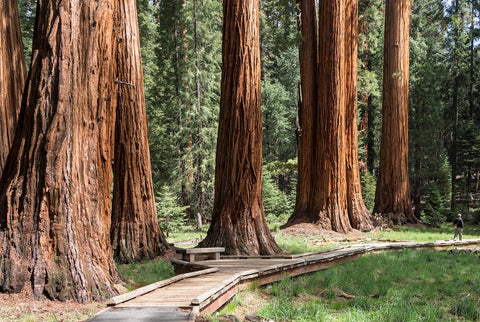 10 Oldest Trees in the World: Ancient Giants That Survived Millennia
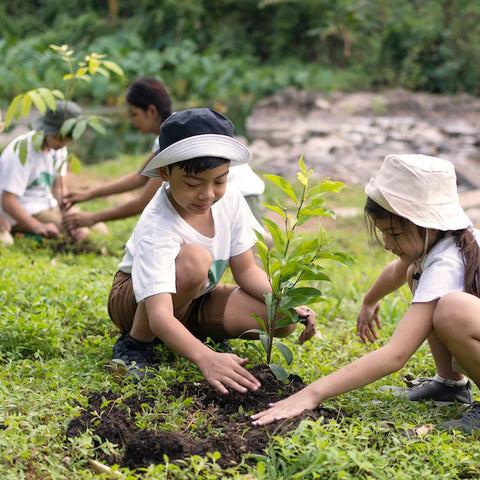 How Trees Prove They're the Ultimate Besties: Forest Friendships
 The Surprising Similarities Between Mother Trees and Human Mothers
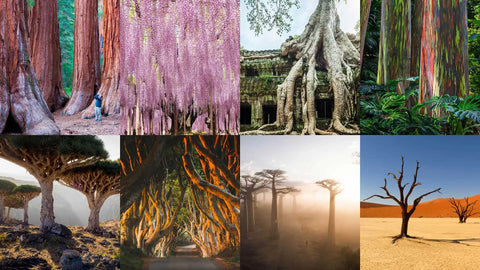 Remarkable Tree Species Around the World: A Global Journey
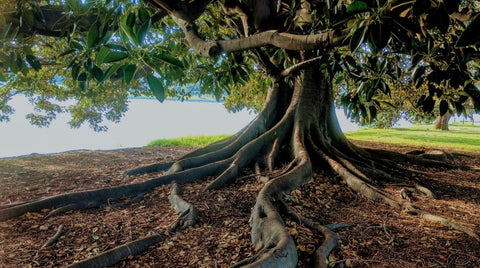 The Secret Life of Roots: Unraveling the Underground World


Leave a comment