
Guardians of Carbon: How Earth's Ecosystems Protect Our Climate
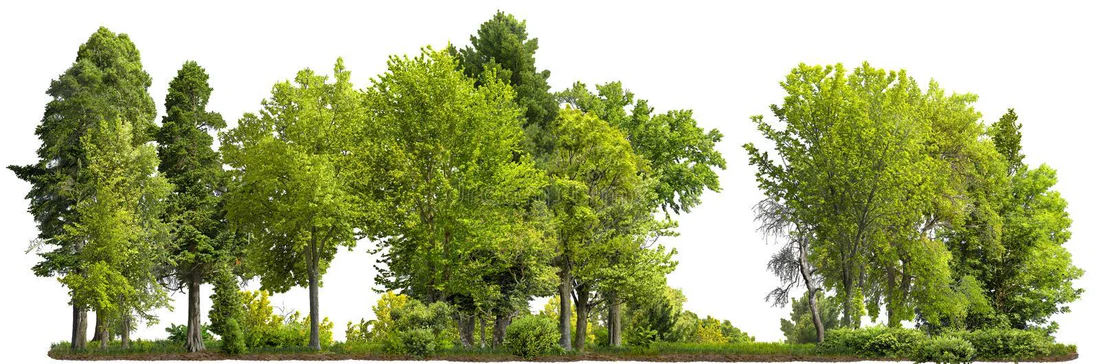
Earth's ecosystems protect the planet's climate by absorbing and storing atmospheric carbon dioxide. Forests, wetlands, and natural systems collectively store approximately 2,500 gigatonnes of carbon—more than three times the amount in the atmosphere. By locking carbon in soil, vegetation, and roots, these ecosystems act as critical carbon sinks, regulating global temperatures and helping mitigate climate change.
Early each morning, Earth's ecosystems wake quietly, performing their extraordinary role as the planet's natural Guardians of Carbon. From dense forests to sprawling wetlands, each ecosystem plays a vital role in regulating the planet's climate by storing carbon—absorbing it from the atmosphere and locking it away in soil, roots, and vegetation. These natural carbon sinks are among humanity's best allies in the fight against climate change.
Together, these ecosystems store approximately 2,500 gigatonnes of carbon, more than three times the carbon currently in the atmosphere. Understanding how these Guardians of Carbon function is crucial for our planet's future and achieving Net Zero Targets.
The Forest's Silent Work ✅
Forests are often called the lungs of the Earth, and for good reason. They breathe in carbon dioxide, using it to fuel their growth and store it in their leaves, trunks, and roots. According to the United Nations Environment Programme, forests play a critical role in climate regulation through their carbon storage capacity.
Tropical forests, like the Amazon, store an impressive 336 tonnes of carbon per hectare. Their dense vegetation and nutrient-rich soils are critical to global carbon storage. These ecosystems serve as powerful Guardians of Carbon, continuously absorbing atmospheric CO2.
Moving northward, boreal forests—those stoic woodlands encircling the Arctic—store an even greater amount, 344 tonnes per hectare, but most of this is locked in their cold, rich soils rather than in their trees. These forests are carbon powerhouses but are vulnerable to wildfires and thawing permafrost, both of which threaten to release vast amounts of stored carbon back into the atmosphere.
Temperate forests, scattered across North America, Europe, and parts of Asia, fall somewhere in between, storing 288 tonnes of carbon per hectare. These forests may not have the biodiversity of tropical forests or the soil depth of boreal ones, but their steady, predictable carbon absorption makes them essential in the fight against climate change.
Wetlands: The Unsung Heroes ⭐
While forests might dominate the conversation, wetlands are the quiet champions of carbon storage. These often-overlooked ecosystems store a staggering 643 tonnes of carbon per hectare, more than any other ecosystem on Earth. The secret lies in their waterlogged soils, which slow decomposition and allow carbon-rich organic matter to accumulate as peat.
The World Wildlife Fund emphasizes that destroying wetlands, often drained for agriculture or urban development, releases massive amounts of carbon into the atmosphere, making their conservation an urgent priority. These remarkable Guardians of Carbon require immediate protection.
Grasslands and Their Resilience 💡
Grasslands, with their golden waves of swaying grass, might seem deceptively simple, but they're vital to carbon storage. Temperate grasslands, like the prairies of North America and the steppes of Eurasia, store 318 tonnes of carbon per hectare, much of it underground in their extensive root systems.
These ecosystems are remarkably resilient, capable of recovering quickly after fires or droughts, and are key to carbon sequestration in arid climates. Their role as Guardians of Carbon becomes increasingly important as climate patterns shift globally.
Frozen Vaults of the Tundra ⚠️
The tundra, that vast, frozen expanse near the Arctic, may seem lifeless at first glance. But beneath its icy surface lies a treasure trove of carbon, stored in the frozen soil known as permafrost. With 127 tonnes of carbon per hectare stored in its soils, the tundra acts as a critical carbon vault.
However, rising global temperatures risk thawing this permafrost, releasing its stored carbon and amplifying climate change in a dangerous feedback loop. These Arctic Guardians of Carbon face unprecedented threats from warming temperatures.
Carbon Storage Across Earth's Ecosystems
Here's how different ecosystems compare as Guardians of Carbon:
- Wetlands: 643 tonnes per hectare (highest storage capacity)
- Boreal Forests: 401 tonnes per hectare
- Tropical Forests: 336 tonnes per hectare
- Temperate Grasslands: 318 tonnes per hectare
- Temperate Forests: 288 tonnes per hectare
- Tropical Savannas: 137 tonnes per hectare
- Tundra: 138 tonnes per hectare
- Deserts: 71 tonnes per hectare
Why Protecting Earth's Guardians of Carbon Matters
Each ecosystem, no matter how big or small, contributes to the planet's carbon balance. The United Nations Climate Change initiative recognizes that protecting these natural carbon sinks is essential for meeting global climate targets.
But human activities like deforestation, agriculture, and urbanization are rapidly eroding these carbon sinks, turning them from allies into sources of emissions. Combating Climate Change Through Collective Action requires immediate protection and restoration of these vital ecosystems.
Protecting and restoring these ecosystems is critical not just for reducing carbon emissions but also for preserving biodiversity, maintaining water cycles, and ensuring food security. Organizations worldwide are working to conserve key ecosystems, but the fight requires global participation.
How Grow Billion Trees Supports Earth's Guardians
At Grow Billion Trees, we understand the critical role these ecosystems play as Guardians of Carbon. Our mission to plant 100 crore trees directly contributes to strengthening these natural carbon sinks. When you Plant a tree in your Name for just ₹299, you're supporting forest restoration with our comprehensive 2-3ft Tree Planting + 3 Years Care + GeoTag program.
Our specialized programs include:
- Miyawaki forest creation for rapid carbon sequestration
- Mangrove restoration to protect coastal wetland ecosystems
- Agroforestry programs that combine carbon storage with sustainable farming
- Urban forestry initiatives to create carbon sinks in cities
Learn more about our comprehensive tree planting programs and how they support different ecosystem types as Guardians of Carbon.
Be Part of the Solution
Whether it's planting a tree, supporting wetland restoration, or simply reducing waste, each of us has a role to play. Together, we can strengthen Earth's natural carbon sinks and ensure a stable climate future. Corporate partners can achieve their Net Zero Targets by supporting ecosystem restoration through our verified programs.
By 2030, our goal is to plant 1 billion trees across India, creating new forests and strengthening existing ones. Every tree planted becomes part of the global network of Guardians of Carbon, working tirelessly to absorb atmospheric CO2 and combat climate change.
Further reading: The Green Guardians: How Trees Fight Climate Change Through Carbon Sequestration · The Marvels of Carbon Sequestration: Nature's Climate Solution
Frequently Asked Questions
What makes ecosystems effective Guardians of Carbon?
Ecosystems store carbon through photosynthesis, where plants absorb CO2 from the atmosphere and convert it into organic matter. This carbon gets stored in vegetation, roots, and soil, effectively removing it from the atmosphere for extended periods.
Which ecosystem stores the most carbon per hectare?
Wetlands are the most effective Guardians of Carbon, storing up to 643 tonnes per hectare. Their waterlogged conditions prevent decomposition, allowing carbon-rich peat to accumulate over centuries.
How do forests compare as carbon storage systems?
Boreal forests store the most carbon among forest types (401 tonnes/hectare), followed by tropical forests (336 tonnes/hectare) and temperate forests (288 tonnes/hectare). Each forest type serves as crucial Guardians of Carbon in different climate zones.
Why are wetlands being destroyed despite their carbon storage capacity?
Wetlands are often drained for agriculture, urban development, and infrastructure projects. Many people don't realize their importance as Guardians of Carbon, leading to their destruction and the release of stored carbon.
Can grasslands effectively store carbon?
Yes, grasslands store significant carbon (318 tonnes/hectare) primarily in their extensive root systems. They're particularly effective Guardians of Carbon in arid regions where forests cannot thrive.
What happens when permafrost thaws in tundra ecosystems?
When permafrost thaws, it releases stored carbon as CO2 and methane, turning tundra from Guardians of Carbon into carbon sources. This creates a dangerous feedback loop that accelerates climate change.
How can individuals support Earth's Guardians of Carbon?
Individuals can plant trees, support forest conservation, protect local wetlands, reduce consumption, and choose sustainable products. Supporting organizations that restore ecosystems also strengthens these natural Guardians of Carbon.
What role do deserts play in carbon storage?
While deserts store less carbon (71 tonnes/hectare), they still contribute to global carbon balance. Desert soils and sparse vegetation act as modest Guardians of Carbon, and their protection prevents further carbon loss.
How does Grow Billion Trees support different ecosystem types?
We plant native species suitable for various ecosystems, from mangroves in coastal areas to deciduous trees in temperate regions. Our programs create diverse forests that function as effective Guardians of Carbon while supporting local biodiversity.
Why is protecting existing ecosystems more important than creating new ones?
Existing ecosystems have established carbon stores that took decades or centuries to accumulate. Protecting these Guardians of Carbon prevents immediate carbon release, while new plantations take years to reach significant storage capacity.The future of our climate depends on these remarkable Guardians of Carbon. By understanding their vital role and taking action to protect them, we can work together toward a sustainable future. Join our mission to strengthen Earth's natural carbon guardians and help achieve our goal of planting 100 crore trees across India.
Keep reading
 The Green Guardians: How Trees Fight Climate Change Through Carbon Sequestration
 The Marvels of Carbon Sequestration: Nature's Climate Solution
 How Nature-based Interventions Can Reverse Climate Change
 How Much CO2 Can One Tree Absorb? Complete Guide to Carbon Capture
 Mumbai Coastal Road Project's Impact on Mumbai's Mangroves Forest


Leave a comment