
What Are the Impacts of Climate Change? A Complete Guide

Climate change impacts include rising global temperatures, extreme weather events like hurricanes and floods, and disruptions to agriculture and water supplies. Earth's average surface temperature has increased by about 1°C since the industrial revolution, affecting ecosystems and human societies globally.
Climate change impacts are already transforming our planet in profound ways. From rising temperatures to extreme weather events, these changes affect every aspect of life on Earth. Understanding what are the impacts of climate change helps us prepare for the challenges ahead and take meaningful action to protect our future.
Climate change refers to the long-term warming of the planet and changes in global climate patterns. It is primarily caused by the increasing levels of greenhouse gases in the atmosphere, which trap heat from the sun and warm the Earth's surface. The main greenhouse gases are carbon dioxide, methane, and nitrous oxide. These gases are emitted through human activities such as the burning of fossil fuels, deforestation, and the use of certain industrial processes.
⭐ Major Environmental Impacts of Climate Change
Rising Global Temperatures
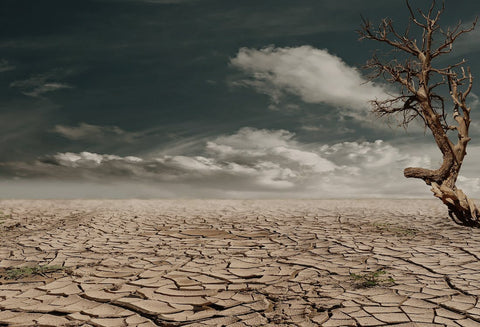
The Earth's average surface temperature has already increased by about 1°C since the industrial revolution, and it is expected to continue rising. This warming is causing more heatwaves, droughts, and extreme weather events such as hurricanes and floods.
These temperature increases create cascading effects throughout our climate system. Agricultural regions face unprecedented challenges as growing seasons shift and crop yields decline. Water resources become increasingly scarce in many regions, while others experience devastating floods.
Melting Ice Caps and Rising Sea Levels
The melting of glaciers and ice caps due to rising temperatures is causing sea levels to rise. This is a particular concern for coastal communities and low-lying areas, which are at risk of flooding and erosion. It is also threatening the survival of many species that depend on these habitats.
According to the United Nations Climate Change initiative, sea levels have risen approximately 20 centimeters since 1900, with the rate of increase accelerating in recent decades. This poses immediate threats to millions of people living in coastal areas worldwide.
Changes in Precipitation Patterns
Climate change is causing some areas to become wetter, while others are becoming dryer. This can lead to both flooding and drought, which can have serious impacts on agriculture and water resources. These shifting patterns disrupt traditional farming practices and threaten food security globally.
💡 Ecosystem and Biodiversity Impacts
As temperatures rise and precipitation patterns change, many species are struggling to adapt. This is leading to the loss of biodiversity and the extinction of some species. It is also disrupting the delicate balance of many ecosystems, with potentially serious consequences for the services they provide, such as pollination and pest control.
The World Wildlife Fund reports on deforestation highlight how climate change accelerates forest loss, creating a dangerous feedback loop that further intensifies global warming. Forests play a crucial role in carbon sequestration and climate regulation.
Forest Ecosystem Changes
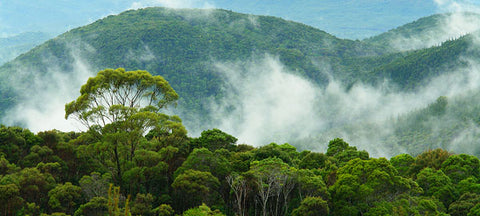
Forests face multiple climate-related stressors including increased wildfire risk, pest outbreaks, and shifting growing conditions. These changes affect the forest's ability to store carbon and provide essential ecosystem services. At Grow Billion Trees, we've witnessed firsthand how strategic reforestation can help combat these challenges through our comprehensive tree planting programs.
Our 2-3ft Tree Planting + 3 Years Care + GeoTag approach ensures newly planted trees have the best chance of surviving in changing climate conditions. Through our mission to plant 100 crore trees, we're creating resilient forest ecosystems that can adapt to climate impacts.
🌱 Human Health and Social Impacts
Climate change is having a range of negative impacts on human health, including heat stress, respiratory problems, and the spread of infectious diseases. It is also exacerbating existing health issues such as malnutrition and mental health problems.
Vulnerable populations, including children, elderly individuals, and those in developing countries, face disproportionate risks. Heat-related illnesses increase as extreme temperatures become more frequent and intense.
Food Security Challenges
Agricultural productivity faces significant threats from changing weather patterns, droughts, and extreme weather events. Crop yields decline in many regions, while shifting climate zones force farmers to adapt their practices or relocate entirely.
The United Nations Sustainable Development Goals emphasize the critical connection between climate action and food security, highlighting the urgent need for adaptive agricultural practices and sustainable land management.
✅ Economic and Infrastructure Impacts
The economic costs of climate change are staggering. Infrastructure damage from extreme weather events costs billions annually. Coastal cities invest heavily in flood defenses and adaptation measures. Energy systems strain under extreme temperatures, while transportation networks face disruption from storms and flooding.
Insurance costs rise as climate-related disasters become more frequent and severe. Entire industries must adapt or face obsolescence as environmental conditions change.
Agricultural Economic Losses
Farmers worldwide experience reduced crop yields and livestock productivity. Traditional farming regions may become unsuitable for certain crops, forcing agricultural shifts that require significant investment and adaptation.
🌍 Regional Variations in Climate Impacts
Climate change impacts vary significantly by region. Arctic areas experience the most dramatic warming, with ice loss and permafrost thaw. Tropical regions face increased hurricane intensity and changing monsoon patterns.
India, where Grow Billion Trees operates, faces particular challenges including monsoon disruption, increased heat waves, and coastal flooding. Our targeted reforestation efforts in cities like Mumbai, Bangalore, Delhi, Chennai, and Hyderabad help build climate resilience at the local level.
Urban Climate Challenges
Cities face unique climate impacts including urban heat islands, flooding from intense rainfall, and air quality degradation. Urban forests and green infrastructure provide crucial climate adaptation benefits.
Through our Plant a tree in your Name program, individuals can directly contribute to urban climate resilience while creating lasting environmental impact for just ₹299.
⚠️ Tipping Points and Irreversible Changes
Scientists warn about climate tipping points where changes become self-reinforcing and irreversible. These include ice sheet collapse, forest dieback, and permafrost thaw. Once crossed, these thresholds could accelerate climate change beyond our ability to control.
The urgency of action cannot be overstated. Every fraction of a degree of warming avoided makes a significant difference in the severity of impacts we'll face.
🌿 Solutions and Mitigation Strategies
Addressing climate change requires both mitigation and adaptation strategies. Mitigation involves reducing greenhouse gas emissions through renewable energy, energy efficiency, and sustainable practices. Adaptation means preparing for unavoidable changes through infrastructure improvements and ecosystem restoration.
Reforestation plays a vital role in both mitigation and adaptation. Trees absorb carbon dioxide while providing ecosystem services that help communities adapt to climate impacts. Our comprehensive approach includes Miyawaki forests, agroforestry programs, mangrove restoration, and urban forestry initiatives.
Corporate Climate Action
Businesses increasingly recognize the need to address climate impacts through Net Zero Targets and sustainable practices. Our corporate partnerships help organizations achieve environmental goals while contributing to large-scale climate solutions.
Through strategic tree planting and ecosystem restoration, companies can make meaningful progress toward sustainability objectives while supporting local communities and biodiversity conservation.
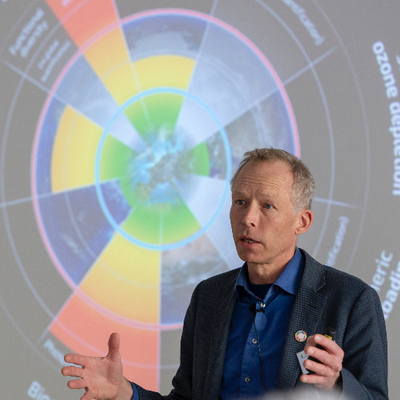
Further reading: Hans Joachim Schellnhuber: Climate Scientist Warning the World · Johan Rockström: Earth's Climate Tipping Points Pioneer
Frequently Asked Questions
What are the most serious impacts of climate change?
The most serious impacts include rising sea levels threatening coastal communities, extreme weather events causing widespread damage, ecosystem collapse leading to biodiversity loss, and threats to food and water security affecting billions of people globally.
How do climate change impacts affect human health?
Climate change impacts human health through increased heat-related illnesses, respiratory problems from air pollution and wildfires, expanded disease vector ranges, food and water insecurity, and mental health challenges from displacement and economic stress.
Which regions face the greatest climate change impacts?
Arctic regions experience the most dramatic warming with ice loss and permafrost thaw. Small island nations face existential threats from sea level rise. Sub-Saharan Africa and South Asia face severe impacts on agriculture and water resources.
Can climate change impacts be reversed?
Some climate change impacts are irreversible on human timescales, particularly ice sheet loss and species extinctions. However, many impacts can be reduced through aggressive mitigation efforts and adaptation strategies implemented immediately.
How do forests help address climate change impacts?
Forests absorb carbon dioxide from the atmosphere, regulate local climate and water cycles, prevent soil erosion, provide habitat for biodiversity, and offer natural barriers against extreme weather events like floods and storms.
What can individuals do about climate change impacts?
Individuals can reduce their carbon footprint through energy conservation, sustainable transportation, and dietary choices. Supporting reforestation through programs like Plant a tree in your Name creates direct positive impact while building climate resilience.
How does deforestation worsen climate change impacts?
Deforestation releases stored carbon into the atmosphere while eliminating trees that would otherwise absorb CO2. It also reduces ecosystem services that help communities adapt to climate change, such as flood control and temperature regulation.
What role does technology play in addressing climate impacts?
Technology enables renewable energy deployment, carbon capture systems, climate monitoring, and precision agriculture. Innovation in areas like battery storage and smart grids accelerates the transition to clean energy systems.
How do climate change impacts affect the economy?
Climate impacts impose enormous economic costs through infrastructure damage, agricultural losses, health care expenses, and reduced productivity. However, investing in climate solutions creates jobs and economic opportunities in emerging green industries.
Why is urgent action needed on climate change?
Climate change impacts are accelerating and some changes become irreversible once certain thresholds are crossed. Early action is more cost-effective than adapting to severe impacts later, and delays increase risks to human safety and ecosystem stability.
Taking Action Through Collective Impact
Understanding what are the impacts of climate change is the first step toward meaningful action. The challenges are significant, but solutions exist when we work together toward common goals.
Combating Climate Change Through Collective Action requires participation from individuals, businesses, and governments. Every tree planted, every sustainable choice made, and every climate-conscious decision contributes to a larger movement toward environmental restoration and resilience.
At Grow Billion Trees, we believe that collective action creates transformative change. Our goal to plant 1 billion trees by June 2030 demonstrates how ambitious targets become achievable when communities unite around shared environmental values.
The impacts of climate change are real and accelerating, but so is our capacity to respond. Through strategic reforestation, sustainable practices, and unwavering commitment to environmental stewardship, we can build a more resilient future for generations to come.
Join our mission to create lasting environmental impact. Plant a tree today and become part of the solution to climate change. Together, we can nurture a thriving planet where both people and nature flourish.




Leave a comment