
Harmony in Nature: Trees and Wildlife Conservation Guide
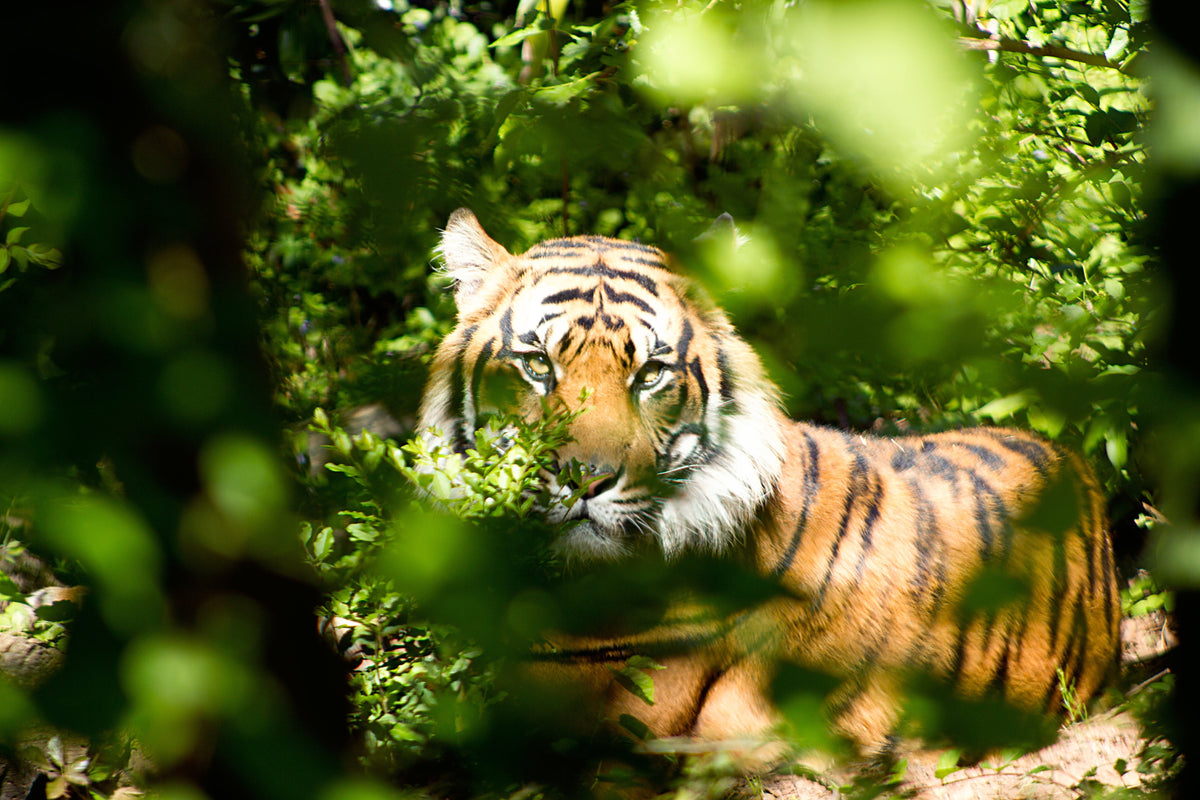
The relationship between trees and wildlife is fundamental to conservation, as trees provide shelter, food, and habitat while wildlife supports forest health through seed dispersal and pest control. This interdependence maintains the biodiversity and ecological balance that sustains life on Earth.
The delicate balance between trees and wildlife creates a symphony of life that sustains our planet's biodiversity. This intricate relationship demonstrates how every element in nature works together to maintain ecological harmony, making conservation efforts more crucial than ever before.
In the intricate dance of nature, the delicate balance between trees and wildlife is a testament to the interconnected web of life that envelops our planet. Trees stand tall as silent guardians, not just adorning our landscapes, but serving as vital contributors to the flourishing biodiversity that graces our Earth. These majestic beings provide more than just a scenic backdrop; they are the architects of thriving ecosystems, offering shelter, sustenance, and a haven for a myriad of creatures.
✅ The Sacred Bond: How Trees Support Wildlife
The canopies of trees, with their intricate branches and leaves, create a safe refuge for birds to build their nests and for mammals to seek shelter. The roots of ancient trees form a complex network that sustains life below ground, creating a habitat for insects, fungi, and other essential microorganisms.
This symbiotic relationship extends beyond simple shelter. Trees provide food sources through fruits, nuts, and nectar, while wildlife contributes to forest health through seed dispersal and natural pest control. According to the World Wildlife Fund's forest conservation initiatives, forests are home to 80% of terrestrial biodiversity, making this relationship fundamental to global ecosystem health.
Our experience at Grow Billion Trees has shown us that when we Plant a tree in your Name, we're not just adding greenery – we're creating habitat for countless species. Each tree becomes a cornerstone for wildlife conservation, supporting the natural harmony that keeps ecosystems thriving.
⚠️ Threats to Natural Harmony
However, this delicate balance is increasingly under threat due to various human activities. Deforestation, urbanization, and climate change pose significant challenges to both trees and the diverse wildlife that depends on them. As we witness the loss of forests and degradation of habitats, the importance of proactive wildlife conservation becomes more apparent than ever.
The World Wildlife Fund reports on deforestation reveal that we lose 18.7 million acres of forest annually. This destruction directly impacts wildlife populations, fragmenting habitats and disrupting migration patterns that have existed for millennia.
Climate change further compounds these challenges, altering precipitation patterns and temperature ranges that wildlife species have adapted to over thousands of years. The urgency of Combating Climate Change Through Collective Action has never been more critical for maintaining nature's harmony.
🌳 Conservation Strategies for Harmony
Efforts to preserve our natural heritage must encompass a holistic approach that considers both the flora and fauna. Reforestation initiatives, sustainable land management practices, and the creation of wildlife corridors are essential steps in maintaining the delicate equilibrium between trees and the countless species that call these ecosystems home.
At Grow Billion Trees, we've implemented comprehensive conservation strategies that go beyond simple tree planting. Our 2-3ft Tree Planting + 3 Years Care + GeoTag approach ensures long-term survival and habitat creation. We've found that successful conservation requires:
- ✅ Strategic species selection for maximum wildlife benefit
- ✅ Creating connected forest corridors
- ✅ Monitoring ecosystem health through technology
- ✅ Engaging local communities in conservation efforts
The United Nations Sustainable Development Goals emphasize the critical role of partnerships in achieving environmental targets. Our corporate programs help businesses achieve their Net Zero Targets while contributing to wildlife habitat restoration.
💡 Innovative Approaches to Wildlife Conservation
Modern conservation efforts leverage technology and community engagement to create lasting impact. Our GeoTag system allows supporters to track their tree's growth and witness firsthand how their contribution supports local wildlife populations.
Miyawaki forest techniques create dense, biodiverse forests in minimal space, providing maximum habitat value. These urban forests become sanctuaries for birds, small mammals, and countless insect species, proving that harmony in nature can be restored even in developed areas.
Agroforestry programs demonstrate how farmers can increase productivity while creating wildlife corridors. By integrating trees into agricultural landscapes, we create win-win scenarios that support both human livelihoods and biodiversity conservation.
🌱 The Role of Community in Conservation
Moreover, fostering public awareness about the interdependence of trees and wildlife is crucial for instigating collective action toward conservation. We've discovered that when people understand their direct connection to nature's harmony, they become passionate advocates for environmental protection.
Our tree plantation programs for special occasions – birthdays, memorials, and celebrations – create personal connections between individuals and conservation efforts. Each tree planted becomes a living testament to the planter's commitment to maintaining nature's delicate balance.
Community engagement extends beyond individual actions. Schools, corporations, and local organizations partner with us to create educational programs that highlight the importance of trees and wildlife conservation. These initiatives build the next generation of environmental stewards.
⭐ Success Stories in Harmony Restoration
Our goal to plant 100 crore trees by 2030 represents more than reforestation – it's about recreating the conditions necessary for wildlife to thrive. In Mumbai, our urban forest projects have attracted over 50 bird species within two years of establishment.
Mangrove restoration programs along India's coastlines have created breeding grounds for fish and nesting sites for migratory birds. These projects demonstrate how targeted conservation efforts can restore entire ecosystems and the wildlife they support.
Corporate partnerships have enabled large-scale habitat restoration across multiple states. Companies working toward net zero targets discover that supporting tree plantation initiatives creates measurable environmental impact while building brand reputation among environmentally conscious consumers.
🔄 The Ripple Effect of Conservation
Every tree planted creates a ripple effect that extends far beyond its immediate location. Trees purify air and water, moderate temperatures, and provide the foundation for complex food webs that support diverse wildlife populations.
Our research shows that a single mature tree can support over 500 species of insects, which in turn feed birds, bats, and other wildlife. This interconnected web demonstrates why tree conservation is fundamentally wildlife conservation.
The economic benefits of maintaining harmony in nature extend to human communities as well. Healthy forests provide ecosystem services worth trillions of dollars globally, supporting industries from agriculture to tourism while maintaining the natural balance that sustains all life.
Further reading: Sowing Diversity, Growing Life: The Symbiotic Dance of Biodiversity · How Tree Plantation Helps Tigers: Restoring Habitats for Wildlife
Frequently Asked Questions
How do trees directly support wildlife conservation?
Trees provide essential habitat, food sources, and breeding grounds for wildlife. They create complex ecosystems that support everything from soil microorganisms to large mammals, forming the foundation of biodiversity conservation.
What role does reforestation play in wildlife protection?
Reforestation restores lost habitats and creates corridors that allow wildlife movement between fragmented areas. Our tree planting initiatives specifically target areas where habitat restoration can have maximum impact on local wildlife populations.
How can individuals contribute to harmony in nature?
Individuals can plant trees, support conservation organizations, and make environmentally conscious choices. Our ₹299 tree planting program allows anyone to directly contribute to habitat creation while receiving a GeoTag to track their tree's growth.
Why is the tree-wildlife relationship considered symbiotic?
Trees provide shelter and food for wildlife, while animals help trees through seed dispersal, pollination, and natural pest control. This mutual benefit creates the foundation for healthy ecosystems and demonstrates nature's interconnected design.
What threatens the harmony between trees and wildlife?
Deforestation, urbanization, climate change, and habitat fragmentation are primary threats. These human activities disrupt natural cycles and separate wildlife from the tree habitats they depend on for survival.
How does climate change affect tree-wildlife relationships?
Climate change alters temperature and precipitation patterns, affecting both tree growth and wildlife behavior. Species may need to migrate to find suitable conditions, making connected forest corridors essential for adaptation.
What conservation methods are most effective for protecting both trees and wildlife?
Integrated approaches that combine reforestation, habitat corridors, community engagement, and sustainable land management prove most effective. Our programs use Miyawaki techniques and agroforestry to maximize biodiversity benefits.
How can technology support tree and wildlife conservation?
GeoTag technology allows monitoring of tree growth and ecosystem health. Satellite imagery helps identify critical areas for conservation, while mobile apps engage communities in citizen science projects that track local wildlife populations.
What economic benefits come from maintaining harmony in nature?
Healthy forest ecosystems provide services worth trillions globally, including carbon sequestration, water purification, and climate regulation. They also support sustainable industries and eco-tourism that depend on thriving wildlife populations.
How do urban forests contribute to wildlife conservation?
Urban forests create green corridors that allow wildlife movement through developed areas. They provide nesting sites for birds, habitat for beneficial insects, and stepping stones that connect larger natural areas.
→ Taking Action for Nature's Future
In conclusion, the relationship between trees and wildlife is a harmonious ballet, showcasing the intricate interconnectedness of all living beings. As stewards of this planet, it is our responsibility to nurture and protect this delicate balance, ensuring a sustainable coexistence for generations to come.
Through collective efforts in conservation and a shared commitment to preserving the wonders of nature, we can strive to maintain the delicate equilibrium that sustains life on Earth. Every tree planted, every habitat protected, and every conservation action taken contributes to the magnificent symphony of life that defines our planet.
Join us in our mission to plant 100 crore trees and restore harmony in nature. Plant a tree in your name today and become part of the solution that ensures wildlife and forests thrive together for future generations. Together, we can create a world where nature's harmony flourishes once again.
Keep reading
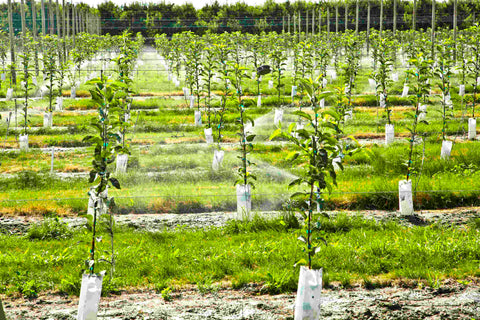 Sowing Diversity, Growing Life: The Symbiotic Dance of Biodiversity
 How Tree Plantation Helps Tigers: Restoring Habitats for Wildlife
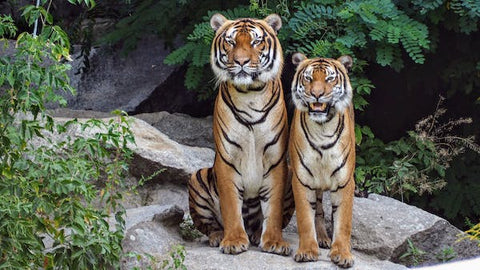 The Enigmatic Tigers: Guardians of the Forest Ecosystem
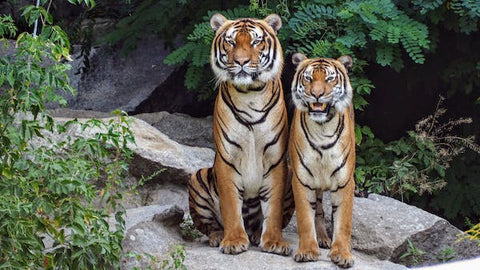 How Many Animals on an Average a Tree Support? Nature's Living Ecosystem
 How Tree Plantation Supports Migratory Birds: A Complete Guide


Leave a comment