
Trees and Forests Fight Climate Change and Water Pollution
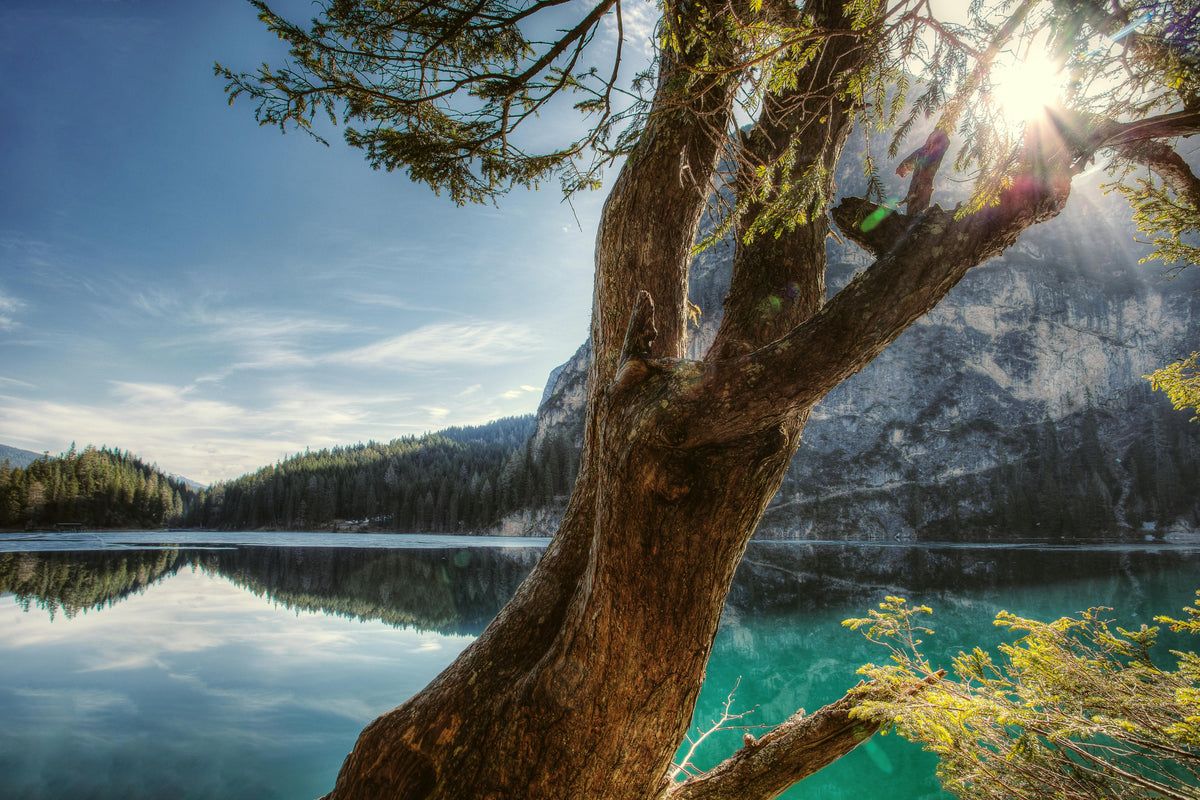
Trees and forests combat climate change and water pollution by absorbing carbon dioxide from the atmosphere and filtering harmful pollutants from waterways. A mature maple tree sequesters approximately 500 pounds of carbon dioxide annually, while forests offset 10–20% of emissions from fossil fuel combustion. Through stormwater management and air purification, these ecosystems provide critical climate and environmental protection.
Trees and forests are nature's most powerful allies in our fight against climate change and water pollution. These green guardians absorb massive amounts of carbon dioxide while filtering harmful pollutants from our waterways. A single mature maple tree stores about 500 pounds of carbon dioxide per year, while forests offset 10-20% of carbon emissions from fossil fuels annually.
There is no silver bullet to fight climate change or keep waterways clean, but protecting forests is one of the best things we can do globally. Trees and forests manage stormwater, filter pollution from water and air, and sequester heat-trapping carbon from the atmosphere.
How Trees Combat Climate Change ⭐
Climate change will amplify many threats to people and wildlife in our watersheds. We will experience more dangerous heat waves and stronger, more frequent storms as the world warms. Forests help manage the unavoidable effects of a warming world while working to avoid the unmanageable.
Trees sequester, or lock away, large amounts of heat-trapping carbon dioxide from the atmosphere. According to the United Nations climate change action framework, this global-scale carbon sequestration is critical for slowing the rate of climate change. In the U.S., forests offset about 10-20% of our carbon emissions from burning fossil fuels each year.
Carbon Storage Capacity:
- ✅ Mature maple tree: 500 pounds CO2 per year
- ✅ 50-year old hardwood forest: 30,000 pounds CO2 per acre annually
- ✅ Wetland forests: Even higher carbon sequestration rates
- ✅ One acre offsets emissions from 1.6 average U.S. homes
Trees get better at storing carbon as they grow until hitting a plateau just before they die. Hardwood forests are particularly effective at carbon storage, making mature forests especially important to protect.
Trees as Natural Water Purifiers 💡
Forests slow water flow by intercepting precipitation and consuming groundwater. This reduction in flow to waterways filters pollution, reduces flood risk, and protects nearby land and homes from damage.
Trees and forests need tremendous amounts of water. A mature oak tree can consume over 40,000 gallons of water annually. In healthy forests, about 24 of 36 inches of annual rainfall is taken up by trees and evaporated back into the environment.
Water Management Benefits:
- • Tree canopies intercept 10-40% of rainfall depending on species
- • Single deciduous tree intercepts 500-760 gallons yearly
- • Mature evergreen intercepts over 4,000 gallons annually
- • Urban canopy trees provide 8x more benefit over impervious surfaces
The forest floor acts like an enormous sponge. Depending on soil composition, forests can typically absorb up to 18 inches of precipitation and gradually release it. The United Nations Environment Programme highlights that forests absorb 2-4 times more water per hour compared to suburban turf or agricultural areas.
Climate Adaptation Through Forest Protection
Trees and forests help us adapt to unavoidable climate change effects. They release oxygen through photosynthesis and remove pollutants that combine with high temperatures to create smog. As we see more dangerous heat waves, trees provide shade and cooling relief.
During stronger, more frequent storms, trees break wind, absorb tremendous amounts of stormwater, and reduce erosion. This natural infrastructure becomes increasingly valuable as extreme weather events intensify.
Beyond Climate: Additional Forest Benefits ⭐
Forests provide value beyond fighting climate change and keeping water clean. They offer habitat and food for wildlife while improving air quality by filtering pollutants. Research shows neighborhoods with more trees experience less crime and increased property values.
Trees make neighborhoods more pleasant, encouraging people to live and work near beautiful forests longer. This helps build stronger community social connections as residents remain in areas for extended periods.
Taking Action: Plant a Tree in Your Name 🌱
At Grow Billion Trees, we're Combating Climate Change Through Collective Action by making tree planting accessible to everyone. Our mission to plant 100 crore trees in India directly addresses climate change and water pollution challenges.
When you Plant a Tree in Your Name for just ₹299, you receive comprehensive care including 2-3ft Tree Planting + 3 Years Care + GeoTag technology to track your tree's growth and impact. This affordable solution helps individuals and corporations achieve their Net Zero Targets while contributing to massive environmental restoration.
Our specialized programs include Miyawaki forests for rapid urban reforestation, agroforestry for sustainable farming, and mangrove restoration for coastal protection. Each program directly contributes to carbon sequestration and water purification efforts.
Corporate Environmental Responsibility
Businesses increasingly recognize forests' role in achieving sustainability goals. The World Wildlife Fund's forest conservation initiatives emphasize corporate partnerships in forest protection and restoration.
Corporate tree planting programs offer measurable environmental impact while demonstrating commitment to climate action. Companies can offset their carbon footprint while supporting local ecosystems and communities through strategic forest investments.
Global Forest Conservation Efforts
International organizations stress forests' critical role in climate stability. The United Nations Sustainable Development Goals specifically target forest conservation as essential for climate action and clean water access.
Global deforestation rates threaten our ability to combat climate change effectively. Every tree planted contributes to reversing this trend while providing immediate local benefits for water quality and air purification.
Further reading: Trees Against Water Pollution: Nature's Solution to Clean Water · The Marvels of Carbon Sequestration: Nature's Climate Solution
Frequently Asked Questions
How much carbon dioxide can one tree absorb?
A mature tree can absorb 48 pounds of CO2 per year on average. Larger trees like mature maples store about 500 pounds annually, while an acre of 50-year-old hardwood forest sequesters approximately 30,000 pounds of CO2 yearly.
How do trees help prevent water pollution?
Trees prevent water pollution by intercepting rainfall before it hits the ground, reducing runoff that carries pollutants into waterways. Forest floors act as natural filters, absorbing up to 18 inches of precipitation and gradually releasing clean water to groundwater systems.
What types of forests are best for carbon storage?
Hardwood forests and wetland forests are among the best for carbon storage. Mature hardwood forests can sequester about 30,000 pounds of CO2 per acre annually, while wetland forests often exceed this capacity due to their unique soil conditions.
How much water do trees consume annually?
Water consumption varies by species and size. A mature oak tree can consume over 40,000 gallons annually, while healthy forests typically use about 24 of 36 inches of annual rainfall through absorption and evapotranspiration.
Can urban tree planting really make a difference?
Yes, urban tree planting provides significant benefits. Planting large canopy trees over impervious surfaces like parking lots has up to 8 times more benefit than rural planting because they directly reduce runoff from high-volume rain events that carry the most pollution.
How long does it take for trees to become effective carbon sinks?
Trees become increasingly effective carbon sinks as they mature. They continuously improve at storing carbon until reaching a plateau just before death. Young trees start absorbing CO2 immediately, but mature trees provide the greatest annual carbon sequestration.
What role do forests play in climate adaptation?
Forests help communities adapt to climate change by providing cooling shade during heat waves, breaking wind during storms, reducing erosion, and managing stormwater. They also filter air pollutants that combine with heat to create dangerous smog conditions.
How do wetland forests differ from regular forests in environmental benefits?
Wetland forests typically provide superior carbon sequestration and water filtration compared to regular forests. Their unique soil conditions and water saturation create ideal environments for long-term carbon storage while effectively filtering water pollutants.Trees and forests represent our most powerful natural solution for fighting climate change and water pollution. Through strategic reforestation efforts and forest protection, we can create lasting environmental benefits while building resilient communities. Every tree planted contributes to a healthier planet and cleaner water for future generations.Join Grow Billion Trees in our mission to plant 100 crore trees across India. Discover how you can Plant a Tree in Your Name today and become part of the solution to climate change and water pollution. Together, we're nurturing a greener, more sustainable future for all.
Keep reading
 Trees Against Water Pollution: Nature's Solution to Clean Water
 The Marvels of Carbon Sequestration: Nature's Climate Solution
 The Liquid Gold Connection: Trees and Water Conservation
 The Green Guardians: How Trees Fight Climate Change Through Carbon Sequestration
 Painted Maple Tree: Transform Your Landscape with Vibrant Colors


Leave a comment