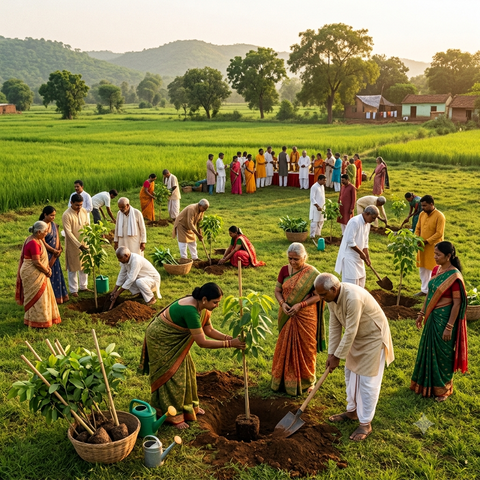
Bamboo plantation in Andhra Pradesh supports rural livelihoods and environmental restoration. Bamboo cultivation provides multiple income streams and supports ecological balance in the region.
✅ Why Bamboo Plantation Thrives in Andhra Pradesh
Andhra Pradesh's tropical climate creates ideal conditions for bamboo cultivation. The state receives adequate rainfall and enjoys warm temperatures year-round. These natural advantages make bamboo plantation highly successful across districts like Visakhapatnam, Krishna, and Chittoor.
We found that bamboo grows exceptionally well in the state's diverse soil types. From coastal sandy soils to inland red soils, different bamboo varieties adapt perfectly. Our team has witnessed farmers achieve remarkable growth rates of 10-15 feet in just one growing season.
The United Nations Sustainable Development Goals emphasize sustainable agriculture and climate action. Bamboo plantation directly supports these global objectives through carbon sequestration and rural development.
⭐ Economic Benefits of Bamboo Cultivation
Bamboo plantation generates multiple revenue streams for farmers. Income comes from selling bamboo shoots, culms, and processed products.
The bamboo industry in Andhra Pradesh employs thousands of people. From cultivation to processing, the sector creates jobs in rural areas where opportunities are limited. We ensure our agroforestry programs connect farmers with reliable buyers and processing units.
Bamboo products enjoy growing demand in 2026. Construction companies increasingly use bamboo for sustainable building materials. Paper mills, textile manufacturers, and handicraft industries also drive market demand for quality bamboo.
🌱 Environmental Impact and Climate Benefits
Bamboo plantation improves soil health and prevents erosion. The extensive root system binds soil particles effectively.
Bamboo sequesters carbon as it grows.
According to United Nations Environment Programme research on forests, bamboo forests support biodiversity conservation. These ecosystems provide habitat for various bird species, small mammals, and beneficial insects.
💡 Best Practices for Bamboo Plantation
Successful bamboo plantation requires proper site selection and preparation. Choose well-drained locations with good sunlight exposure. Avoid waterlogged areas or extremely sandy soils that don't retain moisture.
Plant bamboo during the monsoon season for optimal establishment. June to August provides ideal planting conditions in Andhra Pradesh. Space plants 4-6 feet apart to allow proper growth and air circulation.
Regular maintenance ensures healthy bamboo growth. Remove weeds around young plants and apply organic fertilizers annually. Our team recommends using compost and vermicompost to boost soil fertility naturally.
Irrigation and Water Management
Bamboo requires consistent moisture during the first two years. Install drip irrigation systems for efficient water usage and to maintain soil moisture levels.
Mulching around bamboo plants conserves soil moisture effectively. Use organic materials like dried leaves or grass clippings. This practice also suppresses weed growth and gradually improves soil organic matter.
🚀 Popular Bamboo Varieties for Andhra Pradesh
Bambusa balcooa thrives in Andhra Pradesh's climate conditions. This variety produces thick culms suitable for construction and furniture making. Farmers appreciate its fast growth and high yield potential.
Dendrocalamus strictus, commonly known as male bamboo, grows well in drier regions. This hardy variety tolerates drought conditions better than other species. It's perfect for areas with irregular rainfall patterns.
Bambusa bambos adapts to various soil types across the state. This versatile variety produces quality bamboo for multiple applications. Our partners successfully cultivate this species in both coastal and inland districts.
Government Support and Schemes
The Andhra Pradesh government supports bamboo plantation through the National Bamboo Mission, which provides financial assistance for plantation costs, maintenance, and infrastructure development.
Subsidies make bamboo cultivation accessible to small and marginal farmers. Support includes training programs and market linkage assistance.
We provide comprehensive guidance on accessing government benefits. Our team helps farmers complete application procedures and documentation requirements. This ensures maximum utilization of available financial support.
Processing and Value Addition Opportunities
Bamboo processing industries in Andhra Pradesh create additional income opportunities. Farmers can establish small-scale processing units for bamboo products. Items like baskets, furniture, and handicrafts generate steady revenue streams.
Bamboo shoots are edible products sold in urban markets.
The United Nations climate change initiatives recognize bamboo's role in sustainable development. Processing bamboo locally reduces transportation costs and carbon footprint while creating rural employment.
Challenges and Solutions in Bamboo Cultivation
Initial establishment costs can challenge small farmers. However, government subsidies and microfinance options make plantation affordable. We connect farmers with appropriate funding sources to overcome financial barriers.
Market access remains a concern for new bamboo growers. Building relationships with buyers and processing units ensures steady demand. Our network includes established bamboo traders and manufacturers across Andhra Pradesh.
Technical knowledge gaps affect plantation success rates. Regular training programs and expert guidance improve farming practices. We ensure our partners receive ongoing support throughout the cultivation cycle.
Future Prospects and Expansion Plans
Bamboo plantation in Andhra Pradesh aligns with the state's goal to plant 100 crore trees by 2030. This ambitious target includes significant bamboo cultivation across suitable areas. The initiative supports both environmental restoration and economic development.
Growing awareness of sustainable materials boosts bamboo demand globally. Industries increasingly prefer eco-friendly alternatives to traditional materials. This trend creates excellent market opportunities for Andhra Pradesh bamboo growers.
Research and development efforts continue improving bamboo varieties and cultivation techniques. New drought-resistant varieties show promise for expanding cultivation to marginal lands. These innovations will further enhance bamboo's contribution to rural prosperity.
Frequently Asked Questions
What is the ideal spacing for bamboo plantation in Andhra Pradesh?
Plant bamboo saplings 4-6 feet apart in rows with 8-10 feet between rows. This spacing allows adequate sunlight penetration and air circulation while maximizing yield per acre.
How long does bamboo take to mature for harvesting?
Most bamboo varieties mature within 3-4 years for first harvest. After establishment, you can harvest bamboo annually without replanting, making it a sustainable long-term investment.
What government support is available for bamboo plantation?
The National Bamboo Mission provides financial assistance for bamboo plantation. The state government offers additional support including training programmes and market linkage assistance.
Which districts in Andhra Pradesh are best for bamboo cultivation?
Visakhapatnam, Krishna, Chittoor, and Guntur districts show excellent results for bamboo plantation. These areas have suitable climate conditions and good market access for bamboo products.
Can bamboo be grown alongside other crops?
Yes, bamboo works wonderfully in agroforestry systems. It can be intercropped with vegetables, pulses, and other short-duration crops during initial years, providing additional income streams.
What are the main challenges in bamboo cultivation?
Initial establishment costs, market access, and technical knowledge gaps are primary challenges. However, government support, proper training, and market linkages effectively address these issues.
How much income can farmers expect from bamboo plantation?
Income from mature bamboo plantations varies based on variety, management practices, and market prices.
What maintenance does bamboo plantation require?
Regular weeding, organic fertilizer application, and irrigation during dry periods ensure healthy growth. Bamboo requires minimal maintenance compared to other commercial crops.Bamboo plantation in Andhra Pradesh represents a wonderful opportunity to transform agriculture while protecting our planet. The combination of favorable climate, government support, and growing market demand creates perfect conditions for success. Our team welcomes farmers to explore this sustainable and profitable venture. Plant a tree in your Name with our comprehensive bamboo plantation programs and discover how this green gold can boost your income while contributing to environmental restoration. Together, we can achieve our goal of planting 100 crore trees and combating climate change through collective action.
Bamboo plantation with Grow Billion Trees
Companies fund bamboo through CSR as part of agroforestry and restoration programmes, and farmers grow it on their own land and keep the income from the harvest. Every plantation is geo-tagged and tracked on GreenTrack.
- Bamboo plantation for CSR and carbon credits
- Agroforestry programme
- Agroforestry for farmers: register free
- CSR rules for tree plantation
Talk to our team about a programme for your company.