

Bamboo Plantation in India: Ultimate Growing Guide 2024
Bamboo plantation in India represents one of the most sustainable and profitable agricultural ventures available today. With over 136 bamboo species n Read more
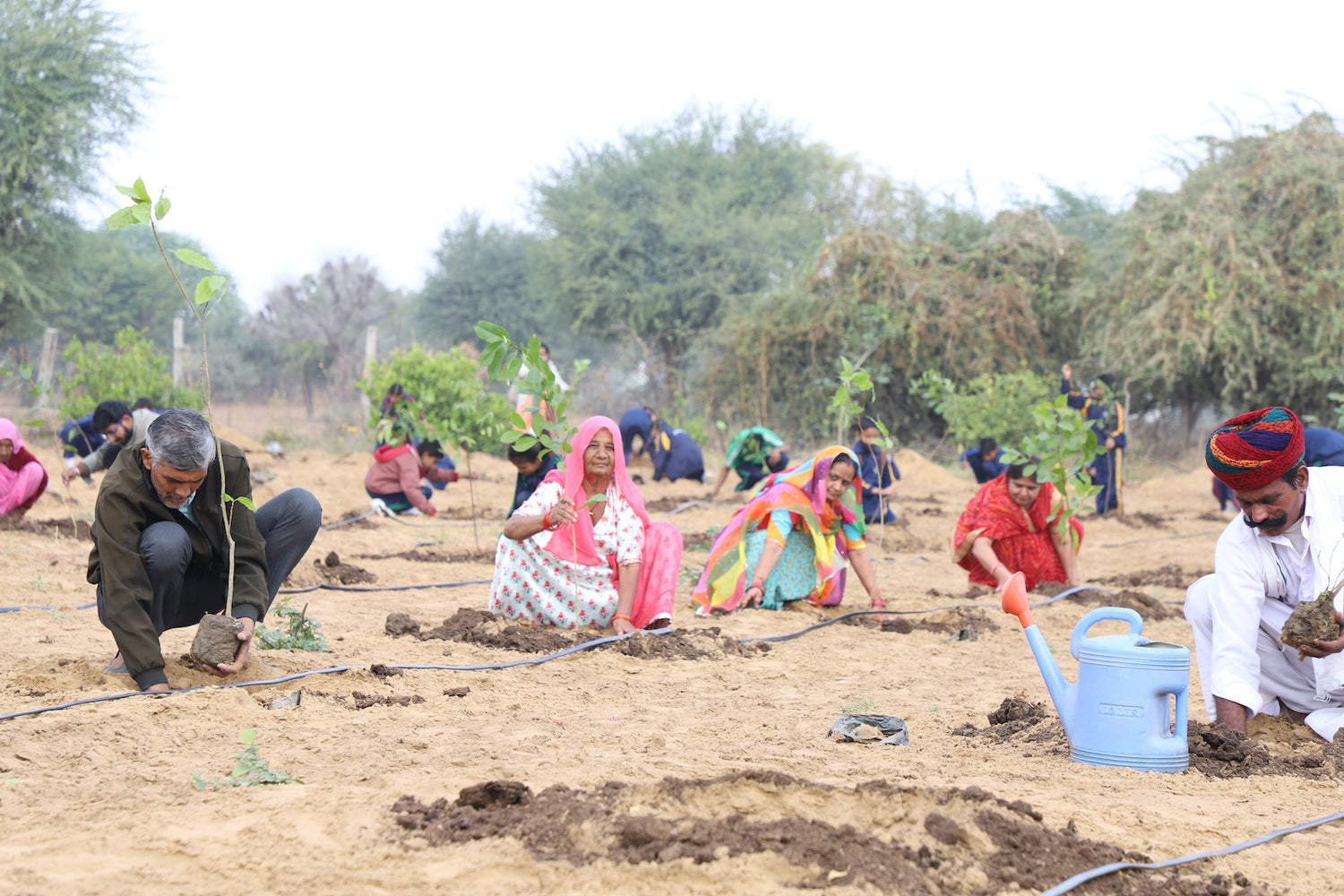
Connect with us
-
👥 Corporates
If you are looking for:
- 🌲 Tree Plantation Events
- 📊 CSR Projects
📧 corporate@growbilliontrees.com
📞 +91 9699723523
💬 +91 9325931304 WhatsApp (Only)
🕒 Mon - Sat | 10am - 7pm IST
-
🧩 Tree Plantation NGOs
If you are looking for:
- 💰 Financial Assistance
- 🤝 Operational Support
📧 support@growbilliontrees.com
📞 +91 9699723523
💬 +91 9325931304 WhatsApp (Only)
🕒 Mon - Sat | 10am - 7pm IST
-
🌼 Individuals
If you are looking for:
- 👥 Group Tree Plantation Drive
- 🌳 Bulk Tree Plantation
📞 +91 9699723523
💬 +91 9325931304 WhatsApp (Only)
🕒 Mon - Sat | 10am - 7pm IST
Trending Tree Plantations - Most Popular Environmental Programs
-
Trees for Mother
Regular price ₹ 299Regular priceUnit price per -
Trees to Honor the Memory of your Loved Ones
Regular price ₹ 299Regular priceUnit price per -
Trees for Women's Day (8th Mar)
Regular price ₹ 299Regular priceUnit price per -
Trees for Wedding Anniversary Celebration
Regular price ₹ 299Regular priceUnit price per -
Trees for Grandmother
Regular price ₹ 299Regular priceUnit price per

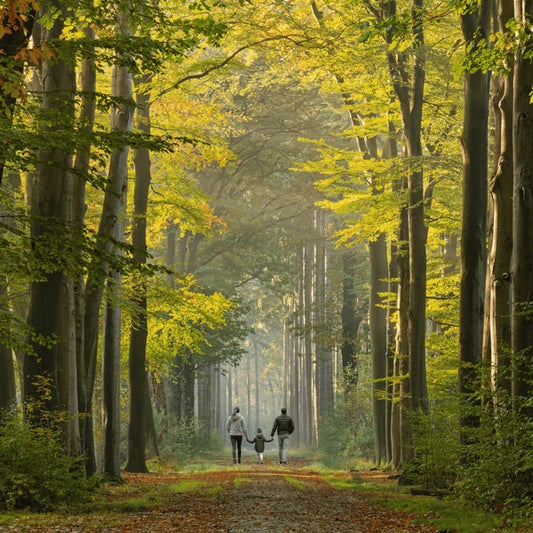



Trees for Corporates - Achieve Net Zero Targets Through Strategic Tree Planting
-
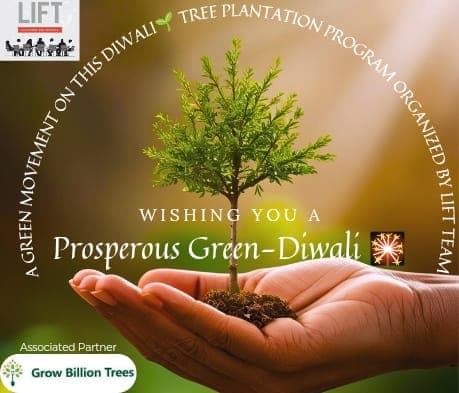 Project Closed
Trees by LIFT Team for Green Diwali: Transform Your Festival
Regular price ₹ 299Regular priceUnit price per -
Trees for a Greener Tomorrow - by Mahindra Lifespaces
Regular price ₹ 299Regular priceUnit price per -
Trees for Environment Day: Plant Your Impact on June 5th
Regular price ₹ 299Regular priceUnit price per -
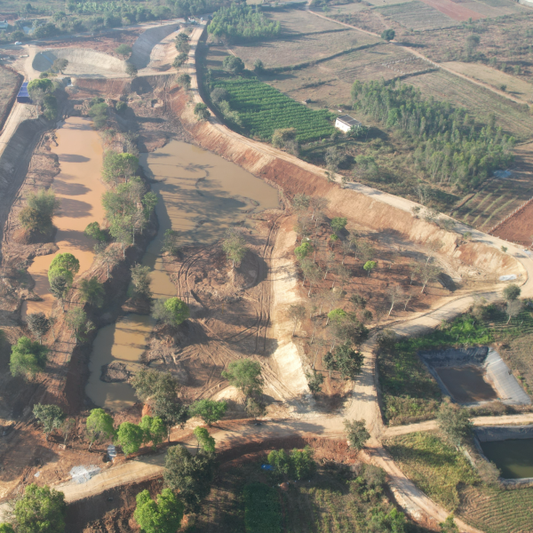 Project Closed
Trees for Bangalore: Plant Native Trees in Garden City ₹299
Regular price ₹ 799Regular priceUnit price per -
Trees for Employees: Transform Your Corporate Culture in 2026
Regular price ₹ 299Regular priceUnit price per

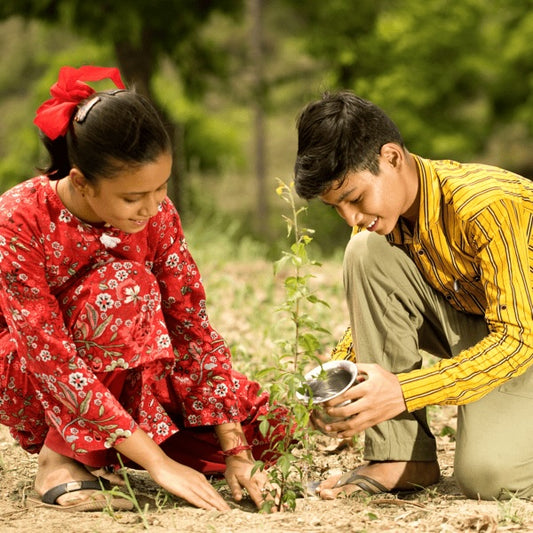

Bamboo plantation in India represents one of the most sustainable and profitable agricultural ventures available today. With over 136 bamboo species naturally occurring across the country, India holds tremendous potential for bamboo cultivation. Our experience working with farmers across different regions shows that bamboo offers exceptional environmental benefits while providing steady income streams for rural communities.
The bamboo industry in India is experiencing unprecedented growth, with the government targeting a market value of ₹20,000 crores by 2026. When it comes to bamboo plantation in india,This green gold provides multiple harvests from a single plantation, making it an ideal choice for environmentally conscious farmers and investors alike.
Why Choose Bamboo Plantation in India? ✅
India's diverse climate zones create perfect conditions for bamboo cultivation. When it comes to bamboo plantation in india,From the tropical regions of Kerala to the temperate zones of Himachal Pradesh, bamboo thrives in various environments. Our team has observed remarkable success rates across different geographical locations.
The economic potential is substantial. A single bamboo plantation can generate income for over 60 years with proper management. Unlike traditional timber that requires decades to mature, bamboo reaches harvesting stage within 3-4 years.
Environmental benefits include carbon sequestration rates 35% higher than conventional trees. When it comes to bamboo plantation in india,According to the United Nations Environment Programme, bamboo forests play a crucial role in climate change mitigation and biodiversity conservation.
Top Bamboo Species for Indian Cultivation 🌱
Selecting the right bamboo species ensures optimal growth and profitability. We recommend these proven varieties based on our extensive field experience:
- Bambusa balcooa - Excellent for construction and paper industry
- Dendrocalamus strictus - High demand in handicraft sector
- Bambusa bambos - Multi-purpose variety with strong market demand
- Dendrocalamus asper - Fast-growing species ideal for commercial cultivation
Each species has specific soil and climate requirements. Our partners have achieved remarkable yields by matching species to local conditions. Temperature, rainfall, and soil pH significantly impact growth rates and bamboo quality.
Essential Soil and Climate Requirements 🌿
Successful bamboo plantation in India requires understanding specific environmental conditions. Well-drained soil with pH between 5.5 to 6.5 provides optimal growing conditions. Our experience shows that bamboo adapts to various soil types but performs best in loamy soil rich in organic matter.
Annual rainfall between 1000-2500mm supports healthy bamboo growth. However, proper drainage prevents waterlogging, which can damage root systems. Temperature ranges of 20-35°C create ideal growing environments across most Indian regions.
Altitude considerations matter significantly. Most commercial bamboo varieties thrive at elevations below 1500 meters. Higher altitudes require specific cold-resistant species for successful cultivation.
Step-by-Step Bamboo Plantation Process 💡
Our proven plantation methodology ensures maximum success rates. We provide comprehensive guidance throughout the establishment phase:
Site Preparation and Land Selection
Choose locations with adequate sunlight exposure and protection from strong winds. Clear existing vegetation and prepare the land through deep ploughing. Soil testing determines nutrient requirements and pH adjustments needed.
Create proper drainage systems to prevent water stagnation. Our team recommends installing drainage channels in areas with heavy monsoon rainfall.
Planting Techniques and Spacing
Optimal spacing between plants ranges from 4x4 meters to 5x5 meters depending on the species. Dig planting pits of 60cm x 60cm x 60cm size. Fill pits with organic compost mixed with topsoil for better root establishment.
Plant during monsoon season for natural irrigation support. However, ensure adequate drainage to prevent root rot. Water management during initial months determines long-term plantation success.
Bamboo Plantation Benefits for Environment 🌍
Environmental advantages of bamboo plantation extend far beyond carbon sequestration. When it comes to bamboo plantation in india,These remarkable plants prevent soil erosion effectively, making them ideal for degraded land restoration. The United Nations Climate Change initiative recognizes bamboo as a key species for achieving global climate goals.
Bamboo releases 35% more oxygen compared to equivalent tree plantations. When it comes to bamboo plantation in india,Root systems create extensive networks that improve soil structure and water retention capacity. Wildlife habitat enhancement occurs naturally as bamboo groves provide shelter for various species.
Water conservation benefits include reduced surface runoff and improved groundwater recharge. Our field studies demonstrate that bamboo plantations can reduce soil erosion by up to 75% compared to barren land.
Economic Opportunities and Market Potential 💰
The bamboo market in India offers diverse revenue streams for plantation owners. When it comes to bamboo plantation in india,Construction industry demand continues growing, with bamboo replacing traditional materials in sustainable building projects. Paper and pulp industries increasingly prefer bamboo fiber for eco-friendly production.
Handicraft and furniture sectors provide premium markets for quality bamboo. When it comes to bamboo plantation in india,Export opportunities to international markets create additional income sources. Our partners report average annual returns of ₹50,000 to ₹80,000 per acre from mature plantations.
Value-added processing increases profitability significantly. When it comes to bamboo plantation in india,Bamboo shoots, charcoal, and textile fiber production create multiple income streams from single plantations. Government subsidies and support schemes further enhance economic viability.
Government Schemes and Support Programs ⭐
Indian government initiatives actively promote bamboo cultivation through various schemes. When it comes to bamboo plantation in india,The National Bamboo Mission provides financial assistance up to ₹1.20 lakh per hectare for plantation establishment. State governments offer additional subsidies and technical support.
Skill development programs train farmers in modern bamboo cultivation techniques. When it comes to bamboo plantation in india,Research institutions provide improved planting materials and technical guidance. Credit facilities through banks and cooperative societies make bamboo plantation accessible to small farmers.
Export promotion councils facilitate international market access for bamboo products. Quality certification programs ensure compliance with global standards for bamboo products.
Common Challenges and Solutions ⚠️
Bamboo plantation faces specific challenges that require proactive management. Pest and disease control becomes crucial during monsoon seasons. Regular monitoring and organic treatment methods prevent major infestations.
Market linkage issues affect profitability for small-scale farmers. Cooperative farming models help address marketing challenges effectively. Our experience shows that collective selling increases bargaining power and profit margins.
Initial investment requirements can be substantial. However, government schemes and bank loans provide financial support. Long-term returns justify initial investments when proper planning and management practices are followed.
Harvesting and Post-Harvest Management 🎯
Bamboo harvesting requires specific timing and techniques for optimal quality. When it comes to bamboo plantation in india,Mature culms harvested during dry seasons contain lower moisture content and better durability. Selective harvesting maintains plantation productivity while ensuring continuous income.
Post-harvest processing includes proper drying and storage to prevent fungal attacks. When it comes to bamboo plantation in india,Value addition through processing increases market value significantly. Our partners achieve better prices through proper post-harvest management practices.
Transportation and logistics planning ensures timely delivery to buyers. Establishing relationships with processing units and end-users creates stable market channels for bamboo products.
Technology Integration in Bamboo Farming 📱
Modern technology enhances bamboo plantation efficiency and productivity. Drip irrigation systems optimize water usage while ensuring adequate moisture levels. Soil testing apps help monitor nutrient levels and pH changes.
GPS mapping enables precise plantation planning and monitoring. Weather forecasting tools assist in timing agricultural operations effectively. Our team utilizes satellite imagery for large-scale plantation monitoring and management.
Mobile apps connect farmers with buyers directly, eliminating middlemen. Digital record-keeping helps track expenses, yields, and profitability accurately.
Frequently Asked Questions
How long does bamboo take to mature in India?
Most bamboo species in India reach harvesting maturity within 3-4 years. However, full commercial productivity is achieved after 5-6 years when multiple culms can be harvested annually.
What is the average profit from one acre of bamboo plantation?
Mature bamboo plantations generate ₹50,000 to ₹80,000 annually per acre. Initial years show lower returns, but profitability increases significantly after the fifth year with proper management.
Which states in India are best for bamboo cultivation?
Assam, Meghalaya, Manipur, Mizoram, Kerala, Karnataka, and Odisha offer ideal conditions for bamboo cultivation. These states have favorable climate, soil conditions, and government support for bamboo farming.
Is bamboo plantation eligible for government subsidies?
Yes, the National Bamboo Mission provides subsidies up to ₹1.20 lakh per hectare. Additional state-level schemes offer further financial support for bamboo plantation establishment and maintenance.
Can bamboo be grown on marginal lands?
Bamboo thrives on marginal and degraded lands, making it excellent for land restoration projects. It improves soil quality over time while providing economic returns from previously unproductive land.
What are the main markets for bamboo products in India?
Construction, paper and pulp, handicrafts, furniture, and food industries represent major markets. Export opportunities exist for bamboo charcoal, textiles, and processed bamboo products.
How much water does bamboo plantation require?
Bamboo requires 1000-2500mm annual rainfall or equivalent irrigation. Drip irrigation systems can reduce water consumption by 40% while maintaining optimal growth conditions.
Are there any environmental certifications for bamboo plantations?
Forest Stewardship Council (FSC) and other international certifications are available for sustainable bamboo plantations. These certifications enhance market access and premium pricing opportunities.Bamboo plantation in India offers tremendous opportunities for sustainable agriculture and environmental restoration. The combination of economic benefits, environmental advantages, and government support makes bamboo cultivation an attractive investment. Our experience demonstrates that proper planning, species selection, and management practices ensure successful outcomes.As India works toward achieving its United Nations Sustainable Development Goals, bamboo plantations play a crucial role in climate change mitigation and rural development. When it comes to bamboo plantation in india,We encourage environmentally conscious individuals and farmers to explore bamboo cultivation opportunities.Ready to start your bamboo plantation journey? When it comes to bamboo plantation in india,Discover how Grow Billion Trees can help you establish sustainable bamboo plantations while contributing to our goal of planting 100 crore trees across India. Plant a tree in your Name and join our mission of Combating Climate Change Through Collective Action!
You may like
-
Gift a Tree - Meaningful Environmental Gifts That Make a Difference
Transform your gift-giving with meaningful environmental gifts that create lasting impact for...
-
Trees For Shiv Ji - Sacred Tree Planting to Honor Lord Shiva
Honor Lord Shiva through sacred tree planting with Trees For Shiv Ji,...
-

Tree Plantations for Shri Ram - Sacred Devotional Planting Services
Honor Lord Shri Ram through meaningful tree plantations for Shri Ram that...
-
Tree Plantation on Navratri - Celebrate Divine Festivals with Environmental Devotion
Tree plantation on Navratri transforms the sacred nine-day festival into a powerful...
-
Tree Plantation by Cause - Plant Trees for Every Purpose | Grow Billion Trees
Transform your environmental impact with purpose-driven tree plantation by cause programs that...
Corporate Plantations
-
Trees for Corporates - Achieve Net Zero Targets Through Strategic Tree Planting
Trees for Corporates - Strategic Environmental SolutionsTransform your corporate environmental impact with...
-

Tree Plantation for CSR - Corporate Environmental Programs | Grow Billion Trees
Tree Plantation for CSR - Transform Your Corporate Environmental ImpactTree plantation for...
-
Tree Plantation for SDG - Support Sustainable Development Goals
Tree plantation for SDG initiatives represents a powerful pathway to achieving multiple...
-
Corporate Tree Plantation Programs - Sustainable ESG Environmental Solutions for Net Zero Targets
Transform your organization's environmental impact with our comprehensive Corporate Tree Plantation Programs...
-
Tree Plantation by Location - Plant Trees Across India
Transform landscapes nationwide through our comprehensive tree plantation by location program. When...
Most Popular Tree Plantations - Top Choices for Environmental Impact
-
Trees for Mother
Regular price ₹ 299Regular priceUnit price per -
Trees to Honor the Memory of your Loved Ones
Regular price ₹ 299Regular priceUnit price per -
Trees for Wedding Anniversary Celebration
Regular price ₹ 299Regular priceUnit price per -
Trees for Grandmother
Regular price ₹ 299Regular priceUnit price per -
Trees for Grandfather
Regular price ₹ 299Regular priceUnit price per