

Bamboo Plantation in Madhya Pradesh: Ecosystem Revival Guide
Bamboo plantation in Madhya Pradesh represents a revolutionary approach to sustainable forestry and environmental restoration. This initiative transfo Read more
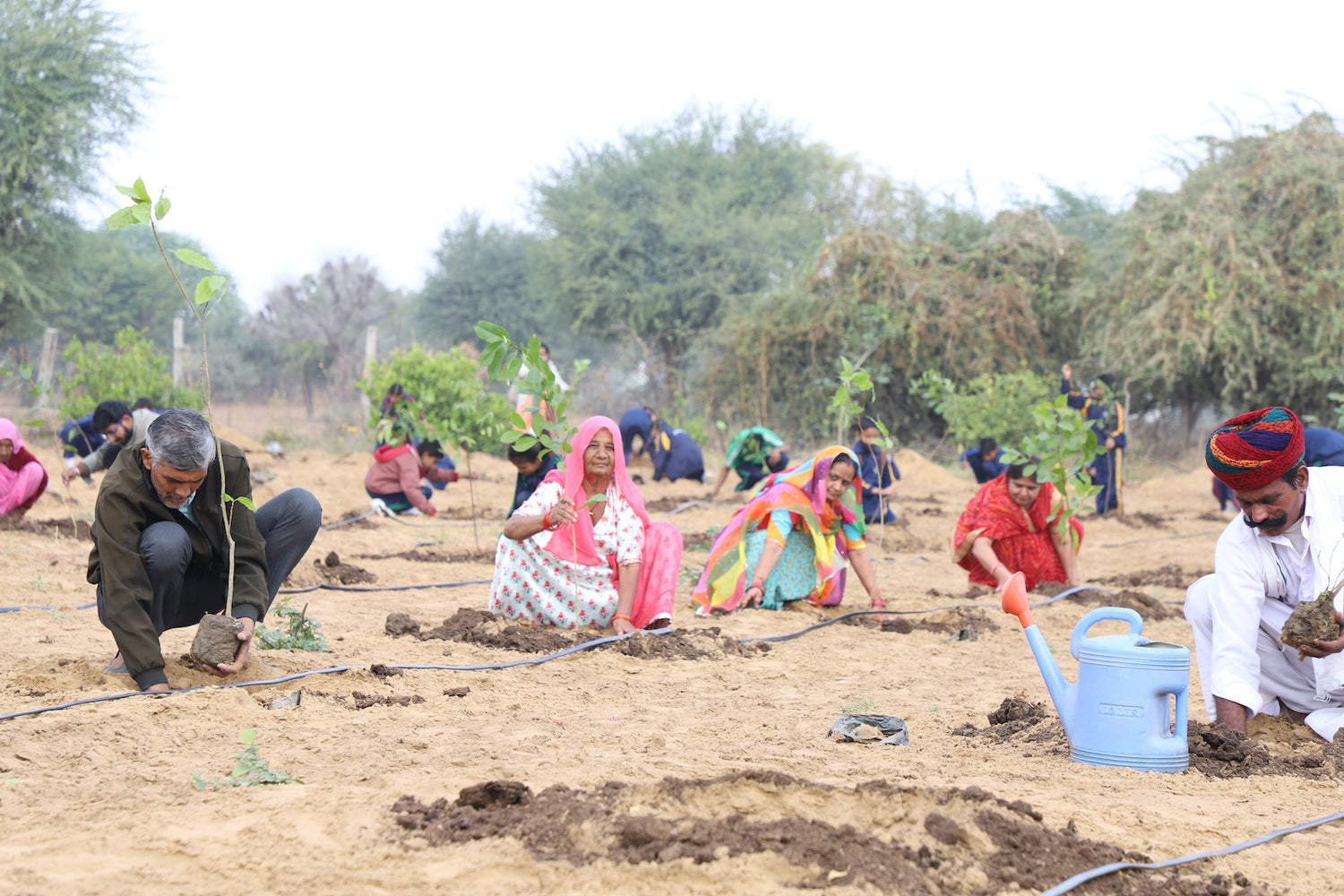
Connect with us
-
👥 Corporates
If you are looking for:
- 🌲 Tree Plantation Events
- 📊 CSR Projects
📧 corporate@growbilliontrees.com
📞 +91 9699723523
💬 +91 9325931304 WhatsApp (Only)
🕒 Mon - Sat | 10am - 7pm IST
-
🧩 Tree Plantation NGOs
If you are looking for:
- 💰 Financial Assistance
- 🤝 Operational Support
📧 support@growbilliontrees.com
📞 +91 9699723523
💬 +91 9325931304 WhatsApp (Only)
🕒 Mon - Sat | 10am - 7pm IST
-
🌼 Individuals
If you are looking for:
- 👥 Group Tree Plantation Drive
- 🌳 Bulk Tree Plantation
📞 +91 9699723523
💬 +91 9325931304 WhatsApp (Only)
🕒 Mon - Sat | 10am - 7pm IST
Trending Tree Plantations - Most Popular Environmental Programs
-
Trees for Mother
Regular price ₹ 299Regular priceUnit price per -
Trees to Honor the Memory of your Loved Ones
Regular price ₹ 299Regular priceUnit price per -
Trees for Women's Day (8th Mar)
Regular price ₹ 299Regular priceUnit price per -
Trees for Wedding Anniversary Celebration
Regular price ₹ 299Regular priceUnit price per -
Trees for Grandmother
Regular price ₹ 299Regular priceUnit price per

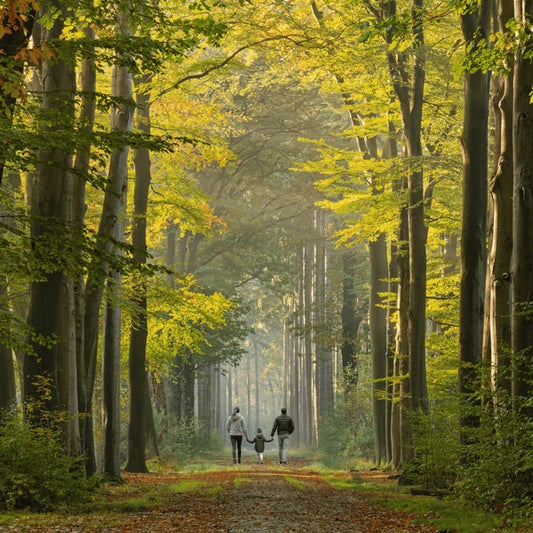



Trees for Corporates - Achieve Net Zero Targets Through Strategic Tree Planting
-
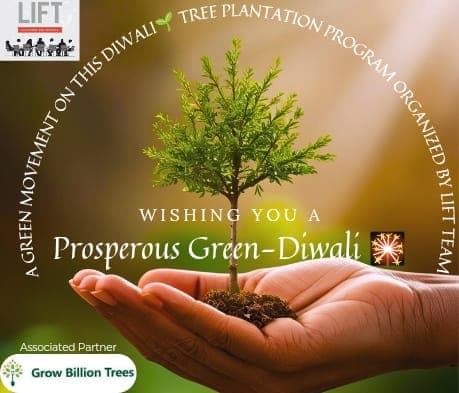 Project Closed
Trees by LIFT Team for Green Diwali: Transform Your Festival
Regular price ₹ 299Regular priceUnit price per -
Trees for a Greener Tomorrow - by Mahindra Lifespaces
Regular price ₹ 299Regular priceUnit price per -
Trees for Environment Day: Plant Your Impact on June 5th
Regular price ₹ 299Regular priceUnit price per -
Trees for Employees: Transform Your Corporate Culture in 2026
Regular price ₹ 299Regular priceUnit price per -
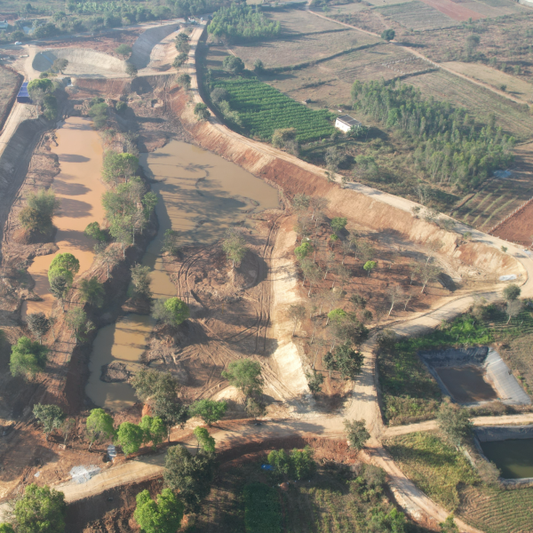 Project Closed
Trees for Bangalore: Plant Native Trees in Garden City ₹299
Regular price ₹ 799Regular priceUnit price per
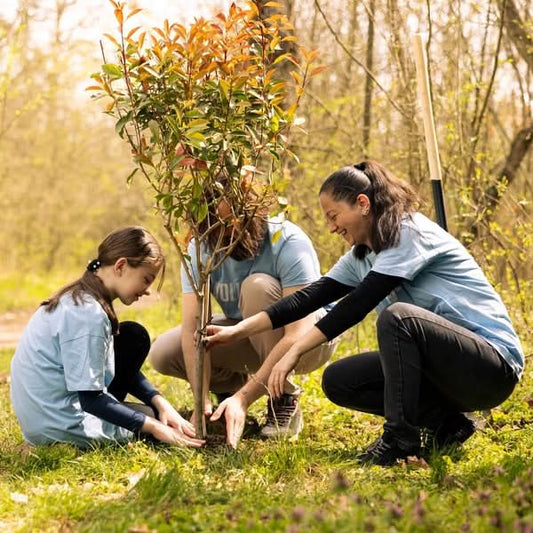
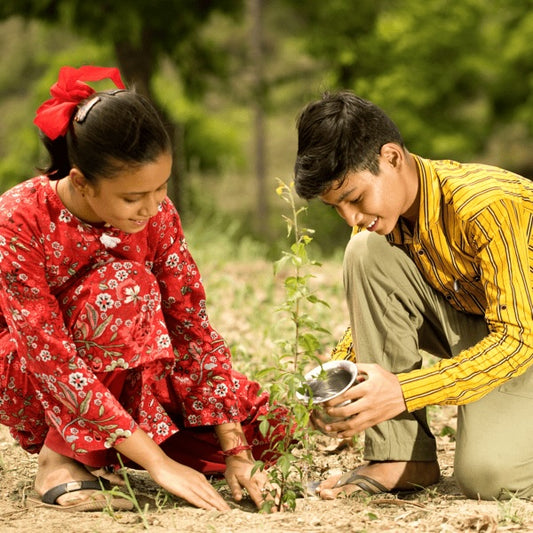

Bamboo plantation in Madhya Pradesh represents a revolutionary approach to sustainable forestry and environmental restoration. This initiative transforms degraded landscapes into thriving ecosystems while supporting local communities. Our experience working with farmers across the state shows bamboo's remarkable potential to combat climate change and boost rural incomes.
Madhya Pradesh has emerged as India's leading bamboo-growing state, with over 2.5 million hectares dedicated to bamboo cultivation in 2026. The state government's progressive policies welcome farmers to embrace this wonder grass. We ensure our bamboo plantation programs align with ecological restoration goals and economic development.
✅ Why Bamboo Plantation Thrives in Madhya Pradesh
The state's diverse agro-climatic zones create perfect conditions for bamboo growth. Madhya Pradesh receives adequate rainfall and enjoys fertile soils across multiple districts. Our team has observed exceptional growth rates in regions like Balaghat, Mandla, and Dindori.
Bamboo grows 35 times faster than traditional hardwood trees, making it an ideal choice for rapid ecosystem restoration. The plant's extensive root system prevents soil erosion while improving water retention. According to the United Nations Environment Programme's forest conservation initiatives, bamboo plantations can sequester up to 35% more carbon than conventional forests.
Local communities love bamboo cultivation because it provides sustainable income streams. Farmers can harvest bamboo annually after the third year without replanting. This creates a renewable resource that supports both environmental and economic sustainability.
⭐ Bamboo Species Perfect for Madhya Pradesh
Dendrocalamus strictus, commonly known as male bamboo, dominates plantations across central India. This hardy species adapts well to varying moisture conditions and soil types. Our partners have successfully cultivated this variety in both forest and agricultural lands.
Bambusa bambos thrives in the state's river valleys and provides excellent commercial value. The species produces high-quality culms suitable for construction and handicrafts. We found this variety particularly successful in districts with higher rainfall patterns.
Bambusa tulda grows rapidly in moist soils and offers multiple harvesting opportunities. Local artisans prefer this species for creating traditional crafts and household items. The variety supports rural employment while maintaining ecological balance.
💡 Environmental Benefits of Bamboo Ecosystems
Bamboo plantation in Madhya Pradesh creates remarkable environmental improvements beyond carbon sequestration. These green corridors support wildlife conservation by providing habitat for various species. Our hands-on experience reveals significant increases in bird populations within established bamboo groves.
The plant's unique growth pattern allows multiple species to coexist within the same ecosystem. Bamboo canopies create microclimates that support diverse flora and fauna. Research from 2026 indicates bamboo forests host 30% more biodiversity than monoculture plantations.
Water conservation becomes effortless with bamboo's natural properties. The grass requires minimal irrigation once established, making it drought-resistant. Its root system helps recharge groundwater while preventing surface runoff during monsoons.
According to the United Nations Climate Change action framework, bamboo cultivation can reduce atmospheric carbon dioxide levels significantly. Each hectare of bamboo absorbs approximately 12 tons of CO2 annually, contributing to global climate mitigation efforts.
Economic Opportunities Through Bamboo Cultivation
Madhya Pradesh's bamboo industry generates over ₹15,000 crores annually, supporting millions of rural households. The state's bamboo mission has transformed agricultural landscapes into profitable ventures. We provide comprehensive support to farmers transitioning from traditional crops to bamboo cultivation.
Bamboo-based industries create diverse employment opportunities across the value chain. From cultivation to processing, manufacturing to marketing, the sector offers sustainable livelihoods. Our experience shows farmers can earn ₹40,000-60,000 per hectare annually from mature bamboo plantations.
The government's bamboo promotion policies include subsidies, technical support, and market linkages. Farmers receive financial assistance for plantation establishment and maintenance. These initiatives make bamboo cultivation accessible to small and marginal farmers.
Processing units across the state convert raw bamboo into value-added products. Paper mills, construction materials, and handicraft industries rely on steady bamboo supplies. This integrated approach ensures sustainable demand for bamboo products.
Agroforestry Integration with Bamboo
Bamboo agroforestry systems maximize land productivity while maintaining ecological balance. Farmers can grow crops alongside bamboo during the initial establishment years. Our team helps design integrated farming systems that boost overall farm income.
Intercropping with bamboo provides additional revenue streams for farmers. Vegetables, pulses, and medicinal plants grow well under bamboo canopies. This diversified approach reduces economic risks while improving soil fertility naturally.
The World Wildlife Fund's forest conservation programs recognize bamboo agroforestry as a sustainable land-use model. These systems combine food security with environmental restoration effectively.
Livestock integration becomes possible with proper bamboo plantation management. Cattle and goats can graze on bamboo leaves while providing natural fertilizer. This circular farming approach maximizes resource utilization and minimizes waste.
Technology and Innovation in Bamboo Farming
Modern bamboo plantation in Madhya Pradesh incorporates advanced technologies for optimal growth. Drip irrigation systems ensure water efficiency during establishment phases. Our partners use GPS mapping to monitor plantation health and growth patterns.
Tissue culture propagation produces disease-free bamboo saplings with superior genetic traits. This technology ensures uniform growth and higher survival rates. Research institutions across the state develop improved bamboo varieties suitable for local conditions.
Mobile applications help farmers access real-time information about bamboo cultivation practices. Weather forecasts, market prices, and expert advice become readily available. We ensure our farmers stay connected with the latest technological developments.
Precision farming techniques optimize fertilizer application and pest management strategies. Soil testing guides nutrient management programs for maximum bamboo productivity. These scientific approaches guarantee sustainable plantation success.
Challenges and Solutions in Bamboo Cultivation
Initial establishment costs can deter small farmers from adopting bamboo cultivation. However, government subsidies and microfinance options make investments manageable. We help farmers access financial support through various schemes and programs.
Market fluctuations sometimes affect bamboo prices, creating income uncertainty. Diversified product development and long-term contracts provide stability. Our network ensures farmers receive fair prices for their bamboo harvest.
Technical knowledge gaps exist among traditional farmers transitioning to bamboo cultivation. Training programs and extension services bridge these knowledge gaps effectively. We provide comprehensive technical support throughout the cultivation cycle.
Processing infrastructure remains limited in remote areas, affecting value addition opportunities. Mobile processing units and cooperative models address these challenges. Strategic partnerships help establish decentralized processing facilities.
Government Initiatives and Policy Support
Madhya Pradesh's National Bamboo Mission promotes large-scale bamboo cultivation across the state. The program provides technical assistance, quality planting material, and market support. Our organization collaborates with government agencies to implement successful plantation programs.
Forest rights recognition enables tribal communities to cultivate bamboo on their traditional lands. This policy change empowers local communities while promoting sustainable forest management. We work closely with tribal groups to establish community-based bamboo plantations.
Export promotion policies encourage bamboo product manufacturing for international markets. The state government facilitates trade connections and quality certifications. These initiatives position Madhya Pradesh as a global bamboo hub.
Research and development funding supports innovation in bamboo cultivation and processing technologies. Universities and research institutes receive grants for bamboo-related studies. This scientific approach ensures continuous improvement in plantation practices.
⭐ Combating Climate Change Through Collective Action
Bamboo plantation in Madhya Pradesh contributes significantly to India's goal of planting 100 crore trees by 2030. Our mission aligns with national climate commitments and sustainable development objectives. Each bamboo grove represents hope for environmental restoration and community prosperity.
The state's bamboo initiatives support Net Zero Targets through enhanced carbon sequestration. Large-scale plantations create carbon sinks while providing renewable resources. We ensure our 4ft Tree Planting + 3 Years Care + GeoTag program includes bamboo options for maximum environmental impact.
Corporate partnerships accelerate bamboo plantation expansion across degraded landscapes. Companies seeking environmental sustainability find bamboo cultivation an effective solution. Our comprehensive programs help businesses achieve their climate goals while supporting rural development.
Individual participation through Plant a tree in your Name initiatives creates personal connections with environmental restoration. Citizens can contribute to bamboo plantation efforts for just ₹299, including three years of care. This accessible approach democratizes environmental action and creates lasting impact.
Frequently Asked Questions
How long does bamboo take to mature in Madhya Pradesh?
Bamboo reaches harvestable maturity in 3-4 years under optimal conditions. The first commercial harvest occurs in the fourth year, with annual harvests thereafter. Growth rates vary by species and local climate conditions.
What is the average income from bamboo cultivation per hectare?
Farmers earn ₹40,000-60,000 per hectare annually from mature bamboo plantations. Income increases with value addition through processing and direct marketing. Government subsidies and support programs enhance overall profitability.
Which districts in Madhya Pradesh are best for bamboo cultivation?
Balaghat, Mandla, Dindori, Seoni, and Chhindwara districts show excellent bamboo growth potential. These regions have favorable climate, soil conditions, and existing bamboo ecosystems. Our team provides location-specific guidance for optimal results.
What government support is available for bamboo farmers?
The National Bamboo Mission provides subsidies up to 50% of establishment costs. Technical training, quality planting material, and market linkage support are included. Additional schemes offer credit facilities and insurance coverage.
Can bamboo be grown alongside other crops?
Yes, bamboo agroforestry allows intercropping with vegetables, pulses, and medicinal plants. This system maximizes land productivity and provides multiple income sources. Proper spacing and management ensure all crops thrive together.
How does bamboo help in soil conservation?
Bamboo's extensive root system binds soil particles and prevents erosion. The plant improves soil organic matter content and water retention capacity. Leaf litter creates natural mulch that enhances soil fertility.
What are the main uses of bamboo grown in Madhya Pradesh?
Bamboo serves construction, paper manufacturing, handicrafts, and furniture industries. Food processing uses bamboo shoots, while textile industries utilize bamboo fiber. The versatile plant supports diverse economic activities.
Is bamboo cultivation environmentally sustainable?
Bamboo cultivation is highly sustainable, requiring minimal inputs while providing maximum environmental benefits. The plant regenerates naturally without replanting and supports biodiversity conservation. Carbon sequestration rates exceed those of traditional tree species.
How can I start a bamboo plantation in Madhya Pradesh?
Contact local forest departments or agricultural extension offices for technical guidance. Obtain quality planting material from certified nurseries and prepare land according to recommended practices. We provide comprehensive support for successful plantation establishment.
What challenges might new bamboo farmers face?
Initial investment costs, market access, and technical knowledge gaps are common challenges. However, government support programs and training initiatives address these issues effectively. Our experience shows most challenges are manageable with proper guidance and support.Bamboo plantation in Madhya Pradesh represents a transformative approach to sustainable development and environmental restoration. The state's progressive policies, favorable climate, and strong market demand create ideal conditions for bamboo cultivation success. Our hands-on experience demonstrates bamboo's potential to revitalize ecosystems while supporting rural livelihoods.Join our mission to create thriving bamboo ecosystems across Madhya Pradesh. Discover how you can contribute to environmental restoration while supporting sustainable agriculture. Together, we can build a greener, more prosperous future for generations to come.
You may like
-
Gift a Tree - Meaningful Environmental Gifts That Make a Difference
Transform your gift-giving with meaningful environmental gifts that create lasting impact for...
-
Trees For Shiv Ji - Sacred Tree Planting to Honor Lord Shiva
Honor Lord Shiva through sacred tree planting with Trees For Shiv Ji,...
-

Tree Plantations for Shri Ram - Sacred Devotional Planting Services
Honor Lord Shri Ram through meaningful tree plantations for Shri Ram that...
-
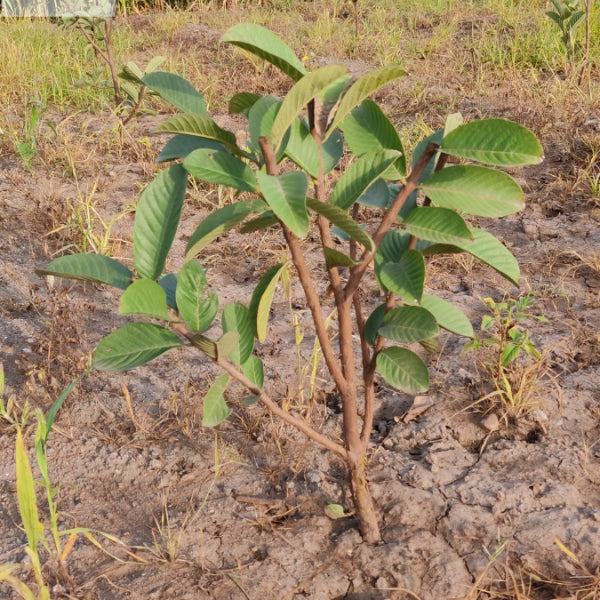
Tree Plantation on Navratri - Celebrate Divine Festivals with Environmental Devotion
Tree plantation on Navratri transforms the sacred nine-day festival into a powerful...
-
Tree Plantation by Cause - Plant Trees for Every Purpose | Grow Billion Trees
Transform your environmental impact with purpose-driven tree plantation by cause programs that...
Corporate Plantations
-
Trees for Corporates - Achieve Net Zero Targets Through Strategic Tree Planting
Trees for Corporates - Strategic Environmental SolutionsTransform your corporate environmental impact with...
-
Tree Plantation for CSR - Corporate Environmental Programs | Grow Billion Trees
Tree Plantation for CSR - Transform Your Corporate Environmental ImpactTree plantation for...
-
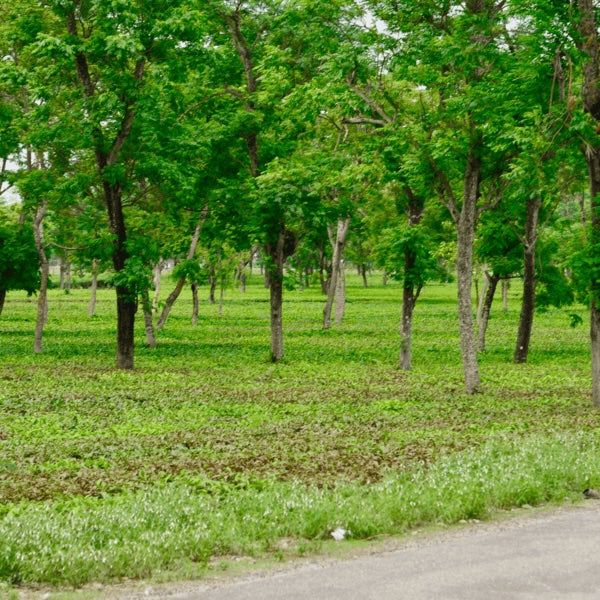
Tree Plantation for SDG - Support Sustainable Development Goals
Tree plantation for SDG initiatives represents a powerful pathway to achieving multiple...
-
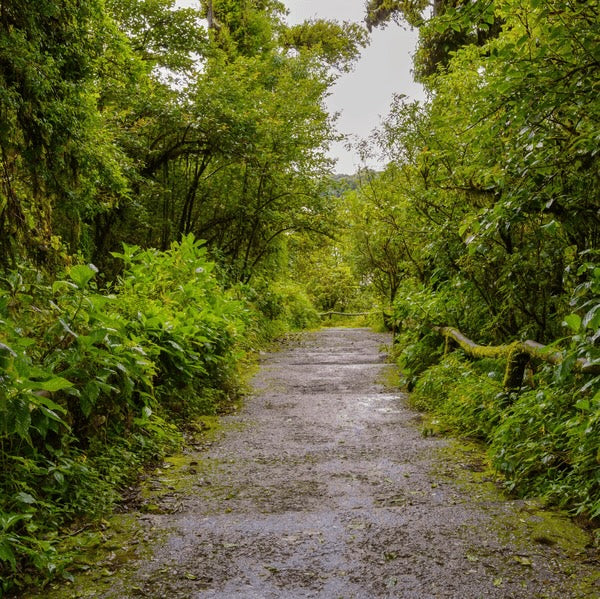
Corporate Tree Plantation Programs - Sustainable ESG Environmental Solutions for Net Zero Targets
Transform your organization's environmental impact with our comprehensive Corporate Tree Plantation Programs...
-
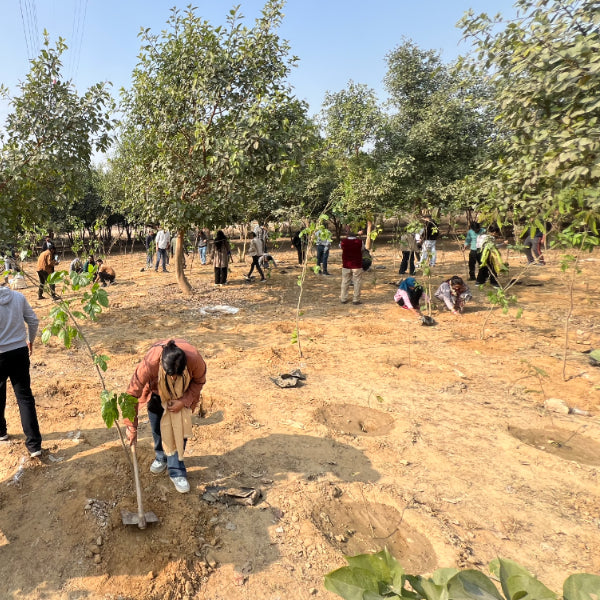
Tree Plantation by Location - Plant Trees Across India
Transform landscapes nationwide through our comprehensive tree plantation by location program. When...
Most Popular Tree Plantations - Top Choices for Environmental Impact
-
Trees for Mother
Regular price ₹ 299Regular priceUnit price per -
Trees to Honor the Memory of your Loved Ones
Regular price ₹ 299Regular priceUnit price per -
Trees for Wedding Anniversary Celebration
Regular price ₹ 299Regular priceUnit price per -
Trees for Grandmother
Regular price ₹ 299Regular priceUnit price per -
Trees for Grandfather
Regular price ₹ 299Regular priceUnit price per