
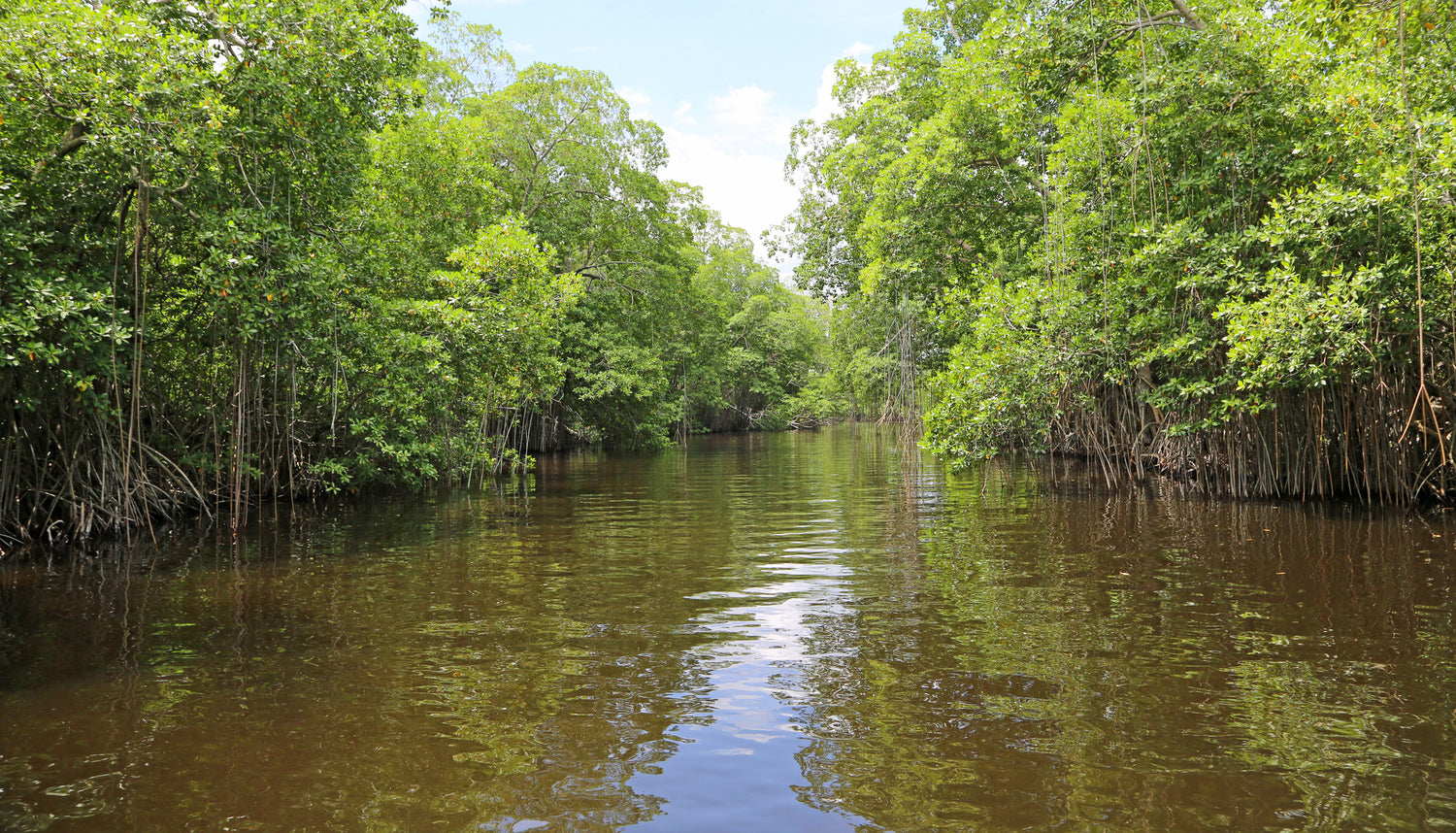
Mangrove Chilika Edge: Lagoon Life in Green Fringes
The Mangrove Chilika Edge is one of India's most vital ecological frontiers, where Asia's largest coastal lagoon meets a lush fringe of salt-tolerant Read more
Connect with us
-
👥 Corporates
If you are looking for:
- 🌲 Tree Plantation Events
- 📊 CSR Projects
📧 corporate@growbilliontrees.com
📞 +91 9699723523
💬 +91 9325931304 WhatsApp (Only)
🕒 Mon - Sat | 10am - 7pm IST
-
🧩 Tree Plantation NGOs
If you are looking for:
- 💰 Financial Assistance
- 🤝 Operational Support
📧 support@growbilliontrees.com
📞 +91 9699723523
💬 +91 9325931304 WhatsApp (Only)
🕒 Mon - Sat | 10am - 7pm IST
-
🌼 Individuals
If you are looking for:
- 👥 Group Tree Plantation Drive
- 🌳 Bulk Tree Plantation
📞 +91 9699723523
💬 +91 9325931304 WhatsApp (Only)
🕒 Mon - Sat | 10am - 7pm IST
Trending Tree Plantations - Most Popular Environmental Programs
-
Trees for Mother
Regular price ₹ 299Regular priceUnit price per -
Trees to Honor the Memory of your Loved Ones
Regular price ₹ 299Regular priceUnit price per -
Trees for Women's Day (8th Mar)
Regular price ₹ 299Regular priceUnit price per -
Trees for Wedding Anniversary Celebration
Regular price ₹ 299Regular priceUnit price per -
Trees for Grandmother
Regular price ₹ 299Regular priceUnit price per




Trees for Corporates - Achieve Net Zero Targets Through Strategic Tree Planting
-
 Project Closed
Trees by LIFT Team for Green Diwali: Transform Your Festival
Regular price ₹ 299Regular priceUnit price per -
Trees for a Greener Tomorrow - by Mahindra Lifespaces
Regular price ₹ 299Regular priceUnit price per -
Trees for Environment Day: Plant Your Impact on June 5th
Regular price ₹ 299Regular priceUnit price per -
Trees for Employees: Transform Your Corporate Culture in 2026
Regular price ₹ 299Regular priceUnit price per -
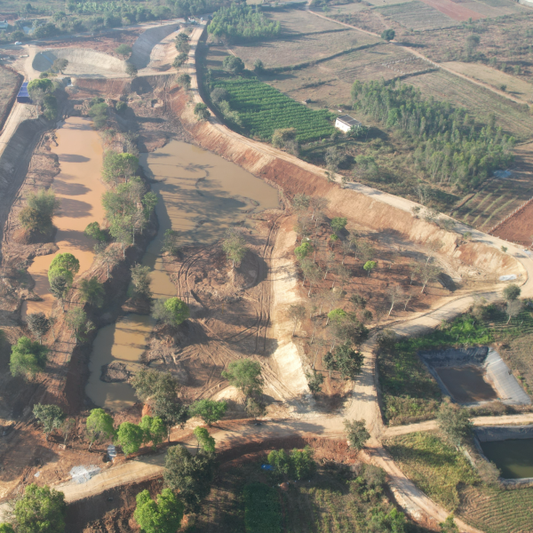 Project Closed
Trees for Bangalore: Plant Native Trees in Garden City ₹299
Regular price ₹ 799Regular priceUnit price per
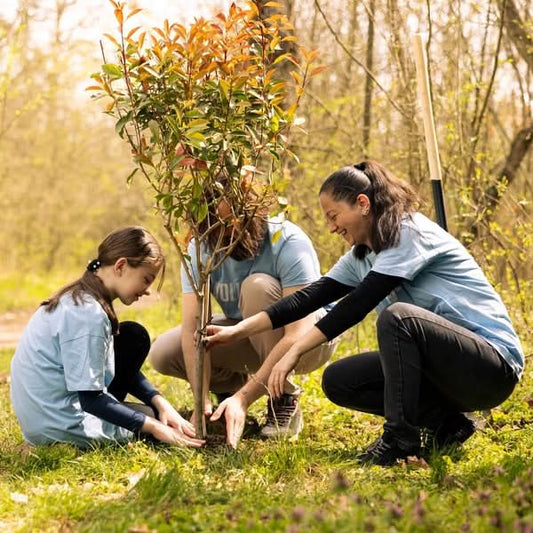
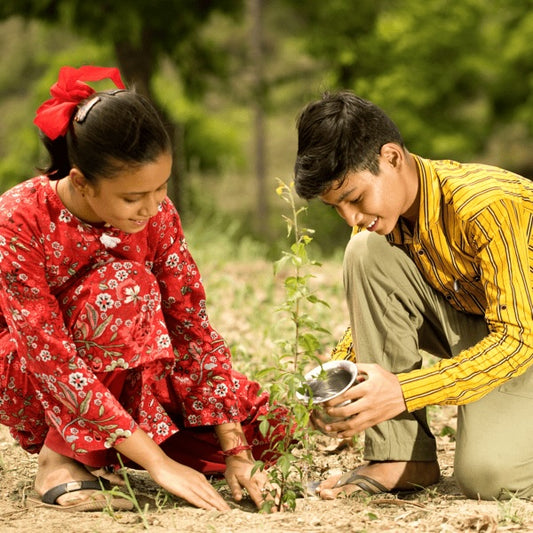

Mangrove Chilika Edge: Lagoon Life in Green Fringes
The Mangrove Chilika Edge is one of India's most vital ecological frontiers, where Asia's largest coastal lagoon meets a lush fringe of salt-tolerant trees. Chilika Lake spans over 1,100 square kilometres in Odisha and hosts a remarkable ecosystem that sustains millions of lives. We found that these green fringes are not just beautiful — they are truly irreplaceable for our planet's future.
In 2026, conservation scientists continue to highlight the critical role of mangrove ecosystems in climate resilience. According to United Nations Climate Change reports, mangroves sequester carbon at rates up to four times higher than tropical rainforests. Protecting the Mangrove Chilika Edge is therefore a powerful strategy for Combating Climate Change Through Collective Action.
✅ What Makes the Mangrove Chilika Edge Unique?
Chilika Lake is Asia's largest brackish water lagoon and a designated Ramsar Wetland of International Importance. Its mangrove fringe stretches across the Nalabana Island Bird Sanctuary and surrounding shores, creating a dynamic transition zone between land and sea. This green boundary is home to over 160 species of birds, including the endangered Irrawaddy dolphin and migratory flamingos.
The mangrove species found here include Avicennia marina, Rhizophora mucronata, and Excoecaria agallocha. These natural, salt-tolerant species bind coastal soils with intricate root networks. Our team has observed that root systems extend several metres, anchoring sediment and dramatically reducing erosion. This makes the Mangrove Chilika Edge a wonderful natural engineering marvel.
The lagoon's green fringe also serves as a nursery for juvenile fish and crustaceans. Over 225 species of fish have been recorded in Chilika's waters, many depending on the mangrove zone for shelter in their early life stages. This makes it a lifeline for the fishing communities of coastal Odisha.
💡 Ecological Role of Chilika's Green Fringes
Mangroves along the Chilika edge perform multiple eco-friendly functions simultaneously. They act as natural buffers against cyclones and storm surges — a critical service for coastal Odisha, which regularly faces severe weather events. Research from the World Wildlife Fund on deforestation and forest degradation shows that healthy mangrove forests can reduce wave energy by up to 66%, protecting inland communities from devastating flood impacts.
Moreover, these green fringes are powerful carbon sinks on a global scale. Mangrove soils store carbon in deep layers for centuries, making them among the most carbon-dense ecosystems on earth. A 2026 study estimates that the Chilika mangroves store approximately 200 tonnes of carbon per hectare — a figure that underscores their role in India's Net Zero Targets.
Water purification is another vital service these trees provide. The mangrove root systems trap sediments and absorb excess nutrients from agricultural runoff. This natural filtration keeps Chilika's waters clean, supporting biodiversity and the livelihoods of over 200,000 fisherfolk who depend on the lagoon for their daily sustenance.
⚠️ Threats Facing the Mangrove Chilika Edge
Despite their importance, Chilika's mangroves face significant pressure from multiple directions. Rapid urbanisation, aquaculture expansion, and unsustainable fishing practices have led to notable habitat loss. UNEP's forest conservation data indicates that global mangrove cover has declined by 35% since the 1980s — a troubling trend also felt along the Mangrove Chilika Edge.
Pollution from nearby towns and industrial units has degraded water quality in parts of the lagoon. Plastic waste, oil spills, and chemical runoff threaten the delicate balance of this conscious ecosystem. In addition, climate change-driven sea level rise poses a long-term existential threat to these low-lying habitats.
Invasive species further disrupt the natural balance at the Chilika edge. Certain exotic plant varieties have encroached upon native mangrove zones, outcompeting indigenous species for light and nutrients. Our experience in restoration work shows that managing invasive species is as important as planting new trees to nurture a thriving ecosystem.
✅ Conservation and Restoration Efforts at Chilika
The good news is that concerted efforts are underway to restore and protect the Mangrove Chilika Edge. The Chilika Development Authority (CDA) has partnered with local fishing communities and environmental organisations to replant mangroves across degraded shorelines. These hands-on programmes have already restored several hundred hectares of mangrove habitat, offering great hope for the future.
Community-led conservation has proven to be the most sustainable approach across all restoration zones. When local fisherfolk understand that healthy mangroves mean healthier fish populations, they become powerful stewards of the ecosystem. Our partners in Odisha have reported that community-managed mangrove zones show sapling survival rates of up to 85%, compared to 50% in externally managed plots.
According to the WWF's global forest conservation initiatives, restoration programmes involving local communities and native species consistently deliver better long-term outcomes. This evidence-based, mindful approach guides our work at Grow Billion Trees across every planting site.
⭐ How Grow Billion Trees Supports Mangrove Restoration
At Grow Billion Trees, we love the idea that every individual can make a real difference for our planet. Our mangrove restoration programme allows you to Plant a tree in your Name for just ₹299, with full 4ft Tree Planting + 3 Years Care + GeoTag tracking included. This means you can watch your tree grow through our verified GeoTag technology — a wonderful way to connect with nature from anywhere in India.
We ensure that every tree planted through our programme contributes to our mission of growing 100 crore trees across India by June 2030. Whether you want to celebrate a birthday, honour a memory, or help your company meet its Net Zero Targets, planting a mangrove at Chilika's edge is a conscious and mindful act of love for the earth. Our certified team guarantees authentic, transparent impact at every step.
We provide regular geo-verified updates so you can thrive in the knowledge that your contribution is growing strong. Our secure online platform makes it easy to gift a tree, track its growth, and share your environmental story with friends and colleagues. Thousands of customers, both individual and corporate, have already trusted us with their green legacy.
Key Benefits of Planting Mangroves ✅
- Carbon power: Mangroves store up to 4x more carbon than terrestrial forests per hectare.
- Coastal shield: Natural barriers that reduce wave energy by up to 66% during storms.
- Biodiversity hub: Nurseries for fish, birds, dolphins, and marine life.
- Water filter: Remove pollutants and agricultural nutrients naturally and efficiently.
- Livelihood support: Sustain fishing communities across coastal India sustainably.
- Climate resilience: Help coastal ecosystems adapt and grow through sea level rise.
Frequently Asked Questions
What is the Mangrove Chilika Edge?
The Mangrove Chilika Edge refers to the fringe of mangrove forests lining the shores of Chilika Lake in Odisha, India. This green boundary is a critical ecological zone that supports biodiversity, filters water, and protects the coastline from storms and sea level rise.
Why is Chilika Lake important for mangroves?
Chilika Lake is Asia's largest coastal lagoon and a Ramsar Wetland of International Importance. Its brackish water environment is ideal for mangrove growth, supporting multiple native species that together form a rich, sustainable, and highly productive ecosystem valued globally.
How do mangroves help combat climate change?
Mangroves sequester carbon at up to four times the rate of tropical rainforests per unit area. They store carbon in biomass and deep soil layers for centuries, making them powerful allies in Combating Climate Change Through Collective Action and achieving national Net Zero Targets.
What threats do Chilika's mangroves face?
The Mangrove Chilika Edge faces pressure from aquaculture expansion, pollution, urbanisation, invasive species, and climate-driven sea level rise. These combined threats have reduced mangrove cover and degraded water quality in key parts of the lagoon over recent decades.
How can I help restore mangroves at Chilika?
You can support mangrove restoration through Grow Billion Trees. For just ₹299, you can Plant a tree in your Name with full 4ft Tree Planting + 3 Years Care + GeoTag tracking included. Your contribution directly supports our goal of growing 100 crore trees across India.
What mangrove species grow at Chilika Lake?
Key mangrove species at Chilika include Avicennia marina, Rhizophora mucronata, and Excoecaria agallocha. These natural, salt-tolerant trees are adapted to the brackish lagoon environment and form the backbone of the Mangrove Chilika Edge ecosystem.
What wildlife depends on Chilika's mangroves?
The Mangrove Chilika Edge supports over 160 bird species including flamingos, pelicans, and migratory waterfowl. The endangered Irrawaddy dolphin is also found in Chilika's waters. The mangroves serve as nurseries for over 225 recorded fish species throughout the lagoon.
Are mangrove planting programmes proven to be effective?
Yes, when done correctly with native species and community involvement. Hands-on local restoration programmes achieve sapling survival rates of up to 85%. Our experience shows that ongoing care and community stewardship are essential to transform planted saplings into thriving forests.
Can corporates contribute to mangrove restoration at Chilika?
Absolutely. Grow Billion Trees offers corporate programmes that help businesses meet their Net Zero Targets through certified mangrove planting. We provide transparent geo-verified reporting, making it easy for companies to demonstrate authentic, measurable environmental commitment to stakeholders.
What is the overall goal of Grow Billion Trees?
Grow Billion Trees aims to plant 100 crore trees across India by June 2030. We run multiple programmes including mangrove restoration, Miyawaki forests, agroforestry, and urban forestry. Together, these efforts help individuals, communities, and corporates grow a better, greener future for all.
A Future We Grow Together
The Mangrove Chilika Edge is more than a beautiful landscape — it is living proof of what happens when nature and community thrive in harmony. Protecting these green fringes is one of the most impactful steps we can take for our planet. However, this great work cannot happen without conscious, mindful support from people like you.
We welcome you to join our growing family of eco-friendly individuals and organisations committed to saving India's natural heritage. Together, we can transform degraded coastlines into thriving ecosystems that benefit people and wildlife for generations. Explore our mangrove planting programmes at Grow Billion Trees and discover how easy it is to save, grow, and improve our shared natural world. Plant a tree in your Name today and be part of a wonderful mission that truly matters.
You may like
-
Gift a Tree - Meaningful Environmental Gifts That Make a Difference
Transform your gift-giving with meaningful environmental gifts that create lasting impact for...
-
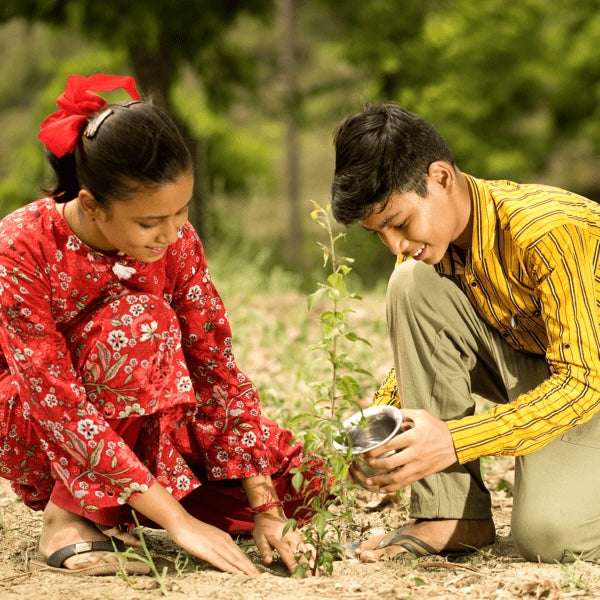
Trees For Shiv Ji - Sacred Tree Planting to Honor Lord Shiva
Honor Lord Shiva through sacred tree planting with Trees For Shiv Ji,...
-

Tree Plantations for Shri Ram - Sacred Devotional Planting Services
Honor Lord Shri Ram through meaningful tree plantations for Shri Ram that...
-
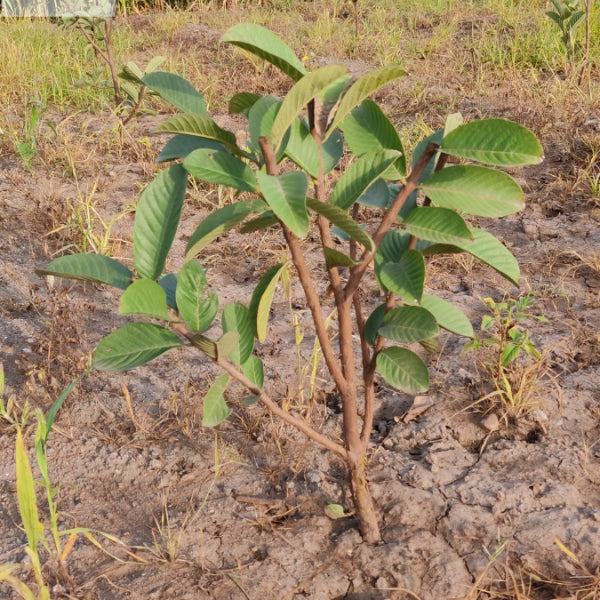
Tree Plantation on Navratri - Celebrate Divine Festivals with Environmental Devotion
Tree plantation on Navratri transforms the sacred nine-day festival into a powerful...
-
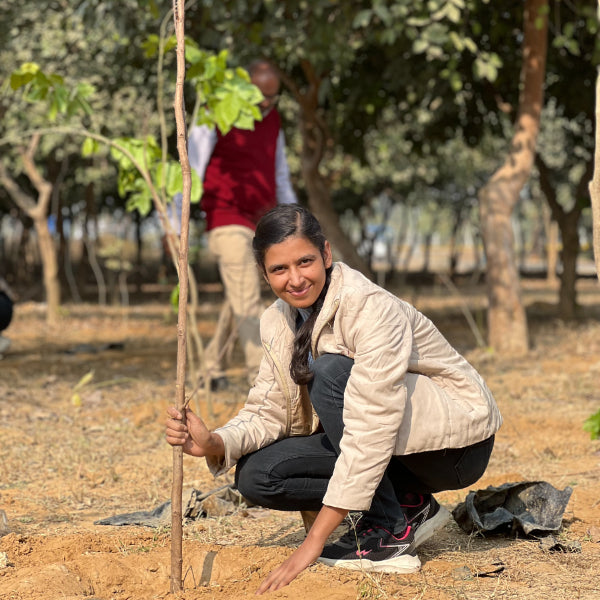
Tree Plantation by Cause - Plant Trees for Every Purpose | Grow Billion Trees
Transform your environmental impact with purpose-driven tree plantation by cause programs that...
Corporate Plantations
-
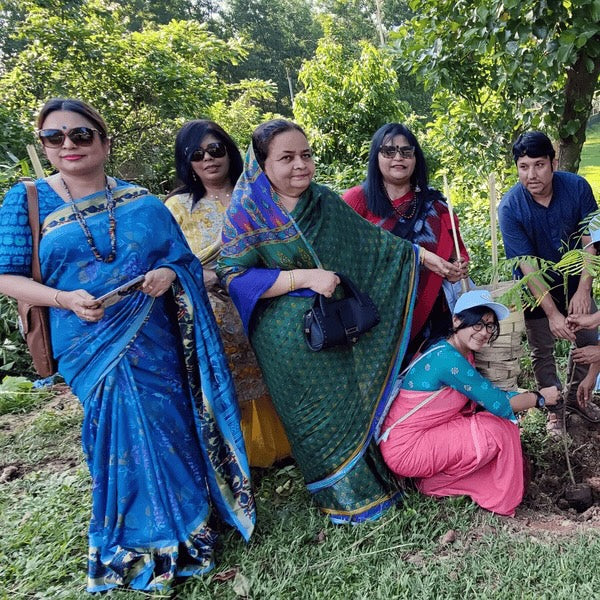
Trees for Corporates - Achieve Net Zero Targets Through Strategic Tree Planting
Trees for Corporates - Strategic Environmental SolutionsTransform your corporate environmental impact with...
-
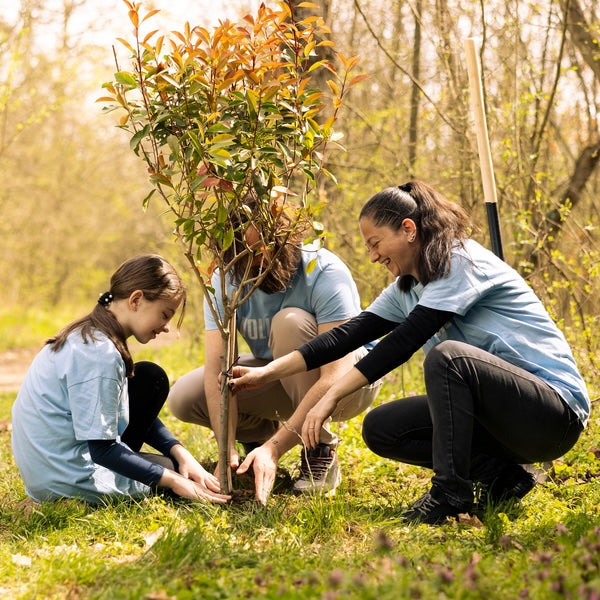
Tree Plantation for CSR - Corporate Environmental Programs | Grow Billion Trees
Tree Plantation for CSR - Transform Your Corporate Environmental ImpactTree plantation for...
-
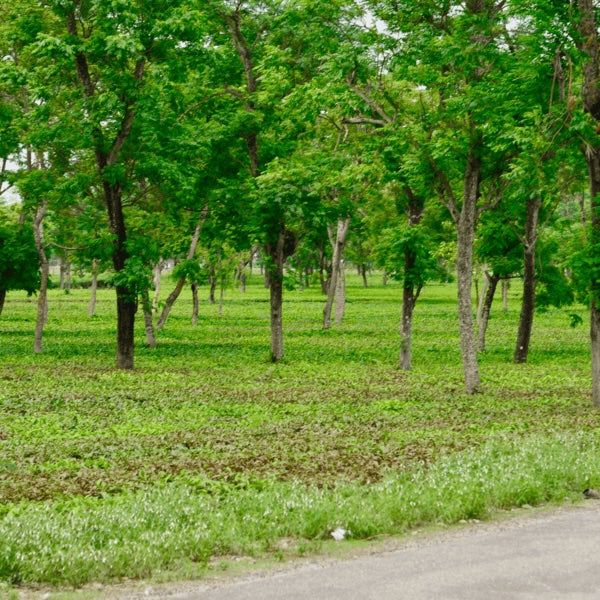
Tree Plantation for SDG - Support Sustainable Development Goals
Tree plantation for SDG initiatives represents a powerful pathway to achieving multiple...
-
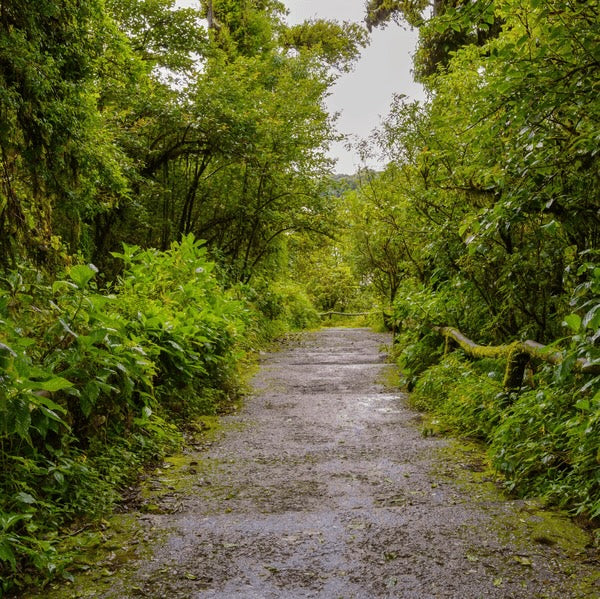
Corporate Tree Plantation Programs - Sustainable ESG Environmental Solutions for Net Zero Targets
Transform your organization's environmental impact with our comprehensive Corporate Tree Plantation Programs...
-
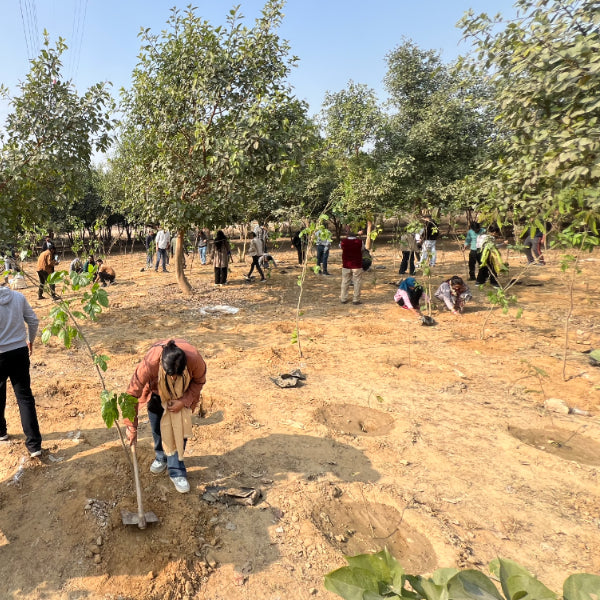
Tree Plantation by Location - Plant Trees Across India
Transform landscapes nationwide through our comprehensive tree plantation by location program. When...
Most Popular Tree Plantations - Top Choices for Environmental Impact
-
Trees for Mother
Regular price ₹ 299Regular priceUnit price per -
Trees to Honor the Memory of your Loved Ones
Regular price ₹ 299Regular priceUnit price per -
Trees for Wedding Anniversary Celebration
Regular price ₹ 299Regular priceUnit price per -
Trees for Grandmother
Regular price ₹ 299Regular priceUnit price per -
Trees for Grandfather
Regular price ₹ 299Regular priceUnit price per